
The Emergence of Whole-Food Plant-Based Condiments
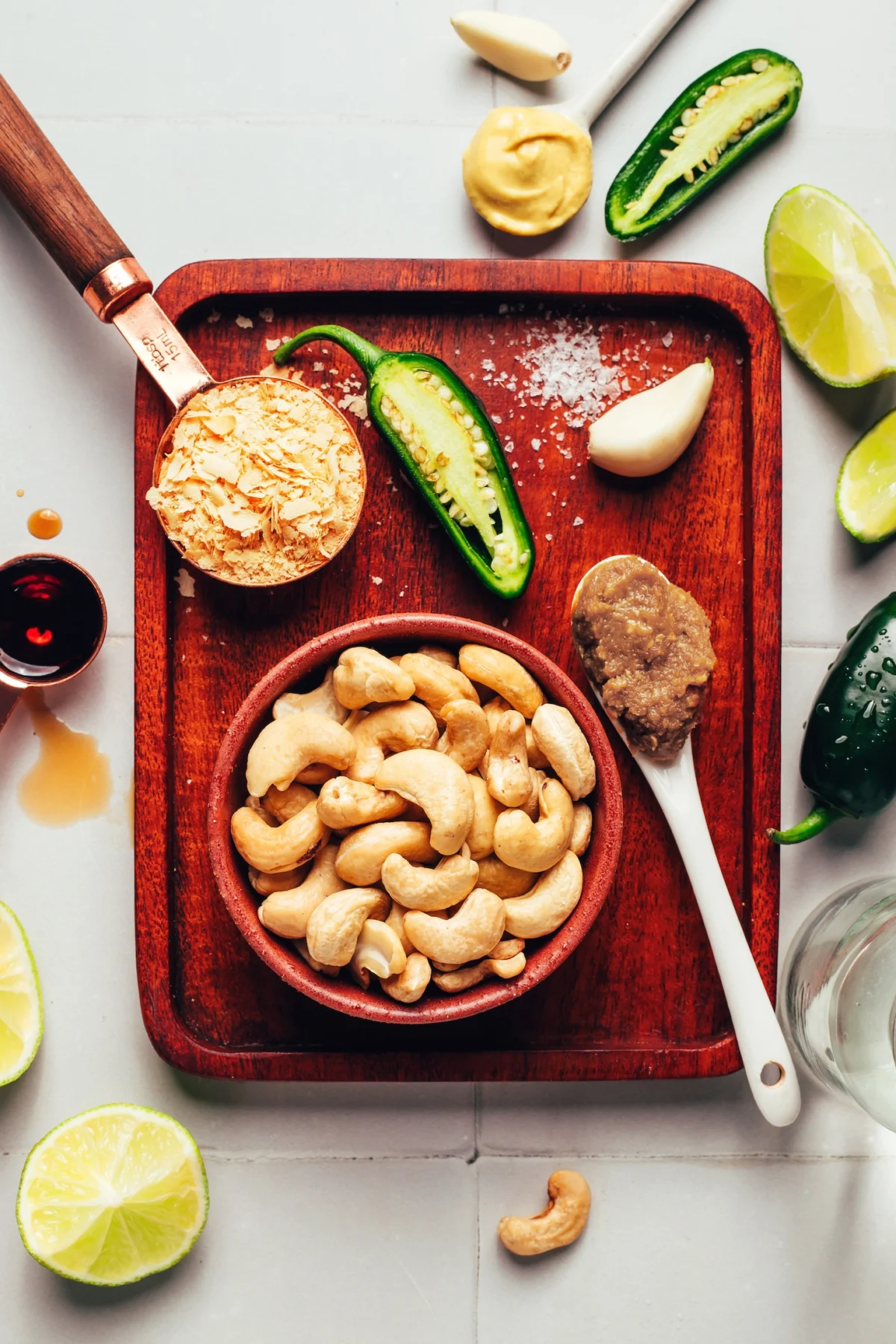
The development of the Cheesy Jalapeño Cashew Dressing follows a broader historical timeline of culinary adaptation. For decades, the condiment industry was dominated by high-sodium, preservative-laden products designed for shelf stability. However, the rise of the Whole-Food Plant-Based (WFPB) movement in the early 21st century necessitated a new approach to flavor enhancement. This dressing reflects that shift, utilizing nine primary ingredients—raw cashews, nutritional yeast, miso paste, Dijon mustard, maple syrup, sea salt, garlic, jalapeño, and lime juice—to achieve a complex flavor profile without the use of processed oils or animal derivatives.
The logistics of the recipe are optimized for the modern consumer’s schedule, requiring only five minutes of preparation time and a single high-speed blender. This efficiency is a critical factor in the widespread adoption of homemade dressings, as it lowers the barrier to entry for individuals seeking to eliminate ultra-processed foods from their diets. By utilizing the natural fats found in cashews to create a stable emulsion, the recipe provides a rich mouthfeel that traditionally required heavy cream or egg yolks.

Scientific Analysis of Key Ingredients
The nutritional and functional success of this dressing is rooted in the specific chemical properties of its components. Cashews (Anacardium occidentale) serve as the structural foundation. Unlike other nuts, cashews possess a high starch content (approximately 10% by weight), which, when blended with water, acts as a natural thickening agent. This allows for a velvety consistency that mimics dairy. Furthermore, cashews are a significant source of monounsaturated fatty acids and essential minerals, including magnesium, phosphorus, and copper.
The "cheesy" profile, which gives the dressing its name, is achieved through a synergistic combination of nutritional yeast and miso paste. Nutritional yeast, a deactivated form of Saccharomyces cerevisiae, is prized in vegan cooking for its nutty, savory flavor and its high concentration of B-vitamins. When paired with miso paste—a traditional Japanese seasoning produced by fermenting soybeans with salt and koji—the result is a potent "umami" explosion. Miso contributes a depth of flavor through the process of proteolysis, where enzymes break down soy proteins into amino acids, specifically glutamic acid, which triggers the savory taste receptors on the human tongue.
The inclusion of jalapeño peppers introduces capsaicin, the alkaloid responsible for the fruit’s heat. On the Scoville Heat Scale, jalapeños typically range from 2,500 to 8,000 Heat Units (SHU), providing a manageable "kick" that balances the sweetness of the maple syrup and the acidity of the lime juice. Beyond flavor, capsaicin has been studied for its potential metabolic benefits and its role in endorphin release.

Nutritional Data and Comparative Analysis
From a nutritional standpoint, the Cheesy Jalapeño Cashew Dressing offers a superior profile compared to conventional high-fat dressings. A standard two-tablespoon serving contains approximately 70 calories, 4.9 grams of fat, and 2.8 grams of protein. In contrast, a typical commercial Ranch dressing can contain upwards of 140 calories and 14 grams of fat for the same portion size, often with negligible protein and fiber content.
The data further reveals:
- Total Carbohydrates: 5g (with 0.8g of dietary fiber)
- Sodium: 171mg (derived primarily from miso and sea salt)
- Potassium: 112mg
- Vitamin C: 3.1mg (contributed by fresh lime juice and jalapeño)
- Iron: 0.8mg
This nutrient density makes the dressing an attractive option for those managing caloric intake while seeking to maximize micronutrient consumption. The absence of cholesterol—a benefit inherent to all plant-based foods—further aligns with cardiovascular health guidelines.

Market Trends and Consumer Response
The popularity of nut-based dressings like this one coincides with a robust expansion in the global vegan food market. Industry analysts at Grand View Research have projected that the vegan salad dressing market will continue to grow at a compound annual growth rate (CAGR) of over 7% through the end of the decade. This growth is fueled by increasing awareness of lactose intolerance, dairy allergies, and the environmental impact of animal agriculture.
Responses from the culinary community and home cooks indicate a high level of satisfaction with the versatility of the cashew-based emulsion. While originally designed as a salad topper, the dressing’s viscosity allows it to function as a dip for cruciferous vegetables, a spread for wraps, or a sauce for grain bowls. Professional chefs have noted that the stability of cashew cream makes it less prone to "breaking" or separating compared to oil-and-vinegar vinaigrettes, providing a consistent aesthetic and sensory experience throughout the duration of a meal.
Preparation Logistics and Troubleshooting
The manufacturing of this dressing at home is a streamlined process, yet it relies on the mechanical power of high-speed blending. For consumers using standard blenders, industry experts suggest a "soaking phase" for the cashews—submerging them in hot water for 15 to 30 minutes—to soften the cellular structure of the nut. This ensures a completely smooth texture without residual grit.

Furthermore, the recipe’s shelf life of five to seven days when refrigerated is a result of the natural preservatives present in the ingredients. The acidity of the lime juice and the salt content of the miso paste act as mild inhibitors to microbial growth, although the lack of artificial stabilizers means the product should be kept in an airtight container and consumed within the recommended window.
Broader Implications for Sustainable Eating
Beyond the immediate culinary benefits, the shift toward homemade, plant-based dressings has broader environmental implications. Commercial dressings are frequently packaged in single-use plastic bottles and require extensive refrigerated supply chains. By producing dressings at home using bulk-purchased staples like cashews and miso, consumers can significantly reduce their plastic waste and carbon footprint.
The Cheesy Jalapeño Cashew Dressing also addresses the growing demand for "functional foods"—products that provide health benefits beyond basic nutrition. The probiotics in unpasteurized miso, the healthy fats in cashews, and the antioxidants in fresh garlic and lime create a profile that supports digestive health and immune function.

Conclusion and Future Outlook
The Cheesy Jalapeño Cashew Dressing is more than a simple condiment; it is a representation of the intersection between health, flavor, and convenience. As culinary technology continues to advance and consumers become more educated about the impact of their dietary choices, the reliance on whole-food ingredients like cashews will likely become the standard rather than the exception.
The versatility of this specific flavor profile—savory, spicy, and "cheesy"—ensures its longevity in the kitchen. Whether utilized as a component of a Vegan Sweet Potato Chickpea Taco Salad or as a accompaniment to crispy cauliflower wings, the dressing provides a gourmet experience that satisfies the palate while adhering to rigorous nutritional standards. As the culinary world continues to move away from heavy, processed fats, the cashew-based emulsion stands as a premier example of how plant-based innovation can redefine classic comfort flavors for a new generation of health-conscious eaters.