
The journey from a home baker’s hopeful wish for a larger oven to the active pursuit of professional-grade equipment marks a significant evolution in culinary ambition. For many dedicated enthusiasts, this transition is driven by a desire to scale up production, moving beyond the typical two-loaf capacity of standard domestic ovens to accommodate larger batches for gatherings, small-scale sales, or simply to refine their craft. This progression often leads to specialized tools, with the Rofco bread oven emerging as a compelling solution for those seeking efficiency, consistent results, and the unique qualities of a brick oven environment within a home or micro-bakery setting. This comprehensive guide delves into the intricacies of the Rofco B40 oven, offering insights into its functionality, operational best practices, and essential tools for bakers looking to elevate their bread-making endeavors.
The Genesis of Scaling Up: From Wishful Thinking to Practical Necessity
The initial realization that one’s baking aspirations have outgrown the confines of a conventional oven is often a gradual one. It begins with dreaming of easily baking six loaves at a time – a modest goal by commercial bakery standards, yet a considerable leap for a home kitchen. As the volume of dough handled increases, so does the yearning for tools that enhance efficiency. While baking large quantities of bread in a standard home oven is achievable, the right equipment allows bakers to redirect their focus towards the more nuanced aspects of their craft: flavor development, precise fermentation control, dough handling techniques, and intricate shaping. For many, the Rofco oven represents the natural next step in this baking evolution, a tangible upgrade that supports an increasingly sophisticated approach to bread making.
This drive to scale up can stem from a burgeoning obsession with the art of baking, a subtle yet persistent force that compels some to explore beyond the confines of their kitchens. For some, this journey culminates in the establishment of a nano or micro-bakery, while others find their niche selling artisanal breads at local farmer’s markets. Regardless of the specific impetus for scaling up, this guide aims to consolidate essential knowledge regarding the tools, optimal times, temperatures, and other crucial tips derived from extensive experience with the Rofco bread oven. It serves as a singular resource for those considering a Rofco oven, those who have recently acquired one and are seeking guidance on initial use, and those aiming to develop their own refined baking processes within this specialized equipment.
Understanding the Rofco Bread Oven: A Compact Powerhouse
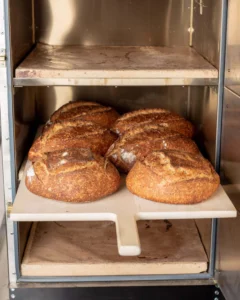
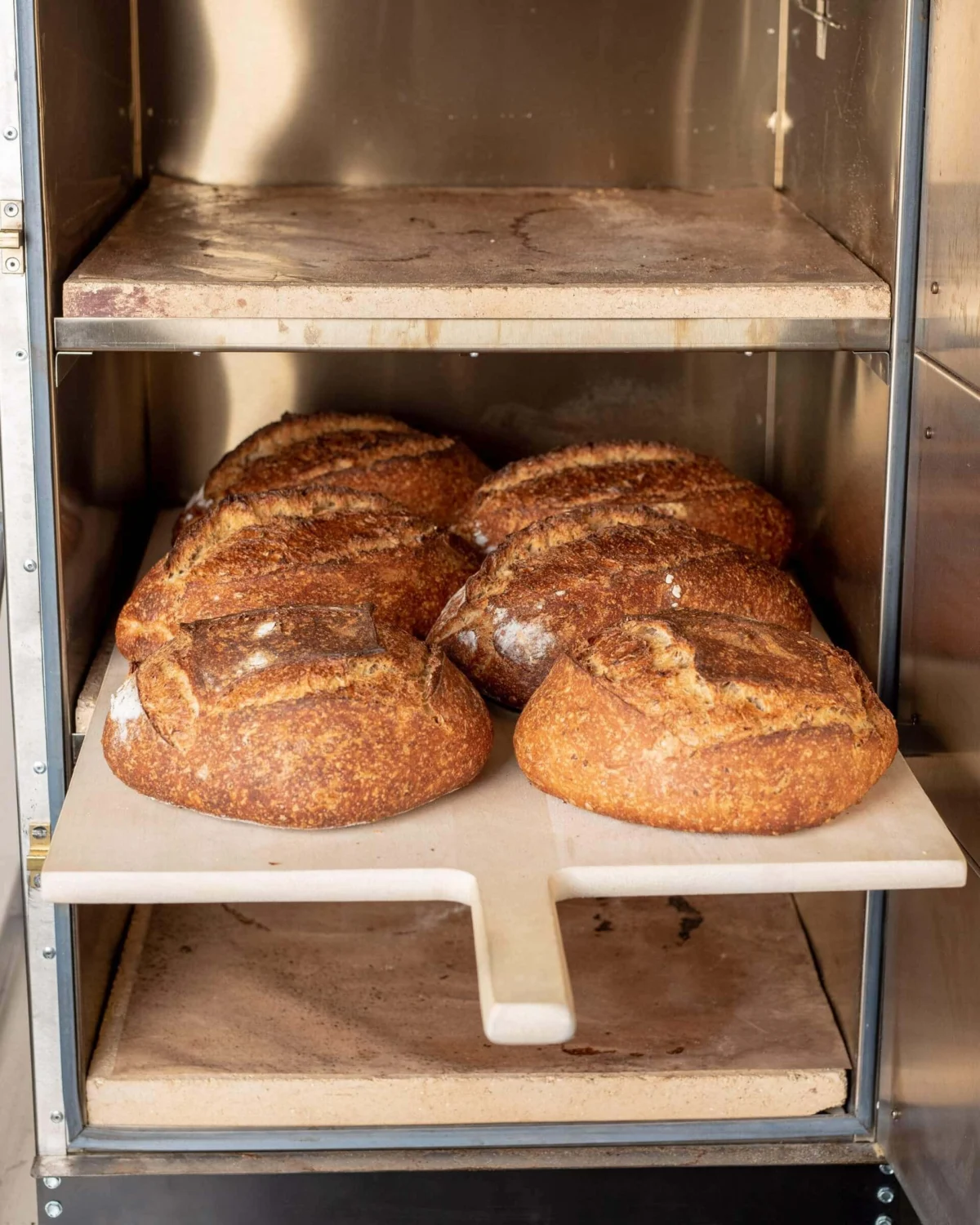
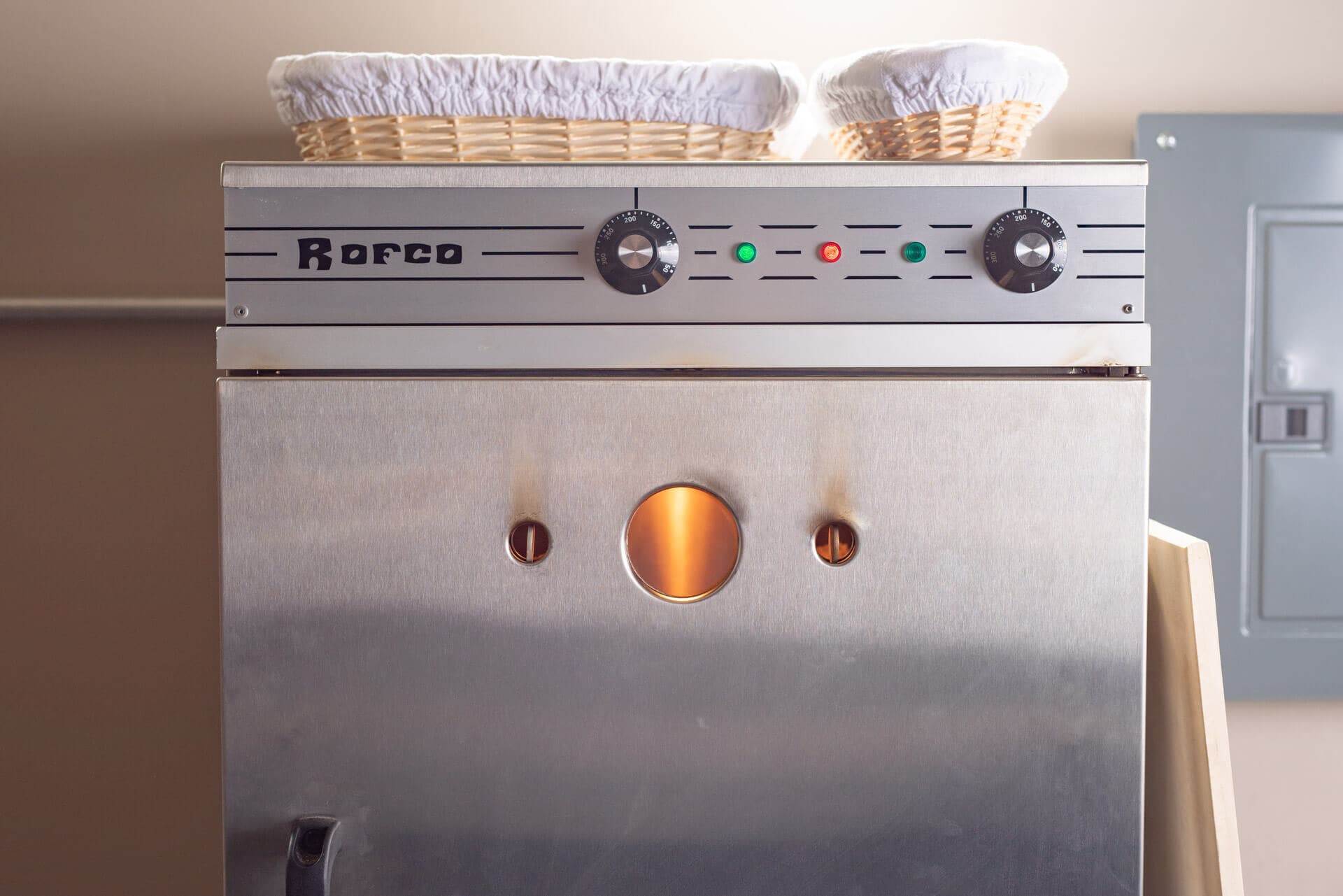
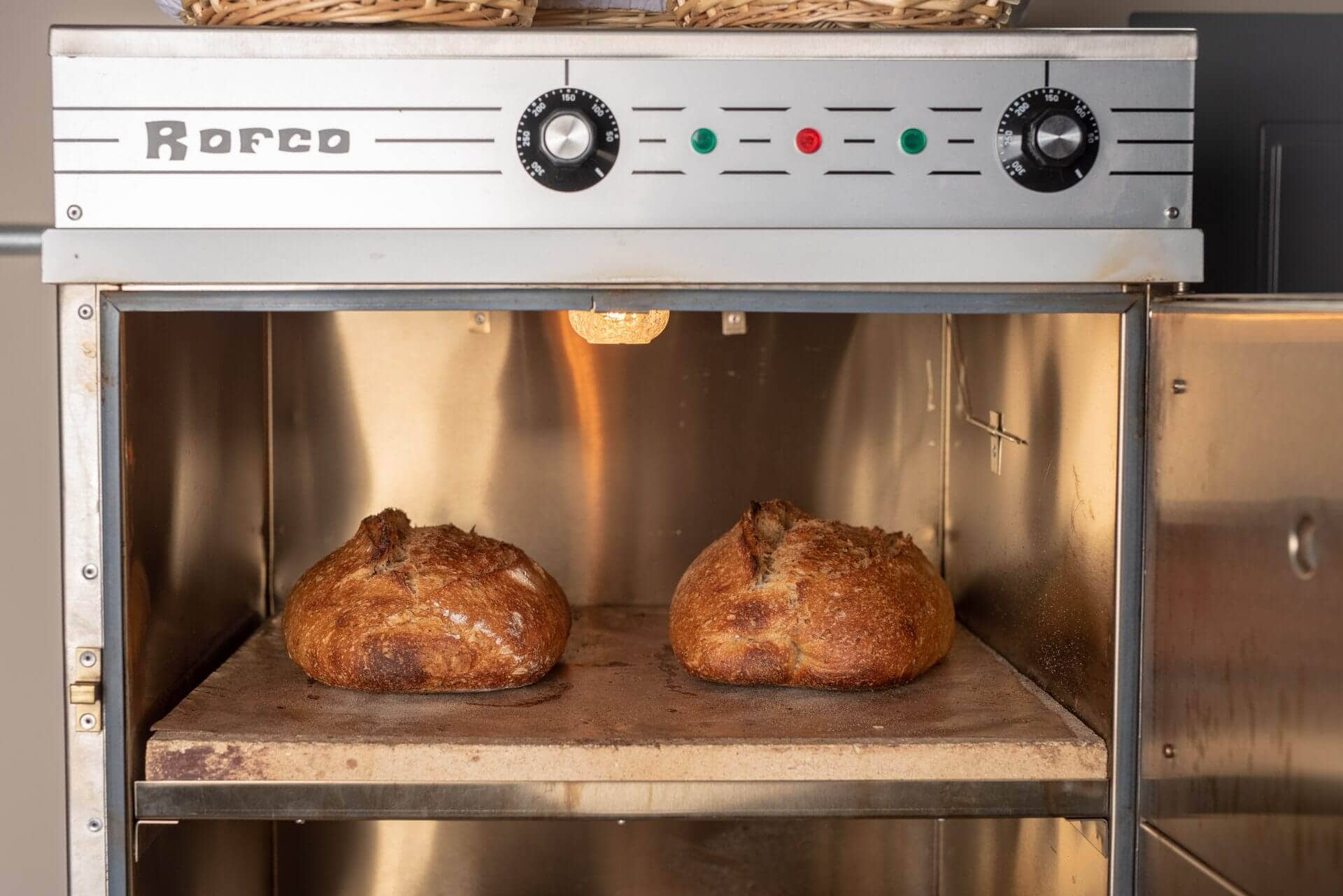
The Rofco bread oven, manufactured in Belgium, is a purpose-built brick oven designed with the specific demands of bread baking in mind. Available in various configurations, the model discussed here is the Rofco B40, the largest offering, featuring three distinct square baking decks. Its design is characterized by a no-nonsense construction and a tightly sealed oven chamber, minimizing external radiant heat and allowing for closer placement to other kitchen appliances or walls. A key feature is its three 1-3/8-inch thick chamotte deck stones, which possess a remarkable capacity for heat retention. Even after significant preheating and subsequent door openings for loading dough, these stones maintain a stable temperature, facilitating consistent baking across multiple batches with minimal recovery time between them.
The Rofco B40 operates on standard 220V AC single-phase power, utilizing a common 6-20P cord plug and a 6-20R receptacle, readily adaptable to most residential electrical setups. For installation, it is advisable to consult with a qualified electrician to ensure a dedicated circuit and appropriate breaker are installed, guaranteeing safe and reliable operation.

A Resounding Endorsement: The Rofco’s Value Proposition
To address a common query directly: yes, the Rofco bread oven comes highly recommended. It stands out as an exceptional piece of equipment for any baker aiming to produce more than just a couple of loaves at a time in their home oven. Its elegant simplicity, the inherent ease of repair due to its straightforward design, and its consistent, even baking performance make it a valuable asset for both dedicated home bakers and aspiring professionals. The oven’s robust construction and reliable performance have made it a favored choice for those serious about advancing their bread-making capabilities.
Strategic Dough Placement: Maximizing Deck Space for Optimal Baking
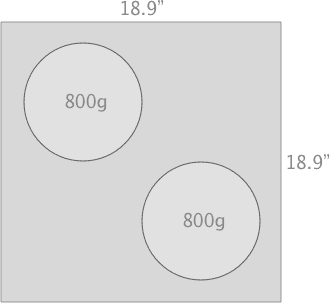
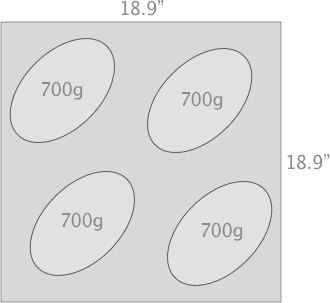
A critical aspect of baking efficiently in the Rofco oven involves strategic dough placement, akin to a real-life game of Tetris. The objective is to maximize the number of loaves baked per cycle without compromising their individual bake quality by allowing them to touch, while simultaneously ensuring even heat distribution. While the author has not extensively pushed the limits of this capacity, insights from experienced users suggest sophisticated arrangements are possible. The following outlines common dough configurations for home baking, with the arrangement of two 900g batards per deck being the most frequently employed scenario.
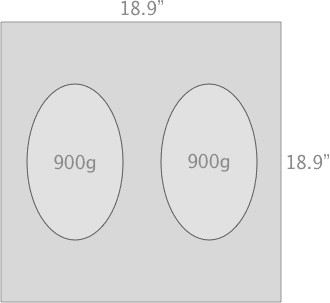
It’s important to note the spatial considerations: each deck in the Rofco B40 measures approximately 18.9 inches by 18.9 inches. The diagrams illustrate typical placements for batard-shaped loaves (ovals) and boules (circles). The top edge of each diagram represents the back of the oven, while the bottom edge signifies the front, where the door is located.
- Two 900g Batards per Deck: This arrangement, often favored for its balance of loaf size and oven capacity, typically involves placing two elongated loaves towards the front and back of each deck, leaving adequate space between them for expansion and even browning.
- Two 800g Boules per Deck: For round loaves, two 800g boules can be positioned on each deck, often slightly offset from the center to ensure they do not touch during their final proof and oven spring.
- Four 700g Loaves per Deck: This configuration maximizes the number of loaves, typically accommodating four smaller loaves (either boules or smaller batards) distributed evenly across the deck.
Beyond whole loaves, the Rofco’s square steel trays, often included with the oven, offer versatility. These trays are ideal for baking smaller items like buns, rolls, or even a large square pizza. Their use is particularly beneficial for containing any potential spills and simplifying the transfer of multiple small baked goods into and out of the oven.
The Crucial Role of Steam in Rofco Baking
As with any bread baked in a high-temperature oven, achieving optimal oven spring and a superior crust in the Rofco hinges on the effective introduction of steam during the initial stages of baking. While the Rofco’s sealed oven chamber is advantageous in retaining steam, it lacks the automated steam injection systems found in some professional ovens. However, several effective manual methods can be employed to generate the necessary steam.
High-Pressure Sprayer Method:
The author’s preferred steaming method involves a commercial-grade pressure sprayer, adjusted to produce a fine mist. The sprayer is filled with water and pressurized before loading the dough. Starting with the bottom deck, approximately 10-12 seconds of mist is applied to the deck and surrounding areas. This process is then repeated for the middle and top decks. A crucial caution is to avoid spraying the glass of the oven’s internal light fixture, as sudden temperature changes can cause the glass to crack. After the initial spray, a second application is recommended just before fully closing the oven door.
Venting the steam is achieved by carefully opening the oven door (allowing steam to dissipate before looking inside) and then tilting the circular vents on the door to their open position.

Steam Pods:
Rofco offers optional rectangular steam pods, designed to be preheated within the oven. Pouring water or adding ice cubes into these pods when steam is needed generates steam as the water rapidly evaporates. While effective, these pods occupy valuable deck space, a consideration for bakers aiming to maximize loaf count.

The Rofco Baking Process: A Step-by-Step Chronology
The author’s consistent baking process in the Rofco oven, refined over time, is detailed below. It’s important to note that different dough formulations may necessitate slight adjustments to times and temperatures.
- Preheating: The oven is turned on with both heating elements (controlled by the left and right knobs) set to 240°C (464°F). The oven is preheated for a minimum of 1.5 hours to ensure the chamotte deck stones are thoroughly saturated with heat. Crucially, ensure no silicone sheets or other flammable materials are left inside during preheating.
- Loading Dough: A large wooden peel is positioned on a nearby table. A silicone sheet is placed on the peel, followed by the prepared dough. Each loaf is scored. The sheet with the dough is then carefully slid from the peel into the oven. This process is repeated for subsequent loaves, utilizing additional silicone sheets as needed.
- Initial Bake (with Steam): After loading, the oven door is closed, and the temperature is reduced to 150°C (302°F). The bake commences with steam for approximately 20 minutes.
- Venting Steam and Continued Bake: The steam is then vented by briefly opening the door and opening the circular vents. The temperature is increased to 220°C (428°F) and the loaves are baked for another 10 minutes.
- Final Bake: The temperature is reduced again to 150°C (302°F). The loaves may be reshuffled if necessary to ensure even browning. This final baking stage lasts for an additional 20-30 minutes, or until the loaves achieve the desired crust color and internal temperature.
Upon completion of the bake, the loaves are removed using the peel and placed on wire racks to cool. The oven is then either turned off or reheated to 240°C if subsequent batches are planned.
Essential Tools for Rofco Baking Mastery
Several key tools significantly enhance the Rofco baking experience:
- Commercial Strength Sprayer for Steam: A high-quality electric spray bottle, such as the Electric Spray Bottle, offers a convenient and efficient way to generate a fine mist for steaming, delivering a substantial amount of moisture with ease.
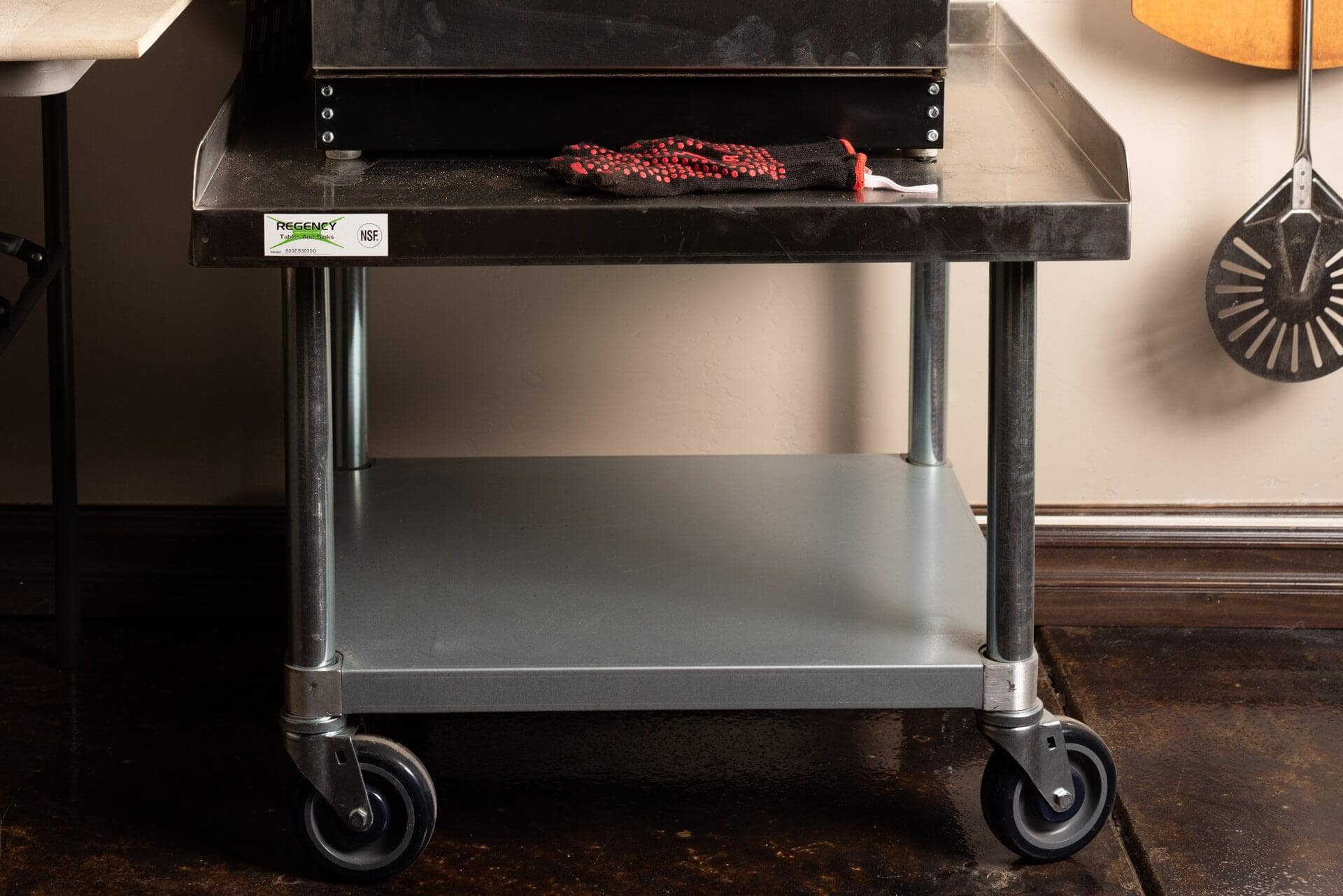
- Oven Equipment Stand: Elevating the Rofco oven on a sturdy stand, such as a custom-cut stainless steel equipment stand from WebstaurantStore, improves accessibility for loading and unloading. Opting for a stand with adjustable legs or casters can provide flexibility in height and mobility.
- Large Wooden Peel: A generously sized wooden pizza peel, ideally matching the width of the Rofco’s decks (approximately 18-18.9 inches), is indispensable for transferring dough smoothly onto the baking stones. Its light weight and durability make it a practical tool for this purpose.
- Silicone Baking Mats: These reusable mats provide a non-stick surface for proofing and baking, preventing dough from sticking to the peel and making transfers cleaner and more efficient.
Post-Bake Efficiency: Drying Proofing Baskets
A practical tip for post-baking efficiency is to utilize the residual heat of the Rofco oven to dry proofing baskets (bannetons). After removing the baked loaves and silicone sheets, placing the damp proofing baskets inside the still-warm oven quickly dries their liners, preventing moisture buildup and potential mold growth, thus facilitating their immediate storage.

Looking Ahead: Continuous Improvement and Equipment Integration
As with any new baking equipment, a period of adjustment is expected when transitioning to the Rofco oven. It is recommended to start with a straightforward sourdough recipe and practice it consistently until a comfortable rhythm and understanding of the oven’s behavior are achieved. For those seeking to expand their baking infrastructure further, complementary equipment such as the Famag spiral dough mixer, capable of handling substantial dough batches, or the Ooni Halo Pro Spiral Mixer for smaller batches and micro-bakery testing, are excellent considerations. For those requiring even larger deck space, the RackMaster 2020 Bread Oven offers expanded capacity for high-volume production.
The pursuit of mastering bread baking, especially when scaling up, is a rewarding journey. The Rofco bread oven, with its robust design and consistent performance, offers a significant advantage in this endeavor, empowering bakers to achieve professional-quality results in their own kitchens.