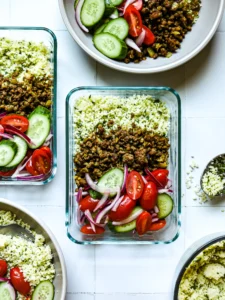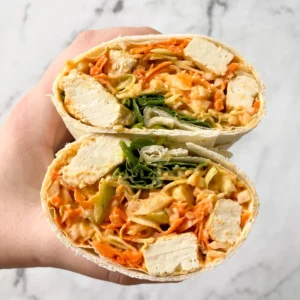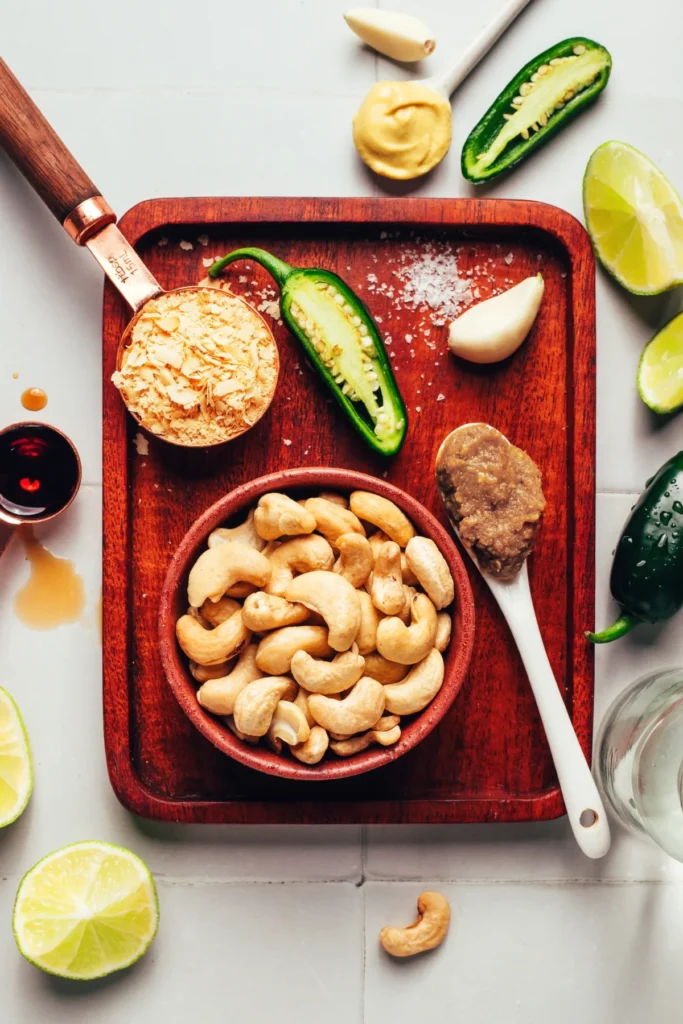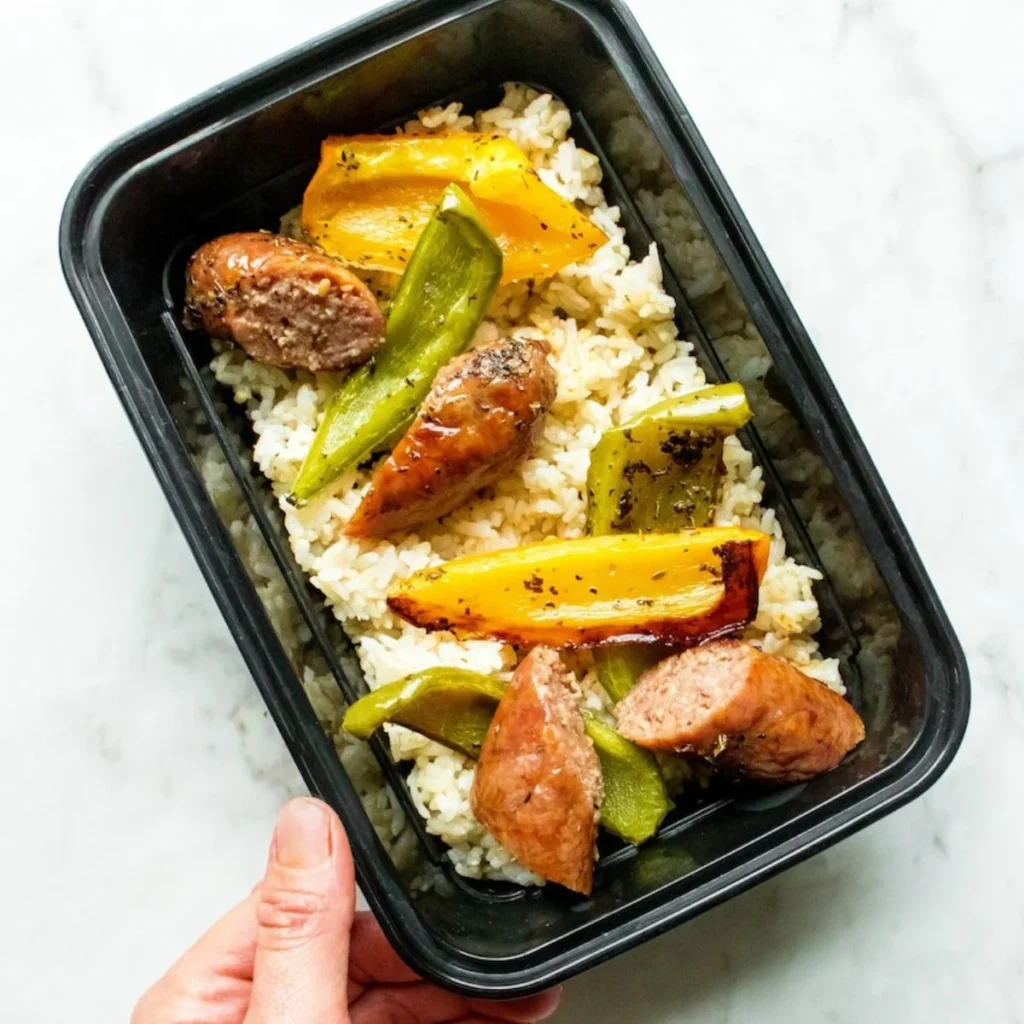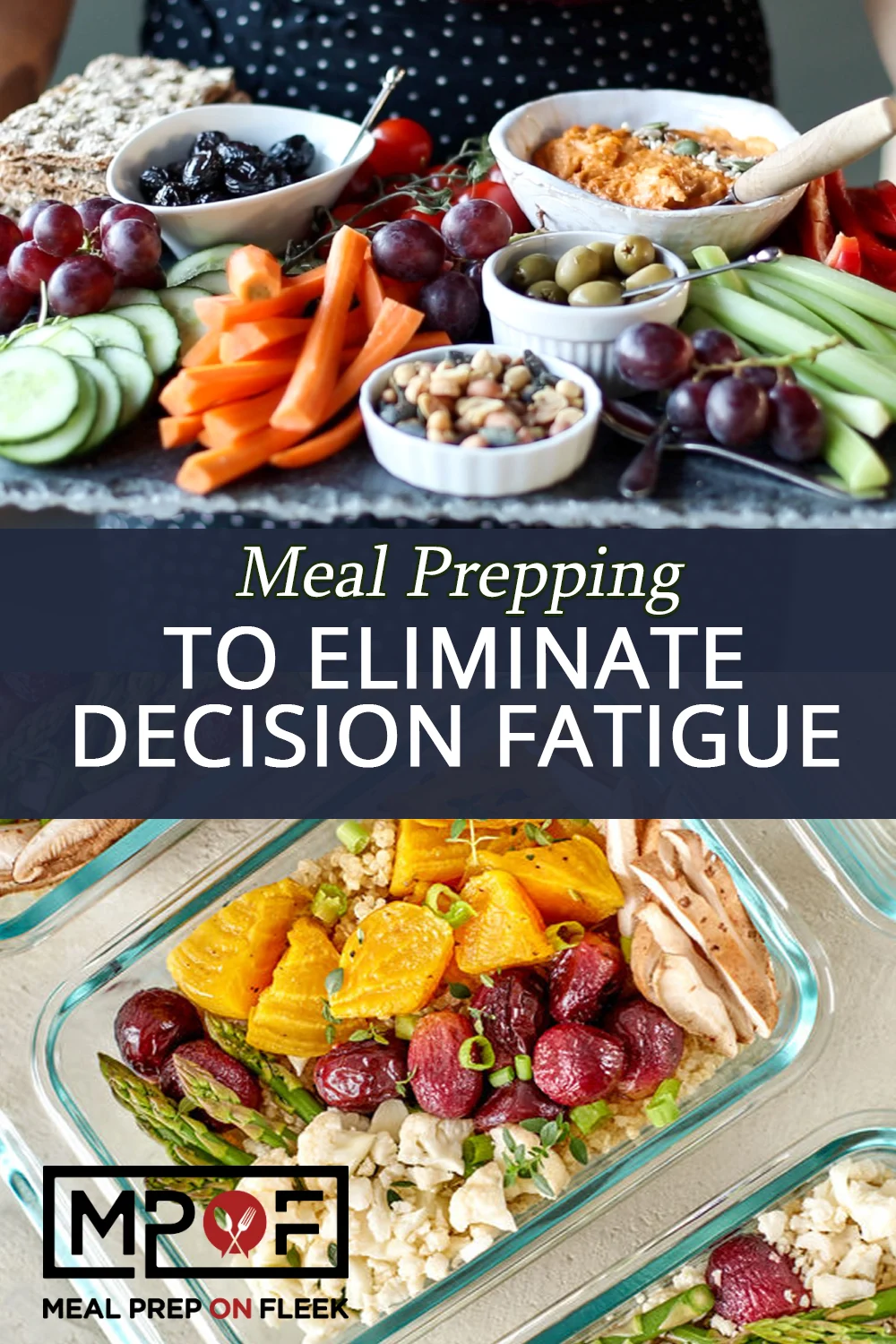

The seemingly mundane act of preparing meals in advance is emerging as a powerful strategy to combat decision fatigue, a pervasive modern-day ailment that drains mental energy and often derails healthy habits. In an era characterized by constant information overload and an ever-increasing number of daily choices, the kitchen can become a battleground of exhaustion, particularly at the end of a demanding day. This article delves into the science behind decision fatigue and illustrates how a structured approach to meal planning and preparation can significantly alleviate this cognitive burden, leading to improved well-being and more consistent healthy eating.
The Cognitive Toll of Daily Choices
Decision fatigue, a concept explored extensively in psychology and behavioral economics, describes the deterioration of the quality of decisions made by an individual after a long session of decision-making. Each choice, no matter how small, draws from a finite reservoir of mental energy. Consider the sheer volume of decisions individuals make on a typical day: selecting an outfit, prioritizing emails, managing work tasks, running errands, handling financial matters, addressing the needs of family members, and, crucially, deciding what to eat. By the time evening arrives, this accumulated mental exertion leaves many feeling depleted, making the prospect of planning and preparing a nutritious meal feel insurmountable.

Research has provided compelling evidence for the impact of decision fatigue. A notable study involving parole judges, as referenced in discussions on this topic, revealed a stark pattern: favorable rulings were significantly more likely to be granted at the beginning of the day or immediately after a meal break. As the day progressed and judicial mental energy waned, the rate of approving parole requests declined. This phenomenon underscores that even individuals trained to make high-stakes decisions are susceptible to the effects of cognitive depletion. Food decisions are no exception; when mental resources are low, the appeal of immediate gratification, often found in takeout or convenience foods, becomes overwhelming.
This is not a failure of personal discipline or motivation, as is often mistakenly assumed. Instead, it points to a fundamental systems problem. When individuals are constantly tasked with making micro-decisions about food, especially when tired and hungry, their cognitive capacity is strained. The allure of effortless options like fast food or ordering delivery intensifies, leading to deviations from intended dietary plans and contributing to a cycle of "starting Monday" resolutions.
The Hunger-Fatigue Nexus
The adage, "Hungry belly knows no love," speaks to a fundamental truth: hunger significantly amplifies the effects of decision fatigue. When the body is deprived of fuel, the brain prioritizes immediate needs, often at the expense of long-term goals or optimal decision-making. In this state, individuals are more prone to making impulsive choices, such as purchasing unplanned snacks, indulging in late-night treats, or succumbing to the temptation of an easy meal, which can then cascade into an entire week of less healthy eating.

Hunger, coupled with stress and fatigue, can shorten patience and lower standards. This biological and psychological interplay creates a fertile ground for poor food choices. The desire for quick energy overrides the consideration of nutritional value or long-term health objectives. Meal prep acts as a protective buffer against this vulnerability. By making food decisions proactively, when mental energy is higher, individuals can pre-empt the compromised judgment that hunger and fatigue can induce. The true power of meal preparation lies not in fostering superhuman discipline, but in strategically reducing the number of decisions required during periods of diminished cognitive capacity.
The Strategic Advantage of Meal Preparation
Meal preparation is not merely about consuming the same dishes repeatedly; it is a sophisticated strategy for reducing friction in daily life and optimizing mental resources. It involves making sound decisions once, in advance, to avoid the necessity of repeated, often taxing, decision-making later. This proactive approach yields several tangible benefits:
- Reduced Mental Load: By pre-determining meals, individuals eliminate the daily question of "What’s for dinner?" or "What should I eat for lunch?" This frees up cognitive bandwidth for more important tasks and reduces stress.
- Consistent Healthy Eating: When healthy meals are readily available, the temptation to opt for less nutritious alternatives is significantly diminished. Pre-portioned meals also help with portion control, a critical aspect of weight management.
- Time Savings: While the initial preparation may take time, the cumulative effect over the week is significant time saved by avoiding last-minute cooking, grocery store runs, or ordering takeout.
- Financial Savings: Meal prepping often proves more cost-effective than relying on restaurant meals or convenience foods, as it allows for bulk purchasing and reduces food waste.
- Elimination of Negotiation: The internal debate between cooking and ordering in, or between a healthy option and a tempting indulgence, is a significant drain. Meal prep effectively removes this negotiation, ensuring that the chosen path is the prepared one.
The most impactful benefit of meal prep is its ability to circumvent the mental tug-of-war that often occurs when individuals are tired and hungry. The questions, "Should I cook?" "Do I deserve takeout?" or "Maybe I’ll just snack," are common internal dialogues that deplete mental energy. Meal prep silences these debates by presenting a pre-determined, ready-to-eat solution, thereby safeguarding future well-being.

Key Strategies for Implementing Effective Meal Prep
Successfully integrating meal prep into one’s routine requires a strategic and adaptable approach. The goal is to create a system that minimizes decision fatigue without imposing undue restrictions.
1. Strategic Recipe Selection
A fundamental step in mitigating decision fatigue is to choose meals in advance, ideally before the week even begins. Waiting until the last minute to decide what to cook is a recipe for chaos. Even planning three to four "anchor" meals can provide substantial structure, preventing the need to start from scratch each evening. The objective is not necessarily to achieve endless variety, but to gain clarity and predictability in meal choices. Resources such as comprehensive recipe indexes or specialized guides for lunch or dinner meal prep can be invaluable in this process.
2. Intentional Grocery Shopping
The grocery store can be a major contributor to decision fatigue if approached without a plan. Entering a supermarket without a list often leads to impulse purchases and a lack of essential ingredients for planned meals. Meal preparation begins at the point of purchase. Before shopping, it is crucial to:
- Create a Detailed Grocery List: Based on the selected recipes, compile a comprehensive list of all necessary ingredients.
- Organize the List by Store Section: Grouping items by aisle (produce, dairy, meat, pantry staples) streamlines the shopping process and prevents backtracking.
- Determine Quantities: Accurately estimate the amount of each ingredient needed to avoid overspending or running out of key components.
A well-organized grocery list acts as a powerful decision-making tool, saving money, reducing stress, and preventing unnecessary last-minute trips.
3. Embracing Simplicity in Meal Design
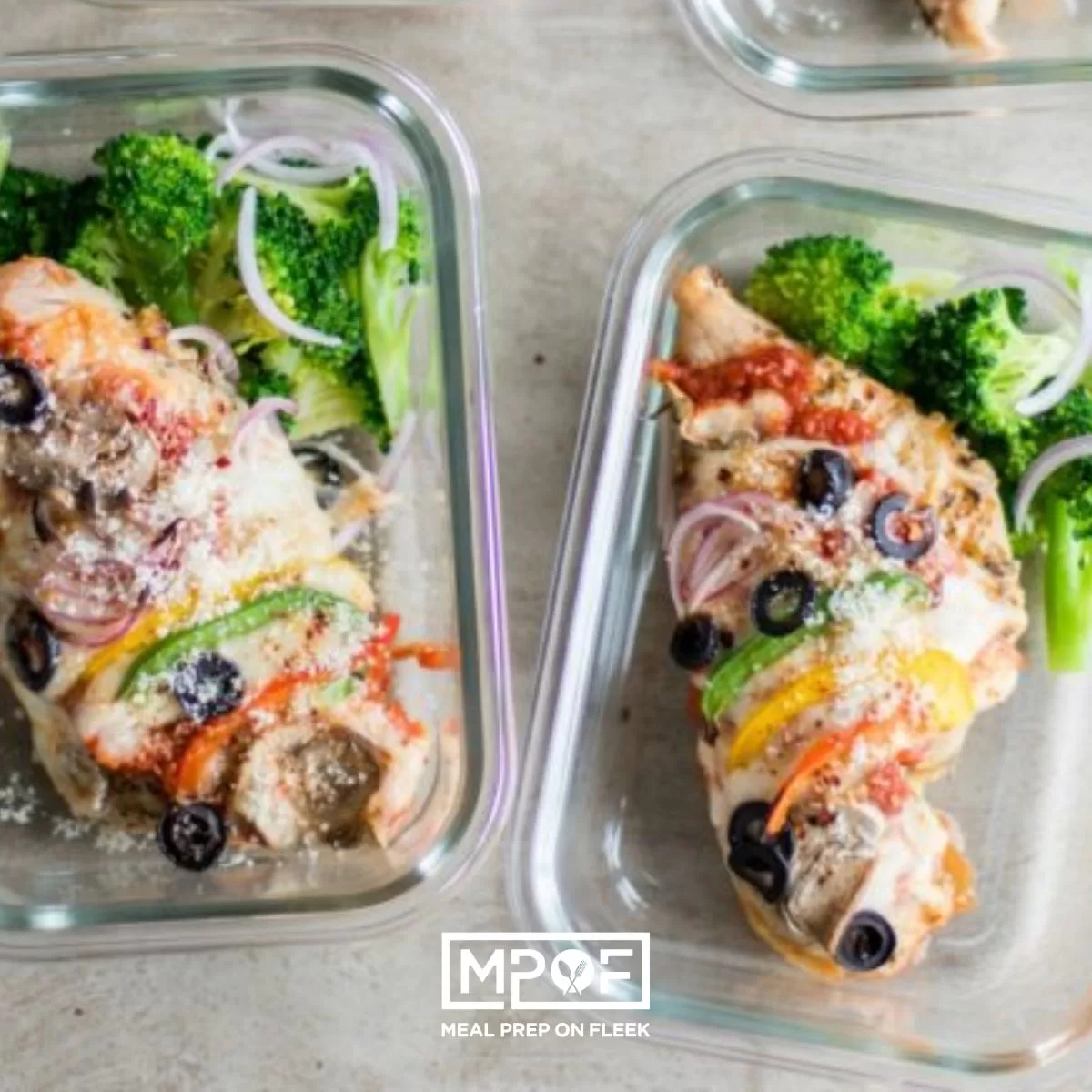
A common pitfall in meal prep is overcomplicating recipes. Simplicity is often the most effective approach. A balanced meal typically consists of a protein source, a carbohydrate, and a vegetable. Elaborate, restaurant-quality recipes are not a prerequisite for successful meal prep. Many of the most efficient and satisfying meal prep options are inherently simple. Examples include:
- Baked chicken or fish: Versatile and easy to prepare in batches.
- Roasted vegetables: A straightforward way to incorporate a variety of nutrient-rich produce.
- Cooked grains: Quinoa, brown rice, or pasta can serve as a base for numerous meals.
- Hard-boiled eggs: A quick and convenient protein source.
- Salads with pre-chopped ingredients: Assembling a salad becomes significantly faster when components are ready.
For those seeking to minimize hands-on cooking time, resources focusing on sheet pan meals or slow cooker recipes can be particularly beneficial. This approach requires a modest investment of planning time upfront, yielding substantial returns in saved time and reduced stress later.
4. Adapting Recipes to Personal Lifestyles
The suitability of a recipe is not solely determined by its healthfulness; it must also align with an individual’s lifestyle and preferences. A recipe that demands extensive preparation time may be impractical for someone with a demanding work schedule. Similarly, forcing oneself to consume foods that cause digestive discomfort, even if deemed "healthy," is counterproductive. Meal prep should complement, not dictate, one’s life. This may involve:
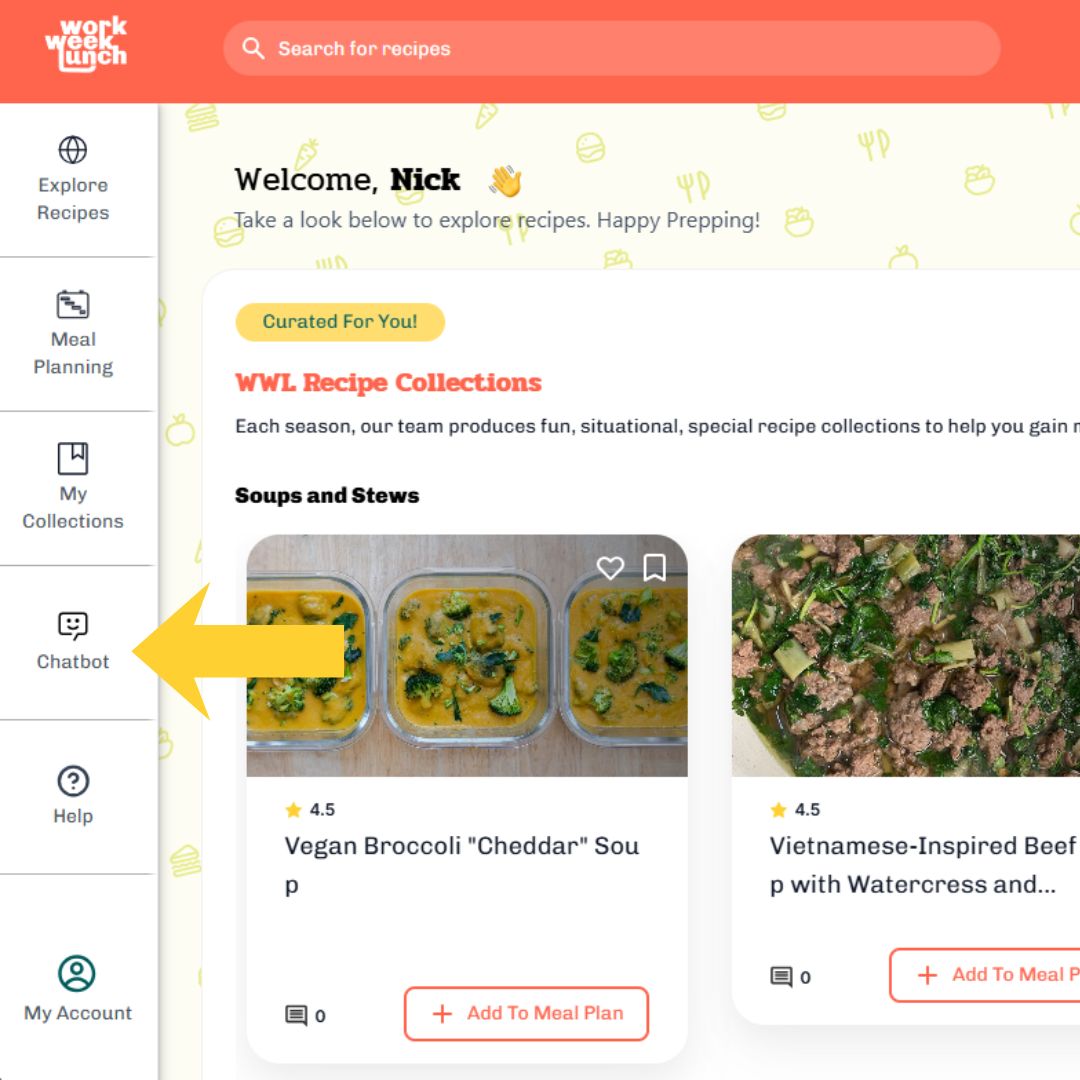
- Simplifying Complex Recipes: Adjusting ingredients or reducing steps.
- Swapping Ingredients: Substituting items that are more readily available or align better with dietary needs.
- Choosing Easier Preparations: Opting for methods like roasting or slow-cooking over intricate techniques.
- Modifying Portions: Preparing smaller quantities if a full week’s worth feels overwhelming.
- Adapting Presentation: Transforming meals into bowls or wraps for easier consumption on the go.
The aim is consistency, not perfection. Flexibility and adaptation are key to sustainable meal prep.
5. Strategic Component Preparation
An often-overlooked but highly effective meal prep strategy involves preparing individual components rather than fully assembled meals. This approach offers flexibility without necessitating a complete start-from-scratch effort each time. Examples of components that can be prepped include:
- Cooked Proteins: Chicken breasts, ground turkey, salmon, tofu, or beans.
- Cooked Grains and Starches: Quinoa, brown rice, sweet potatoes, or pasta.
- Chopped Vegetables: Onions, bell peppers, broccoli florets, or carrots.
- Sauces and Dressings: Homemade vinaigrettes, pesto, or marinades.
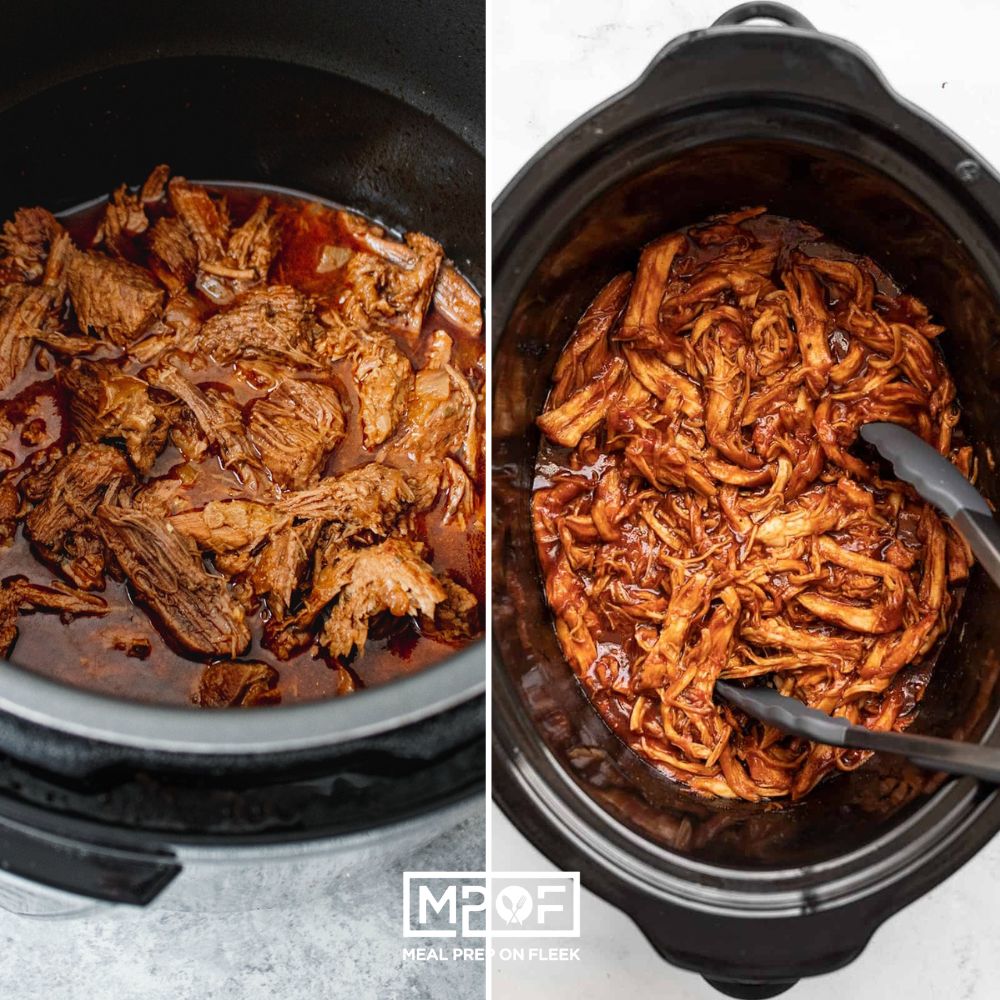
For instance, pre-cooked chicken can be incorporated into rice bowls, salads, wraps, tacos, or served as a simple protein with a side. This provides a range of meal options from a single prepared element, allowing for variety while significantly reducing decision-making. This "structure without feeling trapped" is the sweet spot of effective meal preparation.
Addressing Common Meal Prep Concerns
Does Meal Prep Really Help With Decision Fatigue?
Yes. Meal prep directly combats decision fatigue by centralizing food-related decisions. Instead of facing the question of "What should I eat?" multiple times daily, individuals make these choices once in advance, conserving valuable mental energy for more critical tasks, especially during times of heightened stress or fatigue.
Does Meal Prep Help With Weight Loss?
Meal prep can be a significant asset for weight loss efforts by minimizing impulsive food choices and fostering adherence to dietary goals. While not a magic bullet, planned meals increase the likelihood of consuming appropriate portion sizes and nutrient-dense foods. Tools like macro calculators can further assist individuals in aligning their meal prep with specific weight management objectives.
How Many Days Should I Meal Prep For?
For most individuals, preparing meals for three to four days at a time strikes a balance between freshness and convenience. This approach helps prevent food boredom and ensures ingredients remain at their peak. The emphasis should be on consistent, manageable preparation rather than attempting to prep an entire week at once, which can lead to burnout.
What If I Hate Eating The Same Thing Every Day?
This concern can be addressed by focusing on component preparation. By prepping versatile ingredients like cooked proteins and vegetables, individuals can create a variety of meals throughout the week. For example, pre-cooked chicken can be used in salads, wraps, stir-fries, or pasta dishes, offering diverse culinary experiences from a single preparation effort. Meal prep should empower flexibility, not enforce rigidity.
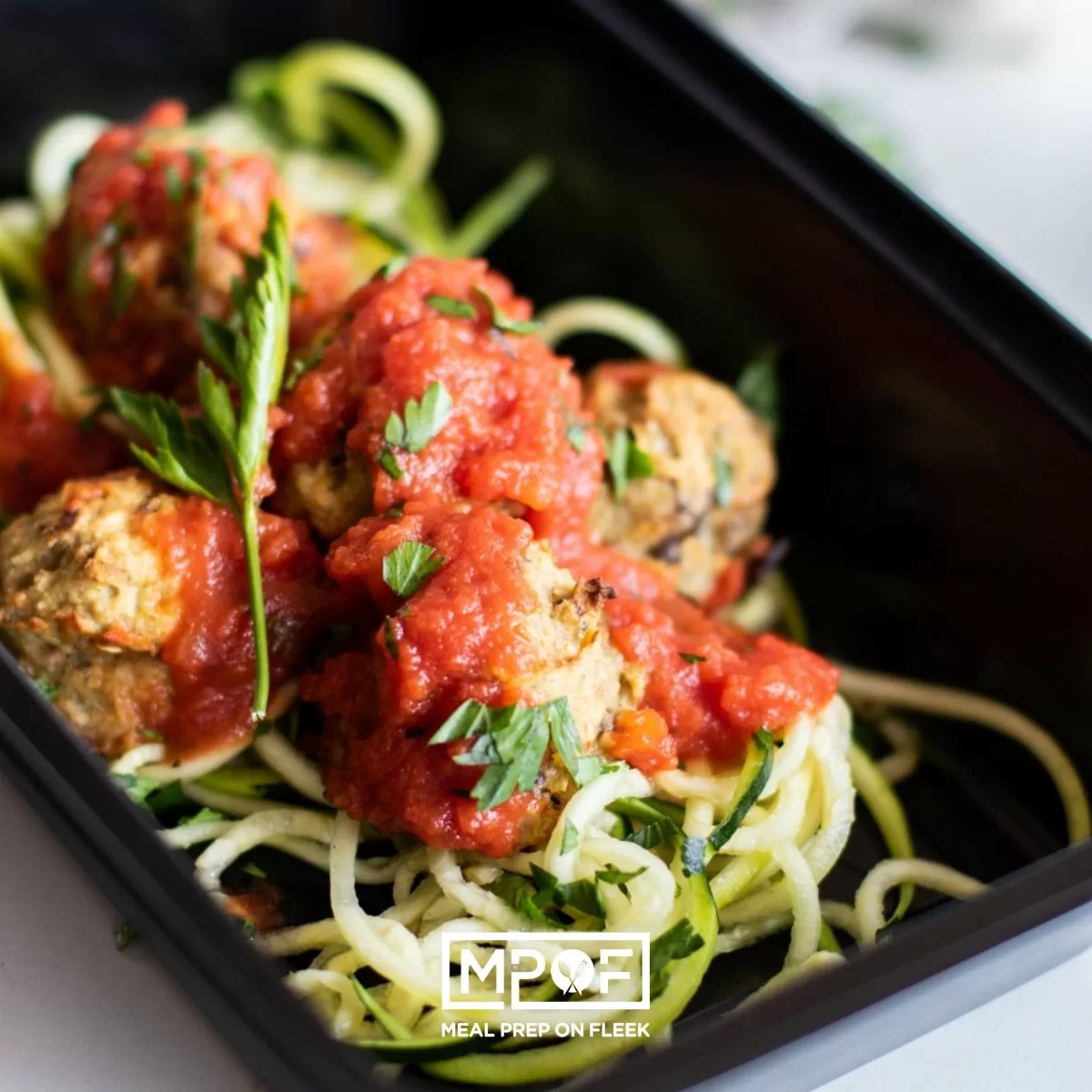
What Is The Best Meal Prep Strategy For Beginners?
Beginners are advised to start by tackling one meal category that presents the greatest challenge. If lunches are consistently problematic, focus on prepping lunches. If dinners are frequently a source of takeout, prioritize preparing dinner components. Addressing the most significant decision-making drain first allows for gradual integration and prevents overwhelming oneself.
How Do I Stay Consistent With Meal Prep?
Consistency is fostered by making the process easier to repeat. This involves selecting simple recipes, maintaining a template for grocery lists, repeating successful meal ideas, and preparing only the quantity realistically needed. Sustainable consistency arises from reducing the number of daily decisions, rather than relying solely on willpower.
What Should I Do When My Meal Prep Plan Falls Apart?
Life inevitably intervenes, and meal prep plans may occasionally falter. Instead of viewing this as a failure, it is more productive to adjust. Utilizing backup meals, freezing prepped portions, or slightly modifying the plan for the following days are all viable strategies. A single missed meal does not negate the overall benefits of consistent meal preparation.
In conclusion, meal preparation transcends mere food assembly; it is a strategic cognitive tool. By proactively addressing meal decisions, individuals can significantly reduce the burden of decision fatigue, leading to healthier eating habits, conserved mental energy, and a greater sense of control over their daily lives. This systematic approach empowers individuals to navigate the complexities of modern living with greater ease and well-being.