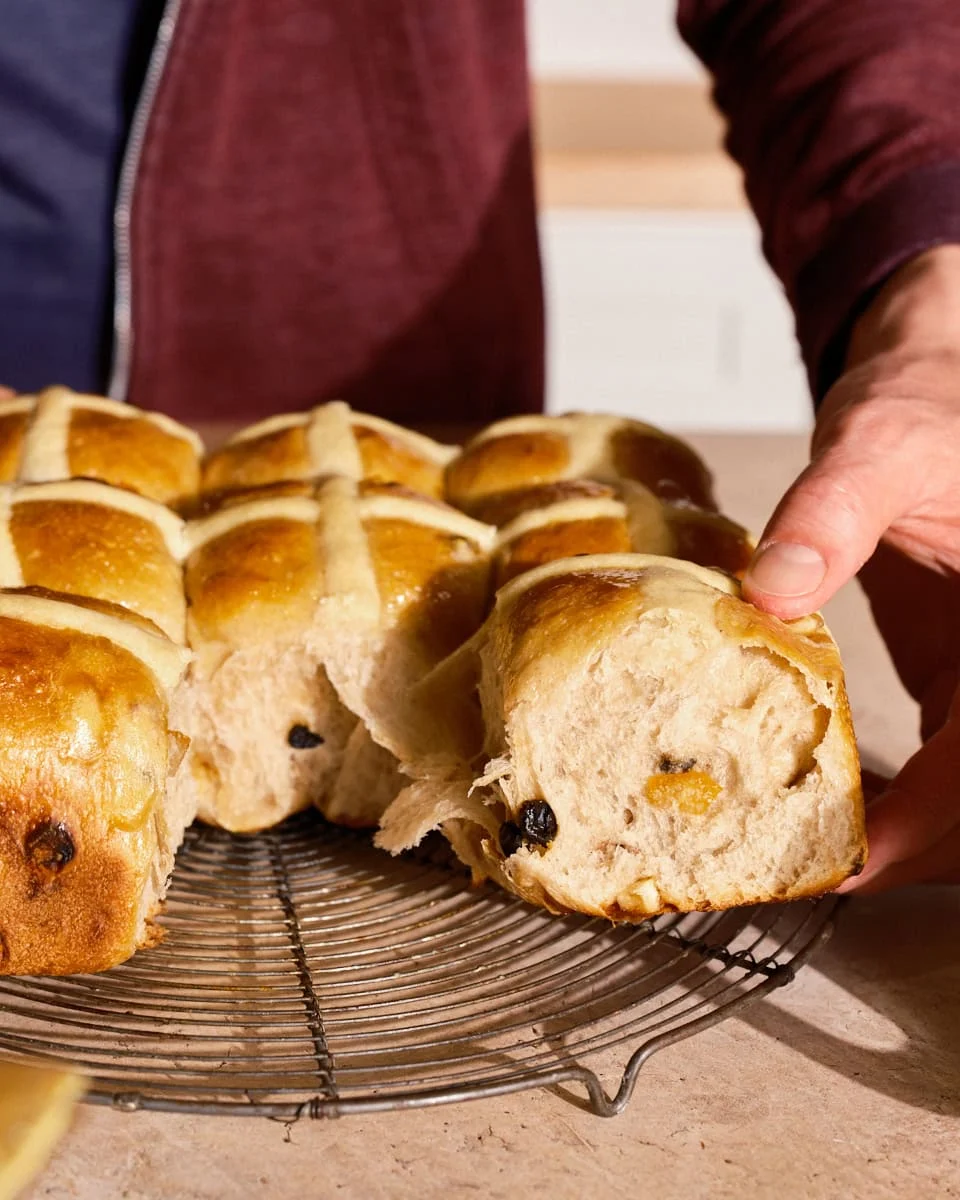

As the first hints of spring emerge and the calendar turns towards Easter, a culinary tradition awakens in kitchens around the world: the hot cross bun. While traditionally savored on Good Friday, these spiced, fruit-filled delights have transcended their singular day of observance, becoming a cherished symbol of the season. This year, however, the humble hot cross bun is experiencing a significant evolution, thanks to an innovative approach that promises unprecedented softness and depth of flavor. This article delves into the groundbreaking recipe for Sourdough Hot Cross Buns, a creation that marries the complex tang of sourdough with the airy tenderness of tangzhong, offering a compelling narrative of culinary refinement and a testament to the enduring appeal of artisanal baking.
The genesis of this elevated hot cross bun recipe can be traced to the esteemed culinary resource, The Perfect Loaf. Adapted from their celebrated cookbook, The Perfect Loaf, the updated formula introduces a critical element: tangzhong. This traditional Chinese cooked flour paste, a staple in achieving exceptionally soft breads, acts as a moisture magnet. By gelatinizing the starch in flour, tangzhong allows the dough to absorb and retain significantly more liquid. The result is a bread that is not only incredibly soft and tender but also stays that way for longer, a welcome departure from the often drier, denser textures of conventional buns.
The incorporation of sourdough starter, rather than solely relying on commercial yeast, further distinguishes this recipe. Sourdough, a natural leavening agent cultivated through a symbiotic culture of wild yeasts and lactic acid bacteria, imparts a subtle yet complex flavor profile. This gentle acidity plays a vital role in balancing the sweetness of the sugar, the richness of the fruit, and the fragrant warmth of the spices. The slow fermentation process inherent to sourdough also contributes to a deeper, more rounded flavor, transforming each bite into a nuanced sensory experience.
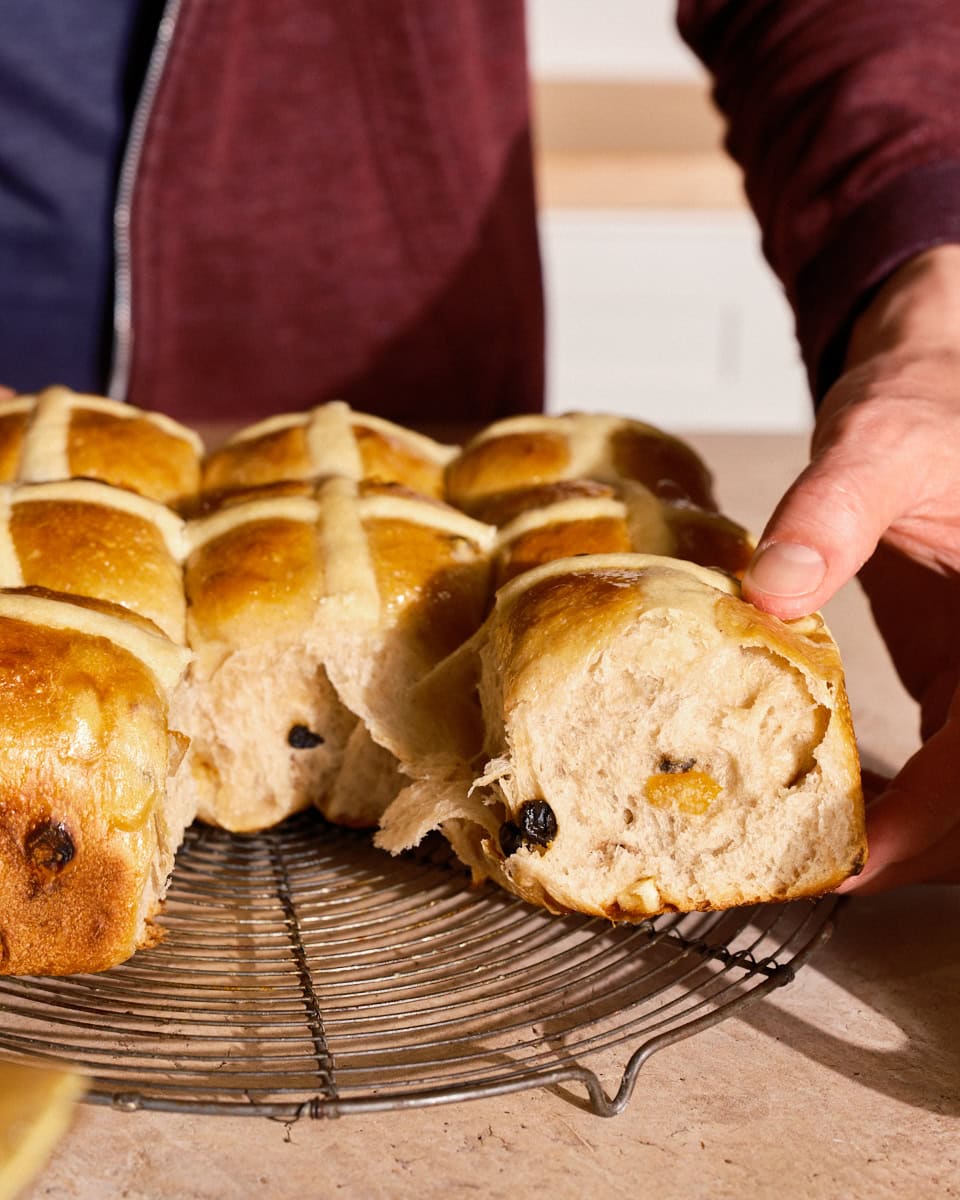
A Deeper Dive into the Sourdough Advantage
The shift towards sourdough in baking is not merely a trend; it represents a return to foundational principles of bread-making, emphasizing natural processes and the development of inherent flavors. Unlike commercial yeast, which rapidly leavens dough for speed, sourdough offers a more profound flavor development. The wild yeasts in a sourdough starter produce carbon dioxide and alcohol, while lactic acid bacteria contribute organic acids, creating a symphony of complex aromas and tastes. This is particularly beneficial in an enriched dough like hot cross buns, where milk, egg, and butter are present. These ingredients, while contributing to richness and tenderness, can also slow down fermentation. A robust sourdough starter, especially when fed with a sweet levain as in this recipe, is adept at managing these richer doughs, ensuring a beautiful rise and a balanced flavor profile. The inclusion of a sweet levain specifically aids in the efficient fermentation of the enriched dough, while also mitigating the potential for excessive sourness, allowing the spices and fruit to shine.
The Tangzhong Technique: A Revolution in Texture
The tangzhong method, a cornerstone of many Asian baking traditions, is a game-changer for achieving that coveted pillowy softness. It involves cooking a small portion of the flour and liquid (typically milk or water) from the recipe into a thick paste. This paste, once cooled and incorporated into the main dough, acts like a sponge, trapping moisture that would otherwise evaporate during baking and storage. This moisture retention is key to the bun’s extended freshness and its characteristic pull-apart texture. For bakers accustomed to traditional enriched doughs, the tangzhong represents a significant leap in achieving a truly luxurious mouthfeel.
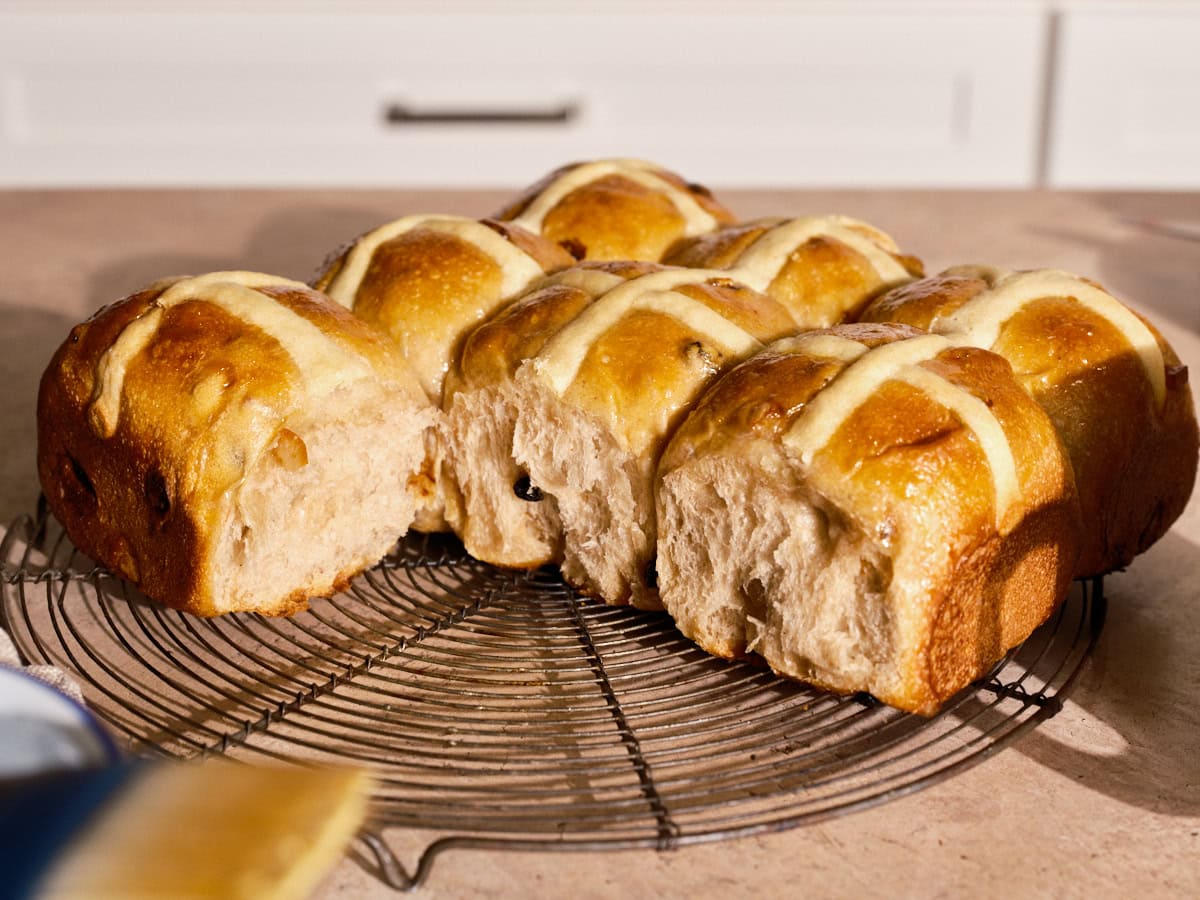
A Detailed Look at the Baking Schedule and Process
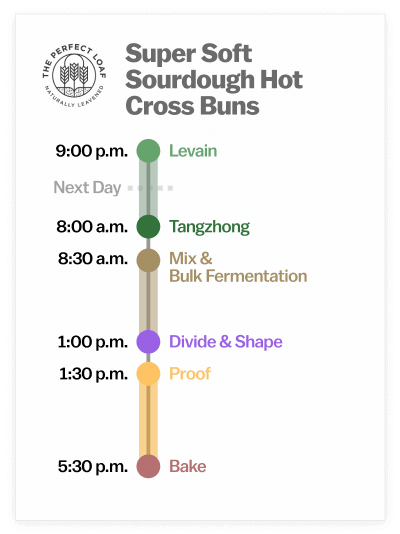
This recipe is designed for a same-day bake, with the exception of the overnight preparation of the levain and, optionally, the fruit soak. This thoughtful scheduling allows for a manageable preparation process, even for those with busy weeknights.
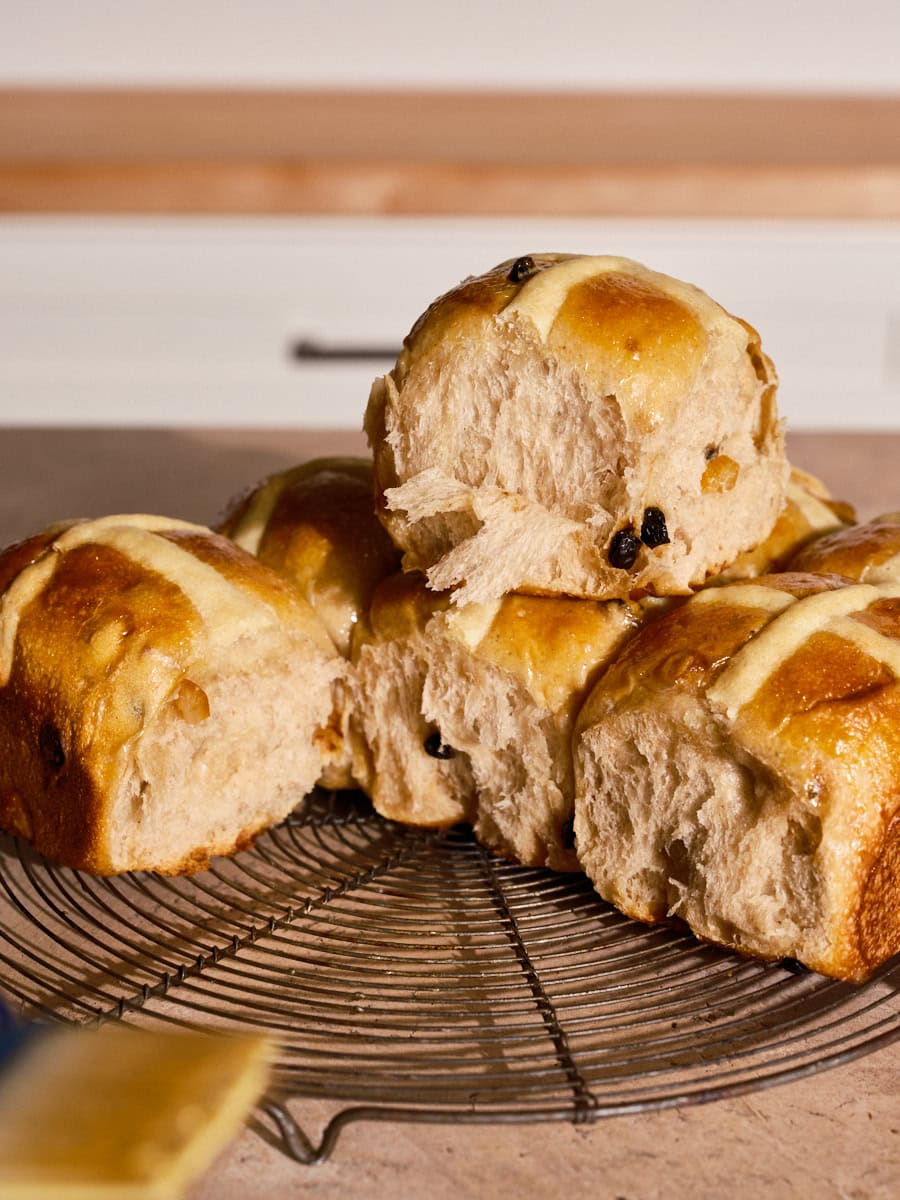
-
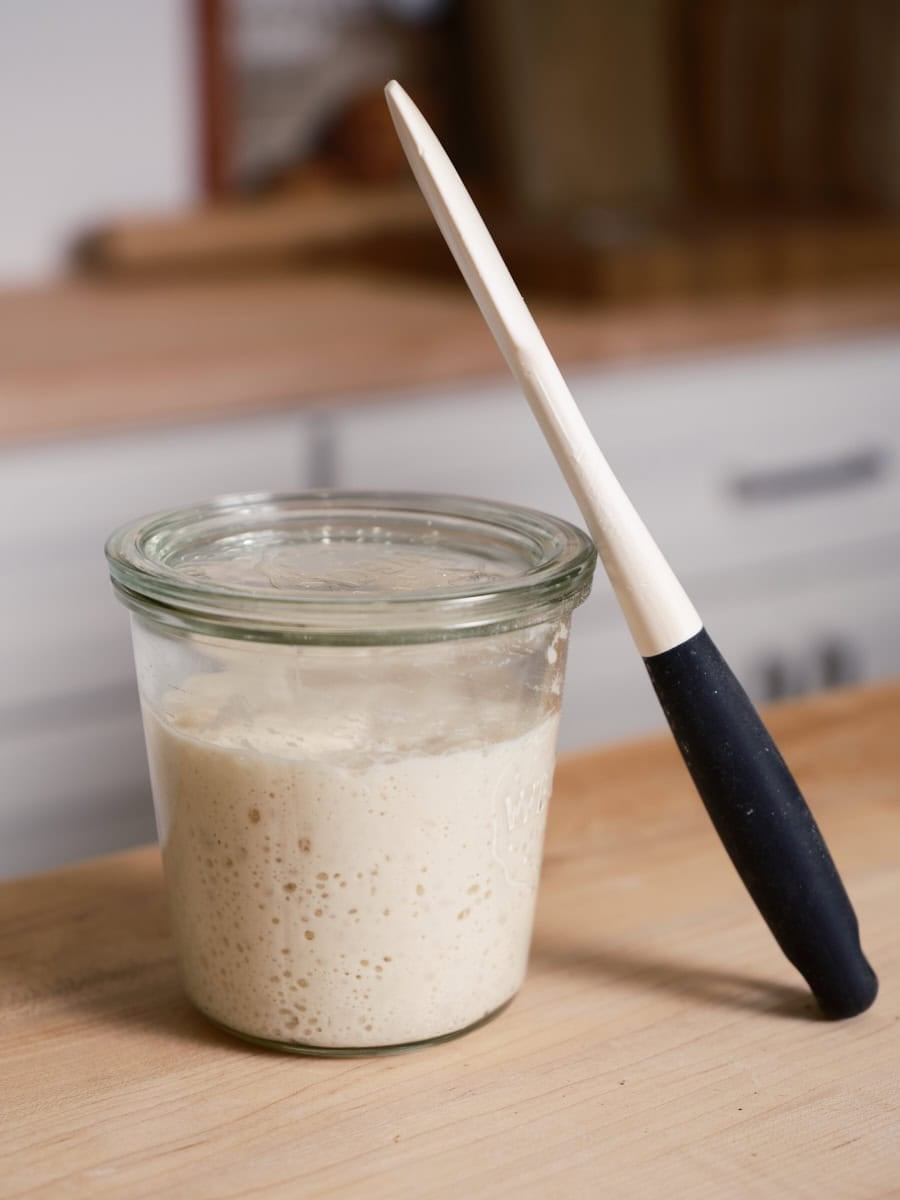
Night Before (Approx. 9:00 PM): The process begins with the preparation of the sweet levain. This involves combining high-protein flour, superfine sugar, water, and ripe sourdough starter. The sugar in the levain is crucial; it provides readily available food for the yeast, accelerating its activity in the rich dough, and helps to moderate the overall sourness of the final product. This mixture is left to ferment for approximately 12 hours in a warm environment, allowing it to develop a significant rise and a bubbly, frothy texture, signaling its readiness. Concurrently, if dried fruits are particularly dry, they can be soaked in water to rehydrate them, ensuring plumpness in the final bun.
-
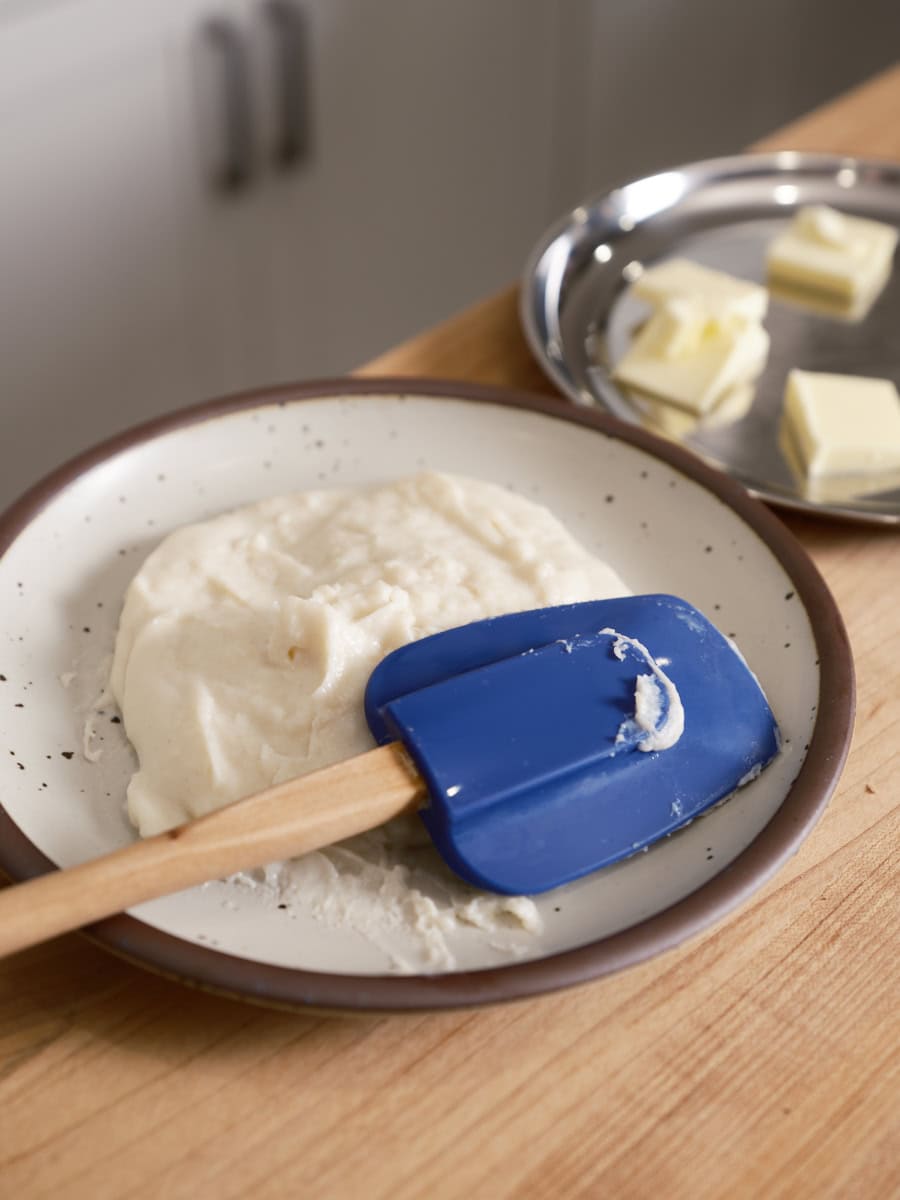
Morning of Baking (Approx. 8:00 AM): The tangzhong is prepared. High-protein flour is whisked with whole milk in a saucepan over medium-low heat, stirring constantly until it thickens into a smooth paste. This paste is then spread on a plate to cool rapidly. Meanwhile, butter is brought to room temperature, cut into pats for easier incorporation.
-
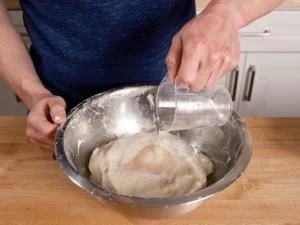
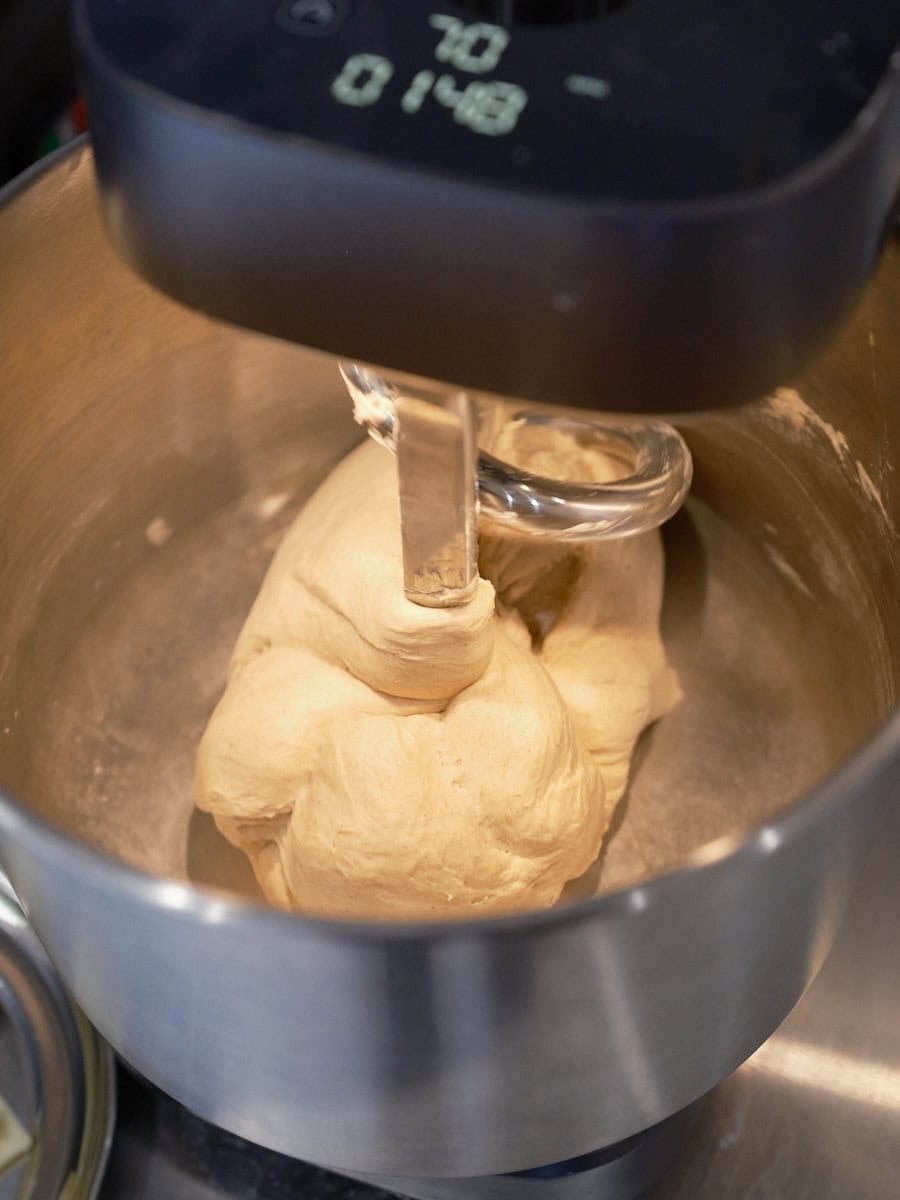
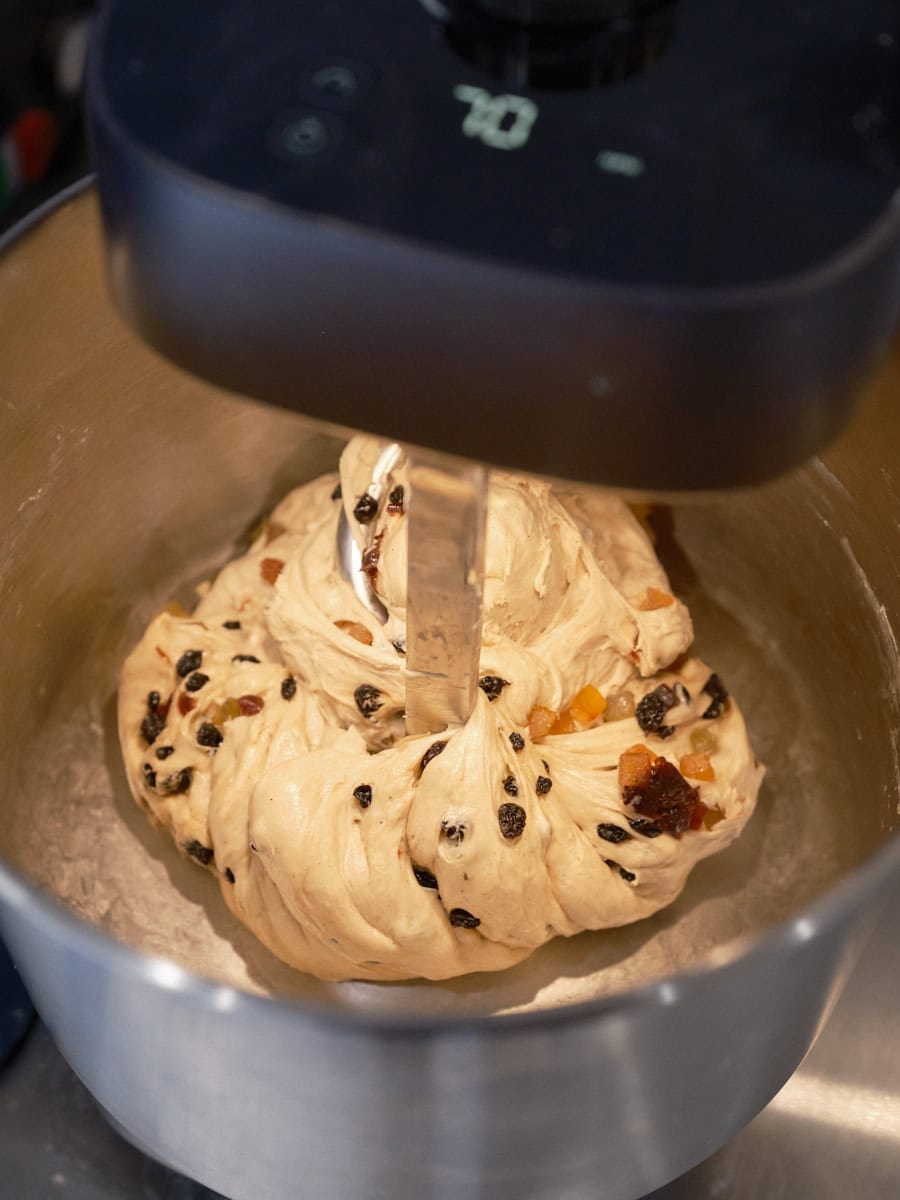
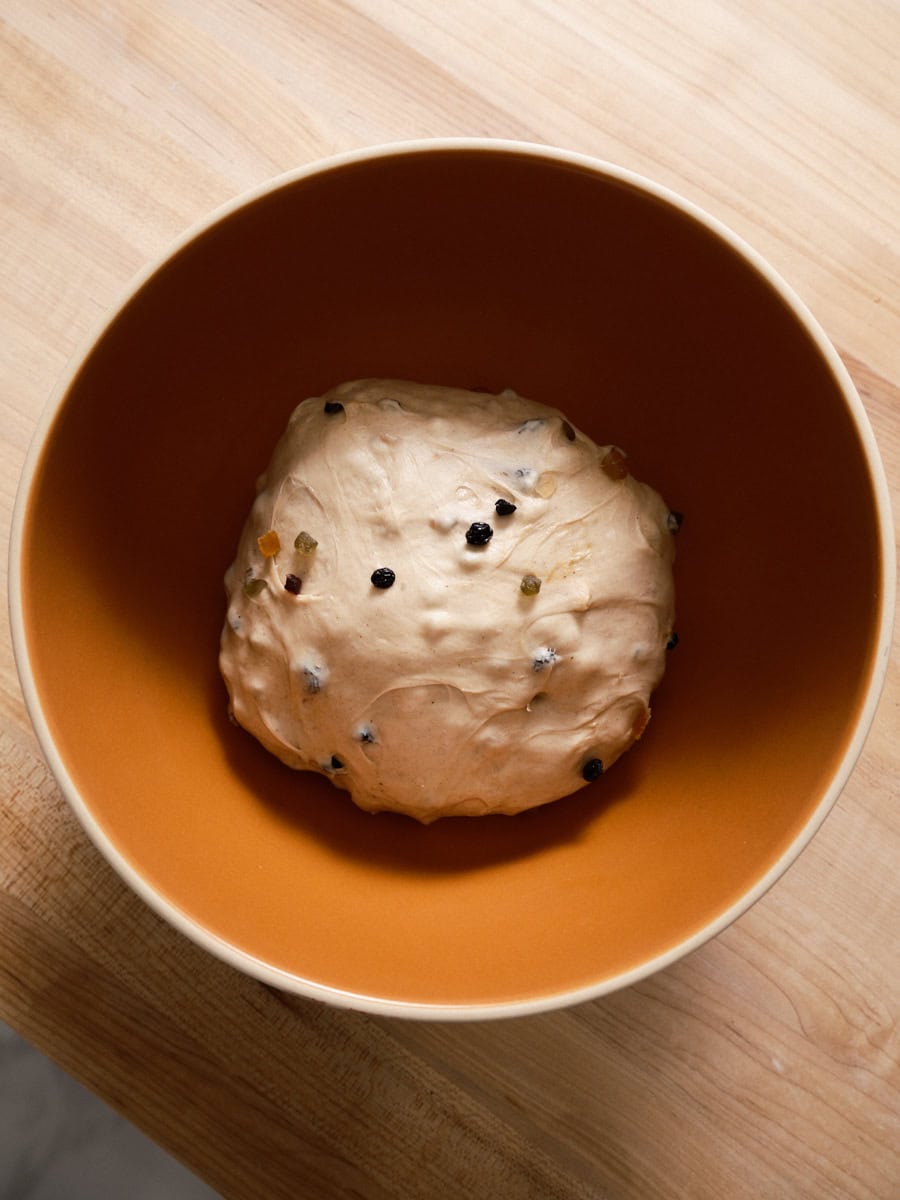
Mixing the Dough (Approx. 8:30 AM): The main dough assembly commences. This enriched dough, containing milk, egg, and butter, benefits significantly from the use of a stand mixer or a spiral mixer for optimal gluten development. The tangzhong, flour, egg, sugar, spices, zest, water, salt, and the prepared levain are combined. The dough is mixed in stages, first to combine, then to develop strength. The addition of butter is a critical step, introduced gradually while the mixer is running on low speed, allowing each pat to be fully absorbed before the next is added. This process ensures the butter is evenly distributed, contributing to the dough’s silky smoothness and elasticity. Finally, the dried fruits and candied peel are mixed in on the slowest speed to ensure even distribution without breaking the dough’s structure. The dough should appear smooth, strong, and capable of passing the windowpane test, indicating well-developed gluten.
-
Bulk Fermentation (Approx. 9:00 AM – 1:00 PM): The dough undergoes a bulk fermentation of approximately four hours at a warm room temperature (74-76°F or 23-24°C). During this period, two sets of gentle stretch-and-folds are performed at 30-minute intervals. These folds build dough strength and aeration. After the final fold, the dough is left to rest and ferment for the remainder of the bulk fermentation time.
-
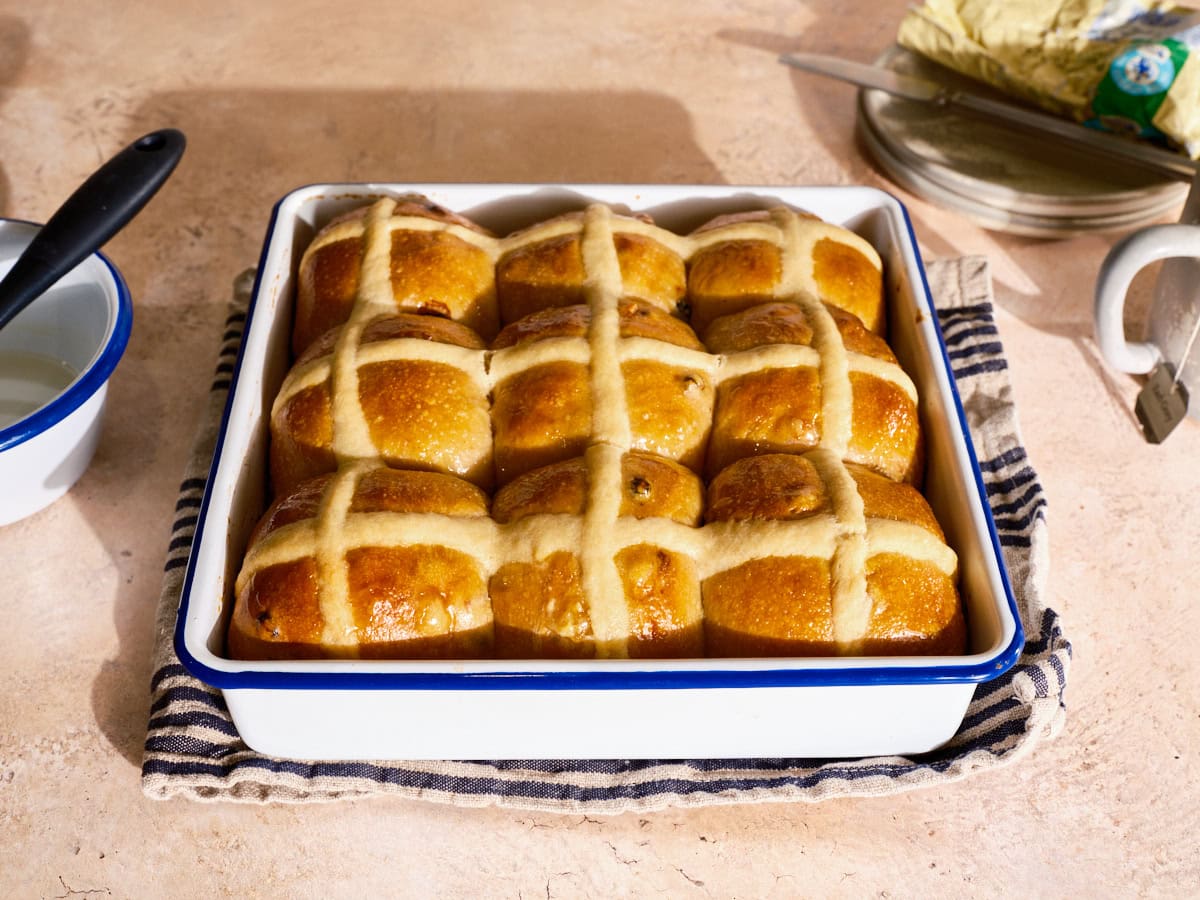
Divide and Shape (Approx. 1:00 PM): The dough, now visibly puffed and airy, is gently turned out onto a lightly floured surface. It is divided into nine equal portions, each weighing approximately 115 grams. Each portion is then shaped into a tight, smooth ball. The buns are placed into a generously buttered 9-inch square baking pan, arranged in a 3×3 grid. This pan choice is deliberate, designed to encourage the buns to bake into each other, promoting a super-soft texture. The pan is then covered to prevent drying.
-
Proofing (Approx. 1:30 PM – 5:30 PM): The shaped buns proof for another four to five hours in a warm place. This is a crucial, slow-moving stage due to the dough’s richness. The buns are ready when they are visibly puffy, soft to the touch, and have risen to just below the rim of the pan. Patience is key here; rushing this stage can compromise the final texture.
-
Baking and Finishing (Approx. 5:30 PM): The oven is preheated to 400°F (200°C). A simple syrup glaze is prepared by boiling equal parts sugar and water until clear. The crosses are made from a simple mixture of flour, water, orange juice, oil, and salt, piped onto the buns after they have been brushed with an egg wash. The buns are baked for 15 minutes at 400°F, then the temperature is reduced to 350°F (175°C) for another 10-15 minutes, until golden brown and cooked through. Upon removal from the oven, the hot buns are immediately brushed with the simple syrup glaze, adding a delicate sheen and sweetness. They are then cooled slightly before serving.
Beyond the Recipe: The Broader Implications
The development of this Sourdough Hot Cross Bun recipe signifies more than just a new way to bake a seasonal treat. It highlights a growing appreciation for traditional baking techniques and the nuanced flavors they produce. The fusion of sourdough’s complex character with the unparalleled softness achieved through tangzhong offers a compelling argument for a more artisanal approach to everyday baking. This recipe serves as an inspiration for home bakers seeking to elevate their craft, demonstrating that with a little patience and the right techniques, extraordinary results are within reach.
Furthermore, the availability of detailed baking schedules and explanations of ingredient roles, as provided by sources like The Perfect Loaf, empowers bakers of all levels to understand the "why" behind each step. This educational component fosters a deeper connection to the baking process and encourages experimentation. The recipe also thoughtfully addresses potential adaptations, such as overnight proofing options and alternative pan choices, catering to diverse lifestyles and preferences.
In a culinary landscape often dominated by speed and convenience, recipes like these serve as a gentle reminder of the rewards of slow food and the inherent satisfaction derived from creating something truly delicious from scratch. The Sourdough Hot Cross Bun, in its tangzhong-enhanced iteration, stands as a beacon of this movement, promising a delightful taste of spring and a testament to the enduring power of well-crafted baking. As the season unfolds, these buns are poised to become a signature of sophisticated home baking, offering a comforting and exquisitely tender bite that encapsulates the spirit of renewal and shared joy.