
Amazon has officially shuttered its much-hyped Amazon Go and Amazon Fresh physical grocery stores, marking a significant retreat from its bold, technology-driven vision for brick-and-mortar retail that was first unveiled nearly a decade ago. The decision, announced by the e-commerce giant, signals a strategic pivot away from its experimental, cashierless store formats and a renewed focus on more conventional retail approaches, including its established Whole Foods Market chain.
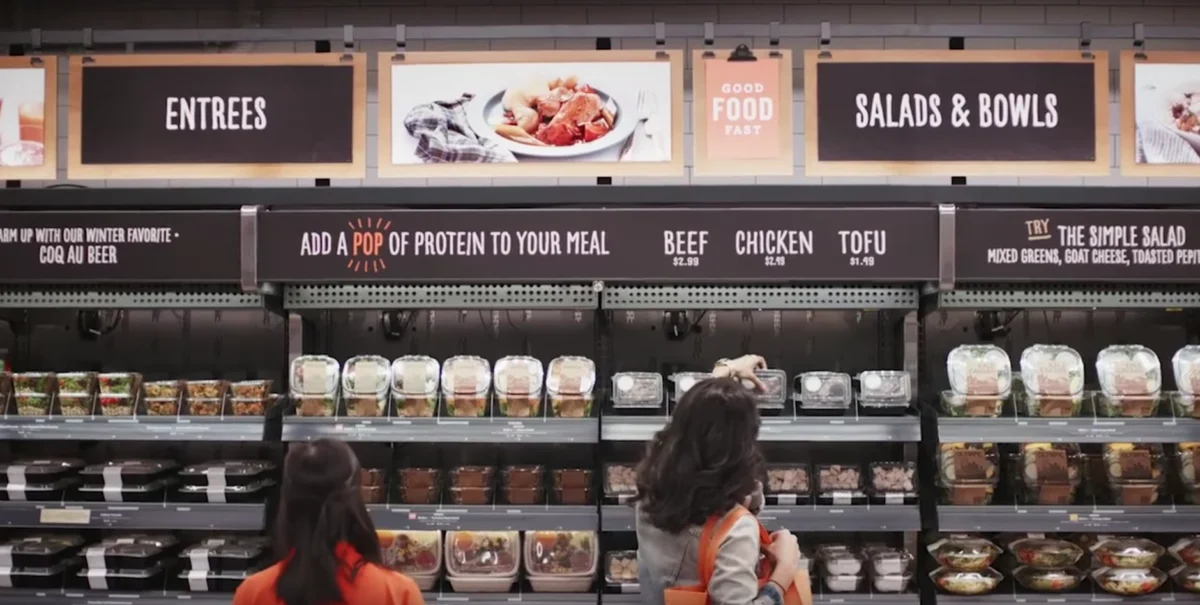
The initiative, which began with considerable fanfare, aimed to revolutionize the grocery shopping experience. Amazon initially projected the opening of as many as 2,000 Amazon Go locations nationwide, exploring up to three distinct store formats. The flagship Amazon Go store, which opened its doors in downtown Seattle in October 2016, was heralded as a glimpse into the future of retail. It offered a futuristic proposition: shoppers could enter, select items, and depart without the need for traditional checkout, with purchases automatically tallied and billed to their Amazon account. This seamless, "just walk out" technology, powered by advanced computer vision and artificial intelligence, was considered groundbreaking at the time.
The Genesis of Amazon Go and its Technological Underpinnings
The concept behind Amazon Go was rooted in the desire to eliminate friction points in the physical shopping experience, most notably the perennial inconvenience of checkout lines. The technology relied on a sophisticated network of cameras, sensors, and deep learning algorithms. These systems were designed to identify shoppers, track items they picked up and returned to shelves, and ultimately, accurately bill them for what they took from the store. This intricate dance of hardware and software aimed to create an effortless shopping journey, freeing consumers from the traditional retail process.
Early demonstrations showcased the technology’s impressive capabilities, generating significant excitement and speculation about its potential to disrupt the entire grocery sector. Amazon’s ambitious rollout plans suggested a widespread adoption of this frictionless model, promising a future where physical retail could rival the convenience of online shopping. However, despite the technological marvel, the concept struggled to gain widespread consumer acceptance and achieve the intended scale of adoption.
Challenges and Consumer Perception
Several factors contributed to the lukewarm reception of Amazon Go stores. While the technology itself was impressive, the actual shopping experience often felt unusual to consumers. The act of leaving a store without a traditional transaction, while technically seamless, could create a sense of unease or even a feeling of doing something illicit, despite being a legitimate and intended process. This psychological hurdle, coupled with potential technical glitches or confusion about the billing process, may have deterred many shoppers from fully embracing the concept.
Furthermore, questions arose regarding the necessity of such a radical departure from established retail norms. While consumers generally appreciate reduced waiting times and a more streamlined experience, the degree to which they were actively seeking to eliminate all forms of transactional interaction at the point of sale remained debatable. The convenience offered by existing self-checkout options, often combined with simple tap-to-pay functionalities, provided a sufficiently efficient alternative for many, without requiring the complete reimagining of the checkout process.
Evolving Retail Technology Landscape
The retail technology landscape has continued to evolve rapidly since the inception of Amazon Go. While fully cashierless stores have not achieved the widespread adoption initially envisioned, the underlying technologies are finding success in different applications. Computer vision and AI are increasingly being integrated into retail environments, but often in ways that enhance, rather than completely replace, existing processes.

Current market trends indicate a strong consumer appetite for solutions that expedite the shopping journey. Systems like Mashgin, which enable rapid scanning and payment of multiple items simultaneously, and smart cart technologies from vendors such as Shopic and Caper, are gaining significant traction. These innovations focus on speeding up the checkout process without creating an unnatural or uncomfortable consumer experience. They offer a more gradual and less disruptive evolution of the in-store transaction, addressing the desire for efficiency while maintaining a familiar retail paradigm.
Amazon’s Continued Investment in Whole Foods and Future Strategy
In its announcement, Amazon emphasized its continued commitment to its Whole Foods Market subsidiary. The company revealed plans to open an additional 100 Whole Foods locations, signaling a strong belief in the brand and its existing store format. It is widely anticipated that Amazon will adopt a more conservative approach to high-tech checkout experiments within Whole Foods stores. The inherent brand identity and customer base of Whole Foods, which often prioritizes natural and organic products and a certain ambiance, may not be a natural fit for the dense integration of cameras and person-recognition technology that characterized Amazon Go. The cultural alignment between the sophisticated, data-intensive technology of Amazon Go and the established brand ethos of Whole Foods has always been a point of consideration.
This strategic shift signifies a broader conclusion for Amazon’s independent retail ventures. The company appears to be consolidating its physical retail presence, largely completing its retreat from internally developed, experimental brick-and-mortar concepts beyond its core grocery holdings. The closure of Amazon Books, Amazon Style, and now Amazon Go and Fresh stores, alongside the continued investment in Whole Foods, illustrates a strategic recalibration. Whole Foods, being an acquisition rather than a homegrown concept, represents a more established and integrated component of Amazon’s retail portfolio.
Data and Market Performance Insights
While specific financial figures for the performance of Amazon Go and Fresh stores have not been extensively disclosed by Amazon, industry analyses and market observations have pointed to challenges in scaling these operations profitably. Reports from market research firms often highlighted lower-than-expected transaction volumes and higher operational costs associated with maintaining the complex technological infrastructure of these stores. For instance, a report by eMarketer in 2022 estimated that while cashierless technology was gaining ground, the fully autonomous "just walk out" model still represented a small fraction of the overall retail technology adoption in the U.S.
The initial projections of thousands of Go stores suggested a belief in a significant market opportunity for cashierless retail. However, the reality of consumer adoption rates and the economic viability of such ventures proved more complex. The investment required for the advanced technology, coupled with the need for extensive physical footprint and associated operational expenses, likely presented a significant hurdle to achieving Amazon’s ambitious growth targets for these formats.
Broader Implications for the Retail Industry
Amazon’s decision to wind down its Go and Fresh store initiatives carries significant implications for the broader retail industry. It suggests that while innovation in retail technology is crucial, the path to widespread adoption must align with consumer preferences, operational feasibility, and economic sustainability. The experience with Amazon Go serves as a case study in the challenges of introducing radical technological shifts without a clear and compelling consumer demand or a robust business model.
The focus is likely to shift towards incremental improvements that enhance the existing retail experience, rather than complete overhauls. Technologies that improve efficiency, provide personalized experiences, and offer greater convenience without disrupting familiar shopping habits are expected to see continued growth. The success of solutions like advanced self-checkout and smart shopping carts indicates a market that is receptive to technology that optimizes, rather than replaces, the core retail interactions.
For other retailers exploring similar technological advancements, Amazon’s retreat offers valuable lessons. It underscores the importance of rigorous consumer research, phased implementation strategies, and a clear understanding of the return on investment for new technologies. The future of retail technology will likely be characterized by a more nuanced and pragmatic approach, balancing innovation with practicality and a deep understanding of consumer behavior. Amazon’s strategic adjustment signals a recognition of these realities, a move towards more proven retail models while continuing to explore technological advancements in a more targeted and integrated manner.