
The Consumer Electronics Show (CES) is a crucible of innovation, a global stage where nascent technologies vie for attention amidst a whirlwind of media and industry professionals. This year, however, the spotlight at CES Unveiled, the pre-show press event, illuminated not just a groundbreaking product, but also a compelling narrative of resilience, unexpected collaboration, and the profound importance of prioritizing health. Scott Heimendinger, the visionary inventor behind the C-200 ultrasonic chef’s knife, found himself unexpectedly absent from the bustling Las Vegas convention center, a situation that could have derailed his meticulously planned launch. Yet, the product, powered by six years of dedicated development and a remarkable act of friendship, captured significant media attention, proving that sometimes, a successful launch doesn’t require the inventor’s physical presence.
A Technological Leap Forward: The C-200 Ultrasonic Chef’s Knife
The C-200 represents a significant advancement in culinary tools, employing high-frequency ultrasonic vibrations to revolutionize the act of cutting. This innovative technology causes the blade to oscillate at an astonishing 40,000 times per second. This rapid oscillation dramatically reduces friction between the blade and food, allowing for smoother, more precise cuts with demonstrably less effort. Heimendinger claims this can reduce the physical force required for slicing by up to 50 percent, a boon for both professional chefs and home cooks seeking to elevate their culinary experience.
Beyond its ultrasonic capabilities, the C-200 is crafted from premium Japanese AUS-10 san mai stainless steel, a material renowned for its durability and edge retention. When the ultrasonic function is disengaged, the knife operates as a high-quality, traditional chef’s knife, offering versatility and reliability. The blade can be re-sharpened using conventional methods, ensuring longevity and ease of maintenance. The product has been made available for presale at $499, with shipping anticipated in January 2026, a timeline that reflects the intricate process of bringing a novel consumer hardware product to market.
The Unforeseen Obstacle: A Health Crisis Intervenes
Heimendinger’s journey to bring the C-200 to fruition has been a protracted and demanding six-year endeavor. This period was characterized by relentless dedication, problem-solving, and the unwavering drive to transform an ambitious idea into a tangible reality. A pivotal element of his launch strategy involved a strong presence at CES Unveiled, a critical event designed to generate buzz and secure valuable media coverage from an estimated 2,000 journalists circulating through the venue over a three-hour period.
However, life intervened with a cruel twist of fate. Heimendinger began experiencing excruciating pain stemming from cervical radiculopathy, a debilitating condition caused by nerve impingement in the neck due to disc issues and bone growth. The severity of his pain escalated to a point where it significantly impacted his quality of life. When an opportunity arose to advance his scheduled surgery by two months in December, he seized it, prioritizing his immediate health over his meticulously crafted launch plans.
This decision was not made lightly. In the months leading up to his surgery, Heimendinger found himself incapacitated, confined to bed and relying on high-dose pain and nerve medication. It was during this challenging period that a candid conversation with his longtime friend, Rand Fishkin, proved pivotal. Fishkin, a prominent figure in the marketing and business world, expressed deep concern over Heimendinger’s well-being.
"I was laid up in bed, and all I could do was take out a laptop, totally just drowned in high-dose pain and nerve meds and stuff, and Rand and I had a little video chat," Heimendinger recounted in a recent interview. "And (Rand) basically threatened to speak at my early funeral if I didn’t take better care of myself. Like, actually focus on my health."
This stark warning, delivered with genuine concern, resonated deeply with Heimendinger. The inventor, accustomed to a "power-through" mentality cultivated over years of entrepreneurial challenges, recognized the necessity of recalibrating his approach. "That’s a hard thing for me to do," he admitted. "I’ve kind of been in power-through mode forever, right? Like my whole life, it’s just like, ‘Oh, what do you do? You power through.’" Ultimately, he conceded that his friend’s counsel was sound and began to make arrangements for his small team – a single marketing lead and a part-time PR representative – to manage the CES Unveiled booth in his stead. The prospect of missing such a crucial event, the first opportunity for many journalists to experience the knife firsthand since its online unveiling in the fall, weighed heavily on him. He understood the potential for a small team to be overwhelmed by the sheer volume of media attendees at such a high-profile event.
An Act of Friendship: Stepping In When It Matters Most
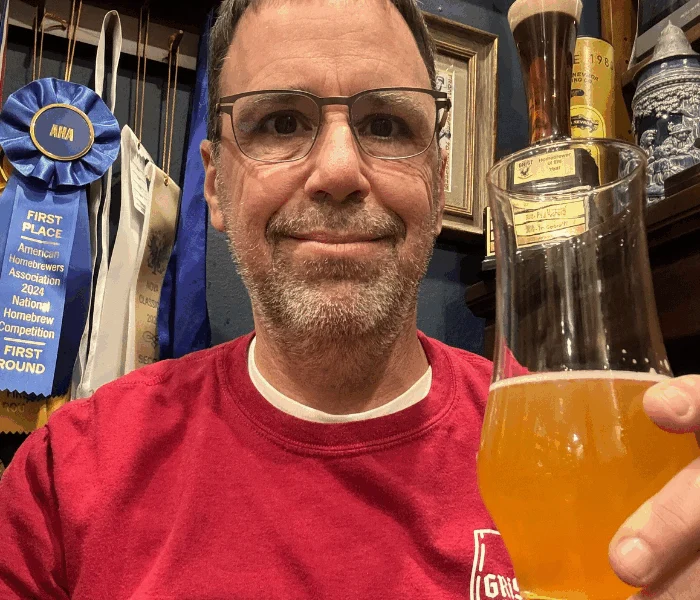
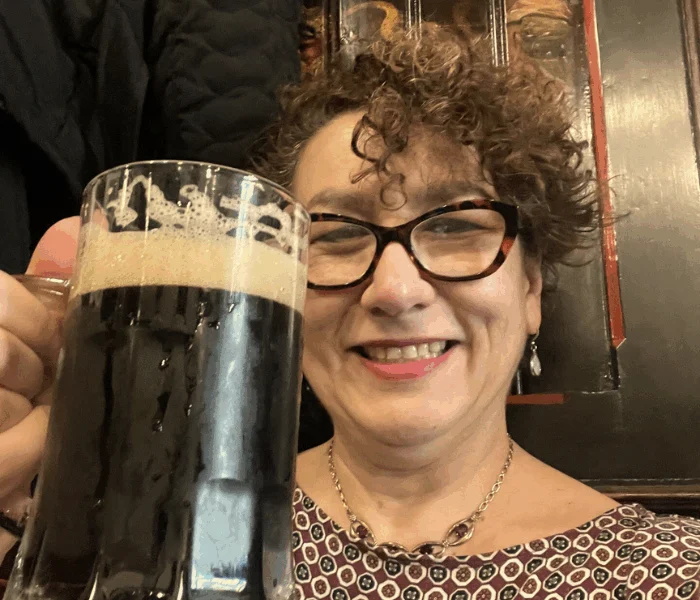
The emotional toll of potentially missing his product’s significant debut was palpable. When Heimendinger expressed his disappointment to Fishkin, the marketing strategist offered an unexpected and profound solution: he and his wife, Geraldine DeRuiter, would attend CES Unveiled on his behalf.

Initially, Heimendinger’s instinct was to politely decline, a habitual response ingrained by years of self-reliance. However, he recalled his recent commitment to accepting help when offered. "And, you know, normally I would just say, like, ‘Oh, that’s so nice of you guys, thanks so much, but no, it’ll be fine,’" Heimendinger explained. "But I said, I’m going to try something new and try accepting a little more help when it’s offered. And I said, ‘Actually, if you’re serious, that would be incredible.’"
The choice of Fishkin and DeRuiter was not arbitrary. Fishkin, as Heimendinger’s first investor and the sole board member of his company, possessed an intimate understanding of the C-200’s development, its technical merits, and its compelling backstory. Furthermore, his reputation as a skilled marketer, known for creating viral content that explains complex technological and business trends, made him an ideal advocate. Geraldine DeRuiter, a published author with a strong background in communication and storytelling, brought complementary expertise, ensuring the product’s narrative would be conveyed with clarity and impact.
"So they’re well-versed in how to talk about the knife and can do so authentically," Heimendinger noted. "And so I said yes and accepted their help, and they were serious and made good on it."
CES Unveiled: A Product’s Triumph, An Inventor’s Quiet Victory
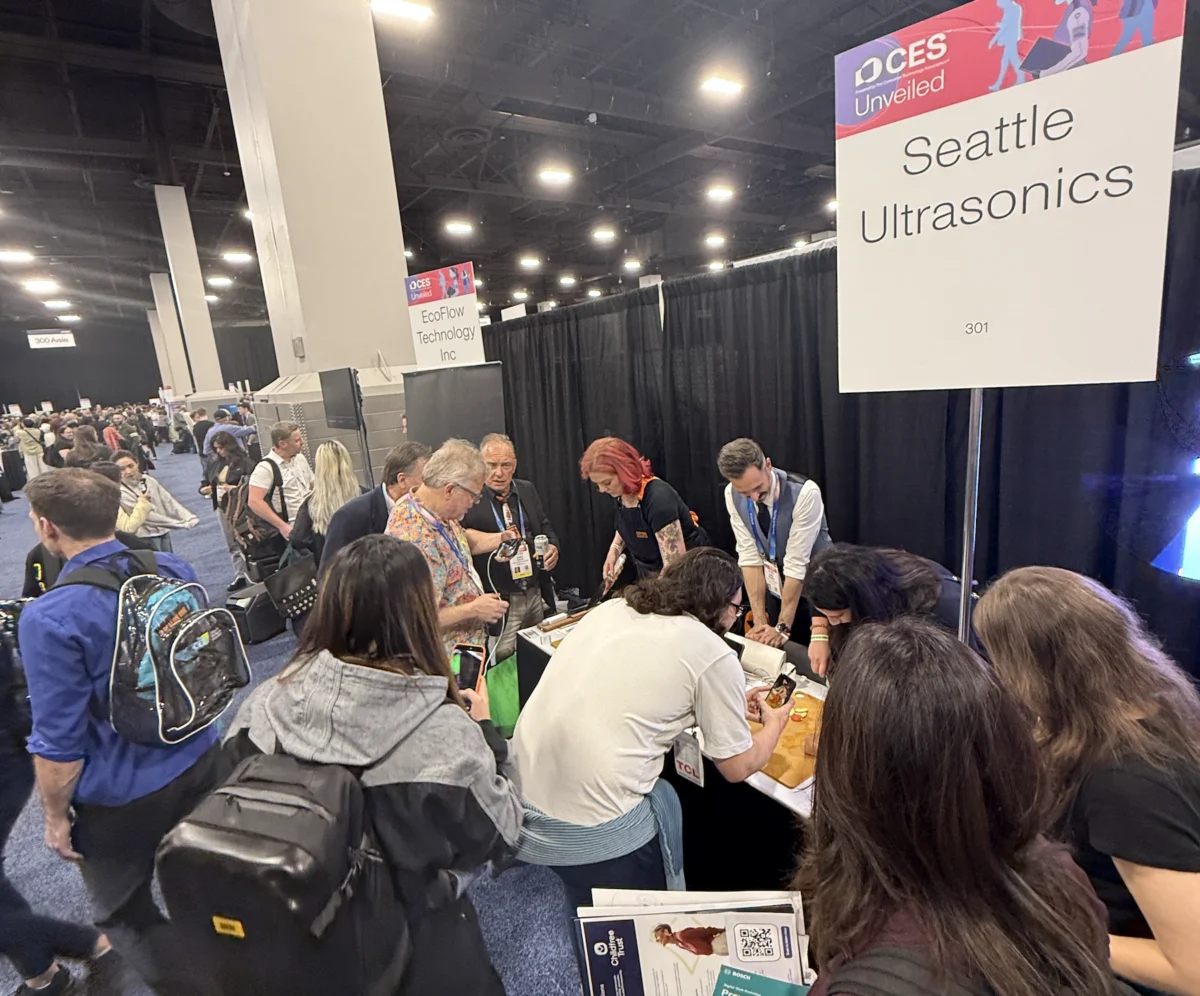
Despite his physical absence, the C-200 ultrasonic chef’s knife generated significant positive attention at CES Unveiled. The media coverage, anticipated by Heimendinger, materialized quickly, with outlets such as The Verge and Mashable featuring the innovative culinary tool. Journalists were reportedly drawn to the booth, eager to experience the knife’s unique capabilities firsthand. The presence of Fishkin and DeRuiter, armed with their deep knowledge and communication skills, ensured that the product’s story was effectively communicated, fostering genuine interest and enthusiasm.
This successful media outreach directly contributed to the long-tail coverage Heimendinger had strategically aimed for, demonstrating that even without the inventor’s direct presence, a well-supported product can command attention and resonate with the press. The event served as a testament to the strength of Heimendinger’s product vision and the power of his support network.
The Broader Implications: Health, Collaboration, and the Future of Innovation
The narrative surrounding the C-200’s launch at CES transcends the typical product announcement. It highlights a critical, yet often overlooked, aspect of entrepreneurship: the paramount importance of personal health. Heimendinger’s experience underscores the reality that even the most dedicated innovators are susceptible to physical limitations, and that prioritizing well-being is not a sign of weakness, but a prerequisite for sustained success.
The willingness of Rand Fishkin and Geraldine DeRuiter to step in speaks volumes about the power of genuine collaboration and friendship. In the often-competitive landscape of technology and business, their selfless act provides a powerful example of how mutual support can overcome significant challenges. Their successful representation of Heimendinger’s product at CES also suggests a potential model for founders who may face unforeseen circumstances, emphasizing the value of building a robust and trustworthy network of advisors and collaborators.
From a broader perspective, Heimendinger’s story offers valuable insights into the evolving nature of product launches. While in-person presence has traditionally been a cornerstone of major industry events, the C-200’s success at CES Unveiled, despite the inventor’s absence, indicates that a strong product, a compelling narrative, and a capable support team can achieve significant impact through alternative means. This could have implications for how companies approach future launches, particularly in situations where logistical or personal challenges arise.
The C-200 ultrasonic chef’s knife, a product born from six years of relentless innovation, has not only pushed the boundaries of culinary technology but has also provided a profound lesson in human resilience, the strength of relationships, and the strategic wisdom of prioritizing health. Scott Heimendinger’s unseen triumph at CES serves as a powerful reminder that even when the inventor isn’t at the forefront, their vision, supported by trusted allies, can still achieve remarkable success.