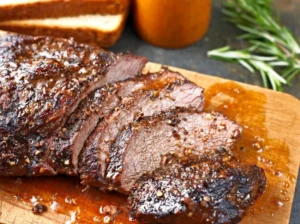

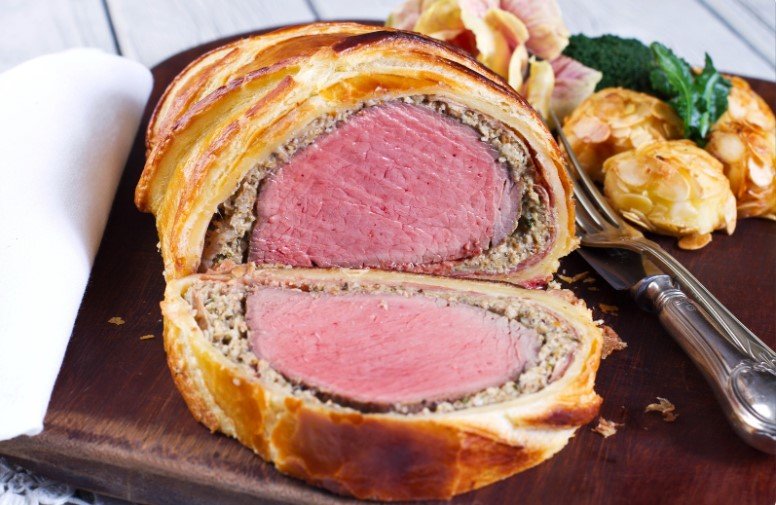
The creation of a Beef Wellington is a culinary undertaking that demands precision, patience, and a commitment to achieving a truly exceptional dish. For many home cooks, the process of preparing this iconic centerpiece, with its delicate layers of pastry encasing tender beef fillet, savory duxelles, and often a rich pâté, is an achievement in itself. Once this masterpiece is ready to grace the table, the crucial question arises: what accompaniments will elevate, rather than overwhelm, its inherent richness and complexity? This article explores a curated selection of sauces and side dishes designed to complement the indulgence of Beef Wellington, drawing on classic flavor pairings and practical considerations for the home chef.
The journey to a perfect Beef Wellington often begins with a deep dive into techniques and ingredients. The dish, famously popularized by figures like Gordon Ramsay, represents a pinnacle of classic French cuisine, adapted and refined over time. Its origins can be traced back to the 19th century, with various theories attributing its creation to chefs seeking to honor the Duke of Wellington after his victory at the Battle of Waterloo. Regardless of its precise genesis, the Beef Wellington has become synonymous with celebratory meals and sophisticated dining. The intricate preparation, involving searing the beef, preparing a mushroom duxelles (a finely minced mushroom mixture), encasing it in prosciutto or pâté, wrapping it in puff pastry, and finally baking it to a perfect medium-rare, requires significant time and attention. This is precisely why the accompanying sauces and sides are not afterthoughts, but rather integral components of the overall dining experience, designed to harmonize with the dish’s robust flavors and textures without adding undue stress to the preparation process.
Elevating the Plate: Sauces to Complement Beef Wellington
When a dish as profound as Beef Wellington is presented, the sauce serves as a bridge, connecting the rich, savory notes of the beef and pastry with nuanced layers of flavor. The ideal sauce should enhance, not overpower, allowing the star of the meal to shine.
The Timeless Elegance of Red Wine Reduction Sauce
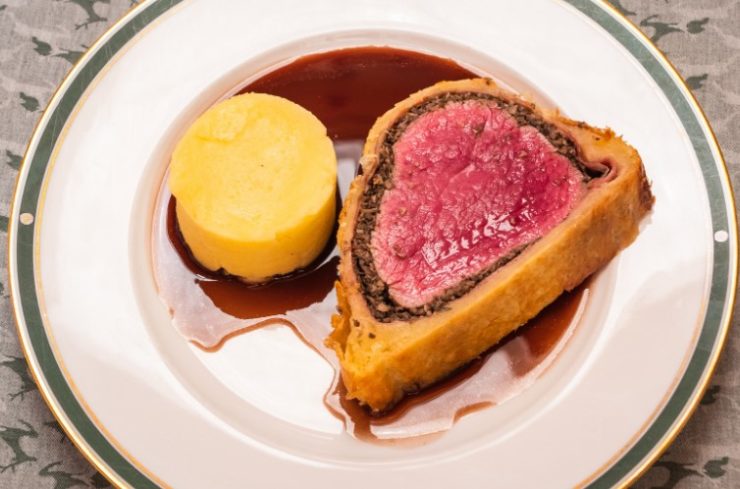
A classic red wine reduction sauce is perhaps the most quintessential pairing for Beef Wellington. This sophisticated sauce, a staple in fine dining establishments, draws its depth from the reduction of red wine, often fortified with beef stock and infused with aromatic ingredients. The philosophy behind this pairing is simple: the bold, tannic notes of a well-chosen red wine cut through the richness of the beef and the buttery pastry, while its inherent fruity and earthy undertones echo the flavors found within the mushroom duxelles.
Gordon Ramsay’s endorsement of this sauce for his Beef Wellington at Hell’s Kitchen underscores its proven ability to deliver a powerful flavor profile. The typical preparation involves simmering red wine, often a Cabernet Sauvignon or Merlot, with finely minced shallots, garlic, fresh thyme, and a touch of balsamic vinegar. As the liquid reduces, it intensifies, creating a glossy, concentrated essence. The inclusion of beef stock further enriches the sauce, providing a robust foundation that stands up to the substantial nature of the Wellington. This sauce can typically be prepared in under ten minutes, making it an ideal candidate for the crucial resting period of the Beef Wellington, allowing the chef to focus on final plating without feeling rushed.
Pro-Tip: For those who prefer to avoid wine or find themselves without it, a direct substitution of an equal volume of high-quality beef stock can yield a delicious result. While it will alter the flavor profile slightly by removing the wine’s inherent acidity and fruit notes, the core savory depth will remain, still offering a worthy accompaniment.
The Earthy Embrace of Creamy Mushroom Sauce
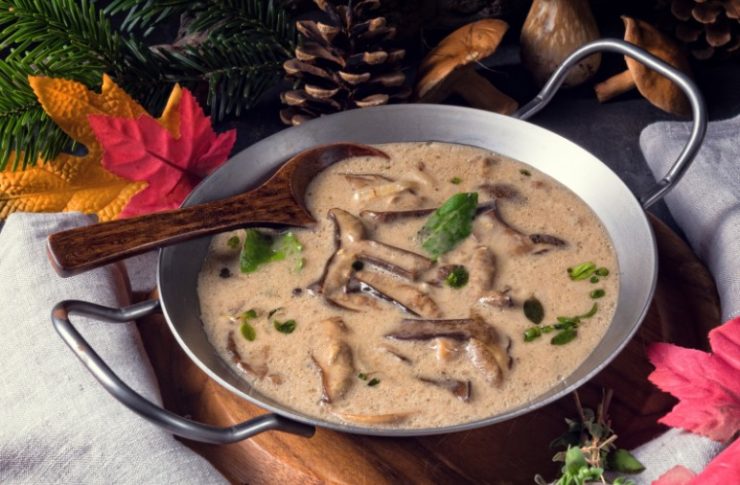
Given that a finely minced mushroom duxelles is a fundamental component of most Beef Wellington recipes, a creamy mushroom sauce offers a harmonious extension of these foundational flavors. This approach amplifies the earthy, umami notes that are already present, creating a richer, more integrated culinary experience. The beauty of a mushroom sauce lies in its versatility and its ability to be prepared with minimal ingredients, often using pantry staples.
The magic of this sauce often comes from building upon the existing flavor profile of the Wellington. Cream, a staple for achieving a luxurious texture, provides a velvety backdrop for the sautéed mushrooms. Garlic, shallots, and herbs like thyme or rosemary are common additions, further enhancing the savory depth. A splash of white wine, if available, can add a delicate acidity, while a hint of soy sauce can introduce an unexpected layer of umami complexity. The simplicity of this sauce means it can be whipped up in minutes, allowing for spontaneous flavor additions based on what is available in the kitchen. A fresh clove of garlic, a stray herb, or a forgotten half-bottle of wine can all be incorporated to elevate its character.

Pro-Tip: If soy sauce is not on hand, a small amount of balsamic vinegar can offer a similar depth and tang. In the absence of thyme, a variety of other dried or fresh herbs, such as rosemary, parsley, or even a pinch of sage, can effectively substitute, demonstrating the adaptable nature of this comforting sauce.
The Bold Allure of Decadent Peppercorn Sauce
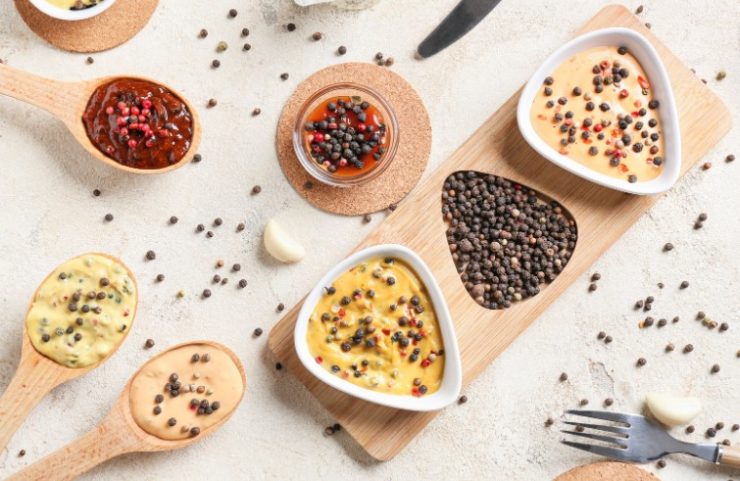
For those who appreciate a more assertive flavor profile, a decadent peppercorn sauce provides a thrilling counterpoint to the richness of Beef Wellington. This sauce is characterized by its luxurious texture, derived from heavy cream, and its distinctive bite, courtesy of cracked peppercorns. The combination of these elements creates a sauce that is both comforting and invigorating, capable of holding its own against the substantial flavors of the main dish.
The foundation of a classic peppercorn sauce typically includes sautéed shallots and garlic, softened in butter to release their aromatic oils. Beef stock is then added, providing a savory base that is simmered and reduced. The star ingredient, of course, is the peppercorn, often a mix of black and green peppercorns, freshly cracked to release their pungent oils. Heavy cream is introduced to temper the spice and create a rich, velvety consistency. A dash of Worcestershire sauce often adds a final layer of umami depth. The result is a sauce that is simultaneously smooth and powerfully flavored, with a lingering warmth from the peppercorns. Its creamy texture ensures it coats the Beef Wellington beautifully, while the spice provides an exciting contrast.
Pro-Tip: This sauce is exceptionally versatile and pairs beautifully with a variety of side dishes. If planning to serve it with French green beans, as suggested later, the shared use of shallots can simplify ingredient management and create a cohesive flavor profile across the plate. The sauce’s rich texture and flavor make it an excellent topping for both the Wellington and the green beans.
Complementary Companions: Five Effortless Sides for Beef Wellington
Beyond the sauce, the choice of side dishes plays a pivotal role in crafting a balanced and satisfying meal. The ideal sides should offer textural variety, complementary flavors, and, crucially, be relatively simple to prepare, especially after the meticulous efforts involved in creating the Beef Wellington.
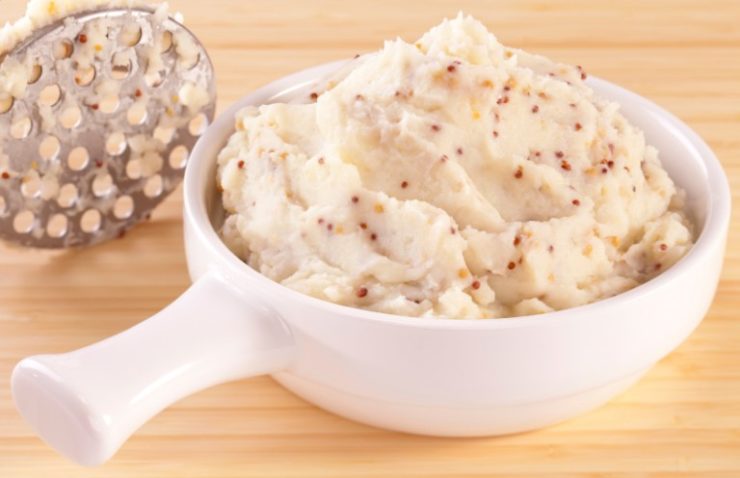
Whole Grain Mustard Mashed Potatoes
Mashed potatoes are a perennial favorite alongside roast meats, and this variation elevates the classic with a sophisticated twist. Dijon mustard is often a subtle, yet crucial, ingredient in the preparation of Beef Wellington itself, typically within the duxelles or as a marinade for the beef. Incorporating whole grain mustard into mashed potatoes allows for a delightful carry-over of this distinct flavor, creating a cohesive flavor narrative across the entire meal.
This recipe is celebrated for its ease of preparation and its significant flavor payoff. Often a one-pot wonder, these mashed potatoes can be made ahead of time and then gently reheated with a touch of butter and cream before serving, minimizing last-minute kitchen stress. The whole grain mustard adds a pleasant textural contrast and a tangy sharpness that cuts through the richness of the Wellington without being overpowering.
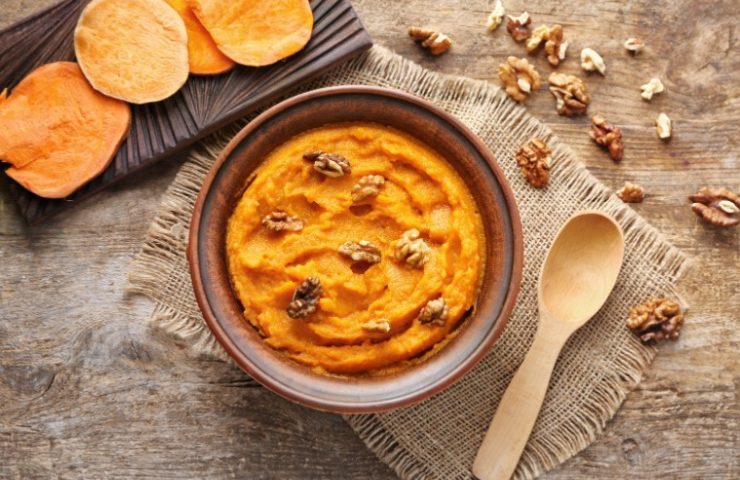
Roasted Garlic Mashed Sweet Potatoes & Carrots
While mashed potatoes offer a comforting familiarity, a sweet potato and carrot mash presents a vibrant alternative, introducing a touch of natural sweetness and a beautiful, smooth texture. The addition of roasted garlic imparts a deep, mellow sweetness and a complex aroma that complements the earthy notes of the Wellington. Pureed carrots add a subtle sweetness and a vibrant color, enhancing the dish’s visual appeal.
This side dish strikes a delicate balance: it is flavorful enough to be interesting and satisfying but not so assertive that it competes with the main course. The smooth, velvety consistency of the mashed vegetables provides a perfect vehicle for any of the accompanying sauces, creating a harmonious blend of flavors and textures on the palate. The preparation, while requiring a bit more effort than simple mashed potatoes, is still straightforward and yields an impressive result.
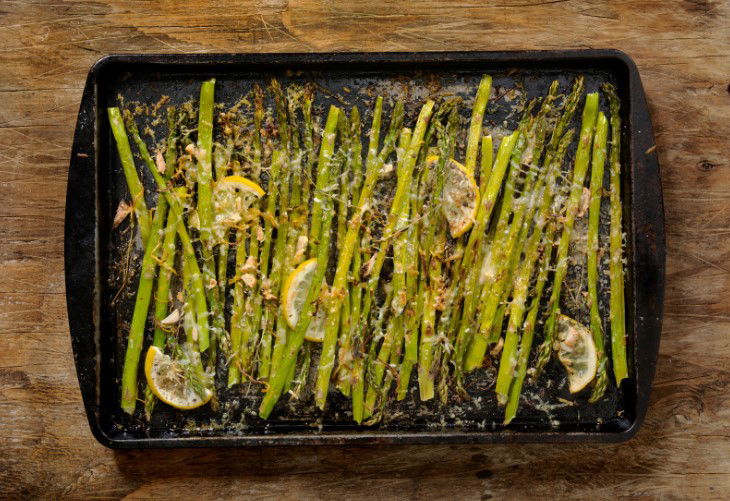
Baked Asparagus with Parmesan
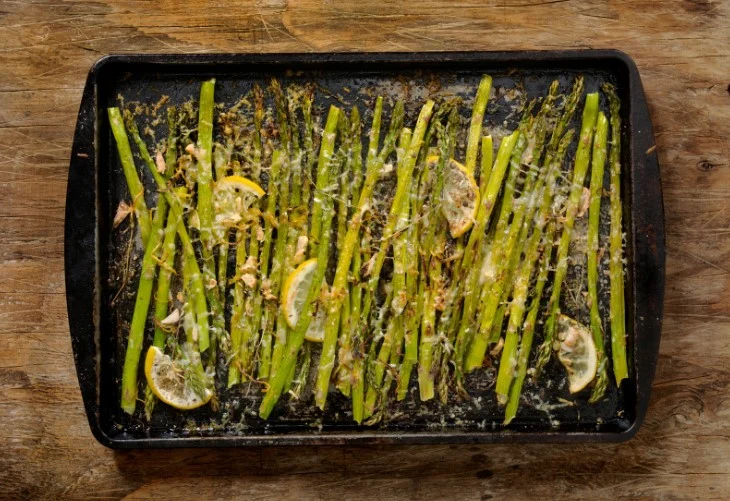
For a lighter, brighter counterpoint to the richness of Beef Wellington, baked asparagus offers a refreshing contrast. This dish is particularly advantageous as it can often be prepared in the oven alongside the Wellington as it finishes baking, maximizing kitchen efficiency. The combination of crisp-tender asparagus, nutty Parmesan cheese, and a hint of lemon creates a dish that is both elegant and palate-cleansing.
The Panko Parmesan Baked Asparagus, in particular, offers a delightful textural dimension. The Panko breadcrumbs provide a satisfying crunch, while the Parmesan cheese melts into a savory, slightly salty coating. The subtle acidity of lemon, often used in this preparation, is key to cutting through the richness of the Beef Wellington, preventing the meal from feeling overly heavy. This side ensures that each bite remains as enjoyable as the first, contributing to a well-rounded and satisfying dining experience.
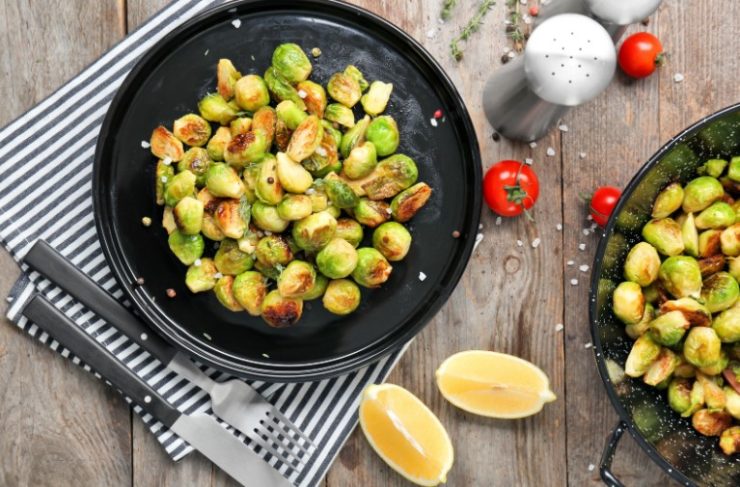
Honey Balsamic Brussels Sprouts
Brussels sprouts, when prepared correctly, can transform from a divisive vegetable into a culinary delight. This honey balsamic preparation offers a compelling balance of sweet, tangy, and savory flavors, with wonderfully caramelized edges and tender interiors. The natural sweetness of the honey and the sharp tang of the balsamic vinegar create a complex flavor profile that complements the richness of the Beef Wellington without overwhelming it.
The appeal of this dish lies in its ability to offer a satisfying depth of flavor and a pleasant textural contrast. The caramelized exterior of the sprouts provides a slight crispness, while the interior remains tender. This dish is not overly heavy, making it an ideal accompaniment to a substantial main course like Beef Wellington. The preparation is relatively simple, involving tossing the sprouts with olive oil, honey, and balsamic vinegar before roasting.
Cautionary Note: The irresistible aroma and flavor of these honey balsamic Brussels sprouts have been known to lead to them being consumed directly from the baking sheet before they even make it to the dinner table.
French Green Beans with Shallots
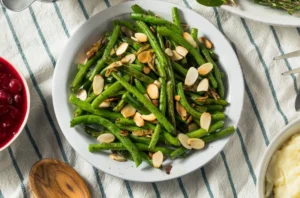
Simplicity and elegance are the hallmarks of this French green bean dish, making it a sophisticated yet approachable accompaniment to Beef Wellington. The key to achieving the desired texture and flavor lies in a slow, low-heat cooking method in olive oil. This process gently mellows the beans, rendering them tender and pillowy, while infusing them with the subtle aroma of the oil.
The inclusion of shallots is a strategic choice, particularly if a peppercorn sauce is also being served. The shallots in both the beans and the sauce create a harmonious flavor synergy, with the sweetness of the shallots complementing the savory notes of the peppercorn sauce. The sauce itself proves to be an excellent topping for the green beans, further enhancing their appeal and creating a cohesive culinary experience. This recipe is praised for its straightforward approach, allowing home cooks to achieve an elegant side dish in a minimal amount of time.
Frequently Asked Questions About Beef Wellington Pairings
The culinary journey of Beef Wellington often sparks further inquiry, particularly regarding optimal accompaniments.
What’s a good side dish for Beef Wellington?
A good side dish for Beef Wellington often involves mashed or pureed vegetables that can soak up accompanying sauces, offering an indulgent, satisfying, and decadent overall meal experience. The goal is to provide a complementary texture and flavor that enhances, rather than competes with, the main dish.
How do you keep Beef Wellington from getting soggy?
Preventing a soggy bottom on Beef Wellington involves a multi-faceted approach. First, it is crucial to cook the mushroom duxelles mixture thoroughly to remove as much excess moisture as possible. Second, ensuring the beef is properly seared, tied, and thoroughly chilled before being wrapped in pastry is vital. Finally, the use of a moisture barrier, such as prosciutto or a thin layer of pâté, between the beef and the puff pastry, along with proper chilling before baking, helps to create a separation that prevents the juices from rendering the pastry soggy. Baking at a high initial temperature can also help to set the pastry quickly.