
Amazon announced today its strategic pivot away from its innovative, tech-heavy physical grocery store formats, signaling a significant shift in its brick-and-mortar retail strategy. The e-commerce giant will close all its Amazon Go and Amazon Fresh physical stores, marking the end of a nearly decade-long endeavor that aimed to revolutionize the grocery shopping experience through advanced computer vision and artificial intelligence. This decision reflects a recalibration of Amazon’s approach to physical retail, acknowledging that the initially futuristic "Just Walk Out" technology, while technically impressive, did not achieve widespread consumer adoption.
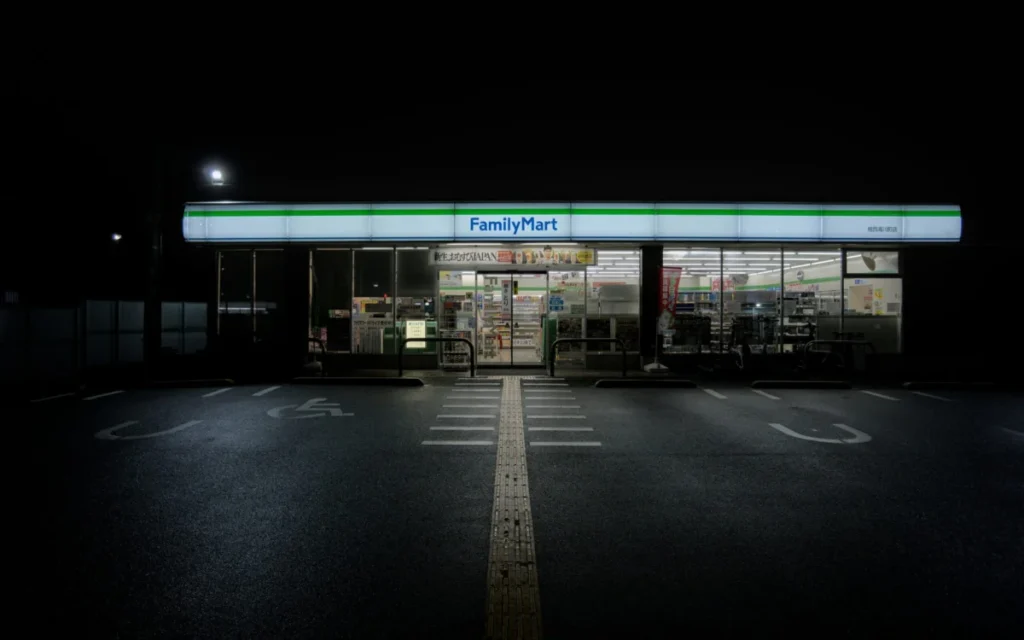
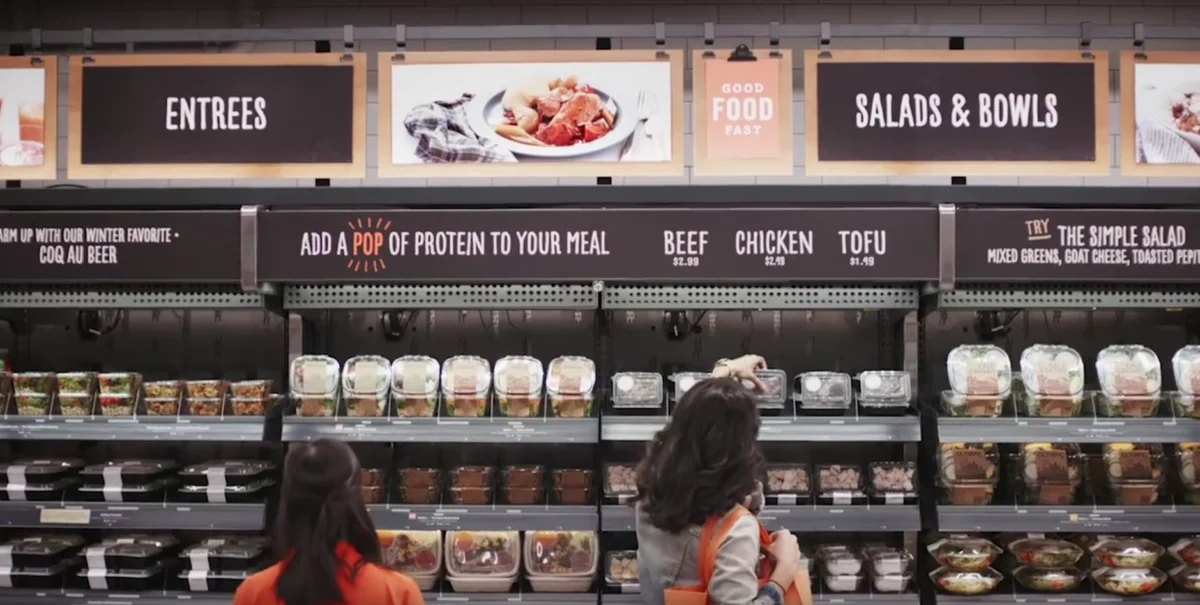
The genesis of Amazon’s foray into physical grocery stores dates back to the unveiling of Amazon Go, its first cashierless convenience store, which opened its doors to the public in Seattle in December 2016. At its inception, the concept was hailed as a glimpse into the future of retail. Shoppers could enter a store, select items, and simply walk out, with their Amazon account automatically charged for the purchases. This seamless experience was powered by a sophisticated network of cameras and sensors that tracked items as they were taken from shelves. Amazon initially harbored grand ambitions, envisioning the expansion of its Go and Fresh store concepts to thousands of locations across the United States and experimenting with multiple store formats.
A Visionary Concept Meets Consumer Hesitation
The promise of Amazon Go was undeniable: an end to long checkout lines and the friction of traditional payment processes. The technology, which leveraged computer vision, sensor fusion, and deep learning algorithms, was a marvel of its time, capable of identifying individuals and tracking their selections with remarkable accuracy. This was particularly groundbreaking in 2016, when such advanced AI applications in a public retail setting were largely theoretical. The ability to walk out of a store without the ritual of scanning items or interacting with a cashier felt liberating and futuristic.
However, the reality of shopping at Amazon Go stores, while technologically advanced, presented a subtle psychological hurdle for many consumers. The act of leaving a store without a traditional transaction, even when fully aware of the automated billing system, often felt counterintuitive, bordering on illicit. This inherent unfamiliarity and the slight cognitive dissonance associated with the "walk out" experience, despite its intended convenience, appear to have been significant barriers to widespread consumer embrace. While consumers generally desire less friction and shorter wait times, the question arises whether the problem Amazon sought to solve—the inconvenience of checkout—was as acute for the average shopper as the technology’s implementation suggested.
Evolving Retail Technology and Shifting Consumer Preferences
In retrospect, the retail landscape has evolved considerably since Amazon Go’s debut. While the dream of fully autonomous shopping persists, the most successful implementations of frictionless technology in retail today are not necessarily about eliminating checkout entirely. Instead, the winning models are often enhancements of existing self-service options. Companies like Mashgin have gained significant traction with their rapid self-checkout kiosks that can scan and process multiple items simultaneously, dramatically reducing wait times without fundamentally altering the consumer’s perception of the transaction. Similarly, smart cart vendors such as Shopic and Caper are integrating AI and sensor technology into shopping carts, allowing shoppers to bag items as they go and pay through the cart itself, offering a more intuitive blend of convenience and control.
These emerging solutions address the core consumer desire for efficiency while maintaining a sense of familiarity and control over the purchasing process. They represent a more gradual and perhaps more palatable evolution of retail technology, building upon established shopping habits rather than demanding a complete paradigm shift. The data suggests that while consumers appreciate speed, they also value transparency and a sense of completion in their shopping journey, which a traditional or enhanced self-checkout provides.
Amazon’s Continued Investment in Whole Foods and a Strategic Retreat
Despite the discontinuation of its Go and Fresh store formats, Amazon’s commitment to physical retail is far from over. The company reaffirmed its dedication to its Whole Foods Market chain, announcing plans to open an additional 100 locations. Whole Foods, acquired by Amazon in 2017 for $13.7 billion, represents a different facet of Amazon’s physical retail strategy. It is an established brand with a loyal customer base, catering to a demographic that may be more receptive to subtle technological enhancements rather than the radical overhaul proposed by Amazon Go.
It is likely that Amazon will approach the integration of advanced technology within Whole Foods stores with a more measured and culturally sensitive approach. The brand identity of Whole Foods, emphasizing quality, natural products, and a certain artisanal feel, may not seamlessly align with the dense arrays of cameras and pervasive recognition technology that characterized Amazon Go. Future innovations within Whole Foods are expected to focus on enhancing the existing shopping experience rather than fundamentally transforming it into a fully automated, checkout-free environment.

The broader implication of Amazon’s announcement is a significant retreat from its internally developed physical retail concepts, excluding its Whole Foods acquisition. Over the past few years, Amazon has shuttered or scaled back several of its experimental physical store formats, including Amazon Books and Amazon Style, in addition to the now-closed Amazon Go and Fresh stores. This widespread retrenchment suggests a reevaluation of the economic viability and consumer appeal of these highly ambitious, technology-driven retail experiments.
The Financial and Strategic Underpinnings of the Decision
The financial performance of Amazon’s Go and Fresh stores has been a subject of scrutiny for years. While specific financial figures for these experimental formats are not publicly disclosed, reports and analyses have consistently pointed to high operational costs associated with the advanced technology and the labor required to maintain these sophisticated systems. The development and deployment of the "Just Walk Out" technology itself represented a substantial investment, and the ongoing maintenance and upgrades would have added to the considerable overhead.
Furthermore, the competitive landscape in the grocery sector is exceptionally challenging, with established players and new entrants vying for market share. Amazon’s ability to achieve the scale necessary to make its Go and Fresh formats profitable, given the initial rollout pace and the consumer adoption challenges, may have become increasingly difficult to justify against other strategic priorities. The company’s core strength lies in its e-commerce dominance, cloud computing services (AWS), and its vast logistics network. Investments in these areas are often seen as more directly contributing to its overall growth and profitability.
The decision to close these stores also signals a potential shift in Amazon’s long-term vision for its physical presence. Instead of attempting to create entirely new retail paradigms, the company may opt to leverage its existing strengths and established brands more effectively. The continued expansion of Whole Foods, for instance, aligns with a more traditional retail model, albeit one that can benefit from Amazon’s data analytics and operational efficiencies.
Expert and Industry Reactions (Inferred)
While no direct official statements from competitors or industry analysts were provided in the original text, it is reasonable to infer a range of reactions. Many in the retail technology sector may view this as a validation of their own, more incremental approaches to innovation. They might see it as an indication that while consumer interest in convenience is high, the path to achieving it must be paved with familiarity and gradual adoption. Retail consultants might point to the importance of understanding consumer psychology and behavioral economics in the design of new shopping experiences.
For Amazon’s retail competitors, this move could be seen as a reduction in direct pressure from a highly disruptive force in the grocery space. However, the continued strength of Amazon’s online grocery offerings and its significant presence through Whole Foods means that competitive pressures remain substantial. The grocery market is characterized by thin margins and intense competition, and Amazon’s strategic adjustments are likely to be closely watched by all participants.
The Future of Retail and Amazon’s Role
Amazon’s foray into physical grocery stores, though ultimately scaled back, was a bold experiment that pushed the boundaries of what was considered possible in retail technology. The lessons learned from Amazon Go and Fresh will undoubtedly inform future retail innovations, both within Amazon and across the industry. The pursuit of frictionless shopping experiences is a persistent theme in retail, and while the "Just Walk Out" model may not have succeeded as envisioned, the underlying desire for convenience and efficiency remains a powerful driver of change.
The evolution of retail is a continuous process, influenced by technological advancements, shifting consumer expectations, and the economic realities of the marketplace. Amazon’s strategic pivot underscores the dynamic nature of this evolution, highlighting the need for companies to adapt and refine their approaches in response to real-world feedback and market conditions. The company’s focus on Whole Foods and its continued investment in its online grocery services suggest a strategy that balances innovation with proven business models, aiming to secure its position in the evolving landscape of food retail. The closure of Amazon Go and Fresh stores is not an end to innovation, but rather a redirection of Amazon’s considerable resources toward strategies that are proving more sustainable and widely accepted by consumers.