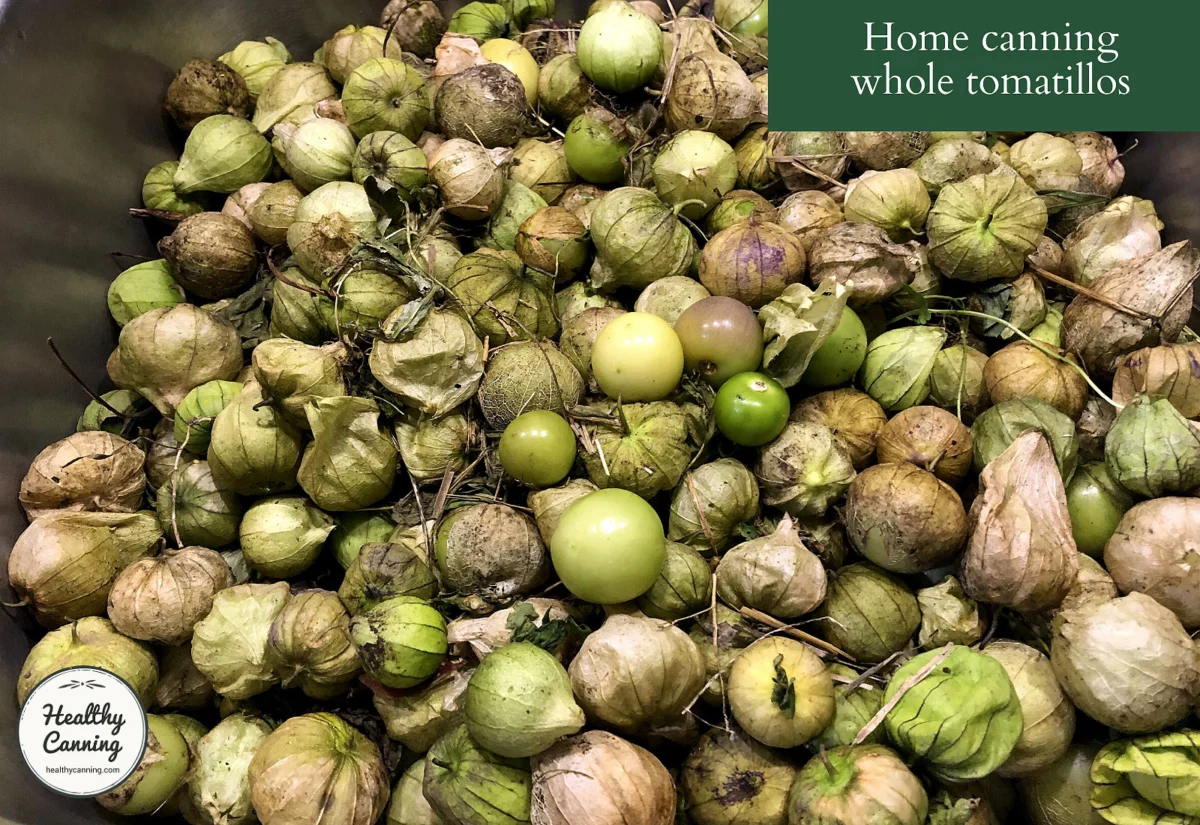

Home preservation has seen a significant resurgence as consumers prioritize food security, local sourcing, and the elimination of industrial preservatives from their diets. Central to this movement is the preservation of the tomatillo (Physalis philadelphica), a staple of Mesoamerican cuisine that has become a fixture in North American gardens. Unlike its relative the tomato, the tomatillo offers a unique tartness and a firm texture that requires specific handling during the canning process. The United States Department of Agriculture (USDA) has established rigorous protocols for home-canning whole, plain tomatillos to ensure that home-processed goods remain shelf-stable and free from the risks of foodborne illnesses, most notably botulism.
The Botanical and Chemical Profile of the Tomatillo
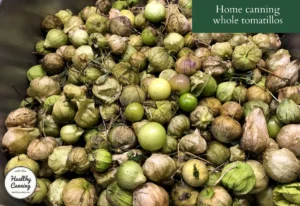
The tomatillo, often referred to as the Mexican husk tomato, is not a true tomato but a member of the nightshade family more closely related to the Cape gooseberry. Enclosed in a papery husk, the fruit is known for its high pectin content and a distinctively acidic profile. According to the USDA’s Center for Food Safety and Applied Nutrition, the approximate pH value of a tomatillo is 3.83. This puts it firmly in the "acidic" category of foods—generally defined as having a pH below 4.6.
Despite this natural acidity, safety experts emphasize that acidification remains a mandatory step in the canning process. This is due to the inherent variability in fruit ripeness, soil conditions, and internal density, which can occasionally result in "borderline" pH levels. By adding a standardized amount of lemon or lime juice, home canners create an environment that is guaranteed to inhibit the growth of Clostridium botulinum spores, which can thrive in anaerobic environments like sealed jars.

Preparation and Quantitative Guidelines
The process begins with the selection of high-quality, firm fruit. Agricultural guidelines suggest that for a standard yield, home canners should expect to use approximately one kilogram of fresh tomatillos per one-liter jar (roughly two pounds per US quart). This ratio accounts for the space occupied by the whole fruit and the packing liquid.
Unlike the labor-intensive process required for canning tomatoes, tomatillos do not require peeling. This is a significant advantage for high-volume preservation. The primary preparation involves removing the papery husks and thoroughly washing the fruit. Tomatillos naturally produce a sticky, resinous film under the husk; this must be scrubbed off in cool water to ensure the flavor of the final product is not compromised. Once cleaned, the whole tomatillos are briefly simmered in boiling water for approximately two minutes to soften the skins and prevent them from bursting violently during the heat processing phase.
Technical Methodologies: Water Bath, Steam, and Pressure Canning
The USDA provides three approved methods for processing tomatillos, allowing home canners to choose based on their available equipment and altitude.
1. Water Bath and Steam Canning
Water bath canning involves immersing jars in boiling water, while steam canning uses a specialized pot that surrounds jars with atmospheric steam. Both methods rely on the same processing times: 40 minutes for half-liter (pint) jars and 45 minutes for one-liter (quart) jars.
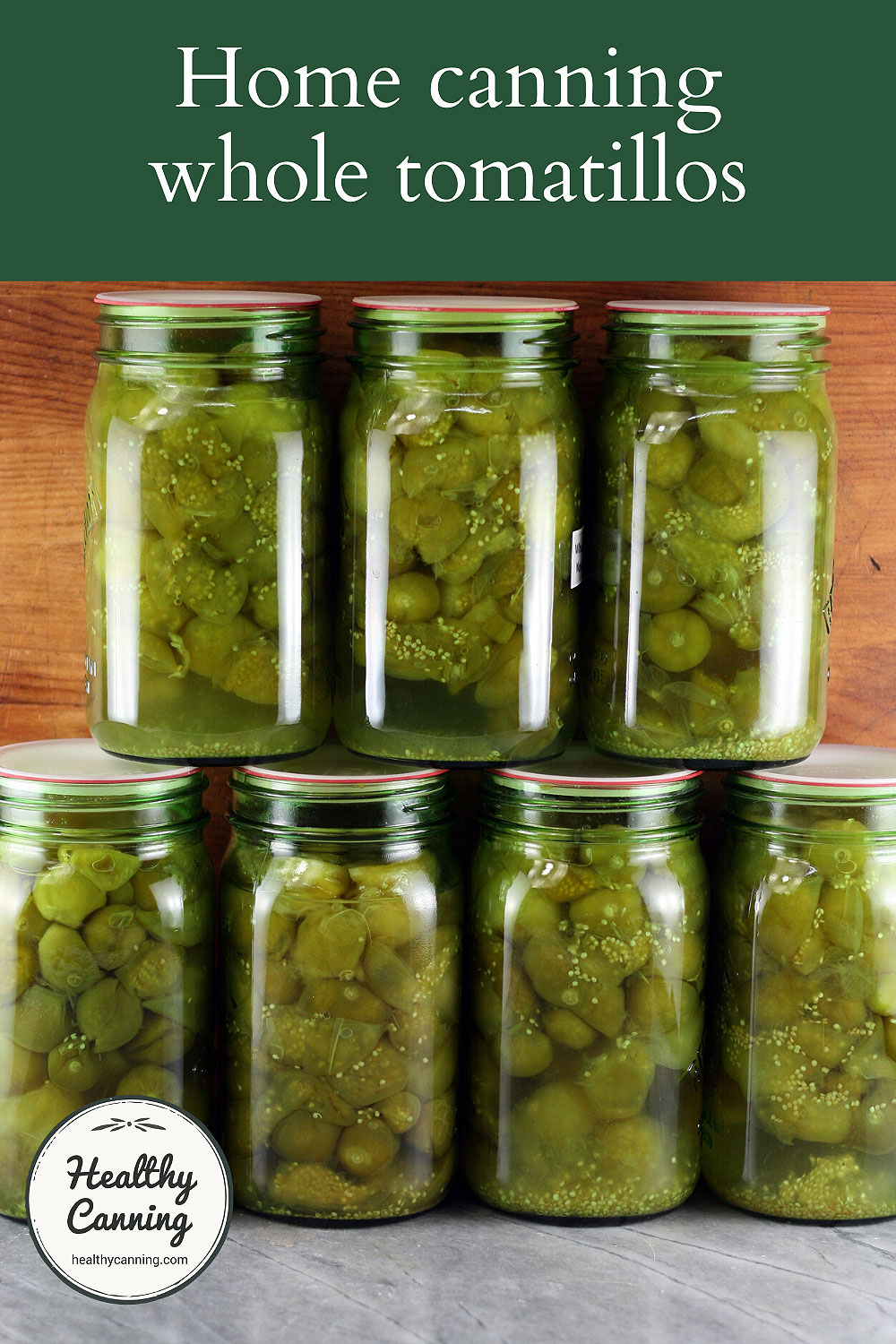
However, steam canning is subject to specific limitations. It is only considered an equivalent alternative if the processing time does not exceed 45 minutes. In high-altitude regions where processing times must be extended to compensate for the lower boiling point of water, steam canning may become unfeasible if the canner’s water reservoir is at risk of running dry.
2. Pressure Canning
Pressure canning is often preferred by those looking to save time or who live at high altitudes. While tomatillos are acidic enough for water baths, pressure canning provides a more intense heat environment. It is critical to note that even when pressure canning, the addition of acid is still required. The USDA pressure canning process was designed to optimize the time-to-safety ratio rather than to replace the need for an acidic environment.
The weighted-gauge requirements for pressure canning at altitudes between 0 and 300 meters are:
- 15 minutes at 5 lbs of pressure
- 10 minutes at 10 lbs of pressure
- 1 minute at 15 lbs of pressure
As altitude increases, these pressures must be adjusted upward to ensure the internal temperature of the jars reaches the necessary threshold to neutralize spoilage organisms.

The Critical Role of Mandatory Acidification
Safety is the paramount concern in the USDA’s Agriculture Information Bulletin No. 539. To ensure a safe product, one of the following must be added directly to each jar before sealing:
- For Half-Liter (Pint) Jars: 1 tablespoon of bottled lemon juice OR 1 tablespoon of bottled lime juice OR ¼ teaspoon of citric acid.
- For One-Liter (Quart) Jars: 2 tablespoons of bottled lemon juice OR 2 tablespoons of bottled lime juice OR ½ teaspoon of citric acid.
Bottled juices are specified over fresh juices because they have a standardized, regulated acidity level. Fresh lemons can vary significantly in pH depending on the season and variety, making them unreliable for preservation safety. While lime juice offers a traditional flavor profile that complements tomatillos, lemon juice is often used for its more neutral impact on the final dish.
Chronology of the Canning Process
A successful canning session follows a disciplined timeline to ensure both safety and quality:
- Harvest and Sorting: Tomatillos are harvested when the fruit fills out the husk.
- Hushing and Cleaning: Husks are removed and the fruit is washed to remove the sticky coating.
- Pre-Cooking: The whole tomatillos are simmered in boiling water for two minutes.
- Jar Preparation: Jars are cleaned and kept warm to prevent thermal shock.
- Acidification: The required amount of lemon juice, lime juice, or citric acid is added to the empty, warm jars.
- Packing: Hot tomatillos are packed into the jars, followed by the addition of boiling cooking liquid or fresh boiling water. A headspace of 2 cm (½ inch) is maintained to allow for expansion.
- Air Bubble Removal: A non-metallic tool is used to release trapped air, and the headspace is readjusted.
- Sealing: Jar rims are wiped clean to ensure a perfect seal, and lids are applied until "finger-tip tight."
- Processing: Jars are placed in the chosen canner and processed according to the specific time and pressure requirements for the local altitude.
- Cooling: Jars are removed and allowed to sit undisturbed for 12 to 24 hours to finalize the vacuum seal.
Culinary Applications and Expert Perspectives
The utility of home-canned tomatillos extends far beyond the traditional salsa verde. Because the canning process effectively cooks the fruit, they are best suited for recipes that require softened or blended ingredients.
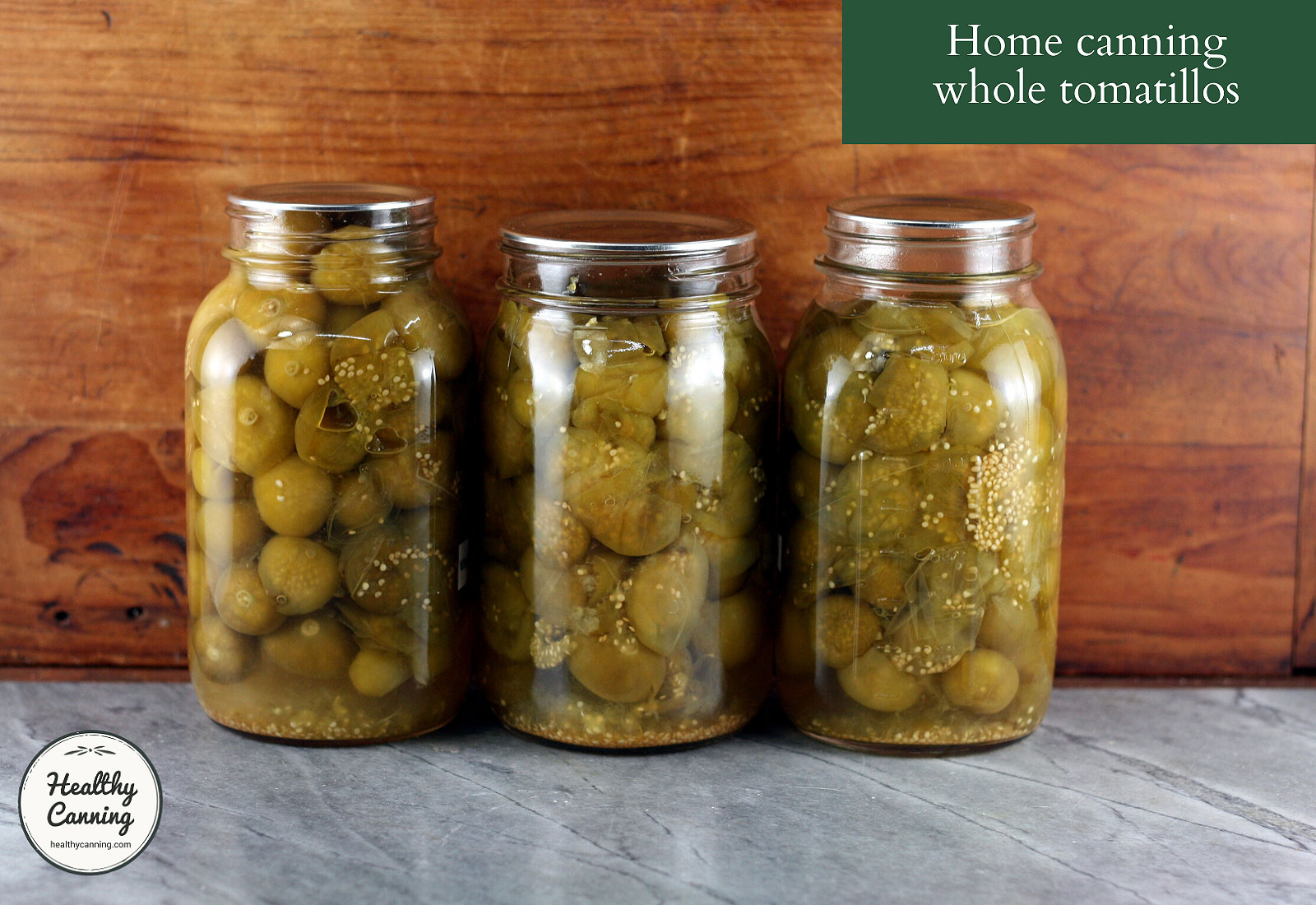
Culinary experts, such as Martha Rose Shulman of the New York Times, note that canned tomatillos are an excellent substitute when fresh produce is out of season. She suggests that since canned tomatillos have already been simmered, home cooks can skip the initial softening steps in most recipes. The Joy of Cooking further suggests using plain canned tomatillos as a bright, acidic condiment for grilled meats and seafood, highlighting their versatility in high-end gastronomy.
Beyond salsas, canned tomatillos are frequently used as a base for stews (such as Chile Verde), hot sauces, and even enchilada sauces. Their high pectin content also makes them an ideal thickener for soups and braises.
Broader Economic and Food Security Implications
The promotion of standardized home-canning recipes by the USDA serves a broader socio-economic purpose. By providing safe, accessible instructions for preserving seasonal gluts, the government supports local agricultural resilience. For home gardeners, canning tomatillos represents a way to mitigate food waste and reduce grocery expenditures.
Furthermore, the rise of "cottage food" industries has seen many small-scale entrepreneurs looking to the USDA’s "Complete Guide to Home Canning" as a foundational document for commercializing local produce. By adhering to these tested procedures, small-scale producers can ensure their products meet the rigorous safety standards required for public consumption.
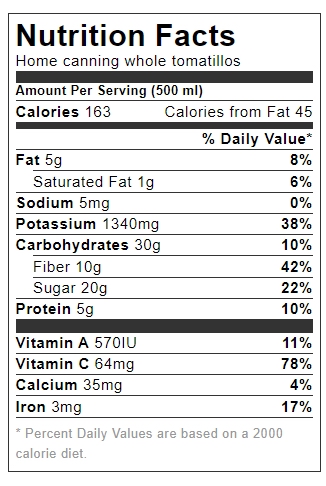
In the context of global supply chain volatility, the ability to store shelf-stable, nutrient-dense produce like tomatillos—which are rich in Vitamin C, Vitamin A, and potassium—provides an essential layer of household food security. A single half-liter jar of home-canned tomatillos provides approximately 163 calories and a significant portion of the daily recommended intake of fiber, making it a healthy addition to the winter pantry.
Conclusion
Canning whole tomatillos is a precise intersection of culinary tradition and modern food science. By following the USDA-approved methods of preparation, acidification, and heat processing, home preservers can capture the peak flavor of the harvest while ensuring the highest levels of safety. Whether processed via water bath, steam, or pressure, the humble tomatillo remains a cornerstone of the modern pantry, offering a bridge between the vibrant flavors of summer and the nutritional needs of the year-round kitchen.