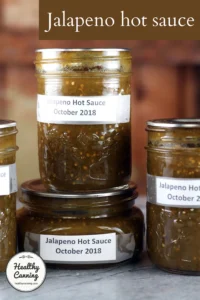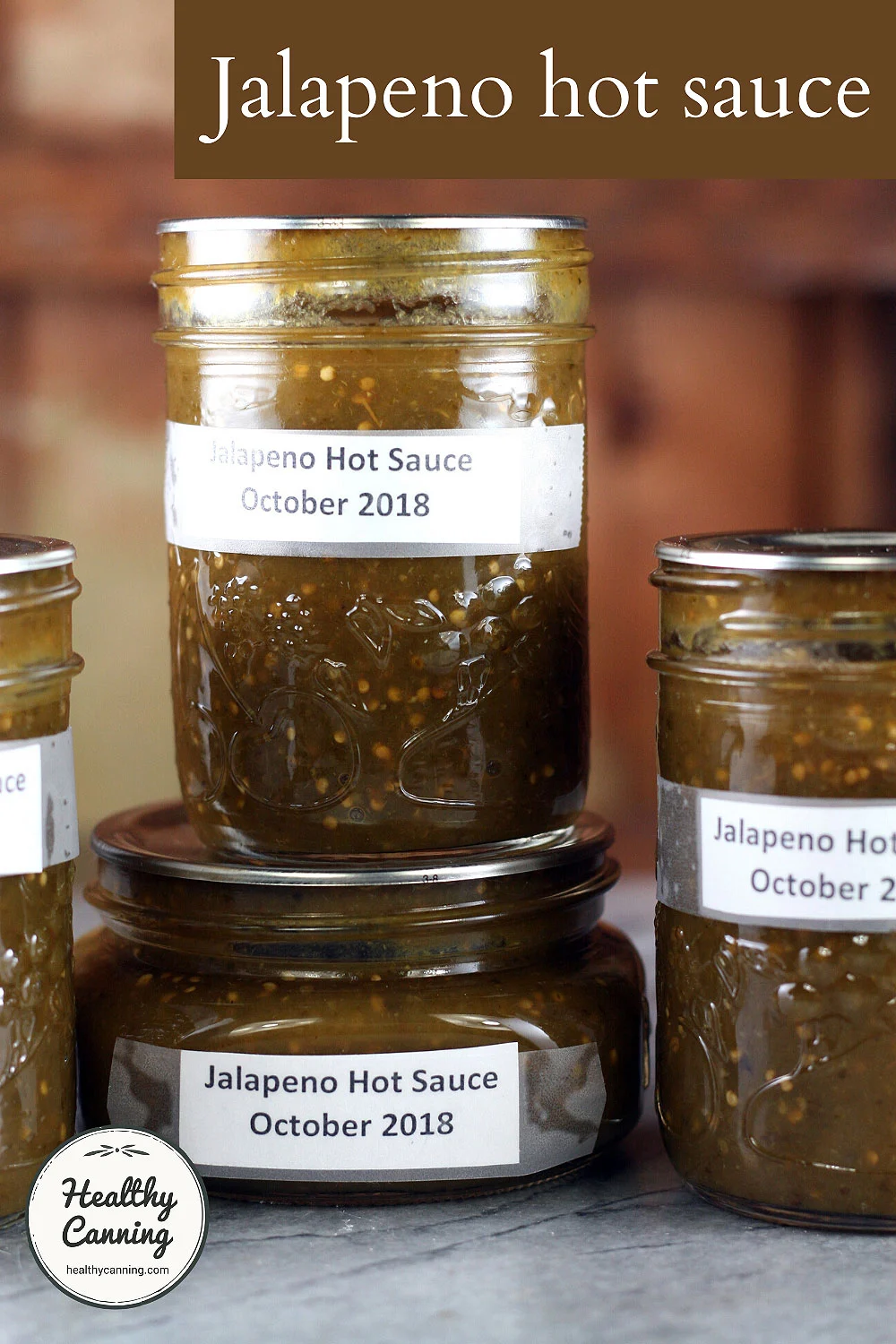

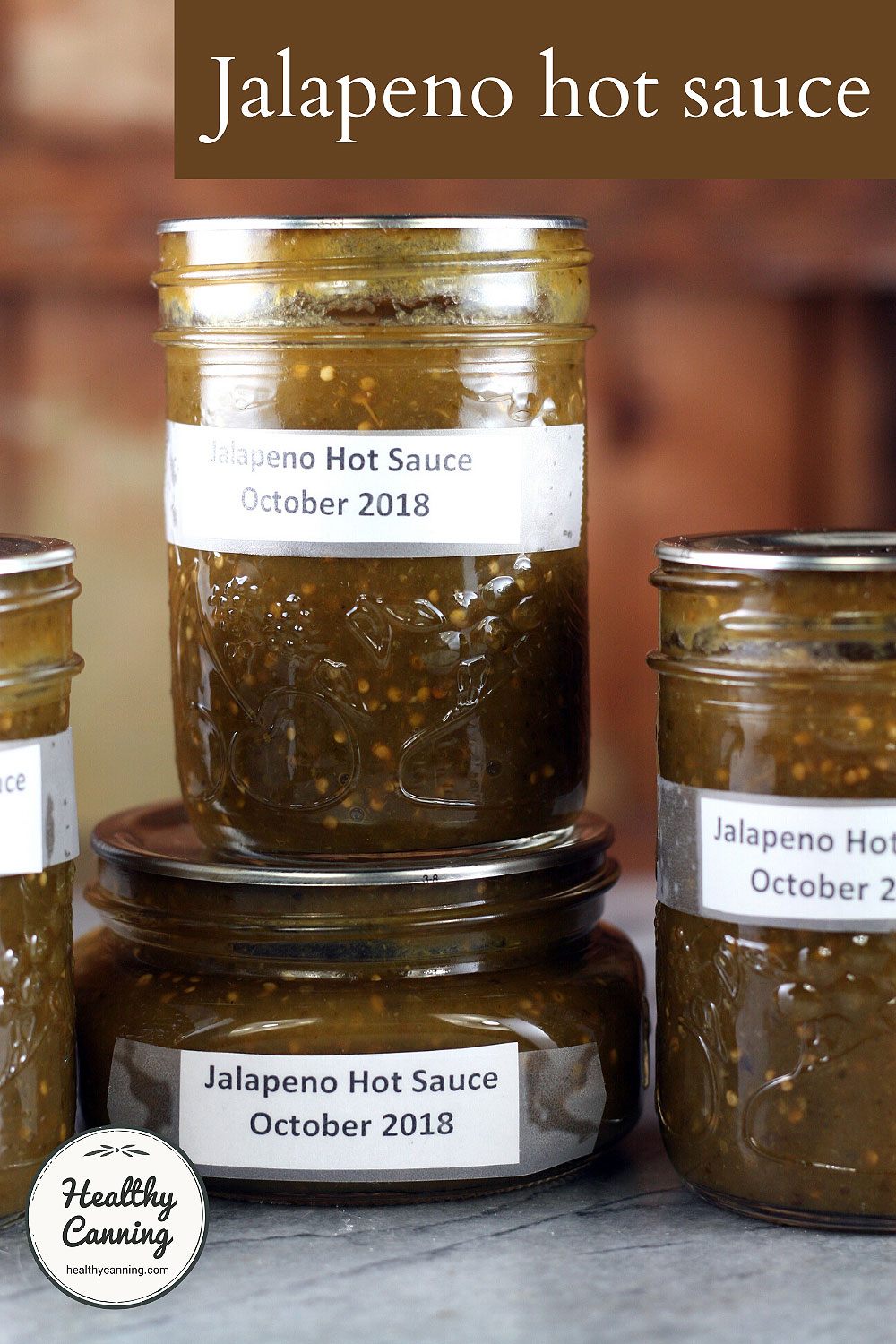
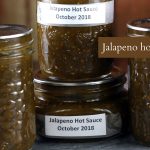
The resurgence of home food preservation has led to a renewed interest in artisanal condiments, specifically high-heat sauces that utilize seasonal produce. Among the most sought-after recipes for home preservationists is a thick, spoonable green hot sauce crafted from a base of tomatillos and jalapeno peppers. While many home cooks experiment with fermentation or refrigerated sauces, the process of shelf-stable canning requires strict adherence to scientifically validated protocols to ensure food safety. This specific recipe is derived from the United States Department of Agriculture (USDA) guidelines for Cayenne Pepper Sauce, modified through safe ingredient substitutions that maintain the necessary acidity levels for atmospheric canning.
The resulting condiment is characterized by its vibrant green hue and significant viscosity, distinguishing it from thinner, vinegar-based commercial sauces. By swapping traditional red tomatoes for tomatillos and standard red peppers for green jalapenos, enthusiasts can produce a "Verde" style sauce that remains safe for long-term storage at room temperature. The process involves a total time commitment of approximately four hours, including preparation and a lengthy simmering period to achieve the desired consistency.
The Technical Foundation of Safe Substitutions
In the realm of home canning, safety is dictated by the pH level of the final product. To prevent the growth of Clostridium botulinum, the bacteria responsible for botulism, shelf-stable canned goods must either be high-acid (a pH of 4.6 or lower) or be processed in a pressure canner at high temperatures. The USDA’s Cayenne Pepper Sauce recipe is designed for water-bath or steam canning because it utilizes a high ratio of vinegar to low-acid vegetables.

According to food preservation experts, tomatillos are a safe substitute for tomatoes in canning recipes because they possess a similar, if not slightly higher, acidity profile. Similarly, the USDA allows for the interchangeable use of various pepper varieties, provided the total volume of peppers remains constant. By utilizing green jalapenos in place of cayenne or bell peppers, the heat profile is intensified without compromising the botanical safety of the preserve. This flexibility allows home gardeners to process large harvests of jalapenos while following a tested framework that ensures the vinegar-to-solid ratio remains within the margin of safety.
Chronology of the Canning Process
The production of home-canned jalapeno hot sauce follows a rigorous timeline to ensure both flavor development and microbial destruction.
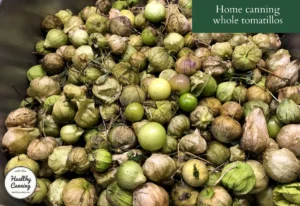
- Preparation Phase (1 Hour): This stage involves the washing and de-husking of tomatillos and the cleaning of jalapenos. Because jalapenos contain high concentrations of capsaicin, safety protocols dictate the use of gloves during the chopping process to avoid chemical burns to the skin. The vegetables are typically measured by weight or volume as specified in the master USDA recipe to maintain the correct acid-to-vegetable ratio.
- Simmering and Reduction Phase (3 Hours): Unlike "raw pack" canning methods, this hot sauce requires a significant reduction period. The ingredients are combined with high-quality vinegar (at least 5% acidity) and brought to a boil. The three-hour simmer allows the water content in the tomatillos and peppers to evaporate, concentrating the flavors and creating the "thick, spoonable" texture that defines this specific condiment.
- Jar Preparation and Filling: While the sauce reduces, canning jars (ranging from 125 ml to 500 ml) must be cleaned and kept warm to prevent thermal shock. The sauce is ladled into the jars, leaving exactly 2 cm (1/2 inch) of headspace. This gap is critical for the creation of a vacuum seal during the cooling process.
- Processing (10 Minutes): The filled jars are submerged in a boiling water bath or placed in a calibrated steam canner. The 10-minute processing time is the standard for this recipe at sea level, though it must be adjusted upward for those living at higher altitudes to account for the lower boiling point of water.
Supporting Data: Nutrition and Heat Profiles
The nutritional profile of this jalapeno hot sauce makes it an ideal condiment for health-conscious consumers. Based on standard analysis, a single tablespoon serving contains approximately 8 calories, 1.6 grams of carbohydrates, and negligible fat. The primary caloric contribution comes from the natural sugars found in the tomatillos and peppers, as the recipe does not rely on heavy oils or thickeners.
From a sensory perspective, the sauce is classified as "very hot." On the Scoville Scale, jalapenos typically range from 2,500 to 8,000 Scoville Heat Units (SHU). However, the reduction process concentrates the capsaicin, meaning the final sauce may perceive as more intense than a raw pepper. The National Center for Home Food Preservation (NCHFP) notes that the heat is substantial enough that the sauce should be used sparingly as a flavor enhancer for soups, stews, or meats, rather than consumed in large quantities.
Official Guidelines and Safety Responses
The National Center for Home Food Preservation, which serves as the primary authority on domestic food safety in the United States, rarely adds subjective commentary to its published recipes. However, for this pepper sauce formulation, the NCHFP includes specific warnings regarding its potency. This unusual step is a response to consumer feedback regarding the extreme heat levels of the sauce.
Furthermore, the NCHFP emphasizes the importance of vinegar strength. For the sauce to be shelf-stable, the vinegar used must have an acetic acid content of at least 5%. In regions such as Australia and New Zealand, where commercial vinegar is often sold at 4% acidity, home canners are advised to seek out specialized "pickling vinegar" or adjust their recipes to ensure the pH remains below the 4.6 threshold. Failure to use the correct vinegar strength can result in a product that is susceptible to spoilage or dangerous pathogen growth.
Broader Impact on Home Food Security and Sustainability
The ability to safely preserve hot sauce at home has broader implications for food sustainability and household economics. Commercial hot sauces often contain preservatives, stabilizers, and high levels of sodium to maintain shelf life. By utilizing the USDA-validated method for jalapeno sauce, consumers can control the quality of their ingredients, opting for organic produce and reducing their reliance on industrial food chains.
Moreover, the versatility of the "safe swap" method encourages the preservation of heirloom pepper varieties that are rarely found in commercial products. As climate patterns shift and local growing seasons become more volatile, the mastery of home canning provides a buffer for food security, allowing households to store the bounty of a successful harvest for several years.
Analysis of Implications for the Home Preserver
While the recipe is straightforward, the implications of minor errors in home canning are significant. The transition from a red cayenne sauce to a green jalapeno and tomatillo sauce represents the pinnacle of "safe modification" in food science. It demonstrates that while canning is a rigid discipline, there is room for culinary creativity when the underlying chemistry is understood.
The preference for steam canning in recent years has also changed the landscape of this recipe’s preparation. Historically, water-bath canning was the only recognized method for high-acid foods. However, recent validation studies have confirmed that atmospheric steam canners are equally effective, using significantly less water and energy. This shift reflects a broader trend toward efficiency in the "homesteading" movement.
Ultimately, the production of this jalapeno hot sauce is more than a culinary exercise; it is an application of microbiological safety standards. For the end-user, the result is a potent, shelf-stable condiment that captures the essence of the harvest. For the community of home preservers, it serves as a reminder that safety and flavor are not mutually exclusive, provided one follows the data-driven path laid out by food scientists and federal safety agencies. As interest in fermented and preserved foods continues to grow, such validated recipes remain the gold standard for preventing foodborne illness in the domestic kitchen.