
Rebecca Firkser’s recently published cookbook, Galette!, has quickly become a beloved resource for enthusiasts of rustic, freeform pastries. The book, a comprehensive celebration of the delicate interplay between flour and butter, offers over fifty sweet and savory galette recipes. However, in a recent collaboration with The Perfect Loaf, Firkser unveiled a thoughtful addition that was intentionally omitted from the original publication due to page constraints: a sourdough discard galette crust recipe with a hint of cocoa. This innovative variation promises to add a new dimension of flavor and texture to the beloved galette.
Firkser’s initial reception of her cookbook, Galette!, published in June, has been overwhelmingly positive. The book is lauded for its meticulous approach, guiding readers from fundamental techniques to addressing potential challenges in galette dough preparation. Maurizio, the proprietor of The Perfect Loaf, expressed his admiration for the cookbook’s intelligent design and extensive recipe collection, noting that Firkser "starts with the fundamentals but then methodically addresses every question you might encounter when working with galette dough." As a self-proclaimed "flour nerd," Maurizio was particularly drawn to the book’s exploration of crust variations, including the use of alternative flours like buckwheat and cornmeal, and the incorporation of flavorings such as cocoa.
The omission of a sourdough discard crust recipe from Galette! was a deliberate decision, driven by the practical limitations of book publishing. "There was simply a page limit, and I had to cut myself off somewhere," Firkser explained. Recognizing the inherent connection between sourdough starter—composed of flour and water, the foundational elements of pastry—and galette dough, Firkser saw an opportunity to share this unique recipe with the readers of The Perfect Loaf. This collaboration highlights the symbiotic relationship between culinary authors and influential food blogs in expanding and refining culinary knowledge.
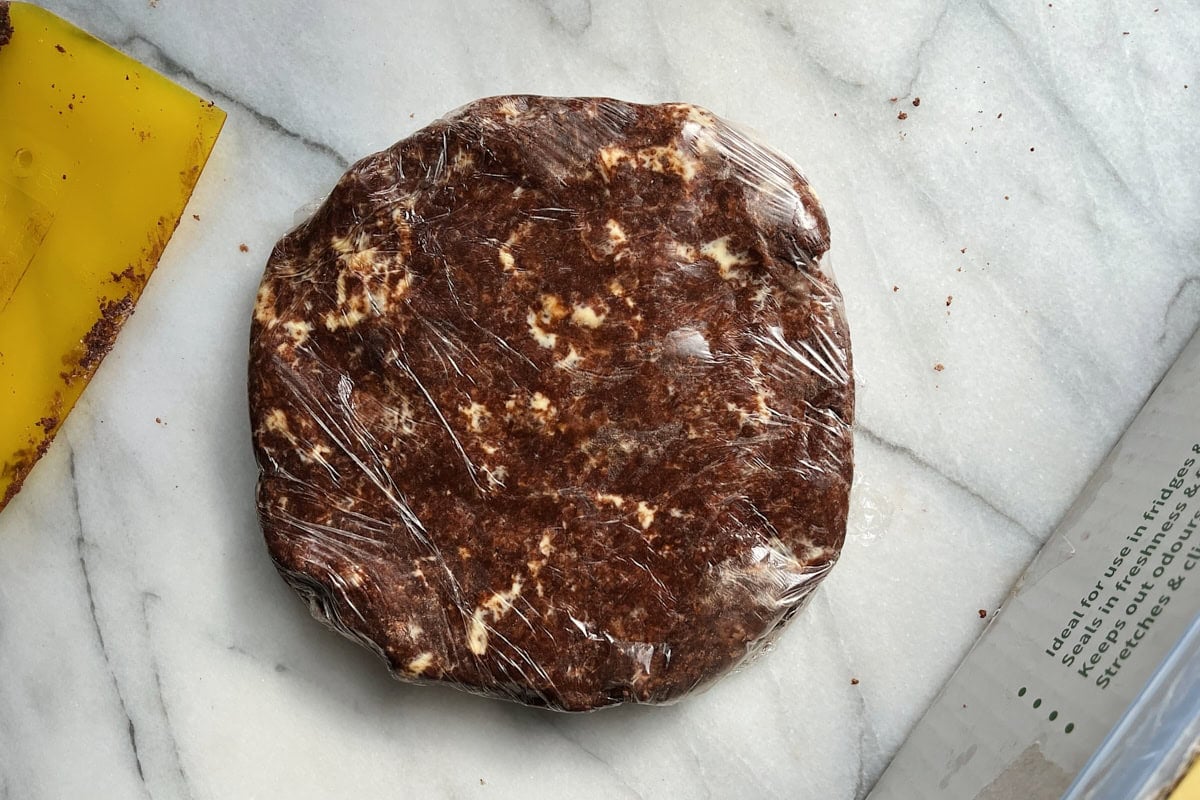
While The Perfect Loaf already features a well-regarded sourdough pie crust recipe that can be adapted for galettes, Firkser’s new recipe offers a distinct flavor profile. "While my ratios are different, we wanted to share one that was different enough in flavor to make both worth your while," she stated. The Galette! cookbook itself includes several crust variations, incorporating ingredients like whole wheat, buckwheat, cornmeal, black pepper, warm spices, and cocoa powder. The recipe being shared is an adaptation of the cocoa variation, specifically tailored for sourdough discard.
Enhancing the Galette Crust with Cocoa
The foundation of Firkser’s original crust recipe relies on all-purpose flour. To introduce the cocoa element, a portion of the all-purpose flour is replaced with cocoa powder. It’s important to note that cocoa powder, unlike flour, is not a grain and possesses different absorption properties. It tends to absorb more liquid than flour, necessitating a slight adjustment in the water content of the dough. However, Firkser cautions against adding too much extra water, as this can quickly lead to a sticky dough that is difficult to handle.
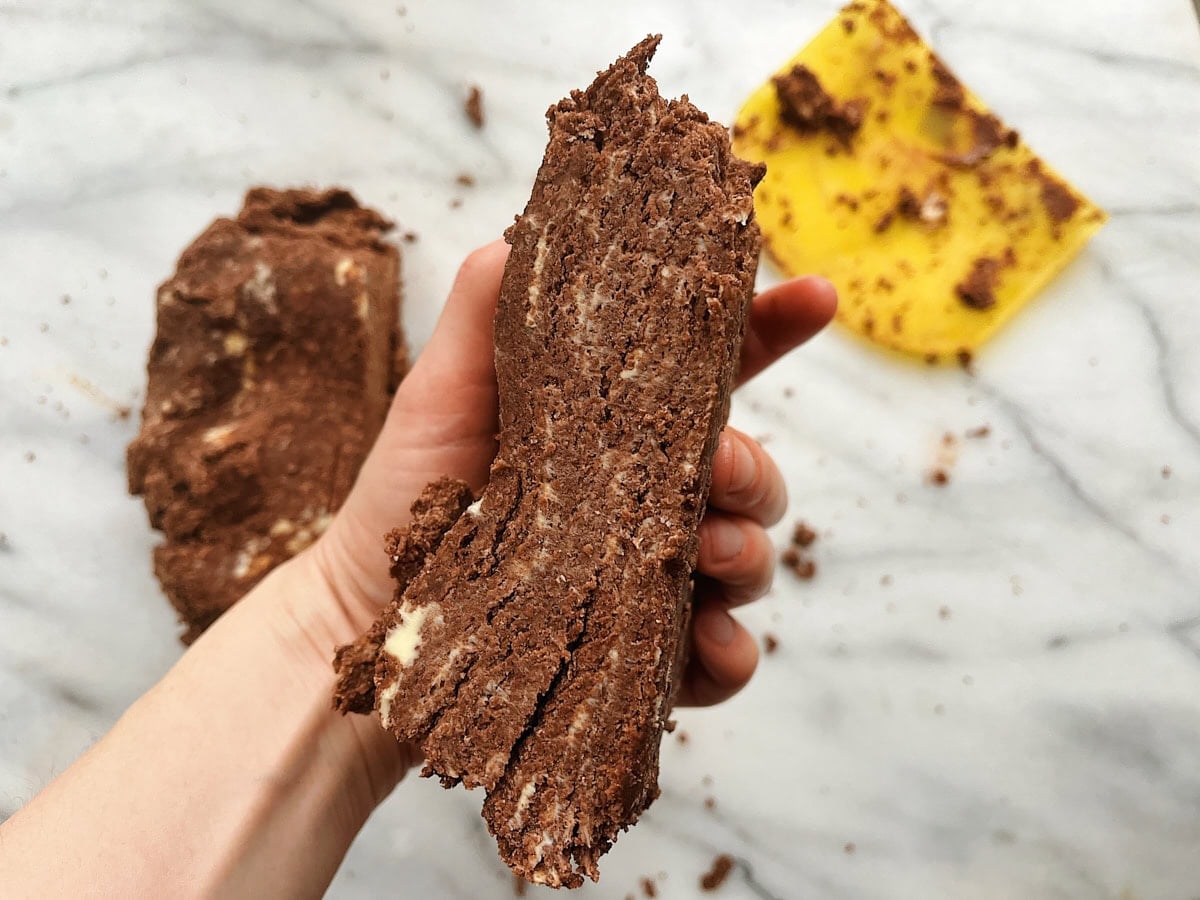
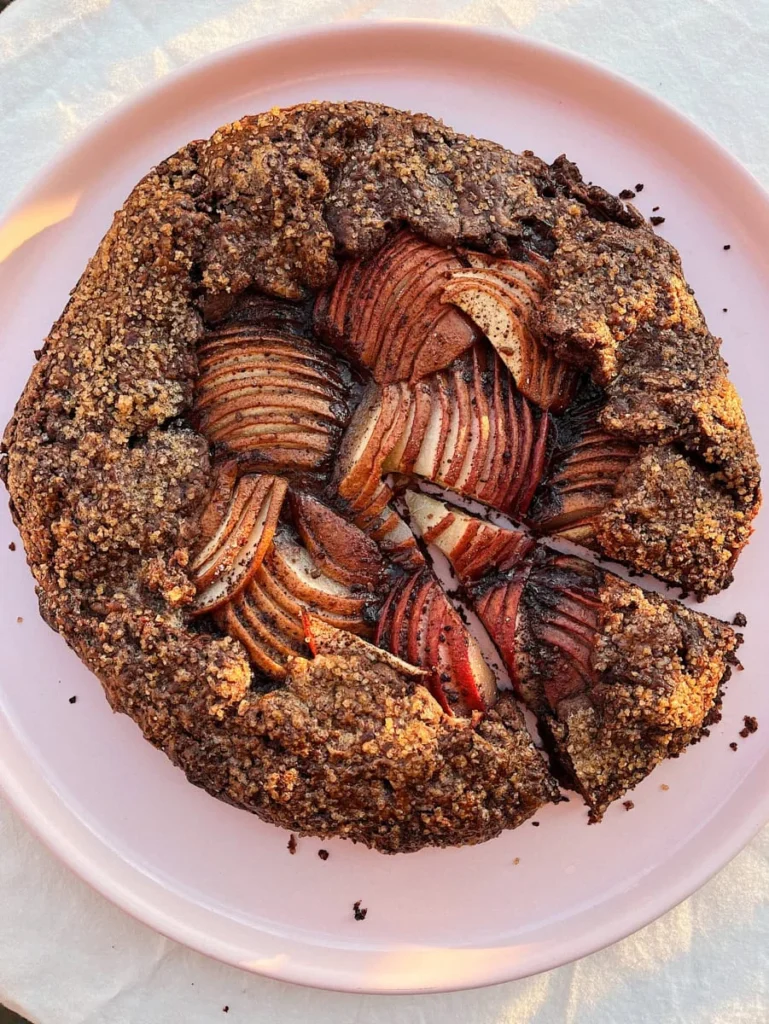
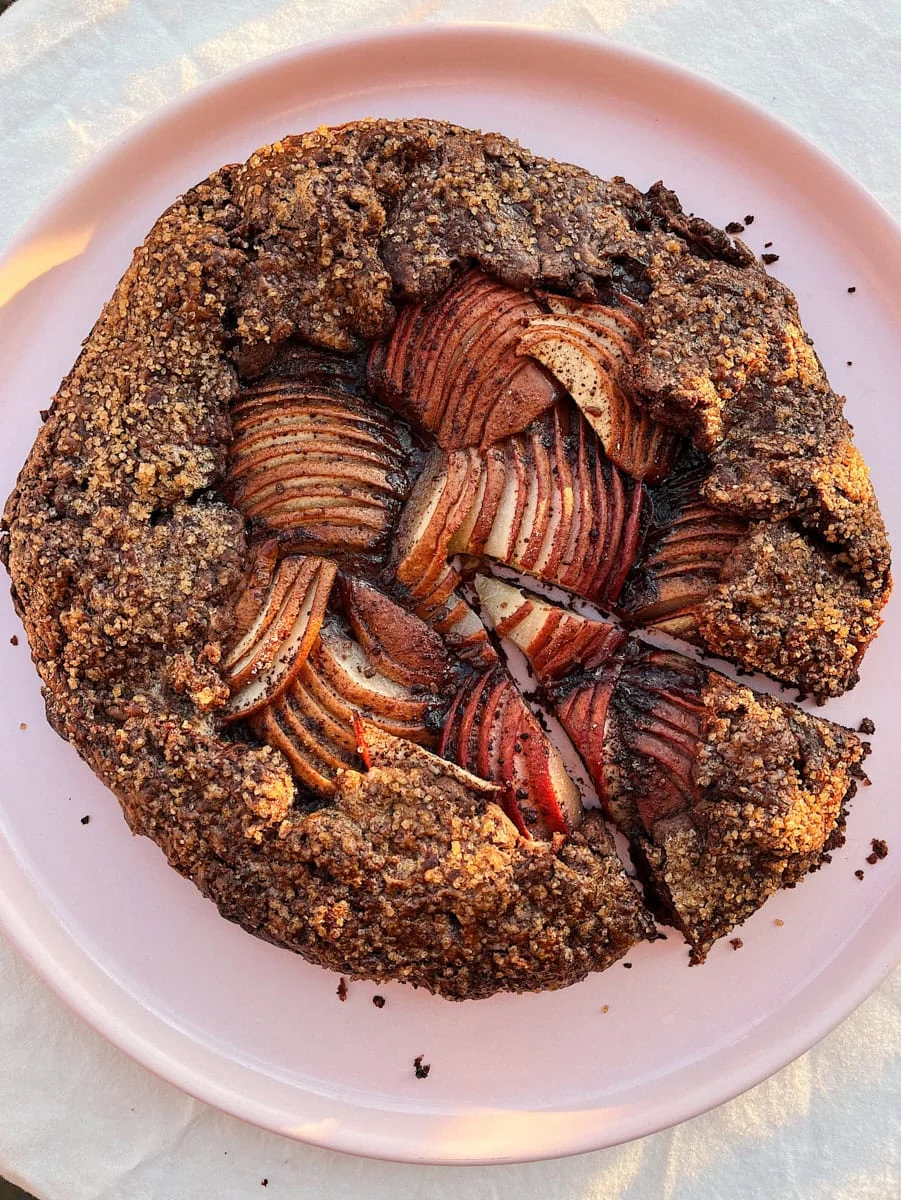
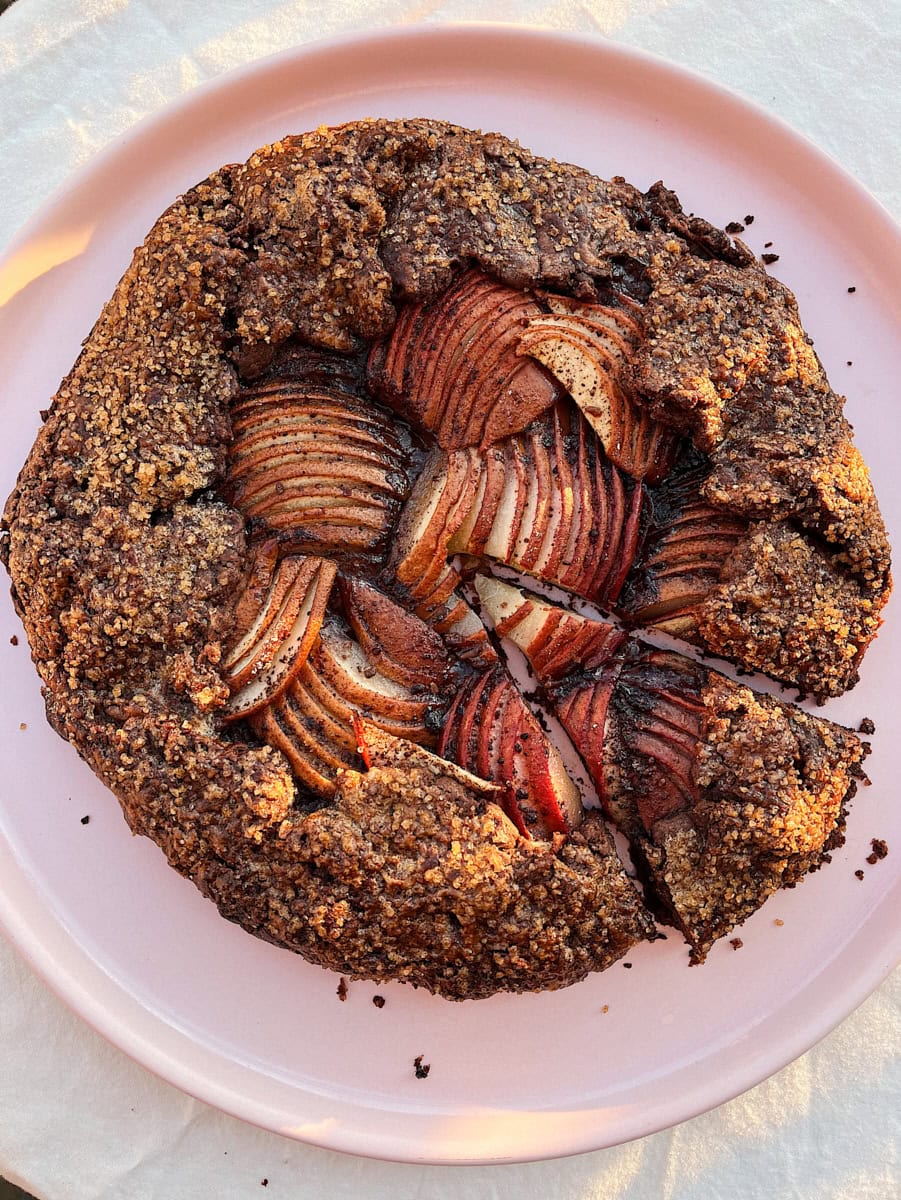
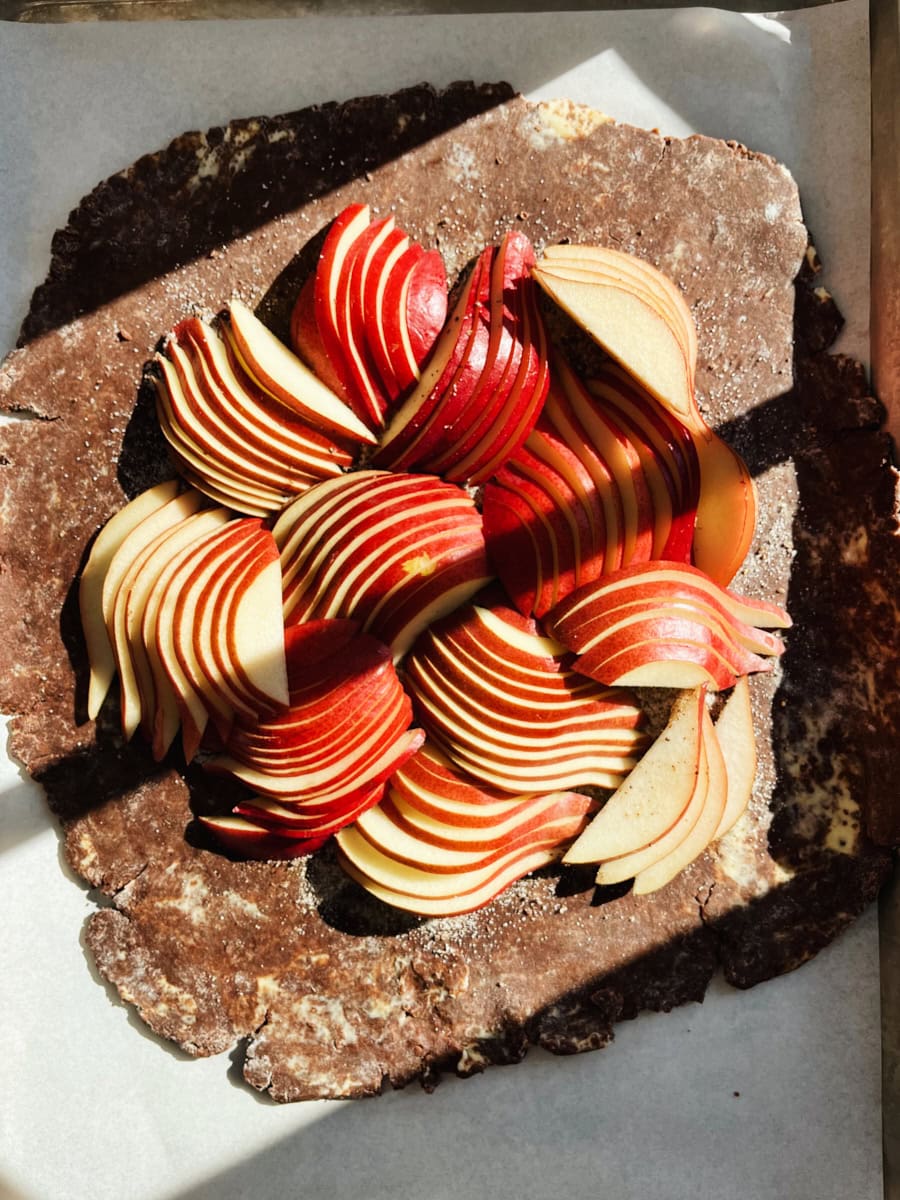
In the Galette! cookbook, the adaptation involves replacing approximately a scant quarter cup (25 grams) of all-purpose flour with 30 grams (roughly 1/4 cup) of either natural or Dutch-process cocoa powder. The resulting flavor is not intensely chocolatey but offers a nuanced profile characterized by a toasty, slightly fruity bitterness. This subtle complexity makes it an ideal complement to fruit-based galettes, particularly those featuring autumnal produce. The accompanying photographs in the article showcase a Pear with Sumac and Ginger galette, a recipe featured in Firkser’s book, illustrating the visual appeal and potential of this cocoa-infused crust.
The Art of Sifting Cocoa for a Smooth Dough
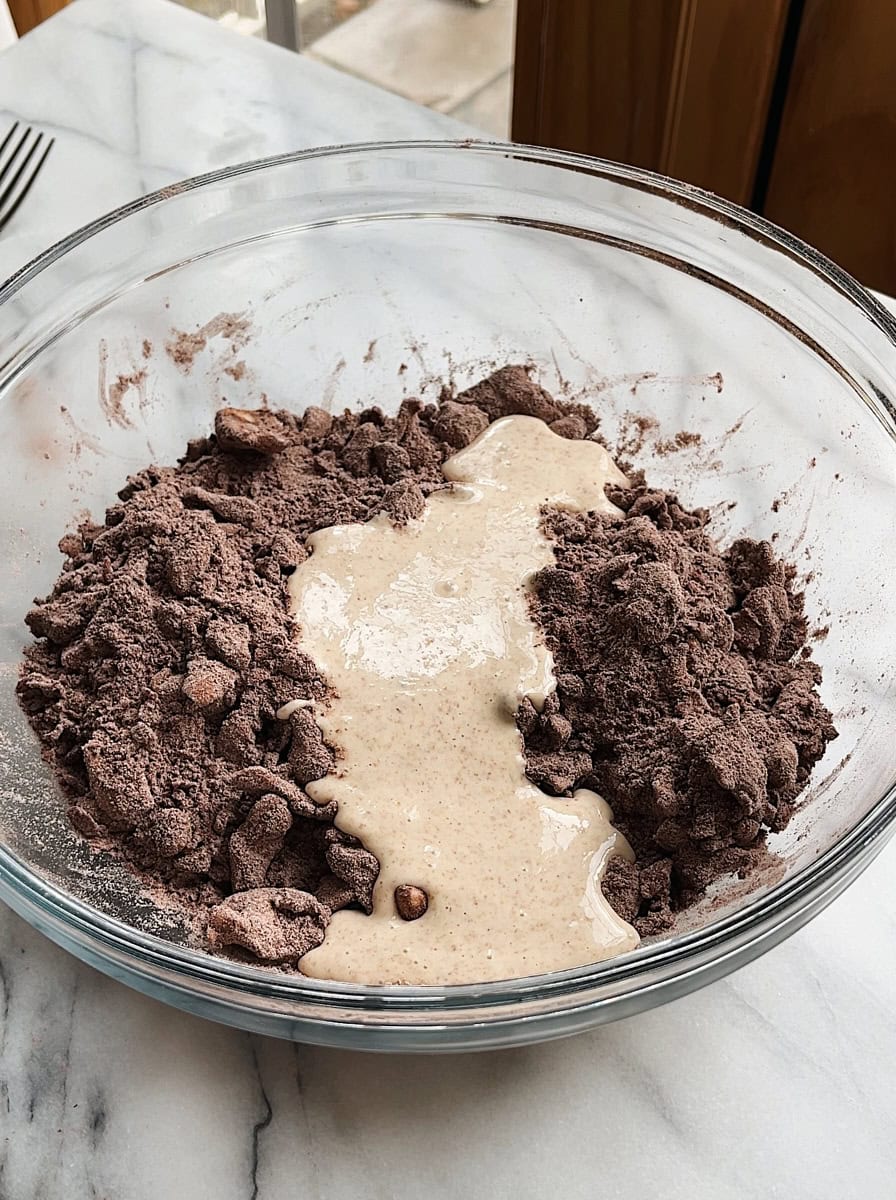
A common challenge when incorporating cocoa powder into baking is its tendency to clump. To ensure a smooth and uniform dough, Firkser emphasizes the importance of sifting the cocoa powder before adding it to the dry ingredients. This simple step prevents the formation of small, unappealing lumps in the delicate galette crust. For those who may forget to sift, Firkser offers a practical solution: "get into the dry mix with your hands before adding the butter to break up any pebbles of cocoa." This tactile approach ensures that any clumps are dispersed before the dough-forming process begins.
Understanding Butter Choices for Pastry
The choice of butter can significantly impact the texture and flavor of pastry. Firkser outlines the characteristics of both American and European-style butters, providing valuable context for home bakers. American butter, generally more affordable, has a slightly higher water content, which can result in a less rich flavor. However, its lower fat content means it remains firmer, potentially making it easier for less experienced bakers to work with. European-style butter, while typically more expensive, boasts a superior flavor profile due to its higher fat content. Its softer, more pliable texture is often preferred by seasoned pastry makers, though it can become excessively soft, especially in warmer kitchen environments. In such cases, Firkser advises giving the dough extra chilling time between rolling, filling, and crimping. Interestingly, in this particular recipe, the butter is used as-is, without the browning process sometimes employed in sourdough discard recipes to reduce water content.
Integrating Sourdough Discard and Hydration Management
The recipe involves a strategic substitution of flour and water with sourdough starter discard. Firkser experimented with various ratios of sourdough starter discard, water, all-purpose flour, and cocoa powder. She notes that the sourdough discard can be increased significantly, up to 138 grams (approximately 1/2 cup plus 2 tablespoons), with minimal additional water required. Conversely, the dough also functions well with as little as 55 grams (about 1/4 cup) of discard. The resulting cocoa crust, while perhaps not as exceptionally flaky as those made with entirely grain-based flours, is described as being "no less successful" and offers a distinct textural quality.
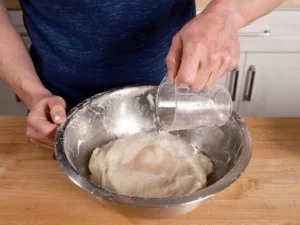
The hydration of the dough is a critical factor, especially when incorporating cocoa powder. As previously mentioned, cocoa powder’s absorbent nature means the dough will likely require a small amount of additional water, typically around 14 grams (1 tablespoon). Firkser’s approach is to add this water gradually, recognizing that the precise hydration needs can vary based on numerous factors, including room temperature, the type of butter used, and even the brand of flour and cocoa powder. "Start adding it slowly: you may not need the full tablespoon; or you may need a bit more," she advises. This meticulous approach to hydration ensures optimal dough consistency, crucial for achieving the desired flaky layers in a galette crust.
Versatile Fillings for the Cocoa Crust
The subtle toasty-fruity notes of the cocoa sourdough discard crust make it a versatile base for a wide array of fillings. Firkser suggests several pairings that align with seasonal flavors. For autumn, she recommends her Pear with Sumac and Ginger galette, Gingery Cranberry Sauce, or Crumble-Topped Kabocha Squash, noting their suitability for holiday gatherings. Winter offerings include Creamy Pistachio and Citrus and Cocoa and Toasted Pecan galettes, which are also fitting for Thanksgiving celebrations. For spring, an Apricot and Pepita-Sesame Frangipane galette is suggested, while the classic combination of Blue and Black Berries is highlighted as an ideal summer choice.

Frequently Asked Questions Addressed
To further assist bakers, Firkser addresses several common inquiries regarding the cocoa sourdough discard galette crust:
- Cocoa Powder Type: Both Dutch-process (alkalized) and natural (acidic) cocoa powders can be used. Since galette dough does not rely on chemical leaveners, the acidity of the cocoa is not a critical factor. Dutch-process will result in a darker hue and a mildly earthy flavor, while natural cocoa will yield a tawny brown dough with a slightly citrusy-bitter note.
- Cacao Powder Substitution: While cacao powder, made from unroasted cocoa beans, offers a stronger, more bitter flavor and is more absorbent, it can be used as a substitute for cocoa powder in this recipe due to the small quantity used. However, a direct 1:1 substitution might alter the flavor profile significantly in other baking applications.
- Flour Alternatives: Using high-protein flours like bread flour is generally not recommended for galette dough, as it can lead to a tougher, less flaky crust. Heritage grain flours can be used, but they absorb more water, so an adjustment in hydration may be necessary.
- Crumbly Texture: The cocoa powder’s moisture absorption can contribute to a slightly more crumbly texture compared to other crust variations. This is a trade-off for the enhanced cocoa flavor.
- Sourdough Discard Quantity: While the recipe is designed with a specific range, using more sourdough discard than recommended could result in an overly sticky dough that is difficult to handle and may bake off tough. Conversely, using less discard can be compensated for by adding fresh flour and water.
- Adapting Other Crusts: The principle of incorporating sourdough discard can be applied to other crust recipes in Galette!. It is advised to start with approximately 110 grams (1/2 cup) of starter and omit an equal amount of dry flour and water to maintain proper hydration.
- Savory Fillings: While the cocoa flavor is subtle, this particular crust is best suited for sweet fillings, as savory options may not harmonize as effectively with its profile.
Looking Ahead
For those seeking a more traditional galette or pie crust experience, The Perfect Loaf offers a flaky sourdough discard pie crust recipe. Furthermore, Firkser’s Galette! cookbook is highly recommended for anyone passionate about this versatile pastry. The introduction of this cocoa sourdough discard crust represents a thoughtful expansion of the galette-making repertoire, offering bakers a delightful new avenue to explore the rich possibilities of flour, butter, and the magic of sourdough.