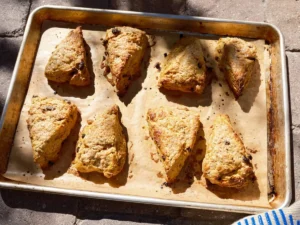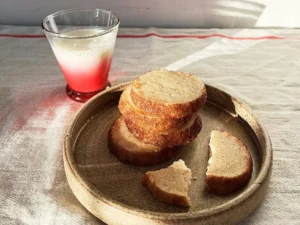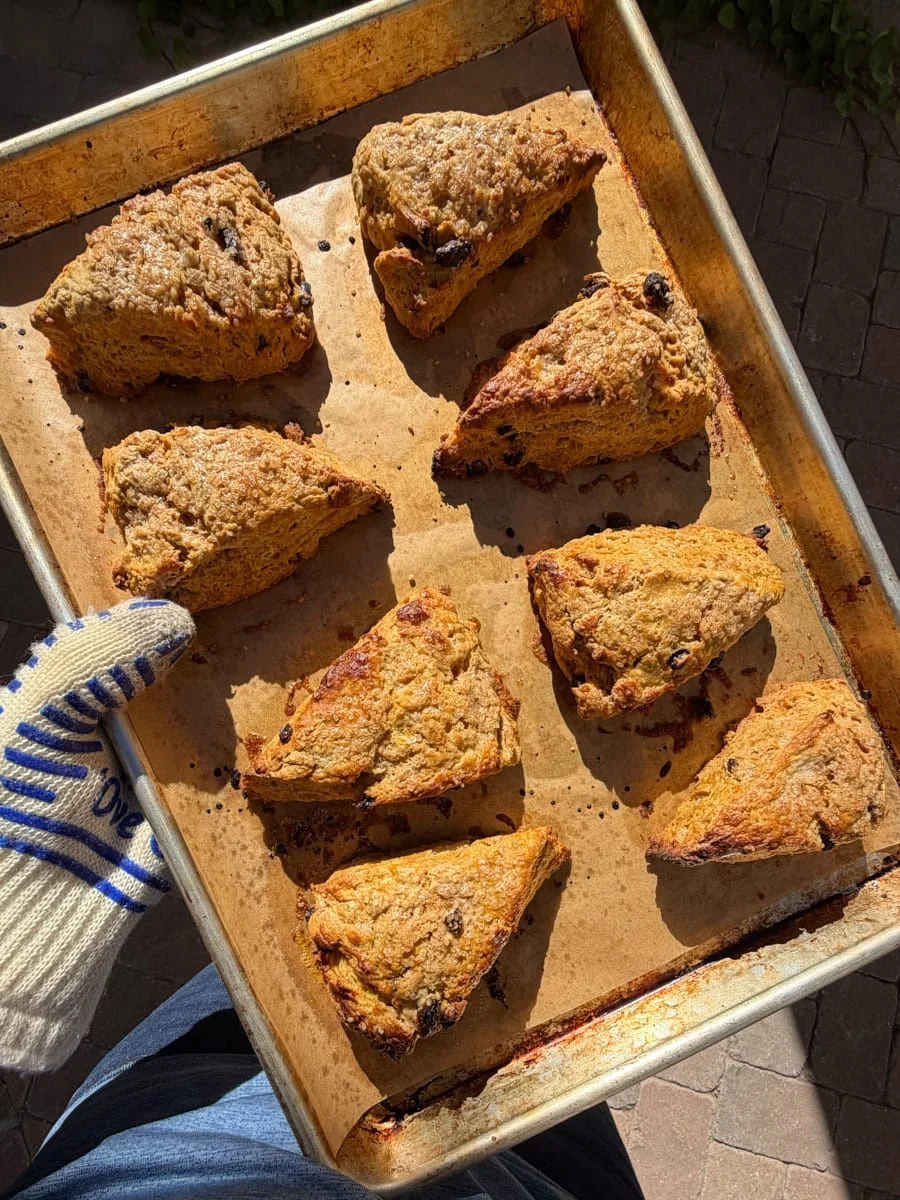

The pursuit of the perfect scone can be a journey filled with nuanced techniques and unexpected discoveries, particularly when venturing into the realm of sourdough baking at higher elevations. This article delves into the creation of sourdough pumpkin scones, a recipe that bridges the gap between a traditional dense scone and a lighter, more biscuit-like texture, offering a delectable solution for bakers seeking both flavor and structure.
At its core, the development of these scones addresses a common baking challenge: achieving a desirable rise and texture, especially in the thinner air of high-altitude regions. The author, a seasoned baker at high altitude, emphasizes that while personal preference dictates whether a baked good leans towards scone or biscuit territory, these particular creations are firmly categorized as scones due to their inherently sweet profile. The result is a scone with a surprisingly soft interior encased in a craggy, sturdy crust – a textural duality that appeals to a broad range of palates.
The Science Behind the Rise: High-Altitude Baking and Sourdough
Baking at high altitudes (typically above 3,000 feet) presents unique challenges for bakers. Reduced atmospheric pressure affects the way leavening agents, like yeast and baking powder, interact with dough. Gases expand more readily, causing baked goods to rise faster and potentially collapse. Moisture also evaporates more quickly, leading to drier results. For sourdough, the naturally occurring yeasts and bacteria in the starter are also influenced by these environmental factors.
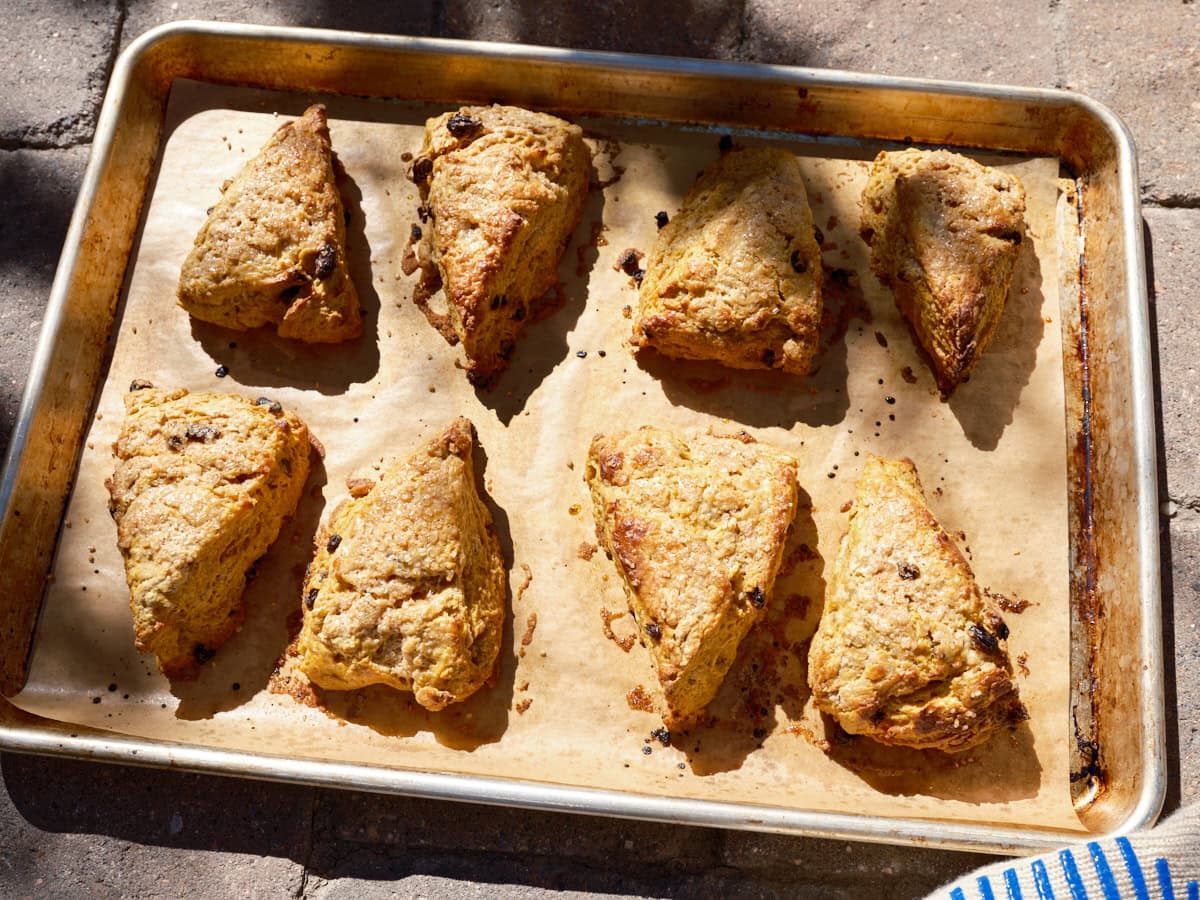
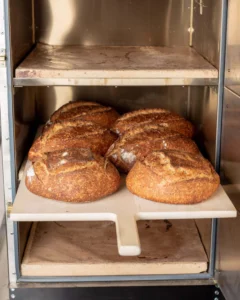
The author’s exploration into sourdough pumpkin scones is rooted in a deep understanding of these principles. The article highlights that the techniques employed are not only beneficial for achieving a well-risen scone but are particularly crucial for high-altitude bakers. This mirrors the adjustments needed when baking sourdough bread at high altitude, where small modifications can dramatically alter the final outcome, transforming a flat, uninspired loaf into a beautifully risen creation.
Einkorn Flour: A Foundation of Rustic Flavor
A key ingredient in this scone recipe is einkorn flour. Einkorn, one of the oldest cultivated wheats, is known for its distinctive nutty flavor and slightly lower gluten content compared to modern wheat varieties. The author notes that the earthy notes of einkorn flour provide a rustic counterpoint to the sweetness of the pumpkin, creating a more complex and balanced flavor profile.
For bakers who may not have einkorn flour readily available, the article offers a practical substitution: any whole wheat flour. It specifically suggests varieties like Red Fife, Butler’s Gold, or Marquis, which are known for their robust flavors, as ideal replacements. This flexibility ensures that the recipe remains accessible while still encouraging the use of whole grains for enhanced nutritional value and taste. The inclusion of whole grains is a growing trend in artisanal baking, as consumers increasingly seek out breads and pastries with a more natural and wholesome composition.
The Crucial Role of Buttermilk: Acidity and Texture
Buttermilk plays a pivotal role in achieving the desired tender and flaky texture in these scones. While it contains less fat than heavy cream, its inherent acidity is the secret ingredient. This low pH interacts with the sourdough starter, aiding in gluten relaxation and extensibility. This is especially beneficial when working with whole-grain flours like einkorn, which can sometimes have a more delicate gluten structure.
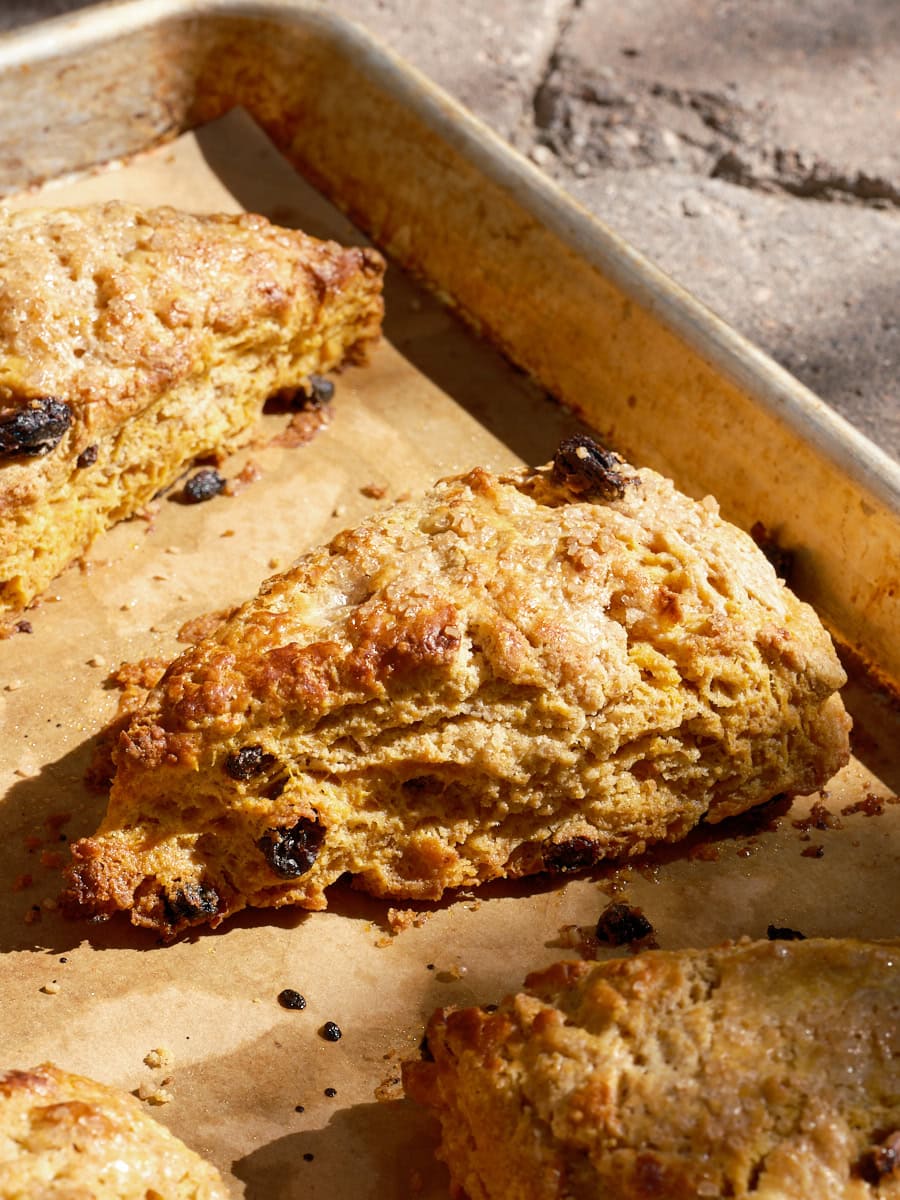
The acidity of buttermilk works synergistically with the active cultures in the sourdough starter. This fermentation process not only contributes to the complex flavor profile but also contributes to a more tender crumb. The author draws a comparison to their more traditional flaky sourdough scones, which utilize heavy cream for its high fat content to create distinct layers through fat encapsulation. In contrast, the buttermilk-based approach focuses on the enzymatic action of acids on gluten, resulting in a different, yet equally desirable, tender texture. This distinction highlights the diverse pathways to achieving excellent results in baking, where ingredient choices can lead to subtly different but equally rewarding outcomes.
Achieving Height: The Convection Oven Advantage
The pursuit of a tall, well-defined scone is also addressed through the strategic use of baking technology. The article posits that convection baking is a significant asset in achieving this goal. The intense, even heat generated by convection ovens helps to quickly form a crust on the exterior of the scones. This rapid setting of the dough’s surface prevents excessive spreading during the initial stages of baking, encouraging upward rise rather than outward expansion.
For bakers whose ovens lack a convection setting, the article offers a practical workaround: increasing the baking temperature by approximately 25°F for the initial minutes of baking. This strategy aims to mimic the rapid crust formation that convection provides, thereby promoting a taller scone. The importance of oven temperature and its impact on dough structure is a well-documented phenomenon in baking science, with variations in heat distribution directly influencing the final form and texture of baked goods.
Sourdough Starter Discard: A Sustainable Baking Practice
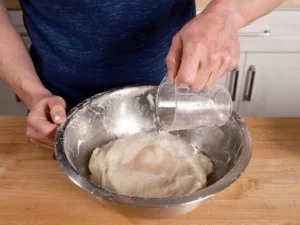
The use of sourdough starter discard is another significant aspect of this recipe. Sourdough baking inherently involves the discarding of a portion of active starter before feeding to maintain a healthy culture. Incorporating this discard into recipes like scones not only reduces waste but also adds a unique depth of flavor and contributes to the tender crumb. This practice aligns with a growing movement towards sustainable and zero-waste cooking, where every ingredient, even the byproducts of other processes, is utilized to its fullest potential.
Sourdough Pumpkin Scones: A Detailed Look at the Recipe Components
While the full ingredient list and instructions are presented in a structured recipe format within the original content, a deeper dive into the typical components of such a recipe can illuminate the baking process.
Typical Ingredients:
- Sourdough Starter Discard: The fermented base that provides leavening and a distinct tangy flavor.
- Flour: A blend of whole grain (like einkorn or whole wheat) and all-purpose flour to achieve both flavor and structure.
- Pumpkin Puree: The star flavor agent, providing moisture, sweetness, and color.
- Fat: Cold butter, cut into small pieces, is essential for creating flaky layers.
- Liquid: Buttermilk is the primary liquid, contributing to tenderness and flavor.
- Sweetener: Sugar or a liquid sweetener, balanced with the pumpkin’s natural sweetness.
- Leavening (Optional): A small amount of baking powder may be included to ensure a good rise, especially in high-altitude baking.
- Spices: Warm spices like cinnamon, nutmeg, ginger, and cloves complement the pumpkin flavor.
- Salt: Enhances the overall flavor profile.
- Add-ins (Optional): Raisins, dried cranberries, or chopped nuts can add textural interest and flavor complexity.
Typical Instructions:
- Dry Ingredients: Whisking together flours, sugar, spices, salt, and any baking powder.
- Cutting in the Fat: Incorporating cold butter into the dry ingredients until the mixture resembles coarse crumbs. This is a crucial step for creating flaky layers.
- Wet Ingredients: Combining sourdough discard, pumpkin puree, and buttermilk.
- Combining Wet and Dry: Gently mixing the wet ingredients into the dry until just combined. Overmixing can lead to tough scones.
- Incorporating Add-ins: Folding in any optional additions like raisins.
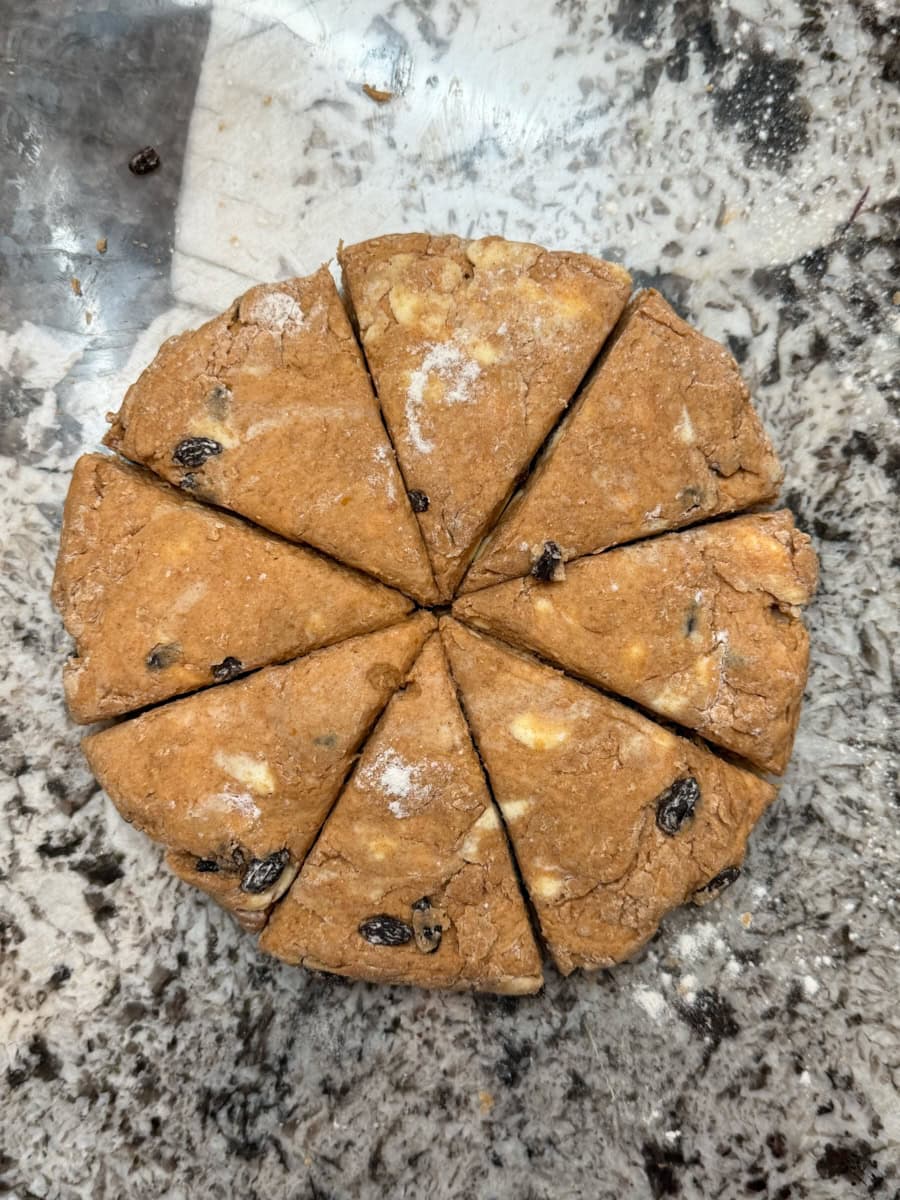
- Shaping: Patting the dough into a disc and cutting into wedges. The author emphasizes the importance of handling the dough minimally to maintain tenderness.
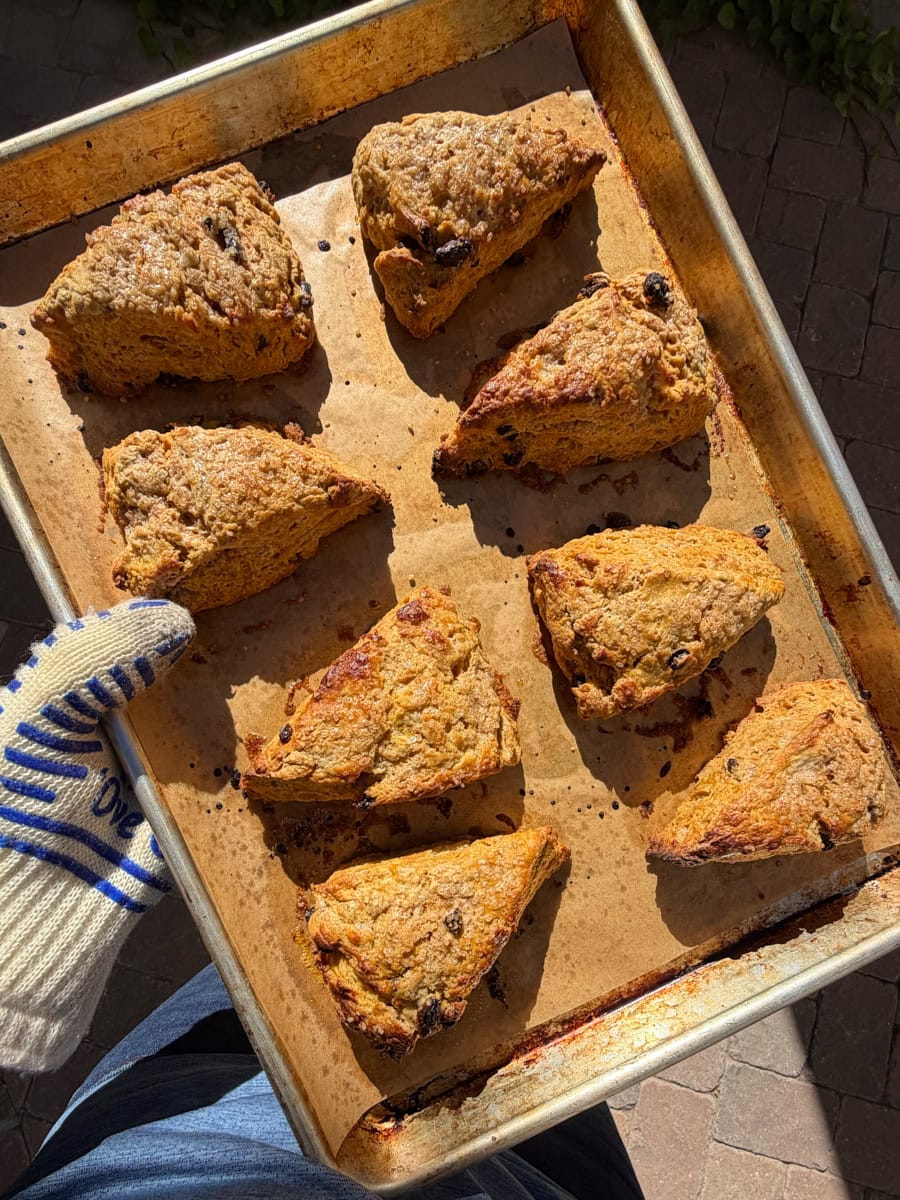
- Baking: Baking in a preheated oven, ideally with convection, until golden brown and cooked through. The specific temperature and duration will vary based on oven calibration and scone size.
Frequently Asked Questions: Addressing Common Baking Concerns
The article anticipates common questions from bakers, providing clear and concise answers.
- Substitutions for Pumpkin Puree: For those without pumpkin, sweet potato or butternut squash puree are viable alternatives, maintaining a similar weight. Applesauce or mashed banana can also be used, though they are sweeter.
- Alternative Flours: As mentioned, any whole wheat flour can replace einkorn, offering flexibility for home bakers.
- Buttermilk Substitutes: A homemade buttermilk can be created by adding white vinegar or lemon juice to milk. Kefir is also presented as a direct one-to-one substitute.
- Alternatives to Raisins: Dried cranberries are suggested as a flavorful alternative, with fresh or frozen blueberries also being a good option.
Broader Implications and Culinary Trends
The development of recipes like these sourdough pumpkin scones reflects several broader trends in the culinary world:
- Artisanal Baking Revival: There’s a renewed interest in traditional baking methods, particularly sourdough, driven by a desire for authentic flavors and healthier alternatives to commercially produced goods.
- Whole Grains and Heritage Flours: Consumers are increasingly seeking out baked goods made with a variety of flours, including ancient grains like einkorn, for their unique flavors and perceived health benefits.
- Sustainable Food Practices: The incorporation of sourdough discard aligns with a growing awareness of food waste and a desire to utilize all edible components of ingredients.
- High-Altitude Baking Solutions: As more people relocate to or travel to higher elevations, there is a growing need for recipes and techniques that address the challenges of high-altitude baking.
The author’s dedication to refining this recipe over several years, with thanks extended to Michele for her inspiration and collaboration, underscores the iterative nature of culinary development. This collaborative spirit and the pursuit of perfection in baking are hallmarks of a passionate community of food enthusiasts.
The journey from a simple desire for more pumpkin-inspired treats to a meticulously crafted sourdough pumpkin scone recipe illustrates the depth and complexity that can be found in everyday baking. By understanding the science behind ingredients, the impact of environmental factors like altitude, and the art of combining flavors and textures, bakers can unlock a world of delicious possibilities.