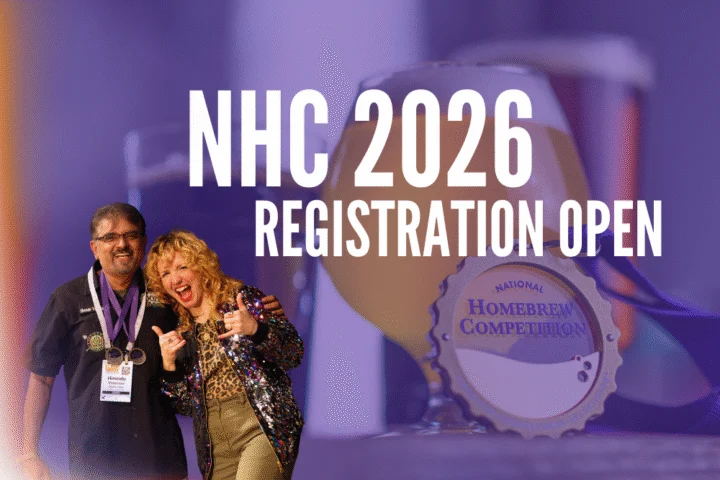

The American Homebrewers Association (AHA) has officially opened registration for the 2026 National Homebrew Competition (NHC), marking the 48th year of the world’s most prestigious amateur brewing event. Supported by the Beer Judge Certification Program (BJCP), the competition serves as the global gold standard for home-produced beer, mead, and cider. Since its inception in 1979, the NHC has processed and judged more than 170,000 entries, providing a critical platform for hobbyists to receive professional-grade feedback and compete for international recognition.
As the largest competition of its kind, the NHC continues to be a cornerstone of the craft brewing community. For 2026, the organizers have structured the event to include nine regional first-round judging sites, culminating in a final round and awards ceremony held during Homebrew Con in Asheville, North Carolina, in June. This multi-stage format ensures that every entry is evaluated by highly qualified judges, including top-level BJCP-certified experts and Cicerones, maintaining the rigorous standards that have defined the competition for nearly five decades.
Historical Context and the Evolution of the NHC
The National Homebrew Competition was founded at a pivotal moment in American brewing history. In 1978, President Jimmy Carter signed H.R. 1337, which legalized homebrewing at the federal level for the first time since Prohibition. The following year, the AHA launched the first NHC to provide a structured environment where brewers could test their skills. In that inaugural year, the competition was a modest gathering; today, it is a massive logistical undertaking that spans the entire United States.
The growth of the NHC mirrors the explosion of the craft beer industry. Many of the most iconic names in professional brewing—including the founders of Sierra Nevada Brewing Co., Dogfish Head Craft Brewery, and Bell’s Brewery—began their journeys as homebrewers, often participating in AHA-sanctioned events. The competition has evolved from a simple contest into a sophisticated educational tool. Through the use of the Brewing Application Portal (BAP) and standardized BJCP scoresheets, the NHC provides entrants with detailed sensory analysis, helping them refine their techniques and understand the nuances of fermentation science.
2026 Competition Structure and Regional Logistics
The 2026 NHC is designed as a series of eleven distinct events, comprising nine First Round judging locations and two major events during the national conference in Asheville. This decentralized approach allows for a broad geographic reach while managing the immense volume of entries. Each of the nine First Round sites is capped at 750 entries to ensure that judges can dedicate sufficient time and attention to every sample.
Brewers are given the flexibility to select their preferred First Round site during the registration process. This choice is not restricted by the brewer’s physical location, allowing participants to strategize based on shipping logistics or specific site schedules. However, because of the 750-entry cap per location, organizers urge early registration to secure a spot at a preferred site.
The judging process is overseen by the BJCP, a non-profit organization that trains and certifies beer judges. The collaboration between the AHA and the BJCP ensures that the evaluation is objective, focusing on style accuracy, technical execution, and sensory balance. Judges look for specific characteristics defined in the BJCP Style Guidelines, which are updated periodically to reflect the evolving landscape of global brewing traditions and modern innovations.
Key Deadlines and the 2026 Timeline
The window for registration is brief, reflecting the high demand for entry slots. Registration officially closes on February 25, 2026, at 8:00 AM Mountain Time. Prospective entrants must be active members of the American Homebrewers Association to participate, a requirement that reinforces the competition’s role in supporting the organized homebrewing community.
Following the close of registration, the timeline proceeds as follows:
- First Round Judging (Spring 2026): Entries are shipped to or dropped off at the nine regional sites. Specific receiving windows vary by location and will be communicated to registered brewers.
- Feedback and Advancement (April 2026): Once judging is completed at the regional level, participants receive their BJCP scoresheets via the BAP. The top three entries in each category—Bronze, Silver, and Gold—advance to the Final Round.
- Final Round Notification (By May 1, 2026): All brewers whose entries have qualified for the finals will be notified.
- Final Round Judging (June 2026): The final evaluation takes place in Asheville, NC, immediately preceding the awards ceremony.
- National Awards Ceremony (June 2026): The winners are announced during Homebrew Con, the AHA’s annual national conference.
The Significance of Professional Feedback
One of the primary drivers of participation in the NHC is the quality of feedback. Unlike casual tasting groups, NHC judges are trained to identify specific off-flavors, such as diacetyl, acetaldehyde, or oxidation, and provide actionable advice on how to correct these issues in future batches. For many brewers, a scoresheet from the NHC is more valuable than a medal, as it provides a professional roadmap for technical improvement.
The use of the Brewing Application Portal (BAP) has modernized this process, allowing for the digital distribution of scoresheets. This system ensures that brewers receive their feedback promptly after the conclusion of regional judging, allowing them to adjust their recipes or processes before the next brewing season.
Economic and Industry Implications
The NHC is more than just a contest; it is a significant economic driver within the craft beverage sector. The competition stimulates sales for homebrew supply shops, as thousands of brewers purchase ingredients, specialized yeasts, and high-end equipment to craft their entries. Furthermore, the event fosters innovation. Homebrewers are often at the forefront of experimental brewing, utilizing unusual adjuncts, exploring ancient styles, or pioneering new fermentation methods that eventually find their way into the professional market.
The selection of Asheville, North Carolina, as the host for the 2026 Final Round and Homebrew Con is a strategic choice. Known as "Beer City USA," Asheville boasts one of the highest concentrations of breweries per capita in the United States. The presence of the NHC in Asheville is expected to draw thousands of visitors, providing a boost to the local hospitality and tourism industries while highlighting the region’s vibrant brewing culture.
Official Responses and Community Engagement
While official statements from the AHA emphasize the "pursuit of brewing glory," the underlying sentiment among organizers is one of community and education. The Chair and Deputy Chair of the competition have opened dedicated forums on the AHA website to address technical questions and logistical concerns, reflecting a commitment to transparency and inclusivity.
Community leaders within the homebrewing world view the 2026 competition as a "rebound year" for the hobby. Following a period of fluctuation in the craft beer market, the steady interest in the NHC suggests that the grassroots passion for fermentation remains robust. "The NHC is the ultimate barometer for the health of the homebrewing community," noted one long-time BJCP judge. "The diversity of entries we see—from traditional German lagers to complex experimental meads—shows that the level of skill in home kitchens and garages is higher than it has ever been."
Technical Categories and Judging Criteria
The 2026 competition will cover a vast array of categories, including:
- Standard Beer Styles: Ranging from light lagers and pilsners to robust porters, stouts, and the ever-popular India Pale Ale (IPA) variants.
- Specialty and Experimental Beers: Entries that incorporate fruit, spices, wood-aging, or wild fermentation.
- Mead: Including traditional, fruit (melomel), and spiced (metheglin) versions.
- Cider and Perry: Covering standard and specialty variations of fermented apple and pear juices.
Each entry is judged against the specific descriptors for its declared style. Judges evaluate the "aroma" (malt, hops, esters, and other aromatics), "appearance" (color, clarity, and head retention), "flavor" (balance, finish, and aftertaste), and "mouthfeel" (body, carbonation, and warmth). The "overall impression" score allows judges to provide a holistic view of the beverage’s quality and "drinkability."
Conclusion and Participation Details
As registration continues through February 2026, the American Homebrewers Association remains focused on its mission to promote the hobby of homebrewing and to celebrate the accomplishments of amateur fermenters. With the 48th annual competition, the NHC reinforces its position as the definitive arena for brewing excellence.
For participants, the road to Asheville begins with a single batch of beer, cider, or mead. Whether the goal is to win a national medal or simply to receive a professional critique, the 2026 National Homebrew Competition offers an unparalleled opportunity for growth and recognition in the global brewing community. Interested parties are encouraged to renew their AHA memberships and finalize their registrations before the February 25 deadline to ensure their place in this historic event.