
The Evolution of Pectin Technology in Home Preservation
To understand the importance of this raspberry jam formulation, one must first look at the chemical history of pectin. Traditional jam recipes rely on high-methoxyl pectin, which is derived from citrus peels and apple pomace. For high-methoxyl pectin to form a "gel," it requires a specific environment: a high concentration of sugar (usually 55% to 85% by weight) and a precise level of acidity. If the sugar content is lowered, the pectin molecules fail to bond, resulting in a runny syrup rather than a spreadable jam.
In contrast, Pomona’s Universal Pectin is a low-methoxyl pectin. Its gelling property is triggered not by sugar, but by the presence of calcium. This chemical reaction allows the jam to set regardless of the sweetener used, or even with no sweetener at all. The inclusion of "calcium water"—a solution of water and food-grade monocalcium phosphate—is the catalyst that enables this raspberry jam to achieve the desired consistency. This technological advancement has democratized canning for diabetics, those on ketogenic diets, and individuals simply looking to enjoy the authentic taste of raspberries rather than a sugar-saturated confection.
Technical Specifications and Processing Requirements
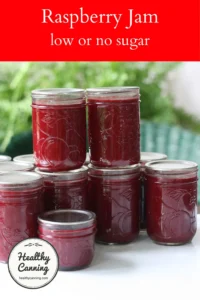
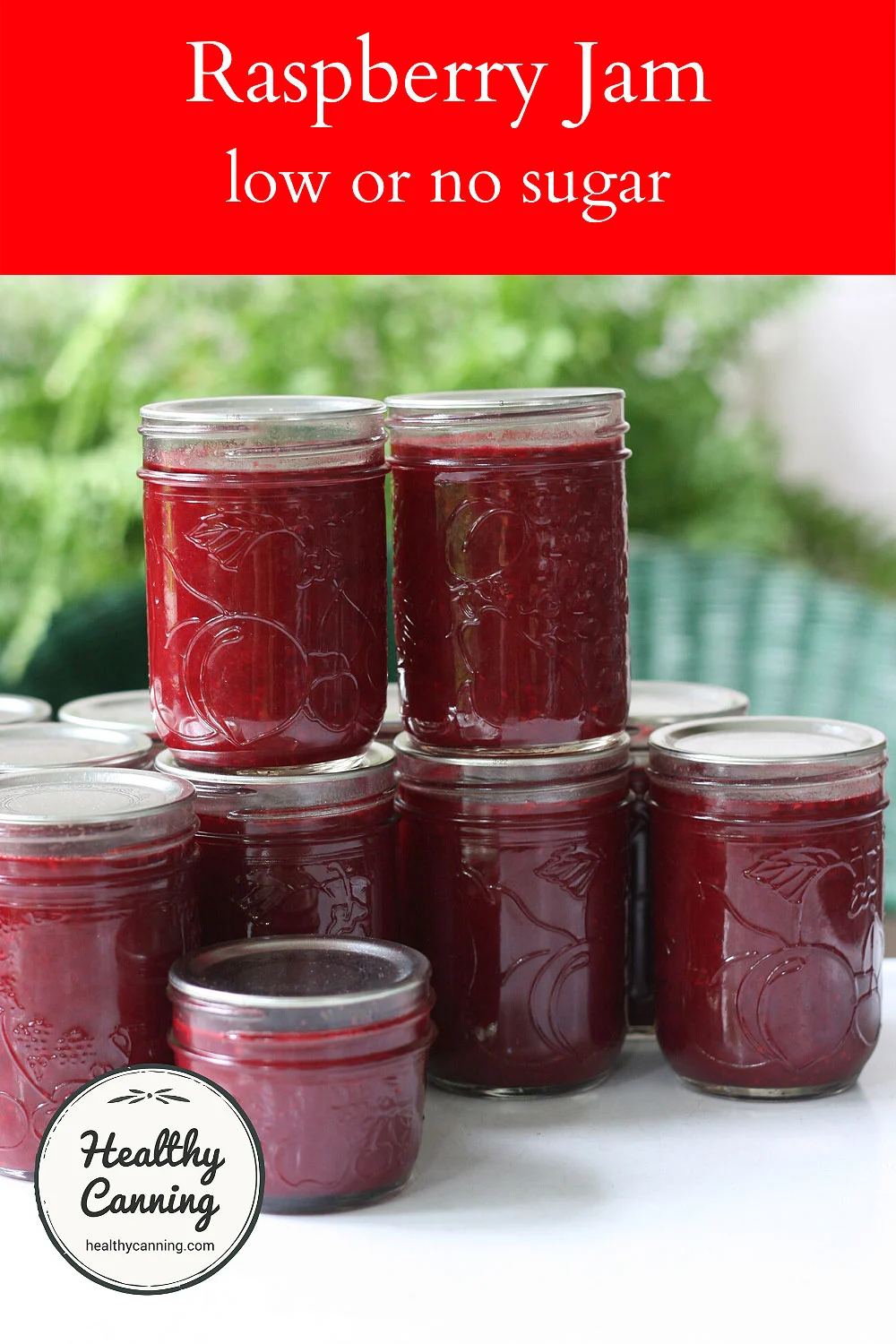
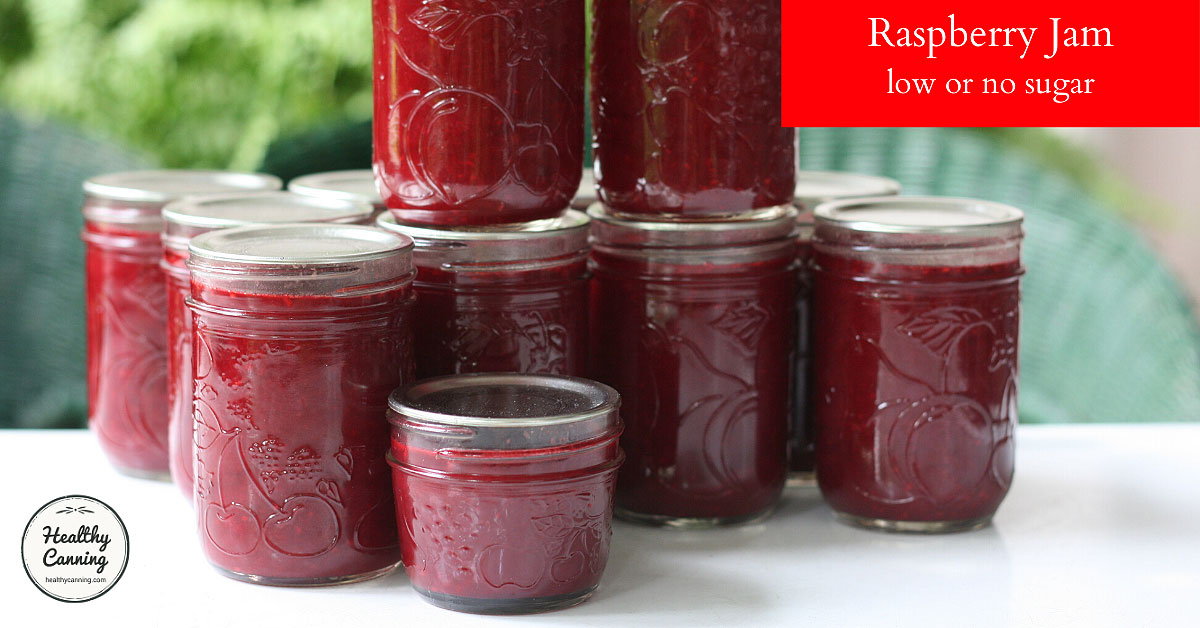
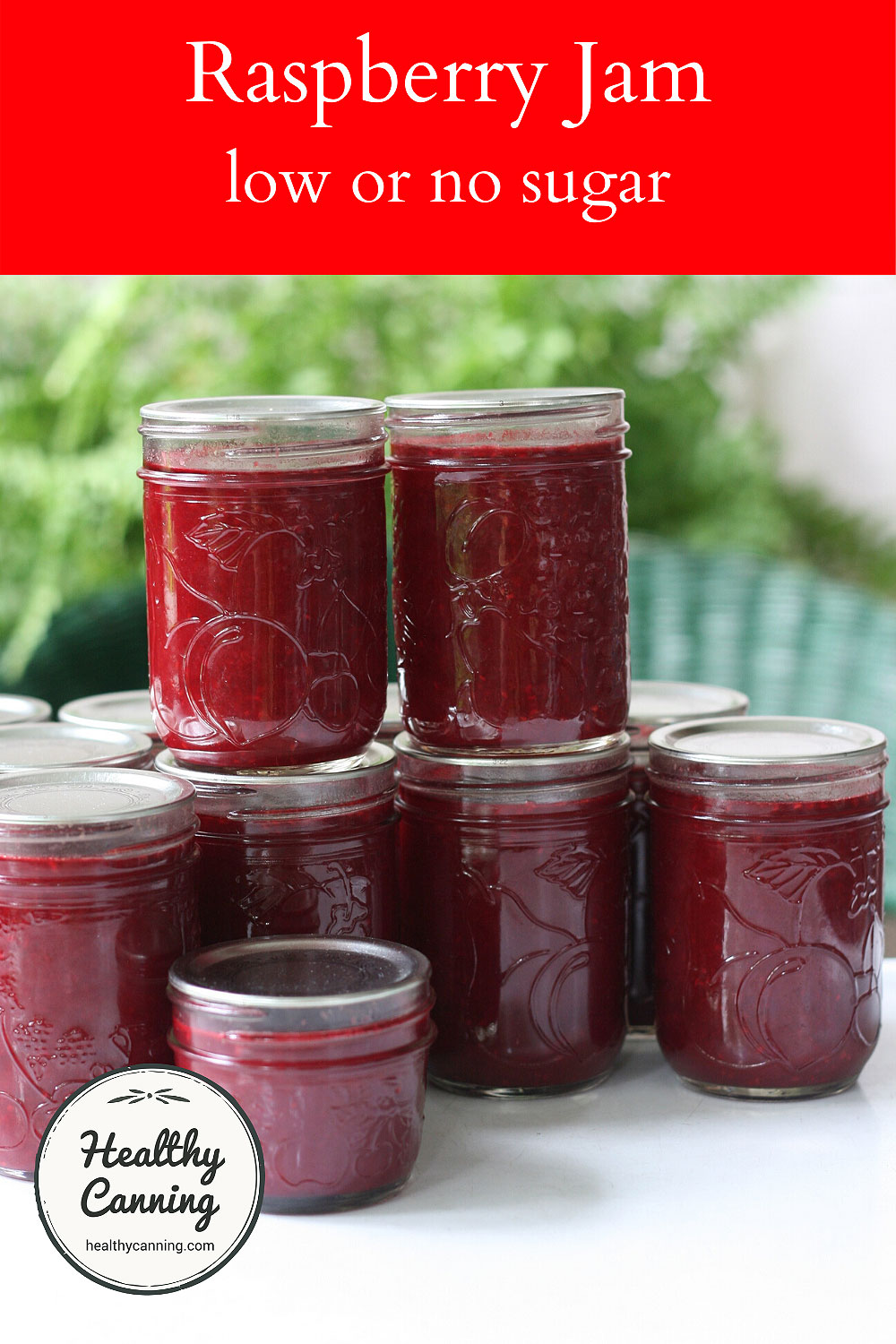
Precision is paramount in home canning to prevent spoilage and ensure the destruction of latent microorganisms. This raspberry jam recipe is designed for small-batch production, typically yielding four quarter-litre (250 ml or 8 oz) jars. The flexibility of the recipe also allows for the use of 125 ml (4 oz) jars, which are often preferred for gift-giving or for households with lower consumption rates.
The processing time is standardized at 10 minutes, though this must be adjusted based on the altitude of the canning location. In the realm of food science, the boiling point of water decreases as altitude increases; therefore, those living 1,000 feet above sea level or higher must increase their processing time to ensure the internal temperature of the jars reaches the necessary threshold for sterilization.
Two primary methods are approved for this recipe:
- Water Bath Canning: The traditional method involving the total immersion of jars in boiling water.
- Steam Canning: A more recent addition to approved home-canning guidelines, which uses a small amount of water to create a steam environment around the jars. This method is often favored for its efficiency, as it requires less water and less time to reach the necessary processing temperature.
A critical technical detail is the "headspace"—the gap between the top of the jam and the lid of the jar. For this raspberry jam, a headspace of 1 cm (1/4 inch) is required. This space allows for the expansion of the food during boiling and ensures that a proper vacuum seal is formed as the jar cools.
Chronology of the Canning Process
The production of raspberry jam follows a strict chronological sequence to ensure both quality and safety. The process begins with fruit selection. While fresh summer raspberries are the gold standard, the recipe is fully compatible with frozen berries, making it a year-round possibility for home preservers.
Phase 1: Preparation and Extraction
The raspberries must be cleaned and mashed. A unique feature of this specific recipe is the "straining option." Raspberries are known for their high seed content, which some consumers find undesirable. By straining a portion or all of the mashed fruit through a fine-mesh sieve or food mill, the preserver can create a "seedless" or "low-seed" jam. This step, while optional, significantly alters the mouthfeel and aesthetic of the final product.
Phase 2: The Calcium Interaction
Before the fruit is heated, the calcium water must be prepared. This involves mixing the monocalcium phosphate powder provided in the pectin package with water. This solution is added to the fruit mixture in the pot. Simultaneously, the pectin powder is mixed into the chosen sweetener (sugar, honey, or a sugar substitute) to prevent clumping.
Phase 3: Thermal Processing
The fruit and calcium water are brought to a boil. Once boiling, the sweetener-pectin mixture is added. The jam is stirred vigorously for one to two minutes while maintaining a full boil to ensure the pectin is fully dissolved and the calcium reaction is complete.
Phase 4: Jarring and Sealing
The hot jam is funneled into sterilized jars, leaving the requisite 1/4 inch headspace. The rims are wiped clean to ensure no residue interferes with the seal, and the lids are applied "finger-tip tight." The jars are then processed in the canner for the duration dictated by the recipe and local altitude.
Nutritional Analysis and Sweetener Versatility
One of the primary drivers of interest in this recipe is its impressive nutritional profile, particularly when compared to commercial jams. A standard tablespoon of this raspberry jam made with sugar contains approximately 21 calories and 5 grams of carbohydrates. However, the versatility of Pomona pectin allows for even more drastic reductions.
If granulated Splenda is used as the sweetener, the caloric count drops to roughly 10 calories per tablespoon, with only 2 grams of carbohydrates. The recipe also supports the use of honey (1/2 to 1 cup), liquid stevia (2 teaspoons), or even concentrated fruit juice. This adaptability makes it a staple for clinical nutritionists advising patients on dietary restrictions.
Data suggests that the average American consumes significantly more sugar than the recommended daily allowance, with "hidden sugars" in condiments and spreads being a major contributor. By transitioning to a low-sugar home-canned jam, a household can reduce its annual refined sugar intake by several pounds, depending on consumption habits.
Safety Standards and Official Responses
Food safety experts and Master Food Preservers emphasize that while home canning is a rewarding endeavor, it must be approached with scientific rigor. The Raspberry Jam with Pomona Pectin recipe adheres to the safety principles established by the United States Department of Agriculture (USDA) and the National Center for Home Food Preservation (NCHFP).
Master Food Preserver groups often receive inquiries regarding the safety of modifying recipes. Their official stance remains that while the sweetener levels in a Pomona-based recipe can be safely adjusted (because sugar is not the preservative agent in this specific chemical environment), the acidity and processing times must never be compromised. Raspberries are naturally acidic, but the addition of ascorbic acid or citric acid is sometimes recommended to preserve the bright red color and ensure the pH remains well within the safe zone (below 4.6) to prevent the growth of Clostridium botulinum.
The shelf life of these home-canned goods is generally cited as one to two years for optimal quality. While the vacuum seal may remain intact longer, the nutritional value and color of the jam will gradually degrade over time.
Broader Impact on Food Security and Sustainability
The move toward home canning is more than a culinary trend; it is a component of a broader movement toward food sovereignty and sustainability. By preserving raspberries at their peak—often during a "glut" or harvest surplus—consumers reduce food waste. Furthermore, home canning eliminates the need for the plastic packaging and transportation emissions associated with store-bought alternatives.
Economically, the "Cottage Food" movement has seen many small-scale entrepreneurs use recipes like this to launch local businesses. While regulations vary by state and country, the ability to produce a shelf-stable, low-sugar product allows small-scale producers to fill a niche in farmers’ markets that large-scale industrial manufacturers often overlook.
The cultural impact is also noteworthy. Raspberry jam is a traditional staple in American and European cuisines, appearing in everything from breakfast toasts to complex desserts like Linzer tortes. By modernizing the recipe to meet 21st-century health standards, the tradition of home canning is preserved for a new generation.
In conclusion, Raspberry Jam with Pomona Pectin Low or No Sugar Options for Home Canning serves as a bridge between ancestral preservation techniques and modern nutritional science. It empowers the individual to control exactly what goes into their food, ensuring that the final product is not only delicious and vibrant but also aligned with a healthy, sustainable lifestyle. Through careful adherence to processing times, headspace requirements, and the unique chemistry of low-methoxyl pectin, the home cook can transform a seasonal harvest into a year-long pantry staple that stands as a testament to the enduring value of self-sufficiency.