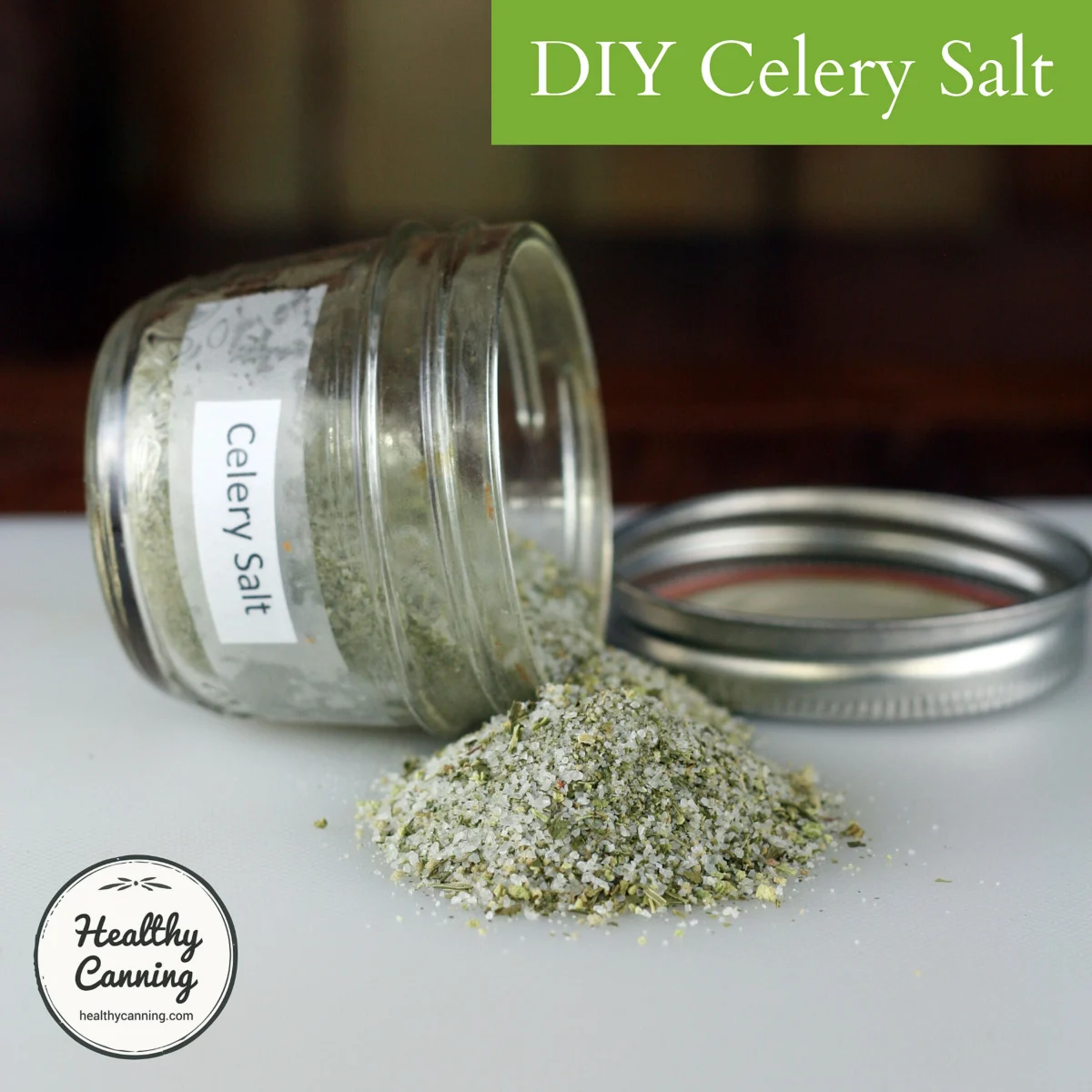

The culinary landscape has seen a significant shift toward the "from-scratch" movement, as consumers increasingly prioritize transparency in ingredients, cost-efficiency, and flavor customization. Among the most versatile yet overlooked staples in the spice rack is celery salt. While commercially available in every supermarket, the DIY production of this seasoning offers a superior alternative that caters to gourmet palates and specific health requirements. By blending ground celery seeds or dehydrated celery powder with high-quality salts, home cooks can produce a professional-grade seasoning for a fraction of the retail cost, often described as "pennies on the dollar."
The Culinary Significance and Historical Context of Celery Salt
Celery salt is more than a simple mixture; it is a cornerstone of American culinary identity. Its history is deeply intertwined with the development of iconic regional dishes and the evolution of the spice trade in the early 20th century. Most famously, celery salt is the "secret ingredient" that defines the Chicago-style hot dog, providing a distinct savory note that balances the richness of the beef and the acidity of the pickles. It is also a non-negotiable component of the Bloody Mary cocktail and serves as a primary ingredient in legendary spice blends like Old Bay Seasoning, which has defined Mid-Atlantic seafood preparation since 1939.
The flavor profile of celery salt is characterized by its "umami" qualities. Celery contains natural nitrates and phthalides, which act as flavor enhancers, intensifying the savory notes of meats, soups, and stews. In professional kitchens, celery salt is often used as a finishing touch for coleslaws, potato salads, and roasted vegetables, providing a complex aromatic lift that plain table salt cannot achieve.

The Economic and Environmental Case for DIY Production
From an economic perspective, the markup on bottled spices is among the highest in the grocery industry. A standard 4-ounce jar of name-brand celery salt can retail for several dollars, whereas bulk celery seeds and sea salt purchased in larger quantities cost significantly less per ounce. By producing the blend at home, a household can reduce its grocery expenditure while ensuring a fresher product.
Environmentally, the DIY approach aligns with "zero-waste" kitchen philosophies. Many home cooks discard the leafy tops of celery stalks, unaware that these leaves contain the highest concentration of flavor. By dehydrating these leaves and grinding them into a fine powder, individuals can create a "gourmet" celery component that is arguably superior to the seed-based versions found in stores. This process turns organic waste into a high-value pantry staple, reducing the carbon footprint associated with commercial spice processing and plastic packaging.
Technical Chronology: From Raw Ingredient to Finished Seasoning
The production of high-quality celery salt follows a specific technical progression to ensure the preservation of volatile oils and the achievement of an ideal texture.
- Sourcing the Celery Component: The maker must choose between celery seeds and celery powder. Celery seeds (the fruit of the Apium graveolens plant) provide a concentrated, slightly bitter, and earthy flavor. Alternatively, homemade celery powder, made from dehydrated stalks and leaves, offers a brighter, more vegetal note.
- The Dehydration Phase (Optional): If using fresh celery, the vegetable must be sliced thinly and dried in a food dehydrator at 125°F (52°C) until brittle. This ensures that no moisture remains, which would otherwise cause the salt to clump or develop mold.
- The Grinding Process: Using a mortar and pestle or a dedicated electric spice grinder, the seeds or dried leaves are reduced to a fine powder. This step is crucial for flavor release, as grinding breaks the cell walls of the seeds to liberate aromatic oils.
- The Blending Ratio: While personal preference dictates the final mix, a standard ratio is roughly two parts salt to one part celery powder/seed. For a more intense flavor, a 1:1 ratio can be employed.
- Homogenization and Storage: The ingredients are thoroughly mixed and transferred to an airtight glass container. Storing the blend in a cool, dark place prevents the oxidation of the celery’s essential oils, maintaining potency for six to twelve months.
Ingredient Science: Customizing the Gourmet Experience
One of the primary advantages of DIY celery salt is the ability to select the base salt, which constitutes the majority of the blend’s volume and mineral profile.

- Sea Salt: Often preferred for its clean finish and trace minerals, sea salt provides a foundational salinity that allows the celery notes to shine.
- Smoked Salt: Utilizing wood-smoked salts (such as hickory or applewood) adds a layer of complexity, making the celery salt an excellent dry rub for grilled meats or a seasoning for vegetarian "bacon" substitutes.
- Himalayan Pink Salt: Known for its aesthetic appeal and high mineral content, this salt creates a visually striking blend suitable for gifting.
- Salt Substitutes: For individuals managing hypertension or cardiovascular issues, the salt can be replaced entirely with potassium-based substitutes or herbal blends like Herbamare. This creates a "sodium-free" celery seasoning that maintains the flavor profile required for specialized diets.
Health Implications and Dietary Management
The modern diet is often criticized for its excessive sodium content, much of which comes from processed foods and commercial seasonings containing anti-caking agents like sodium aluminosilicate or silicon dioxide. By manufacturing celery salt at home, consumers eliminate these additives.
Furthermore, the natural nitrates found in celery have been a subject of study in food science. While synthetic nitrates used in cured meats are often viewed with caution, the naturally occurring nitrates in celery are frequently used as organic alternatives for curing meats like ham and bacon. While the amount of celery salt consumed is typically small, using a homemade version ensures that the source of these compounds is as "clean" as possible.
According to data from the World Health Organization (WHO), reducing sodium intake is one of the most cost-effective measures to improve health outcomes globally. A DIY approach allows users to gradually reduce the salt-to-celery ratio, effectively training the palate to enjoy lower-sodium meals without sacrificing the "bite" and aroma provided by the celery.
Market Trends and Consumer Behavior
The shift toward DIY seasonings reflects a broader trend in the global spice market. Industry analysts report that the global seasoning and spices market is projected to reach over $20 billion by 2026, driven by an increasing interest in ethnic cuisines and "clean label" products. As consumers become more educated about food origins, there is a growing distrust of the "proprietary blends" used by large food corporations.
"The rise of the ‘prosumer’ in the kitchen—individuals who approach home cooking with professional-grade tools and knowledge—has changed the spice industry," notes a market analyst. "People no longer want a generic yellow tin of celery salt; they want to know if the salt is flaky or fine-grained, and if the celery was organic."
Broader Impact on Home Preservation
The production of celery salt is often a "gateway" activity for the broader practice of food preservation and canning. Organizations such as Master Food Preserver groups emphasize that making dry mixes is an essential skill for a self-sufficient kitchen. These groups provide resources and telephone hotlines to help consumers navigate the safety and technical aspects of food dehydration and storage.
By mastering a simple blend like celery salt, home cooks gain the confidence to experiment with other compound salts, such as garlic salt, onion salt, or citrus-infused salts. This modular approach to cooking allows for a highly personalized pantry that reflects the specific tastes and health goals of the household.
Conclusion
Crafting celery salt at home is a prime example of how a simple kitchen task can intersect with broader themes of economic savvy, health consciousness, and culinary excellence. Whether it is used to top a classic Chicago dog, rim a glass for a weekend cocktail, or season a low-sodium soup, the DIY version stands as a superior product to its commercial counterparts. By selecting high-quality salts and utilizing fresh celery components, the modern cook transforms a humble seasoning into a gourmet tool, proving that the best flavors are often those reclaimed from the industrial food chain and returned to the hands of the individual.