
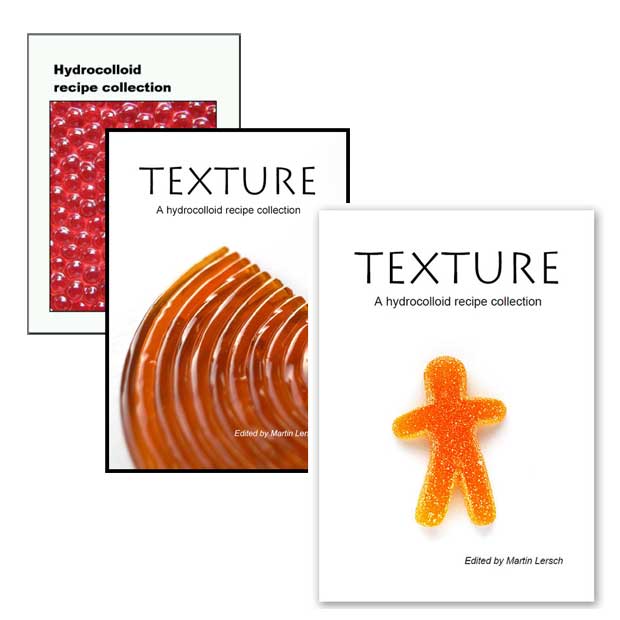
A Legacy of Culinary Innovation: The "Texture" Project
First launched in 2007 with version 1.0, "Texture – A hydrocolloid recipe collection" quickly established itself as an indispensable guide for chefs, food scientists, and culinary enthusiasts exploring the transformative potential of hydrocolloids. Its subsequent iterations, v.2.0 in 2008 and v.3.0 in 2014, progressively expanded its repertoire, offering detailed recipes and scientific insights into these versatile ingredients. Hydrocolloids, a broad class of substances that form gels, thicken solutions, or stabilize emulsions when dispersed in water, have been pivotal in the development of modernist cuisine, allowing for novel textures, forms, and presentations previously unimaginable in traditional cooking. From creating spheres of liquid flavor to crafting ethereal foams and delicate gels, hydrocolloids have empowered a generation of culinary innovators. The "Texture" project, spearheaded by the Khymos.org platform, has been instrumental in demystifying these complex ingredients, translating scientific principles into practical, accessible recipes. Its open-source nature and reliance on community contributions have fostered a collaborative environment, making it a living document that evolves with culinary trends and scientific advancements. The project’s longevity and continued relevance underscore the enduring fascination with the science of food and the art of texture.
The Impetus for v.3.1: Responding to a Dynamic Culinary Landscape
The decision to embark on the v.3.1 update comes after a six-year hiatus since the last major revision, reflecting a natural cycle of refinement for a dynamic culinary resource. The editor behind the project noted the elapsed time as a clear indicator for a necessary review. This incremental revision, while not a complete overhaul, is crucial for maintaining the accuracy and comprehensiveness expected of such a respected reference. A core component of this update is the meticulous process of "ironing out wrinkles," which primarily involves addressing typos, correcting errors, and refining existing recipes based on real-world testing and feedback. This commitment to precision highlights the scientific rigor underpinning the "Texture" collection, where even minor inaccuracies can significantly impact experimental culinary outcomes.
The project’s editor extends profound gratitude to the global community of contributors whose feedback, corrections, and recipe submissions have been invaluable. This collaborative spirit is a hallmark of the Khymos.org ethos, transforming what could be a static document into a vibrant, continuously improved resource. The editor explicitly stated that all feedback, even if not individually acknowledged immediately, has been carefully read and will be integrated into the upcoming version. This emphasis on community engagement underscores the democratic nature of knowledge sharing in the digital age, particularly within specialized fields like food science and modernist gastronomy.
A significant call to action has been issued for the submission of photographic evidence. The editor stresses that a recipe accompanied by a photo serves as a strong indicator of successful testing and a positive outcome. This visual verification is particularly vital in modernist cuisine, where the aesthetic and structural integrity of a dish are paramount. Previous guidelines for photo submission, detailed on a blog post from 2010 and also found on page 8 of the existing "Texture" document, remain in effect, ensuring quality and consistency in visual contributions. This visual library not only enhances the user experience but also provides tangible proof of concept, inspiring confidence in the recipes’ reliability. The inclusion of high-quality, relevant imagery transforms abstract recipes into achievable culinary goals, making the resource more approachable for both novices and seasoned professionals.
Expanding the Hydrocolloid Horizon: Focus on Underrepresented Agents
A key objective of the v.3.1 update is to address the notable underrepresentation of several important hydrocolloids within the existing collection. Specifically, guar gum, gum arabic, konjac, locust bean gum, and tara gum have been identified as requiring more extensive coverage. These hydrocolloids possess unique properties and a wide range of applications that deserve greater prominence.
- Guar gum, derived from guar beans, is a potent thickener and stabilizer, widely used in gluten-free baking and dairy alternatives for its ability to create viscosity and improve texture. Its market value has seen consistent growth, projected to exceed USD 1.2 billion by 2025, driven by its versatility across food, pharmaceutical, and industrial sectors.
- Gum arabic, an exudate from acacia trees, is prized for its emulsifying and encapsulating properties, crucial in confectionery, beverage stabilization, and flavor encapsulation. Its subtle mouthfeel and solubility make it a preferred choice for delicate applications.
- Konjac, extracted from the konjac plant, is renowned for forming heat-stable, elastic gels, a staple in Asian cuisine and increasingly popular in vegan and low-calorie food products. The global konjac market is anticipated to reach USD 1.1 billion by 2027, driven by health and wellness trends.
- Locust bean gum (carob gum), sourced from the carob tree, is a thickener and gelling agent often used in synergy with other hydrocolloids to create robust textures, particularly in ice cream and dairy products, preventing ice crystal formation.
- Tara gum, obtained from the seeds of the tara plant, offers properties intermediate to those of guar and locust bean gum, providing good viscosity and stability in various food systems, including sauces, dressings, and desserts.
The editor is actively soliciting recipes that highlight the diverse culinary potential of these specific hydrocolloids. This focus aims not only to enrich the "Texture" collection but also to encourage broader experimentation and understanding of these often-overlooked ingredients. Submissions for these categories can be made via the comments section of the announcement or directly to [email protected].
Furthermore, the update seeks to identify and incorporate information on hydrocolloids that might be entirely missing from the current collection. While some omissions are intentional, such as proprietary products like Ultra-Tex and Pure Cote (both modified starches) or Trisol (a wheat fiber), to avoid promoting commercial brands, the project remains open to including rare or novel hydrocolloids. This distinction ensures the collection maintains its focus on fundamental ingredients rather than specific branded formulations. This openness to accidental omissions and emerging ingredients reflects the dynamic nature of food science and the continuous discovery of new functional ingredients.
Beyond Hydrocolloids: Embracing Traditional Gelling Mechanisms
Perhaps one of the most intriguing additions to v.3.1 is the expansion of the category labeled "non-hydrocolloid recipes." This section aims to celebrate and scientifically explain traditional gels and foams from regional kitchens worldwide where no commercially recognized hydrocolloid is explicitly added, but where unique gelling or foaming mechanisms are at play. This initiative bridges the gap between ancient culinary wisdom and modern food science, demonstrating that sophisticated textural transformations have long been part of human gastronomy.
Examples already earmarked for this section illustrate the diversity of these mechanisms:
- Junket and Cuajada: These dairy products rely on enzymatic coagulation, typically using rennet, to form delicate, custard-like gels. The rennet enzyme cleaves casein proteins in milk, leading to their aggregation and the formation of a soft curd.
- Ginger Milk Custard: A classic Chinese dessert where the proteolytic enzymes in fresh ginger juice cause milk proteins to coagulate, resulting in a silky-smooth, wobbly custard. The precise temperature control is critical for success.
- Aiyu Jelly and Grass Jelly: Popular East Asian desserts derived from plant extracts. Aiyu jelly comes from the seeds of the creeping fig, forming a gel when rubbed with water, while grass jelly, made from the mesona chinensis plant, utilizes its pectin-like polysaccharides to create a dark, firm gel.
- Gelled Seafood Sauce: Many traditional seafood preparations, particularly those rich in collagen from bones and skin, naturally gel upon cooling due to the collagen denaturing into gelatin. This is a fundamental principle in stocks and aspics.
- Tofu: A quintessential example of protein coagulation, where soy milk proteins are precipitated by coagulants like nigari (magnesium chloride) or gypsum (calcium sulfate) to form curds, which are then pressed into blocks.
- Hominy: While not typically a gel, hominy production (nixtamalization) involves treating corn with an alkali solution, which softens the kernels and alters their starch structure, contributing to a unique texture and mouthfeel that can be foundational for dishes like pozole.
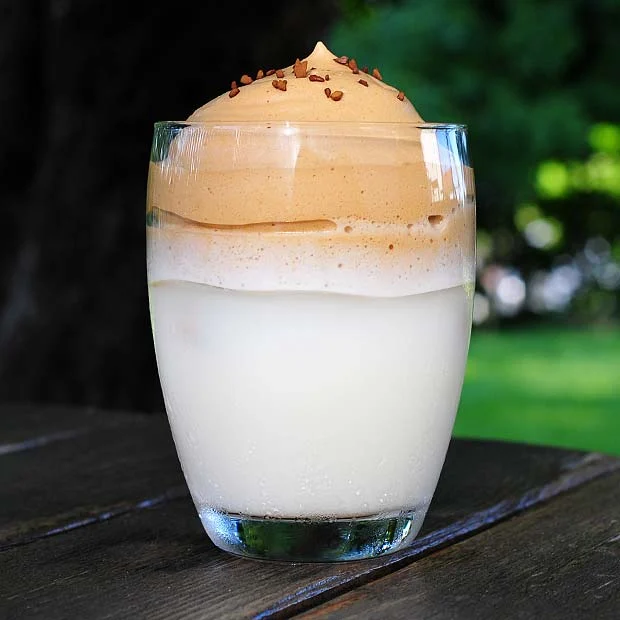
The editor is actively seeking community input to identify more such examples of naturally occurring gels or foams. This participatory approach acknowledges the vast, often undocumented, culinary knowledge embedded in diverse cultures. A contemporary example that will undoubtedly be included is the Dalgona coffee foam. This viral sensation from early 2020 captivated the internet, demonstrating a simple yet effective foam created by whipping instant coffee, sugar, and hot water. The stability of Dalgona foam relies on the emulsifying and foam-stabilizing properties of the coffee solids and sugar, which increase the viscosity of the mixture and prevent air bubbles from collapsing, effectively creating a stable emulsion and foam without external hydrocolloids. Its inclusion highlights the project’s responsiveness to current culinary trends and its commitment to analyzing the science behind everyday food phenomena.
The inclusion of these non-hydrocolloid examples serves a dual purpose: it enriches the collection with traditional wisdom and provides a comparative scientific framework. By analyzing the underlying mechanisms, the "Texture" project continues to educate its audience on the diverse ways in which food structure can be manipulated, whether through modern ingredients or time-honored techniques.
The Power of Community: A Call to Action for Culinary Enthusiasts
The impending v.3.1 update to "Texture – A hydrocolloid recipe collection" is a testament to the power of collaborative knowledge and open-source principles in the culinary world. The editor’s earnest request for community contributions underscores the vital role that users play in the continuous improvement and expansion of this unique resource. From identifying errors and typos to submitting new recipes and illustrative photographs, every piece of feedback contributes to the project’s accuracy, comprehensiveness, and utility.
The active solicitation of recipes for underrepresented hydrocolloids like guar gum, gum arabic, konjac, locust bean gum, and tara gum is not merely about filling gaps; it is about enriching the collective understanding of these ingredients’ full potential. Similarly, the call for examples of traditional, non-hydrocolloid gels and foams from global cuisines reflects a deep appreciation for the diverse ways cultures have innovated with food textures over centuries. This broadens the scope of "Texture" beyond modernist techniques, creating a more holistic compendium of textural manipulation.
The direct communication channels – comments sections and the dedicated email address ([email protected]) – reinforce the accessibility and responsiveness of the project’s leadership. This open dialogue ensures that the "Texture" collection remains a living, evolving document, continually updated with the latest insights and discoveries from its worldwide community of users. This model of community-driven content development stands in stark contrast to more traditional, top-down publishing approaches, fostering a sense of shared ownership and collective expertise.
Implications for the Future of Gastronomy
The v.3.1 update carries significant implications for the future trajectory of gastronomy. Firstly, it further democratizes access to complex food science knowledge. By presenting intricate concepts in an accessible, recipe-driven format, "Texture" empowers home cooks and professional chefs alike to experiment with advanced techniques, fostering innovation at all levels of culinary practice. This educational aspect is crucial for culinary schools and aspiring food scientists, providing a practical complement to theoretical learning.
Secondly, the emphasis on underrepresented and traditional gelling agents encourages a more diverse and sustainable approach to ingredient sourcing and usage. Exploring less common hydrocolloids can lead to new product developments and potentially more sustainable supply chains, reducing reliance on a few dominant ingredients. Furthermore, the celebration of traditional gels highlights the importance of culinary heritage and the scientific ingenuity embedded in age-old recipes, promoting cross-cultural understanding and appreciation.
Thirdly, the project’s commitment to continuous improvement through community feedback sets a high standard for open-source culinary resources. In an era where information can be rapidly disseminated (and sometimes misconstrued), a resource that prioritizes accuracy, peer review, and visual verification becomes an invaluable beacon of reliability. The inclusion of current phenomena like Dalgona coffee demonstrates the project’s agility and relevance, bridging academic rigor with popular culture.
The "Texture" project, through its forthcoming v.3.1 update, solidifies its position not just as a recipe collection, but as a dynamic platform for culinary education, innovation, and community building. Its ongoing evolution ensures that it will continue to inspire new generations of chefs and food enthusiasts to explore the boundless possibilities of texture in the culinary arts, pushing the boundaries of what food can be and how it can be experienced. The culinary world eagerly anticipates the release of this refined and expanded edition, poised to further enrich the global lexicon of food science and creative cooking.