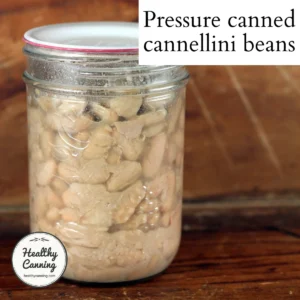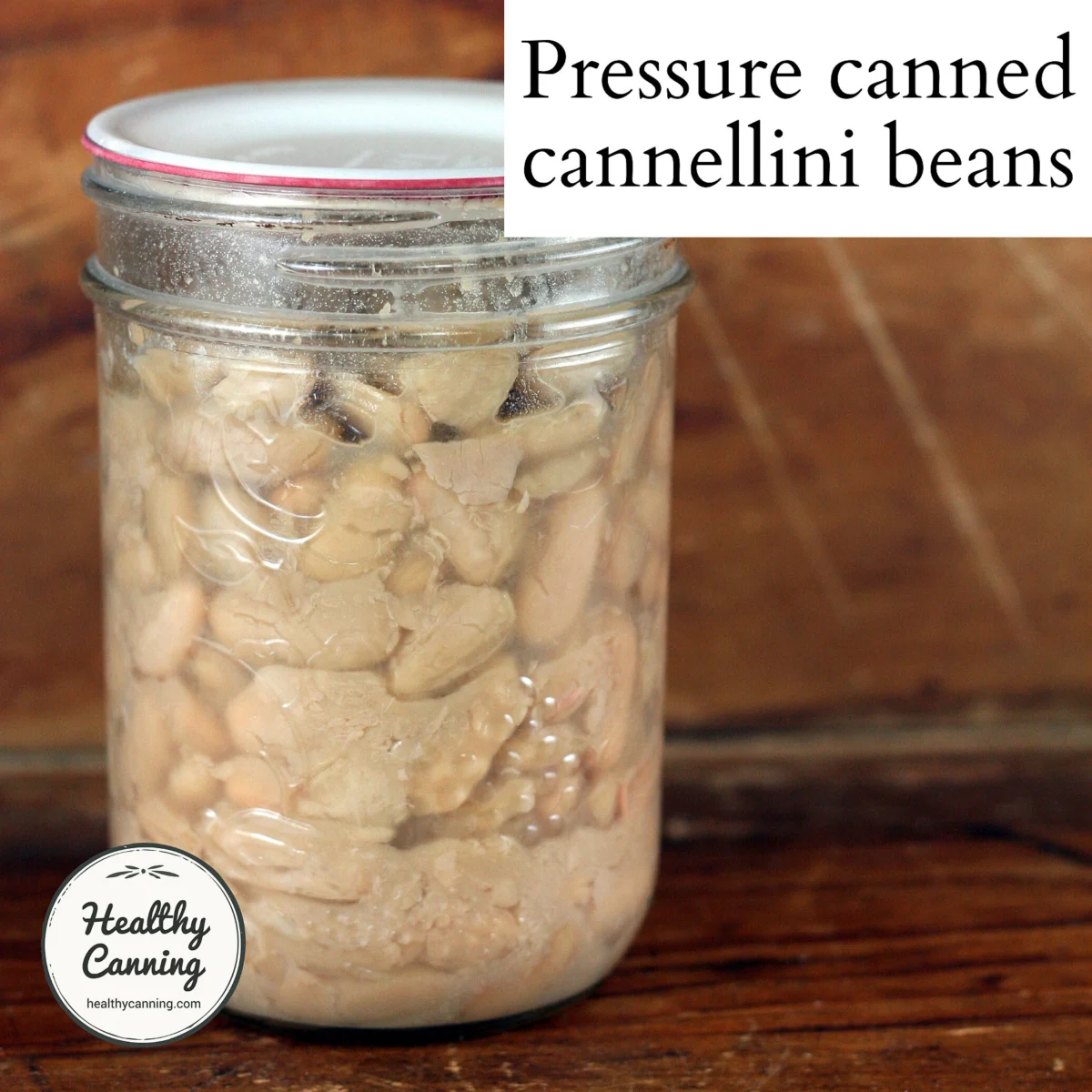

The practice of home food preservation has seen a significant resurgence in recent years, driven by a growing public interest in food security, nutritional transparency, and the reduction of chemical additives in the domestic diet. Among the various techniques available to the home cook, pressure canning remains the gold standard for low-acid foods, including legumes such as cannellini beans, also known as white kidney beans. Because these beans possess a pH level that does not inhibit the growth of dangerous pathogens like Clostridium botulinum, the use of a pressure canner is not merely a recommendation but a biological necessity. By subjecting the food to temperatures exceeding the boiling point of water—specifically 240°F (116°C)—home preservers can ensure the destruction of heat-resistant spores, resulting in a shelf-stable product that can last for years when stored correctly.
The Science of Low-Acid Food Preservation
To understand the necessity of the pressure canning process for cannellini beans, one must first examine the microbial environment of legumes. Most vegetables and all meats and dairy products fall into the "low-acid" category, meaning they have a pH value higher than 4.6. In these environments, the bacteria responsible for botulism can thrive in the anaerobic (oxygen-free) conditions found inside a sealed jar. While a standard boiling water bath reaches 212°F (100°C), this temperature is insufficient to kill the spores. Only a pressure canner, which uses pressurized steam to increase the internal temperature, can provide the thermal energy required to render the beans safe for long-term storage.
According to the United States Department of Agriculture (USDA) "Complete Guide to Home Canning" (Agriculture Information Bulletin No. 539, 2015), the standardized processing times for dried beans are rigorous. These guidelines are the result of extensive laboratory testing to ensure that the "cold spot" at the center of the jar reaches the required temperature for a sufficient duration. For cannellini beans, the processing time is 75 minutes for pint-sized jars and 90 minutes for quart-sized jars. These durations are non-negotiable and must be strictly followed to guarantee food safety.
Chronological Workflow for Canning Cannellini Beans
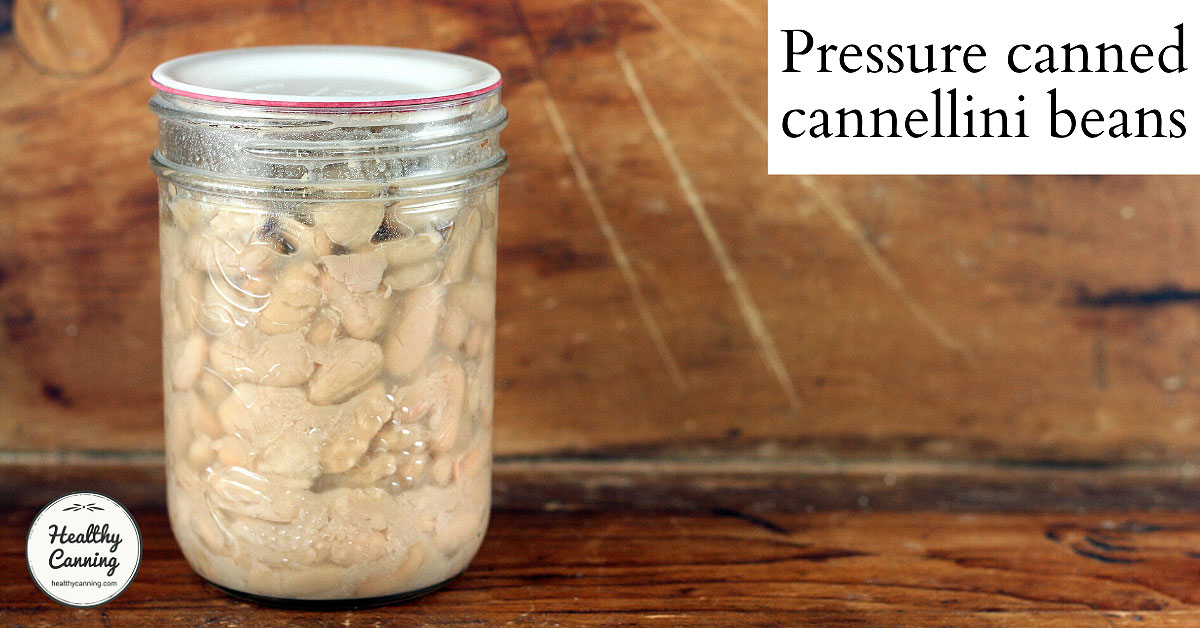
The process of transforming dried cannellini beans into a ready-to-eat, canned product involves a specific chronology of steps designed to ensure both safety and quality. Unlike many other vegetables, dried beans require significant rehydration before they can be processed in the canner.
- Selection and Preparation: Preservers must begin with high-quality, dried cannellini beans. Any beans that are discolored, shriveled, or damaged should be discarded. The beans are first rinsed thoroughly in cold water to remove dust and debris.
- Rehydration (The Soak): There are two primary methods for rehydrating beans: the "overnight soak" and the "quick soak." In the overnight method, beans are covered with water and left for 12 to 18 hours in a cool place. In the quick soak method, beans are brought to a boil for two minutes, then removed from the heat to soak for one hour. Both methods serve to saturate the bean’s starch granules, which prevents them from absorbing too much liquid during the canning process and potentially causing the jars to explode or the contents to become overly dense.
- Pre-Cooking: After soaking, the beans are drained and rinsed again. They are then placed in a large pot, covered with fresh water, and brought to a boil. They are typically simmered for 30 minutes. This step ensures the beans are hot when they enter the jars, which is critical for maintaining the "hot pack" temperature requirements of the canning cycle.
- Jar Filling and Headspace Management: The hot beans are ladled into sterilized jars, leaving exactly one inch (3 cm) of headspace. This space is vital; it allows for the expansion of the food and the boiling of the liquid during the vacuum-sealing process. If the headspace is too small, food may be forced out under the lid, preventing a proper seal. If it is too large, the air may not be fully exhausted, leading to oxidation and spoilage.
- The Canning Cycle: Once the jars are sealed with two-piece lids, they are placed in the pressure canner. The canner must be vented for 10 minutes to remove all air, ensuring the internal environment consists only of pure steam. The pressure is then raised to the required level based on the type of gauge used and the local altitude.
Technical Specifications and Altitude Adjustments
The precision of pressure canning is heavily dependent on atmospheric pressure. As altitude increases, the boiling point of water decreases, necessitating an increase in canning pressure to achieve the same internal temperature. For those living between sea level and 1,000 feet (300 meters), the standard pressure is 10 pounds (10 lbs) for a weighted-gauge canner or 11 pounds (11 lbs) for a dial-gauge canner.
For residents at higher elevations, adjustments are mandatory. At altitudes above 1,000 feet, the pressure must be increased to 15 lbs on a weighted gauge. Failure to make these adjustments results in under-processing, which poses a significant risk of foodborne illness. Preservers are encouraged to consult local extension offices or the National Center for Home Food Preservation (NCHFP) to confirm the exact requirements for their specific geographic location.
Nutritional Profile and Culinary Utility
Cannellini beans are highly prized for their nutritional density. A standard 130g serving of home-canned cannellini beans (prepared without added salt) contains approximately 100 calories, 6 grams of protein, and 5 grams of dietary fiber. They are also a significant source of potassium (250mg) and iron (1.8mg), making them an excellent staple for plant-based diets.
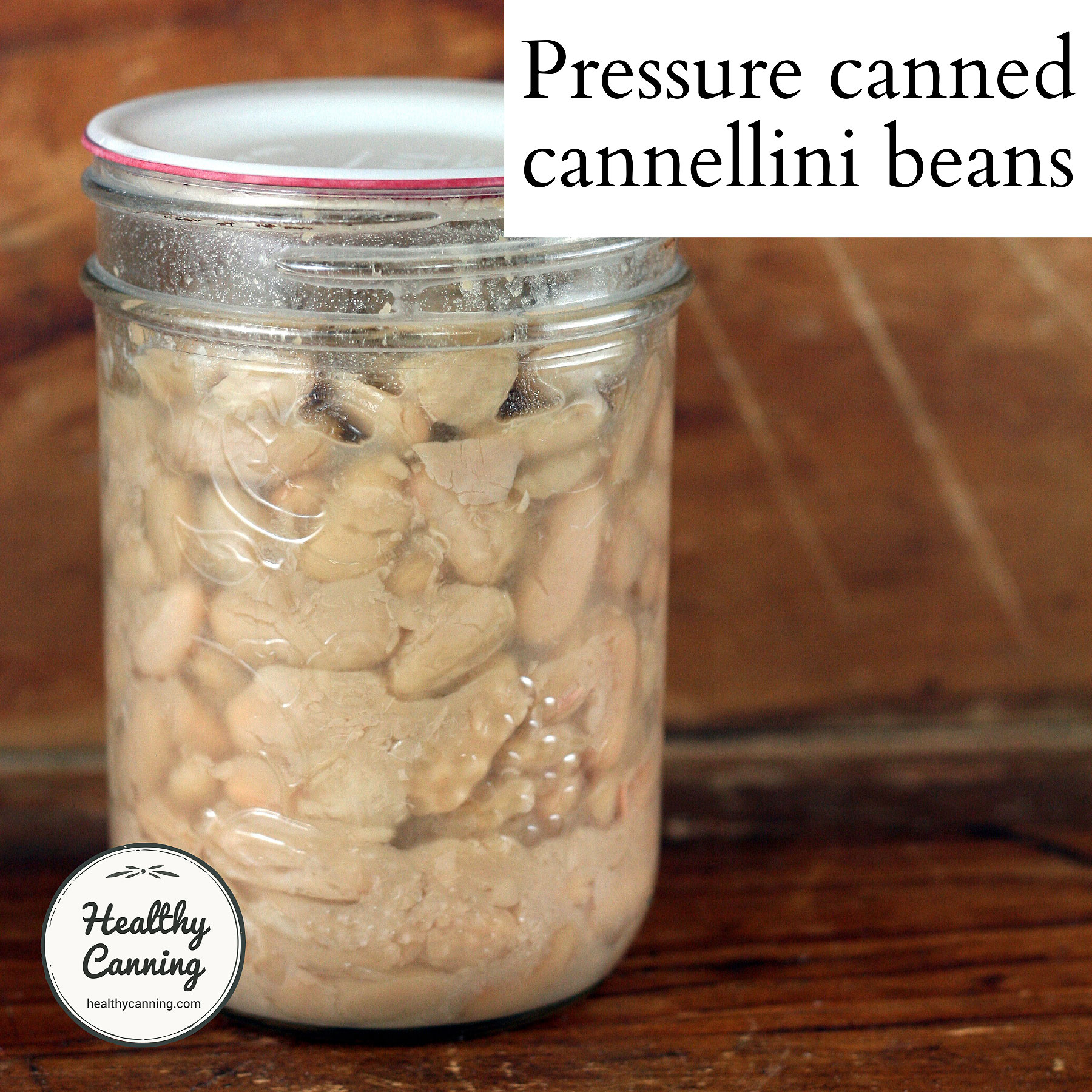
However, a key characteristic of home-canned cannellini beans is their texture. Due to the long processing times required for safety, these beans become exceptionally soft. Expert preservers note that while store-bought canned beans often contain firming agents like calcium chloride, home-canned versions do not. Consequently, home-canned cannellini beans are less suitable for cold bean salads where structural integrity is required. Instead, they excel in applications where a creamy consistency is desired. They are ideal for:
- Soups and Stews: Such as Minestrone or Pasta e Fagioli, where the beans can slightly break down to thicken the broth.
- Purées and Spreads: Such as white bean hummus or bean pâté.
- Casseroles: Where they absorb the flavors of the surrounding ingredients.
Economic and Environmental Implications
The move toward home canning is often motivated by economic factors. Purchasing dried beans in bulk is significantly more cost-effective than buying individual cans at a retail outlet. Furthermore, home canning allows consumers to control the sodium content of their food. Commercial canned goods often contain high levels of salt used as a preservative and flavor enhancer; home canning offers a "salt-free" alternative that is beneficial for individuals managing hypertension or other cardiovascular conditions.
From an environmental perspective, home canning reduces the carbon footprint associated with the transport of heavy, liquid-filled cans. It also minimizes waste by utilizing reusable glass jars (such as Mason or Ball jars) rather than single-use aluminum or steel cans. This alignment with "zero-waste" lifestyle principles has contributed to the technique’s popularity among younger, environmentally conscious demographics.
Official Guidelines and Safety Responses
The USDA and the NCHFP serve as the primary regulatory voices in the field of home food preservation. These organizations emphasize that recipes should never be altered. While it may be tempting to add thickeners or change the ratio of solids to liquids, doing so can alter the heat transfer rate, potentially leaving pathogens alive at the center of the jar.
In response to the surge in home canning interest, many universities across the United States have expanded their "Master Food Preserver" programs. These volunteer-led organizations provide community education and operate hotlines during the peak harvest season to answer technical questions and verify the safety of home-canning setups. These experts consistently reiterate the importance of having dial gauges tested annually for accuracy, as a faulty gauge can lead to dangerously under-processed food.
Broader Impact on Food Self-Sufficiency
The ability to process cannellini beans at home is a cornerstone of food self-sufficiency. By maintaining a pantry of shelf-stable, high-protein legumes, households are better prepared for supply chain disruptions or economic volatility. The standardization of these recipes by the USDA ensures that as long as the technical parameters are met, the resulting food is as safe as, if not safer than, commercially processed alternatives.
In conclusion, the home canning of cannellini beans is a rigorous scientific process that demands attention to detail, proper equipment, and an adherence to established safety protocols. While the resulting texture is softer than commercial varieties, the nutritional benefits, cost savings, and peace of mind provided by the pressure canning method make it an invaluable skill for the modern domestic sphere. As global food systems face increasing pressure, the return to these traditional yet scientifically-refined preservation methods represents a significant step toward individual and community resilience.