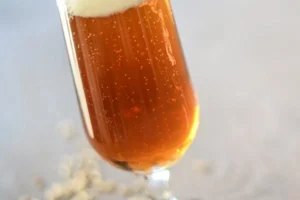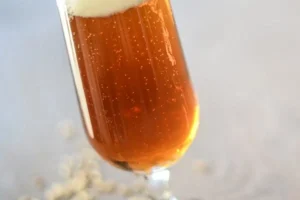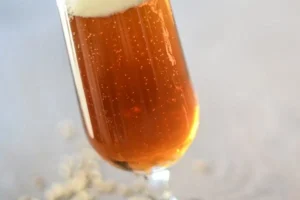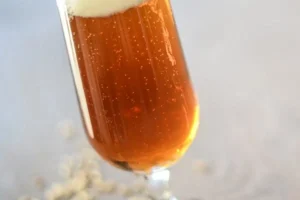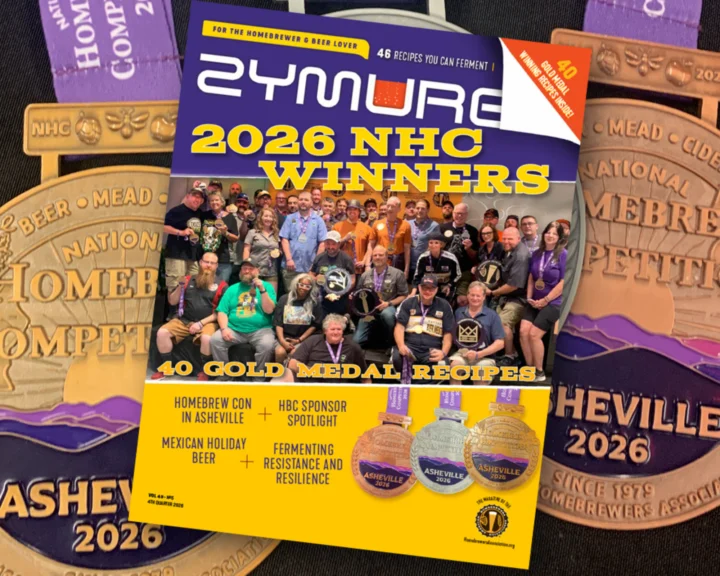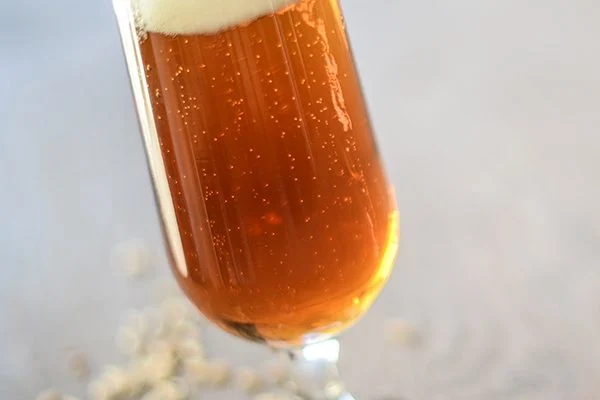

In the competitive and meticulously judged world of amateur brewing, craftsmanship, precision, and adherence to style guidelines are paramount. Outshining a vast field of exceptional contenders from across the country, Greg Winterburn of Rockaway, New Jersey, has captured a gold medal in the highly competitive Category 11: Scottish and Irish Ale at the final round of the 2026 National Homebrew Competition. Winterburn’s triumphant brew claimed the top honor in a fierce division comprising 90 meticulously crafted entries, cementing his status as one of the premier amateur brewers in the nation.
The victory, announced during the culmination of the world’s largest annual amateur brewing competition, highlights both Winterburn’s dedication to the craft and the growing sophistication of independent homebrewing across the United States. Competing without an affiliated homebrew club listed, Winterburn’s solo triumph underscores the intense personal passion and rigorous self-education that define the modern homebrewing community.
Background Context of the National Homebrew Competition
Organized annually by the American Homebrewers Association (AHA), the National Homebrew Competition is the premier event of its kind globally. Established decades ago to foster the art and science of homebrewing, the competition serves as the ultimate litmus test for amateur brewers. Participants first submit their creations to regional first-round competitions held across various zones in the United States. Only the highest-scoring beers, meads, and ciders advance to the final round, where they are evaluated by a panel of some of the most experienced and certified judges in the beverage industry, including Master and National-level judges from the Beer Judge Certification Program (BJCP).
Entries are judged strictly against established style guidelines, ensuring that technical execution—such as proper fermentation temperatures, correct carbonation levels, absence of off-flavors, and precise malt-to-hop balance—carries just as much weight as overall flavor profile and drinkability. Category 11, which encompasses Scottish and Irish Ales, is renowned for requiring a delicate touch. This category covers styles ranging from traditional dry Irish stouts and red ales to malt-forward Scottish light, heavy, and export ales. Brewers must master the nuances of kilned malts, caramel flavors, and clean fermentation profiles to stand out, making Winterburn’s gold-medal win in a 90-entry pool a remarkable technical achievement.
Chronology of the 2026 Competition Season
The road to the 2026 National Homebrew Competition podium is a grueling, months-long process that tests the endurance and consistency of participating brewers. The timeline for the event typically unfolds across several distinct phases:
The planning and registration phase begins in the late winter, as thousands of brewers across North America finalize their recipes, adjust their water chemistry, and carefully monitor their fermentation vessels. By early spring, regional competitions are organized nationwide, collecting entries packaged in standardized bottles and shipping them to designated judging sites.
As the spring season transitions into early summer, regional judging panels convene over several weekends. Certified judges meticulously evaluate thousands of entries, providing detailed written feedback sheets that score each beverage on aroma, appearance, flavor, mouthfeel, and overall impression. Only entries that achieve top scores within their respective categories earn the right to advance to the final round.
The final round takes place in mid-summer, bringing together the surviving entries from all regional sites to compete head-to-head for national supremacy. It is during this high-stakes evaluation that Winterburn’s Scottish and Irish Ale separated itself from the other 89 finalists, ultimately convincing the expert judging panel to award it the gold medal.

Supporting Data and the Scale of Modern Homebrewing
To fully understand the magnitude of Greg Winterburn’s victory, one must examine the sheer volume and competitiveness of the National Homebrew Competition. Annually, the event draws thousands of entries spanning dozens of distinct style categories, ranging from classic European lagers to experimental American IPAs, complex Belgian-style ales, and traditional meads and ciders.
Within Category 11 specifically, the 90 entries submitted to the final round represent the survivors of an even larger pool of initial regional submissions. Earning a gold medal in a pool of 90 high-level entries means that Winterburn’s brew successfully navigated multiple tiers of rigorous sensory evaluation, outscoring peers who spent months refining their water profiles, mash schedules, and yeast management techniques.
Furthermore, the American Homebrewers Association continues to serve as a massive repository of knowledge, boasting a digital catalog of hundreds of medal-winning recipes. These documented formulas provide invaluable data for the homebrewing community, allowing amateur and professional brewers alike to analyze the specific grain bills, hop varieties, and yeast strains utilized by champions like Winterburn.
Official Responses and Industry Perspectives
While individual statements from Greg Winterburn regarding his winning formulation remain private, broader reactions from the amateur brewing community and industry observers highlight the profound significance of national-level success. Representatives from the American Homebrewers Association frequently emphasize that competitions of this caliber do more than just hand out hardware; they drive innovation and elevate the quality of fermented beverages across the board.
Industry analysts note that many of today’s most successful craft breweries originated in homebrewing setups similar to Winterburn’s. The meticulous attention to detail required to win a gold medal in a BJCP-sanctioned national event often serves as a direct pipeline to professional brewing. By mastering the delicate balance of malt sweetness and yeast character required in Scottish and Irish ales, brewers demonstrate the technical prowess necessary to scale up operations for commercial distribution.
The Broader Impact and Implications for Independent Brewers
Winterburn’s success in Rockaway, New Jersey, highlights the vibrant, decentralized nature of modern American homebrewing. Operating without the institutional support or collaborative brewing sessions typically found within formal homebrew clubs, Winterburn’s independent victory demonstrates that excellence in brewing is fundamentally driven by individual dedication, precise science, and artistic intuition.
As the homebrewing community continues to evolve in the face of changing consumer tastes and economic conditions, events like the National Homebrew Competition remain vital touchstones. They preserve traditional styles—such as those found in Category 11—while simultaneously encouraging experimentation. For aspiring brewers looking to replicate Winterburn’s success, platforms like the AHA membership portal offer unprecedented access to validated recipes, educational resources, and a supportive network of fellow enthusiasts.
Ultimately, Greg Winterburn’s gold medal at the 2026 National Homebrew Competition is a testament to the high standards of amateur brewing in New Jersey and across the United States. As his winning Scottish and Irish Ale joins the pantheon of historically recognized recipes, it stands as an inspiring benchmark for hobbyists and professionals alike, proving that mastery of the craft is achievable through patience, precision, and an unwavering commitment to quality.