
The intersection of culinary sustainability and seasonal baking has reached a new milestone with the popularization of sourdough discard pumpkin scones. As home bakers and artisanal pastry chefs continuously seek innovative methods to minimize food waste while elevating traditional flavor profiles, sourdough discard has emerged as a versatile kitchen staple. Recent culinary developments highlight a growing trend toward incorporating ancient grains, such as whole-grain einkorn, and acidic dairy like buttermilk into autumn-themed pastries to achieve structural integrity and complex flavor profiles that defy the typically dense and dry characteristics of conventional scones.
Culinary Evolution and the Chemistry of Sourdough Discard Scones
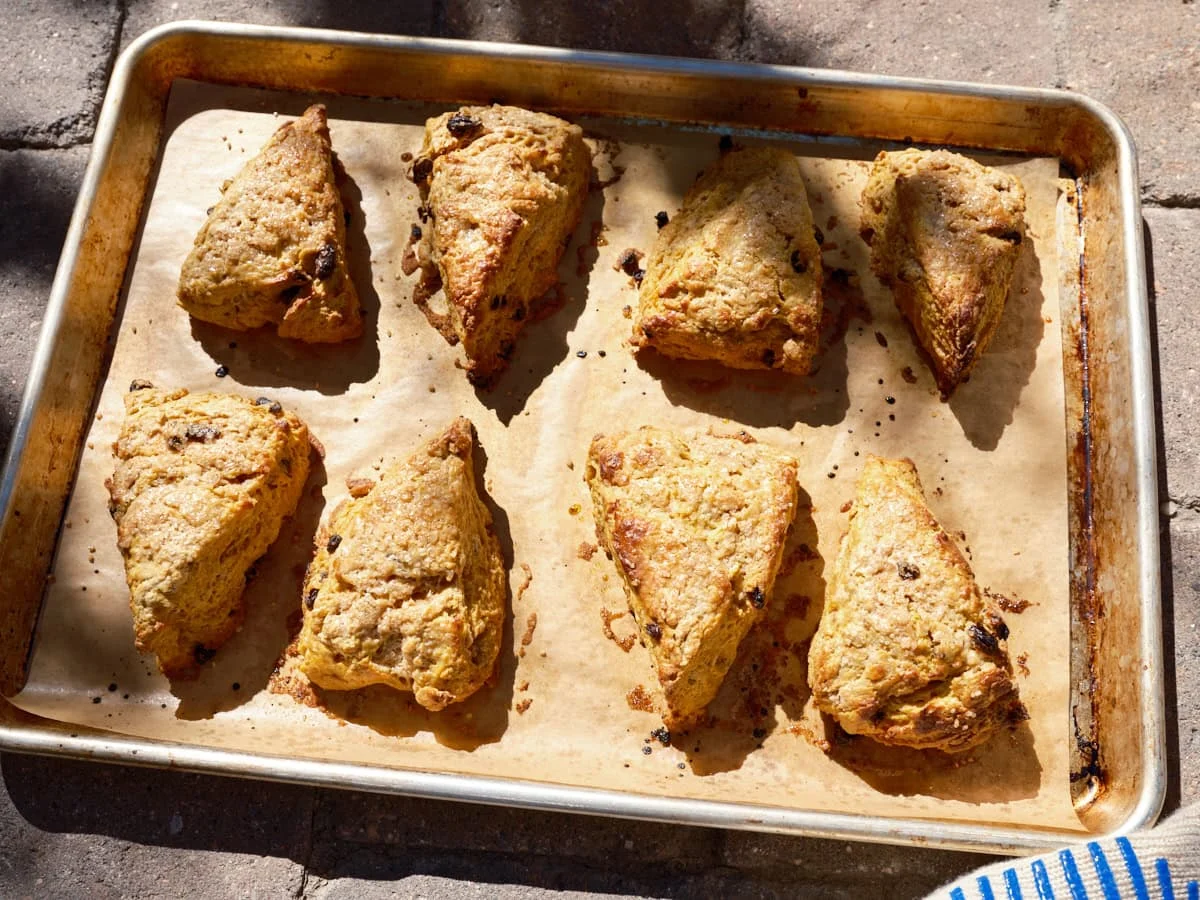
Historically, scones have polarized pastry enthusiasts, often categorized by a dense, crumbly texture or, conversely, a soft, cake-like interior. The contemporary iteration of the sourdough pumpkin scone bridges this divide by producing a pastry characterized by a soft, tender interior encased in a craggy, sturdy crust. The technical classification of these baked goods frequently depends on regional terminology—often debated between British scone traditions and American biscuit variations—yet their sweet flavor profile firmly anchors them in the scone category.
At the core of this recipe’s structural success is the chemical interaction between sourdough discard and acidic dairy. While many traditional flaky scone recipes rely heavily on high-fat heavy cream (typically around 36% fat content) to coat flour particles and create distinct layers upon melting, the modern sourdough pumpkin variant utilizes buttermilk. Though buttermilk contains a lower fat content of roughly 1 to 2 percent, its low pH level introduces essential acidity to the dough.
This acidity reacts with the sourdough starter, relaxing the gluten matrix and increasing its extensibility. This chemical process is particularly advantageous when working with ancient grains like einkorn, which possesses a notoriously delicate and fragile gluten structure. The resulting crumb structure is simultaneously flaky, tender, and robust, balanced by the fermented tang of the sourdough discard and the earthy sweetness of seasonal pumpkin puree.
Adapting to Ancient Grains and Regional Baking Challenges
The inclusion of whole-grain einkorn flour introduces a distinct nutritional and sensory profile to the baked goods. Einkorn, considered one of the earliest cultivated forms of wheat, imparts a nutty, earthy flavor that complements warm autumn spices such as cinnamon, nutmeg, and cloves. However, for bakers lacking access to einkorn, culinary experts note that standard whole wheat flours—such as Red Fife, Butler’s Gold, or Marquis—serve as effective substitutes without compromising the rustic integrity of the pastry.
Furthermore, home bakers operating in high-altitude environments face distinct challenges, including rapid moisture evaporation and premature structural setting, which often lead to flat, overly spread-out baked goods. Culinary tests conducted in high-desert regions indicate that minor adjustments to technique and equipment can counteract these geographical hurdles. Specifically, the implementation of convection baking during the initial stages of the baking process has proven critical.
The Role of Convection Technology in Achieving Vertical Rise
Achieving a tall, structurally sound scone with clean-cut, straight sides rather than a flat, sprawling footprint requires precise thermal management. According to baking researchers, utilizing convection heat during the first few minutes of the bake introduces intense, circulating air that rapidly sets the outer edges of the dough. This thermal shock prevents the butter and pumpkin moisture from causing excessive horizontal spreading, effectively forcing the scone to rise vertically.
For home kitchens lacking a convection-enabled oven, professional bakers recommend a targeted temperature adjustment—elevating the standard baking temperature by approximately 25 degrees Fahrenheit for the initial phase of the bake. This temporary thermal spike emulates the crust-setting properties of convection currents, ensuring an optimal rise regardless of kitchen equipment limitations.
Ingredient Substitutions and Dietary Flexibility
The adaptability of modern baking formulations has become increasingly important as consumer demands shift toward flexible, pantry-friendly recipes. The sourdough pumpkin scone framework allows for numerous substitutions based on seasonal availability and dietary preferences.
Pumpkin puree, the primary moisture and flavor vehicle, can be successfully interchanged with an equal weight of sweet potato puree or butternut squash puree without altering the structural chemistry of the dough. For bakers seeking alternative fruit additions, applesauce or mashed banana can be incorporated at standardized measurements, though adjustments for natural sweetness may be required. Similarly, traditional mix-ins such as raisins can be replaced with dried cranberries, currants, or fresh blueberries to alter the acidity and visual presentation of the final product.
Broader Implications for Home Baking and Food Waste Reduction
The widespread adoption of sourdough discard recipes reflects a broader cultural and economic shift toward sustainable household management. Following the surge in home sourdough baking initiated in 2020, millions of households regularly generate surplus sourdough starter, commonly referred to as discard. Utilizing this byproduct in high-value pastries like scones, pancakes, waffles, and artisanal breads reduces organic food waste while maximizing the nutritional and economic value of pantry staples.
As culinary educators continue to publish specialized conversion guides for ancient grains and alternative climates, the technique of combining fermented starters with seasonal produce demonstrates the resilience and continuous evolution of traditional baking arts. The ongoing refinement of these recipes ensures that home bakers can achieve professional-grade results, bridging the gap between historical ingredients and modern kitchen technology.