
The culinary science and molecular gastronomy community is celebrating a significant digital milestone as the renowned online publication Khymos officially announces a comprehensive technological and aesthetic overhaul. After years of operating on a legacy subdomain, the platform has successfully migrated its entire infrastructure to its primary domain, khymos.org, ensuring seamless access for its global readership. Alongside this structural relocation, the website has transitioned to a modern, responsive WordPress framework, finally resolving longstanding accessibility barriers for mobile and tablet users.
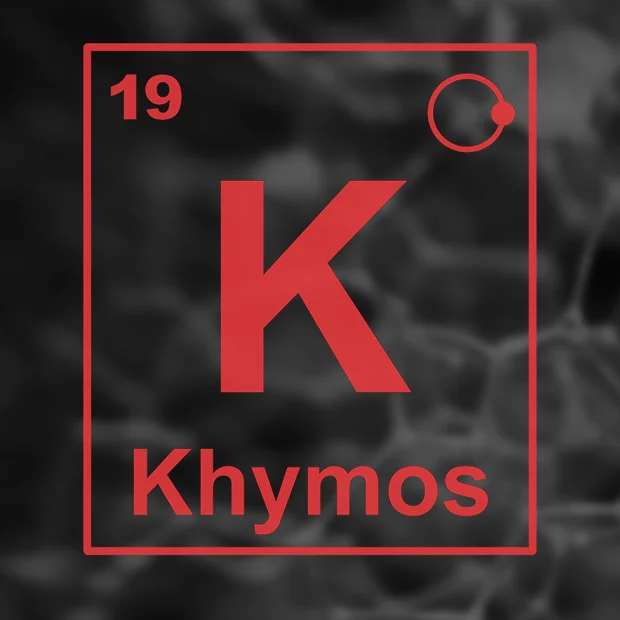
The modernization effort extends beyond backend architecture and user interface design. The publication has also introduced a striking new logo, meticulously crafted to honor its scientific foundations. The emblem features the letter K—the chemical symbol for potassium—intertwined with subtle atomic design motifs. This comprehensive digital transformation represents a pivotal turning point for a platform that has long served as an essential digital resource for food scientists, culinary professionals, and enthusiastic home cooks interested in the intersection of chemistry and cooking.
Background Context of the Event
To understand the significance of the recent Khymos upgrade, one must examine the evolutionary trajectory of digital publishing within the specialized niche of molecular gastronomy and food science. Founded in an era when blogging platforms relied heavily on subdomains and static desktop layouts, Khymos established itself early on as a premier repository for culinary experimentation, hydrocolloid guides, and flavor pairing theories.
However, as the digital landscape rapidly shifted toward mobile-first consumption and responsive web design, older publishing formats began to show their age. Web accessibility standards evolved, and readers increasingly demanded fast-loading, adaptable interfaces capable of rendering complex tables, scientific notation, and high-resolution imagery across smartphones and tablets. For years, the platform operated on its legacy architecture at blog.khymos.org. While the content remained exceptionally valuable and academically rigorous, the technological framework prevented optimal user engagement on modern devices.
Recognizing the urgent need to future-proof the publication, site administrators initiated a behind-the-scenes modernization project. The primary objective was twofold: eliminate technical debt by upgrading the underlying content management system and revitalize the brand identity without alienating the core readership that has relied on the platform for decades.
Chronology of the Transition
The path toward the current digital renewal unfolded through several strategic phases over the past several months, culminating in the official launch of the newly optimized platform.
Phase One: Infrastructure Assessment and Planning
Site engineers and content managers conducted a comprehensive audit of the legacy database, identifying thousands of archived posts, recipes, scientific references, and comment threads accumulated over years of publication. The team mapped out a complex migration strategy to ensure that historical content would remain intact and completely accessible.
Phase Two: Domain Consolidation
A critical technical hurdle involved moving the entirety of the blog from its longstanding subdomain to the root domain at khymos.org. To prevent broken links, loss of search engine optimization (SEO) ranking, and reader frustration, developers implemented a robust architecture of permanent 301 redirects. This ensured that any bookmarked or shared links pointing to the old subdomain would instantly and seamlessly route visitors to the correct destination on the new domain.
Phase Three: Responsive Theme Integration
Addressing the platform’s most glaring historical limitation, designers abandoned the rigid desktop template in favor of a modern, fluid WordPress theme. This framework automatically scales and adjusts layouts based on the visitor’s screen dimensions, delivering an optimized reading experience whether accessed via a desktop computer, a laptop, a tablet, or a mobile phone.
Phase Four: Brand Identity and Visual Refresh
Accompanying the structural updates, the publication rolled out a newly designed logo. The visual refresh was intentionally designed to reflect the scientific ethos of the blog. By anchoring the new branding in chemical nomenclature, the platform reinforced its commitment to evidence-based culinary exploration.
Decoding the New Brand Identity: Symbolism and Science
The centerpiece of the Khymos aesthetic update is its newly minted logo, which bridges the gap between typography and chemical science. The prominent use of the letter K serves a dual purpose. Beyond acting as the initial letter of the publication’s name, K is the internationally recognized chemical symbol for potassium, element number 19 on the periodic table.
This numerical designation is thoughtfully integrated into the brand’s new visual language. Furthermore, the inclusion of a distinct dot positioned along an orbital ring surrounding the symbol is a direct nod to atomic structure. Specifically, it symbolizes the single valence electron found in the outermost shell of a potassium atom, a detail that underscores the publication’s dedication to scientific accuracy and precise nomenclature. This deliberate fusion of chemistry and design elevates the brand identity, signaling to readers that the content within remains deeply rooted in empirical science.
Supporting Data and Technological Impact
The necessity of transitioning to a responsive web architecture is heavily supported by broader digital consumption data across the publishing industry. According to global web traffic statistics, mobile devices account for well over fifty percent of all web traffic worldwide. Specialized academic, scientific, and niche hobbyist blogs have experienced a parallel shift, with readers increasingly accessing reference materials on-the-go in professional kitchens, laboratories, and home pantries.
Prior to the upgrade, legacy desktop-only sites faced significant penalties in search engine visibility, as major search algorithms prioritize mobile-friendly responsiveness in their ranking metrics. By adopting a responsive WordPress theme, Khymos has dramatically improved its Core Web Vitals—performance metrics that measure loading speed, interactivity, and visual stability.
Additionally, the implementation of comprehensive 301 redirects safeguards the domain authority built over years of operation. In digital migrations of this scale, improperly handled URLs frequently result in catastrophic drops in organic search traffic. By executing a clean server-side redirection protocol, the site retained its accumulated SEO equity while establishing a healthier, cleaner URL structure for future content expansion.
Implications for the Culinary Science Community
The successful modernization of Khymos carries profound implications for the broader molecular gastronomy and food science community. In an era where digital content is increasingly ephemeral and prone to link rot, the preservation and technical elevation of foundational online resources is vital.
Khymos has historically served as a bridge between professional scientific literature and practical culinary application. By securing its digital infrastructure, the platform ensures that decades of accumulated knowledge—ranging from the physics of ice cream making to complex hydrocolloid applications—remain readily available to current and future generations of culinary professionals, food scientists, and passionate amateurs.
Furthermore, the mobile optimization of the site transforms its utility in real-world settings. Chefs and culinary researchers can now seamlessly access detailed reference guides, conversion tables, and experimental breakdowns directly on mobile devices while working in active kitchen environments or laboratories. This elimination of physical and technological friction enhances the practical applicability of the publication’s extensive archives.
Broader Industry Response and Future Outlook
While formal statements from external industry bodies are rare for independent digital publications, the response from the niche community of food science writers, bloggers, and educators has been overwhelmingly positive. Colleagues and readers have praised the long-overdue transition to mobile accessibility, noting that the platform remains an irreplaceable cornerstone of online culinary education.
Looking ahead, the technical foundation established by this major overhaul positions Khymos for sustainable growth. With a streamlined content management system, improved mobile responsiveness, and a refreshed visual identity, the platform is well-equipped to integrate future digital publishing advancements, expand its multimedia offerings, and continue its mission of demystifying the intricate science behind everyday cooking. The completion of these upgrades marks not an end, but a robust new beginning for one of the internet’s most enduring culinary science destinations.