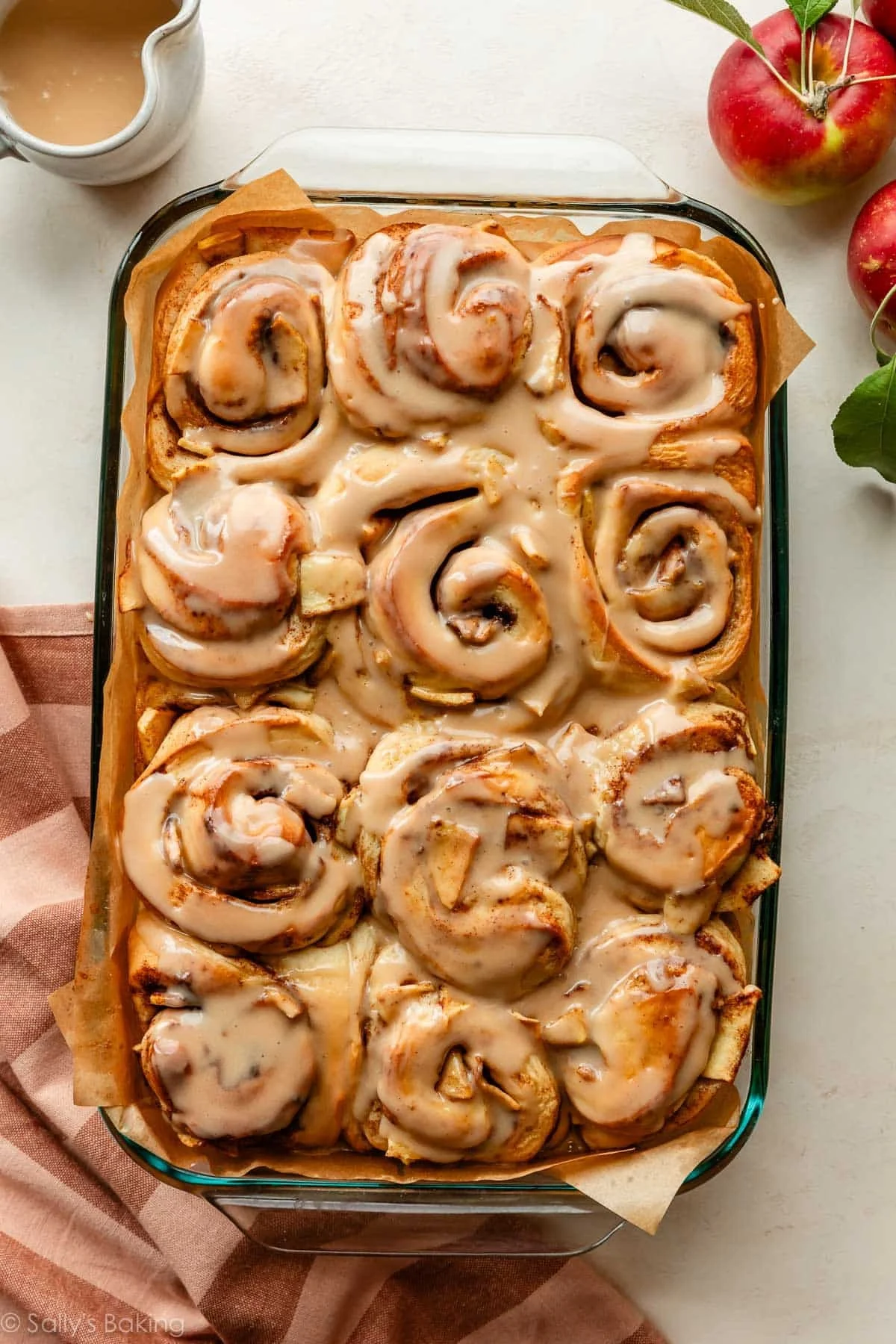

The resurgence of artisanal baking has brought a renewed focus on comfort-food staples, with homemade apple cinnamon rolls emerging as a premier choice for seasonal holiday brunch and weekend culinary projects. These pastries, which marry the structured, yeasted dough of traditional cinnamon rolls with the fruit-forward profile of classic apple pie, represent a complex interplay of chemistry, technique, and timing. Originally popularized in home kitchens, these rolls have evolved through iterative testing, with recent industry standards emphasizing the pre-cooking of fruit fillings to ensure consistency and texture.
Historical Context and Culinary Evolution
The cinnamon roll, often associated with Swedish kanelbulle, has been a cornerstone of Western breakfast culture for centuries. However, the Americanized iteration—characterized by a richer, brioche-style dough and heavy icing—gained significant traction in the late 20th century. The integration of apples into this format serves as a bridge between two iconic desserts.
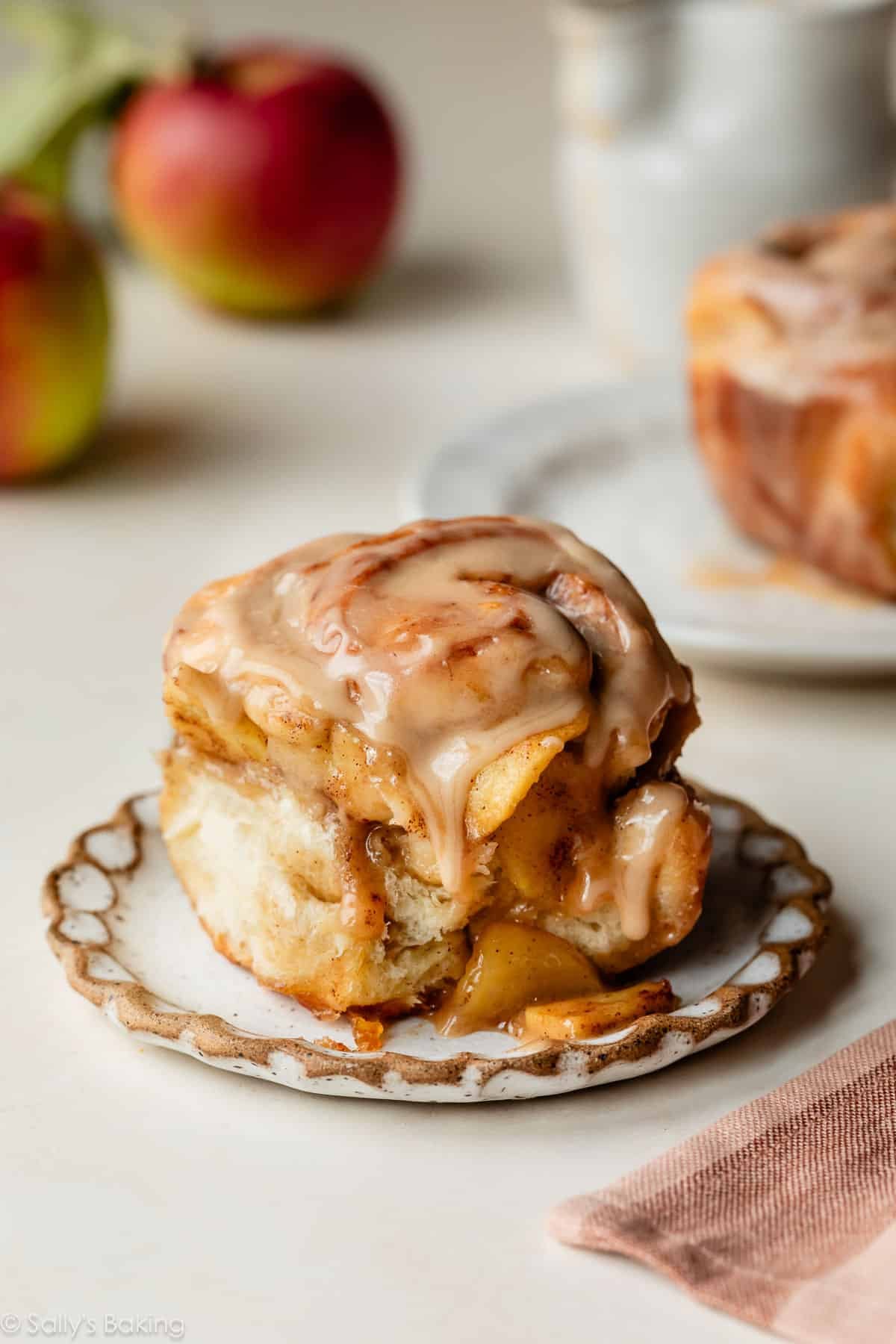
The original iteration of this specific recipe, published in 2017, was designed to address the common technical hurdle of maintaining dough integrity while introducing moisture-heavy fruit. Through years of user feedback and iterative refinement, the process was modified to include a "pre-cook" step for the apple component. This adjustment addresses a long-standing issue in home baking: the discrepancy between the baking time required for the dough and the time required for fruit to reach the desired tenderness. By softening the apples in a skillet before assembly, bakers eliminate the risk of crunchy fruit textures in an otherwise fully baked, soft roll.
The Science of Enriched Yeast Dough
The foundation of a successful apple cinnamon roll lies in the "enriched" dough. Unlike lean doughs—which consist only of flour, water, salt, and yeast—enriched doughs incorporate fats such as butter, milk, and eggs.
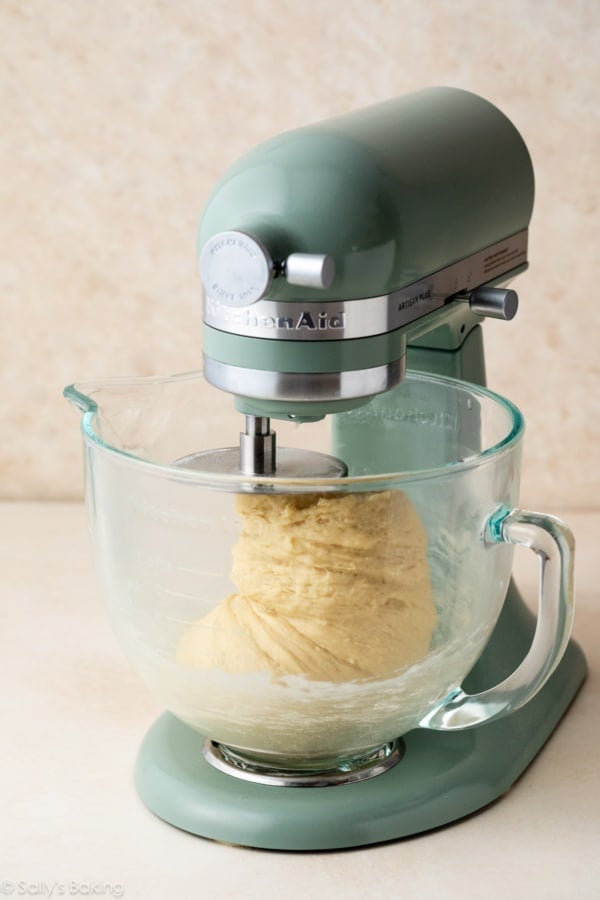
Data from the American Bakers Association suggests that the inclusion of dairy proteins and lipids (butter) serves to coat the flour’s gluten strands. This creates a softer, more pillowy crumb structure. The fermentation process, which requires two distinct rising phases, is critical. During the first rise, the yeast metabolizes sugars to produce carbon dioxide, which expands the dough. A second, shorter rise after shaping and panning ensures that the final product maintains its structural volume when subjected to the high heat of the oven.
Technical Specifications for Optimal Results
To achieve the desired consistency, professional bakers and experienced home enthusiasts recommend strict adherence to ingredient preparation.
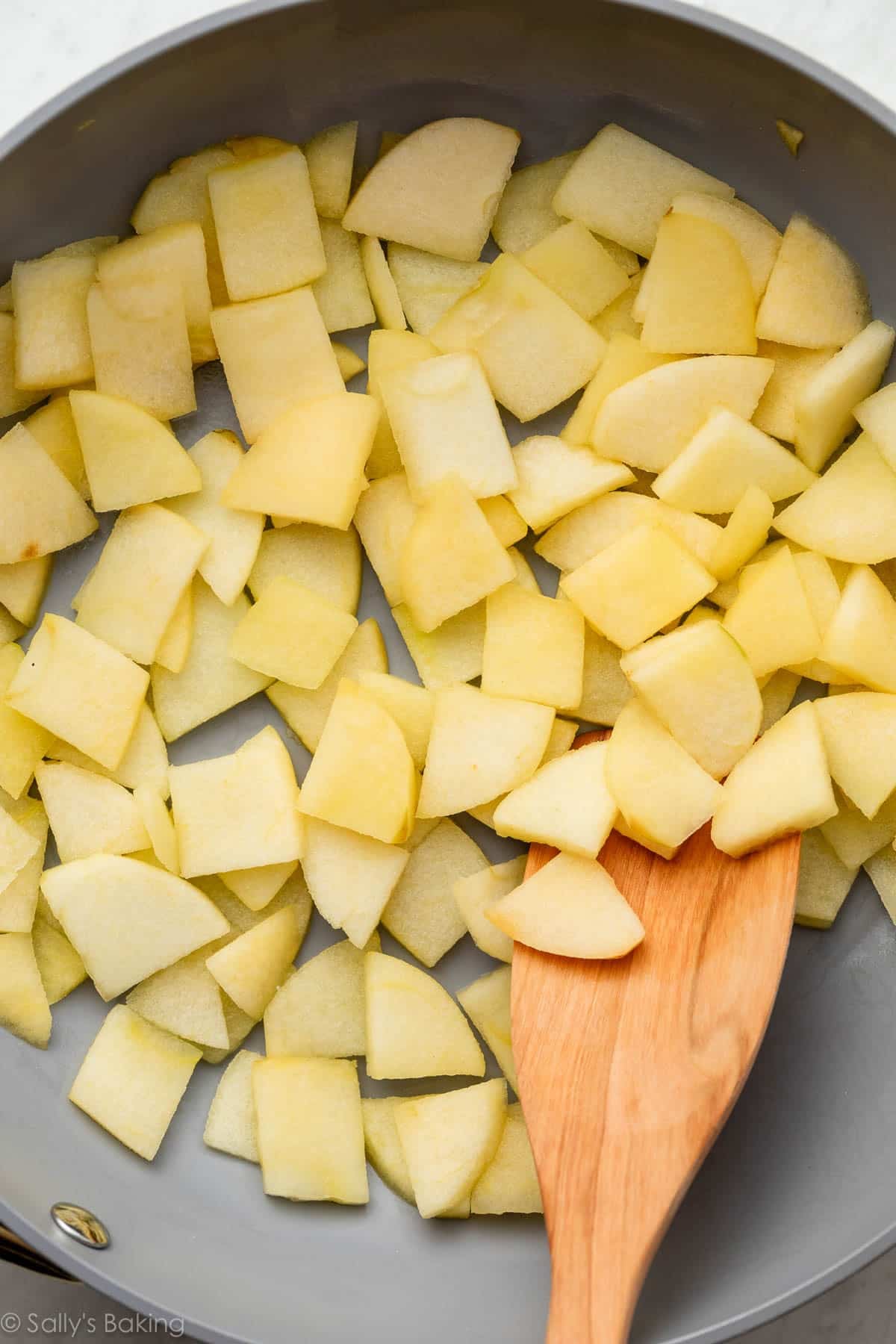
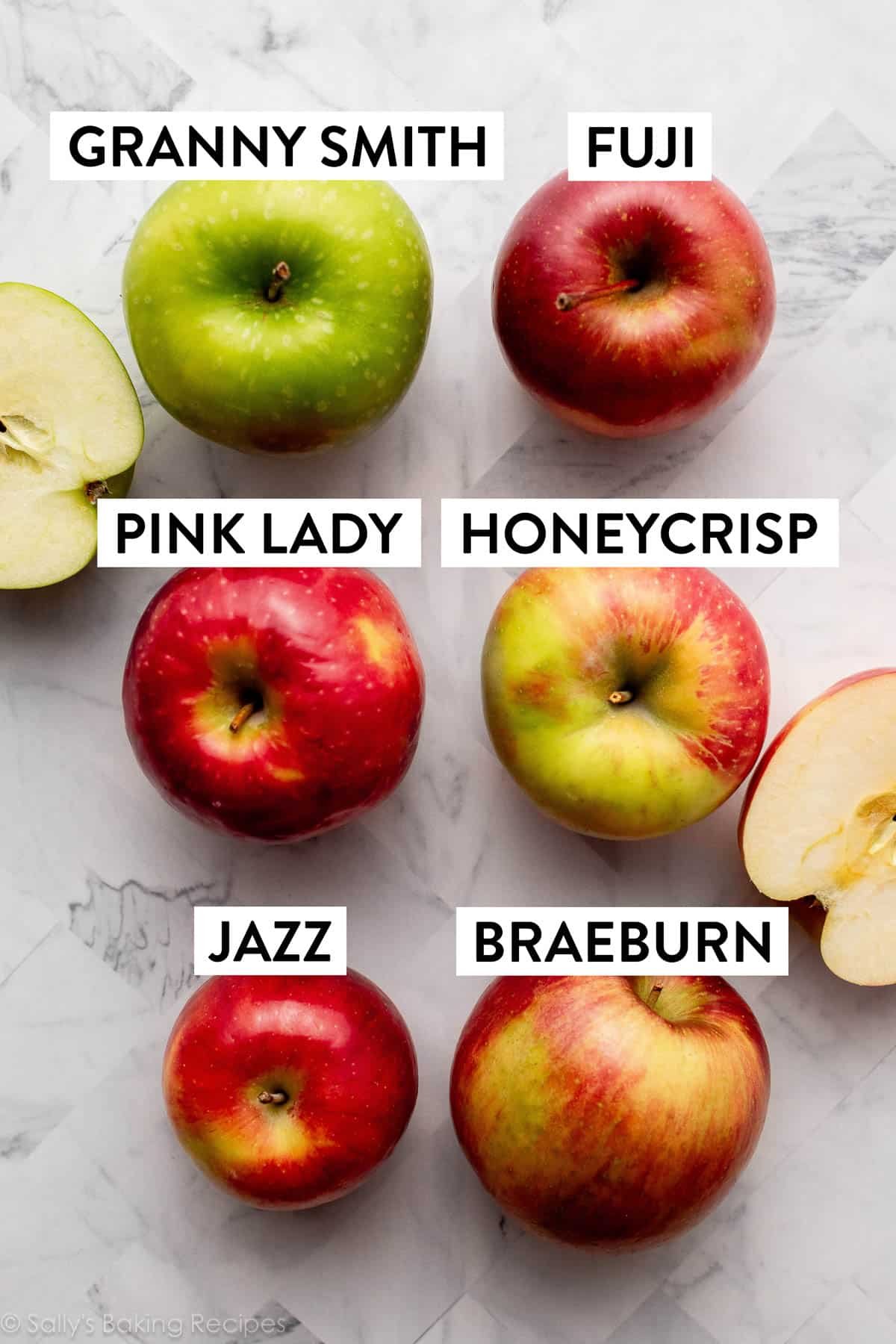
- Fruit Selection: The choice of apple is paramount. High-pectin, firm-fleshed varieties are essential to prevent the filling from becoming a liquid paste. Granny Smith, Honeycrisp, and Pink Lady are the industry-standard recommendations. These varieties retain their structural integrity at temperatures exceeding 350°F (175°C).
- Thermal Management: To avoid the common pitfall of burnt tops and raw, doughy centers, bakers utilize a "tenting" technique. By loosely covering the baking pan with aluminum foil halfway through the cycle, the steam remains trapped within the pan, facilitating a more even internal rise while preventing the sugar-rich topping from carbonizing prematurely.
- Cold-Chain Preparation: The "overnight method" is an increasingly popular logistical choice for home bakers. By retarding the dough’s second rise in a refrigerator (typically for 8–12 hours), the yeast activity slows significantly, resulting in a more complex flavor profile due to the prolonged enzymatic activity. This also provides significant convenience for holiday mornings.
Chronology of the Baking Process
The assembly of these rolls follows a rigorous timeline designed to maximize efficiency and texture:
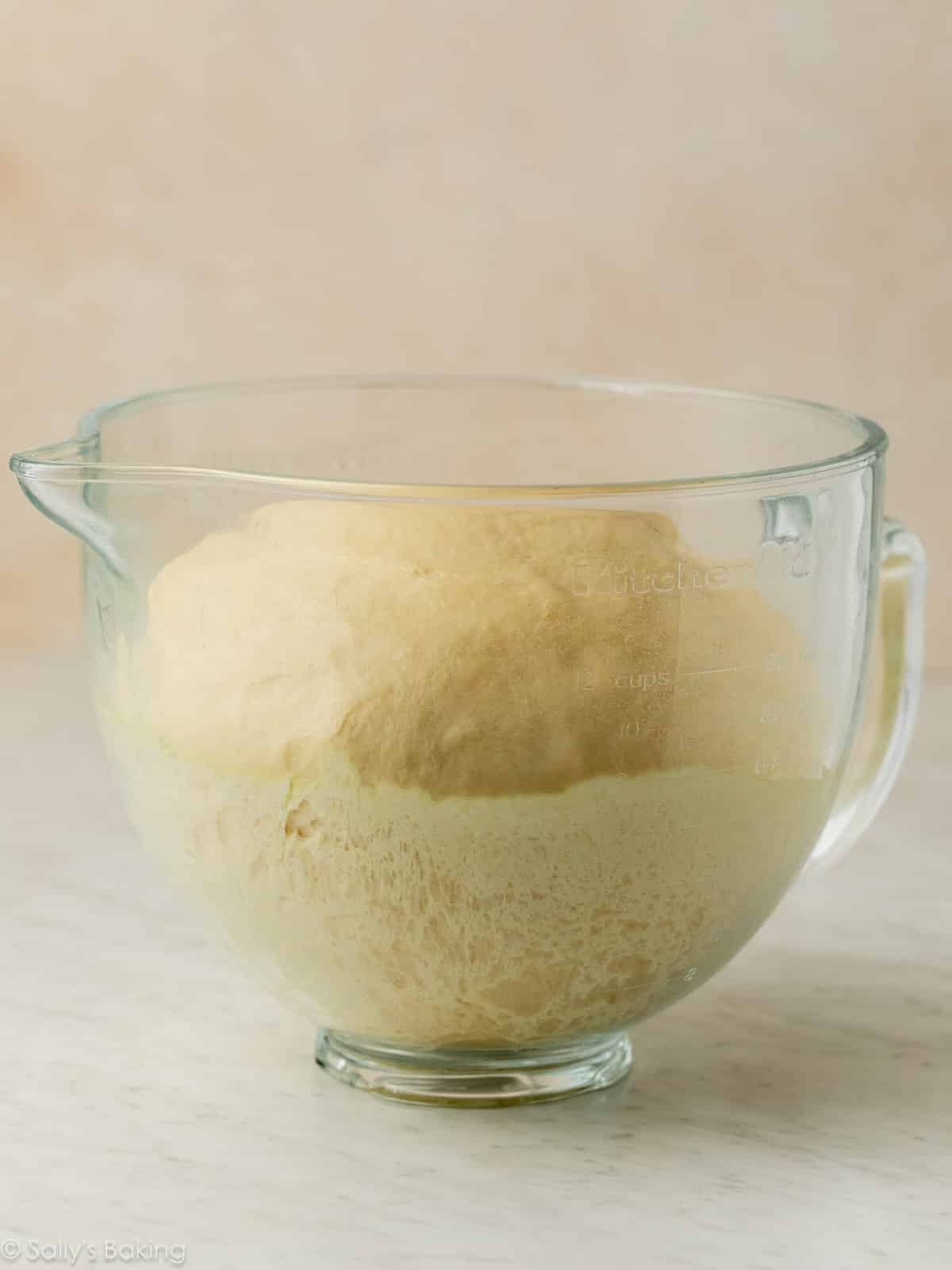
- Preparation Phase (0–2 Hours): The dough is mixed and kneaded, followed by the initial rise. Simultaneously, the apples are peeled, sliced, and sauteed with aromatics.
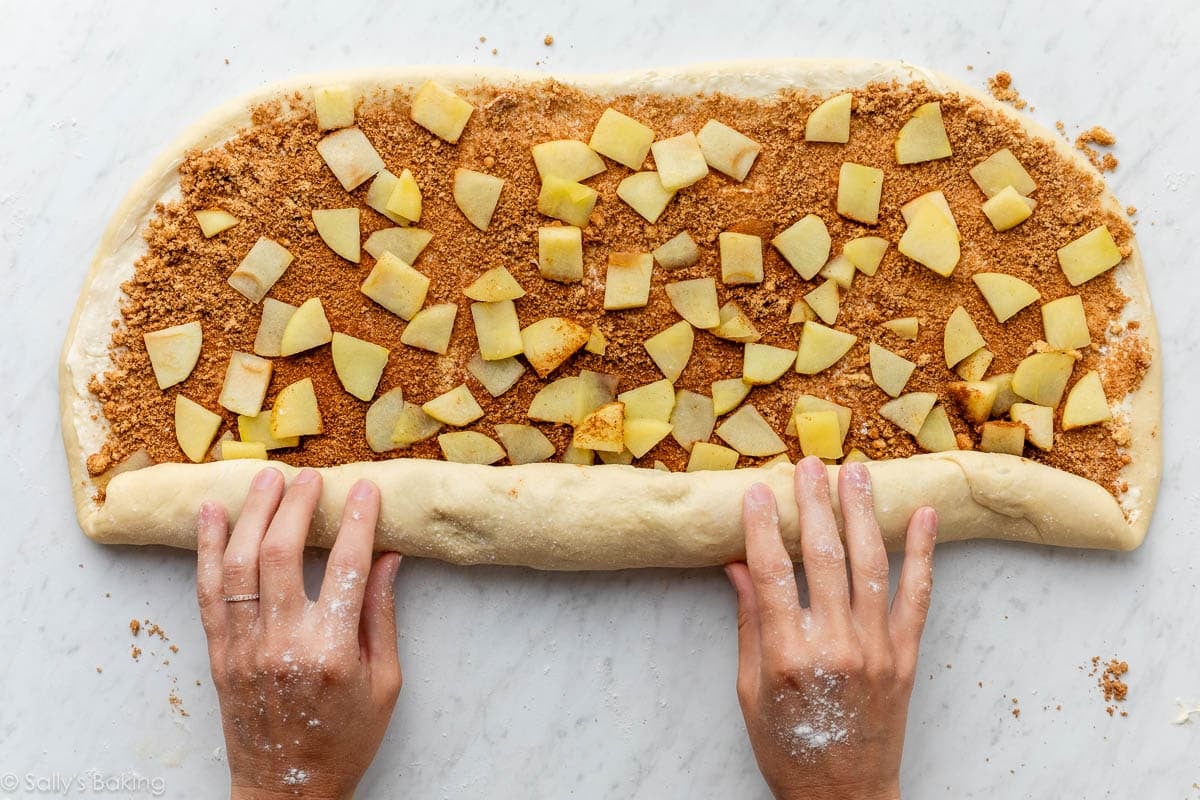
- Assembly Phase (30 Minutes): The dough is rolled into a 12×18 inch rectangle. The butter, brown sugar, and cinnamon are applied, followed by the pre-cooked apple mixture.
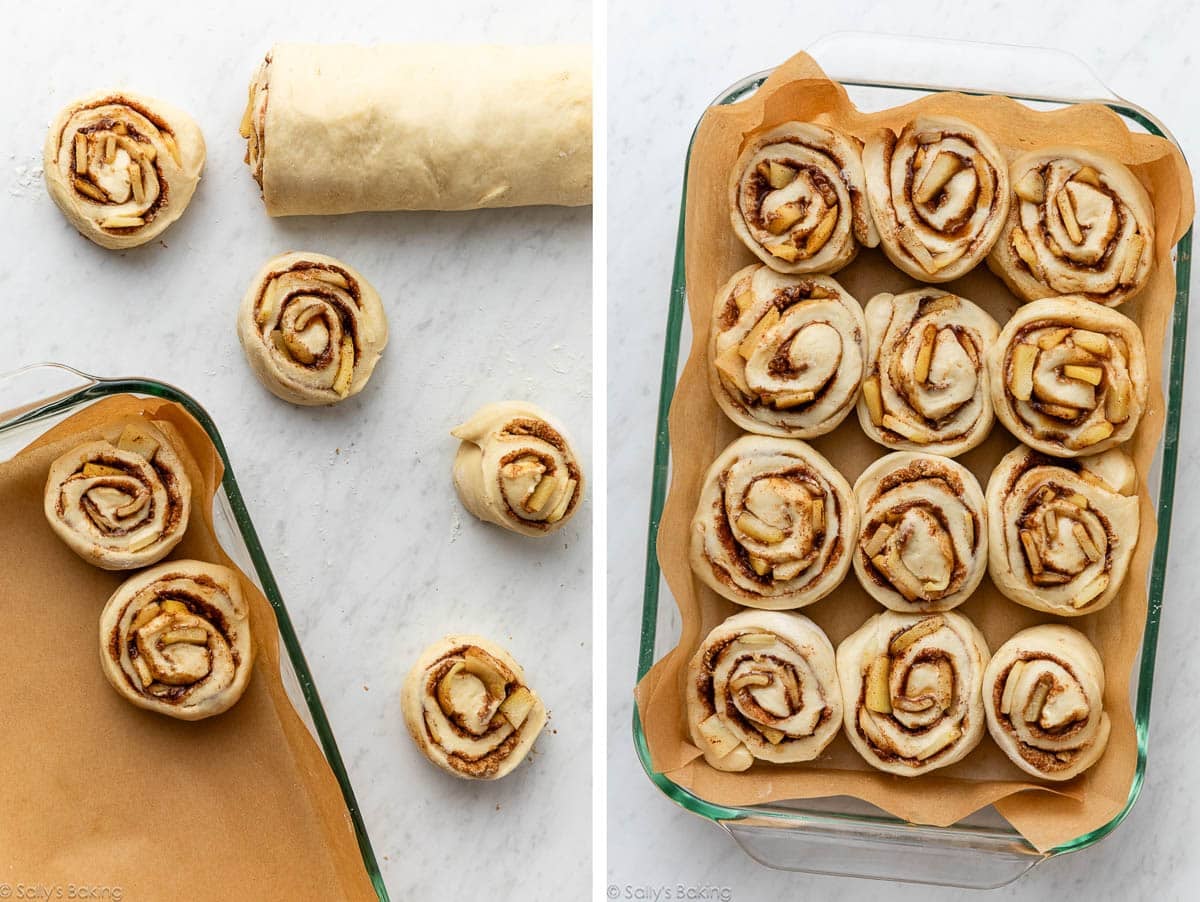
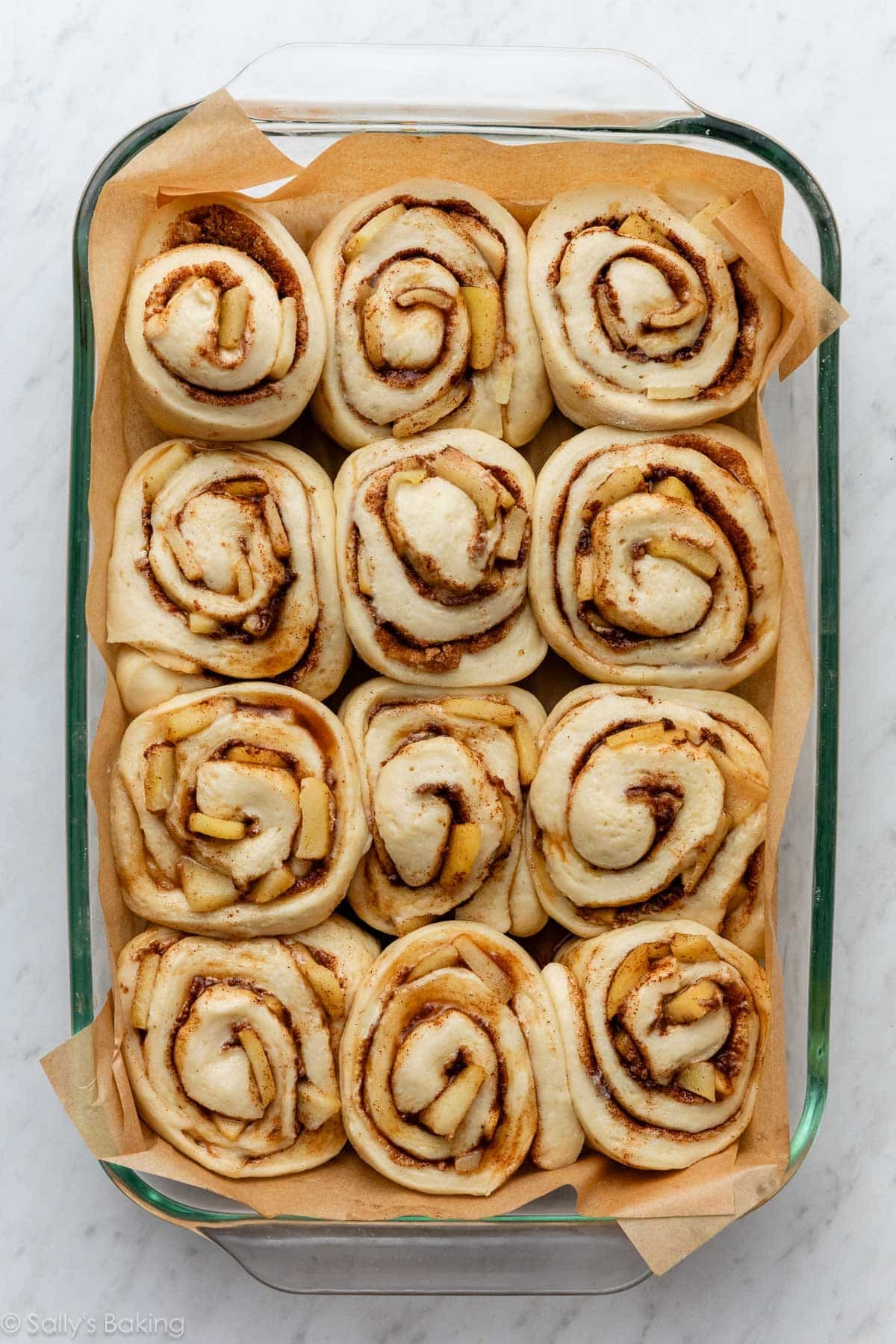
- Intermediate Rise (1–1.5 Hours): The rolls are placed in a 9×13 inch pan to proof. This step is critical for the final volume of the pastry.
- Baking Phase (25–30 Minutes): The rolls are baked until golden brown, with the aforementioned tenting technique applied at the midpoint.
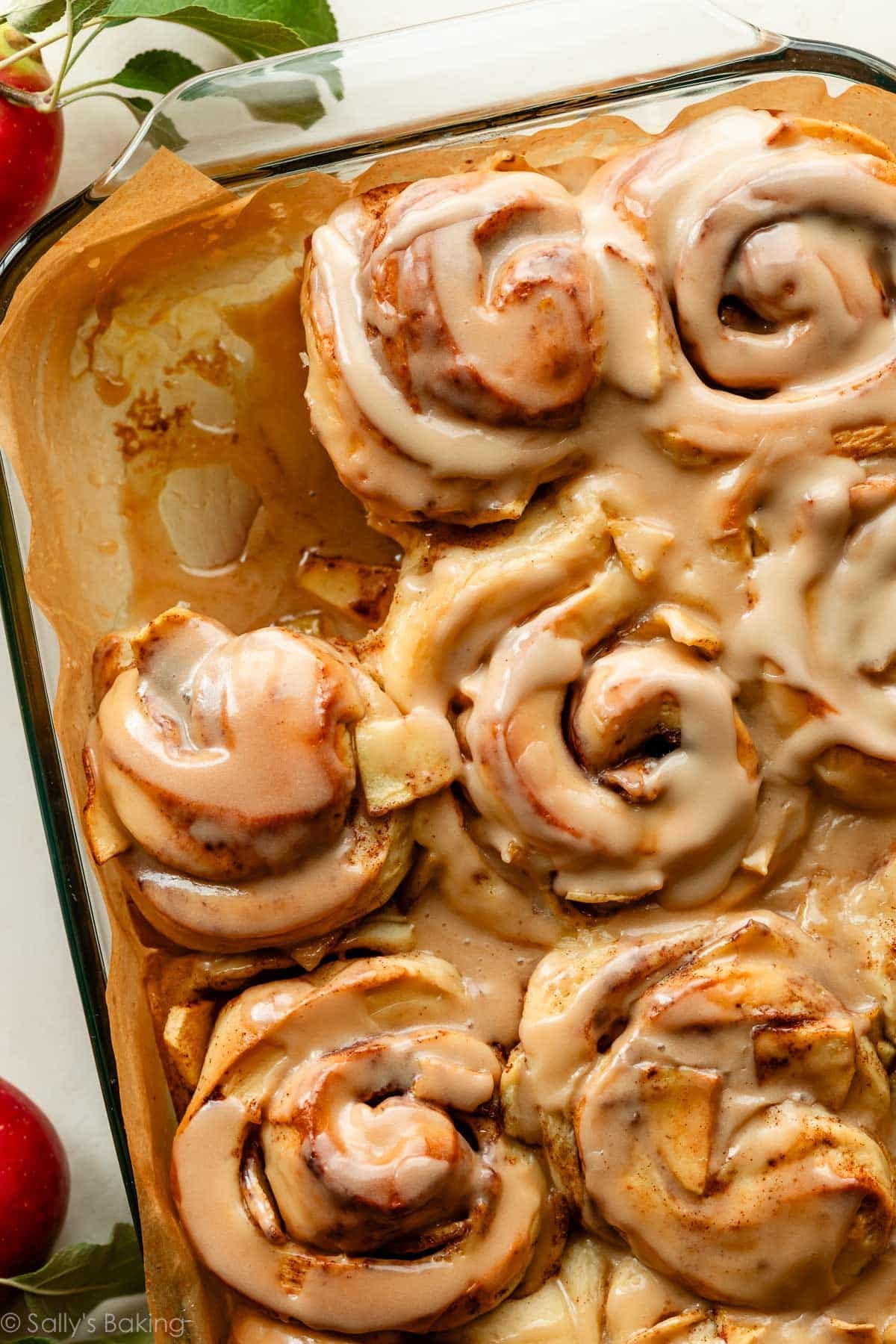
- Finishing Phase: The application of the salted caramel icing occurs while the rolls remain warm, allowing the glaze to penetrate the outer layers of the pastry.
Economic and Culinary Implications
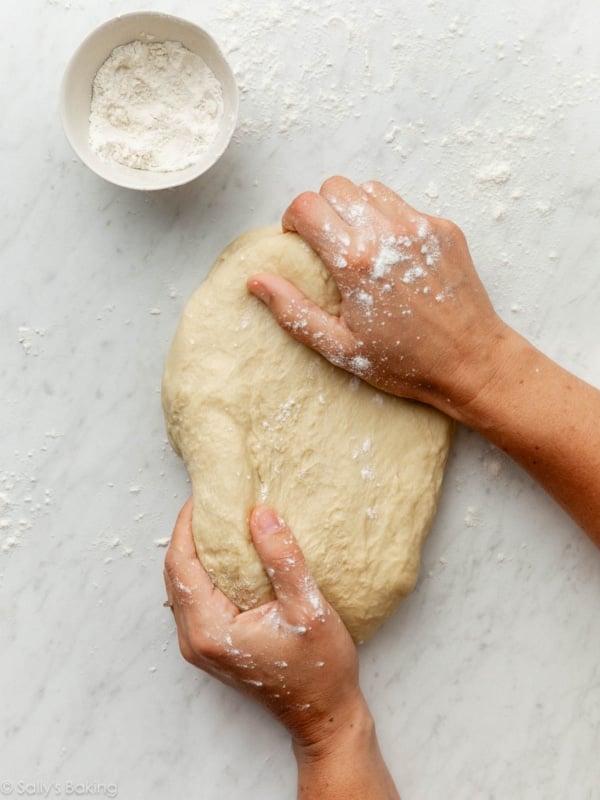
The rise in home-baking trends has been bolstered by the accessibility of high-quality yeast products and the proliferation of digital resources for beginner bakers. Market analysis suggests that consumers are increasingly prioritizing "experience-based" cooking, where the process of preparing a meal—such as kneading dough by hand—is valued as much as the final consumption.
Furthermore, the integration of salted caramel as a finish reflects broader culinary trends toward "sweet-and-savory" profiles. By introducing a saline element to the traditional cinnamon and brown sugar filling, the flavor profile is balanced, reducing the cloying sweetness often associated with breakfast pastries.
Expert Recommendations for Beginners
For those new to the medium, the primary barrier is often the perceived difficulty of working with yeast. However, modern dry active yeasts are highly stable. The key indicator of success is the temperature of the liquid ingredients. If the milk or water exceeds 115°F, the yeast cells will be destroyed; if it is too cold, the activation will be sluggish.
Consistent feedback from home bakers confirms that this recipe remains a "keeper" precisely because of its versatility. Whether utilized for a standard weekend breakfast or as part of a high-stakes holiday brunch, the ability to freeze the rolls before the second rise provides a safety net that is highly valued in modern, time-constrained households.
Conclusion: The Future of Home Baking
The evolution of the apple cinnamon roll from a simple pantry staple to a sophisticated, multi-step project illustrates the broader maturation of the home-cooking sector. As bakers continue to share their findings through digital platforms, the exchange of technical "success tips"—such as pre-cooking fruit or using specific apple varieties—creates a collective knowledge base that elevates the quality of home-baked goods. While the process requires time, the result provides a reliable, scalable, and highly customizable breakfast option that continues to define the standard for seasonal comfort food.