The universal desire for a longer, healthier life has never been more pronounced, driving a global fascination with strategies to extend both lifespan and healthspan. In an era saturated with information, the pursuit of enhanced vitality often leads individuals down a labyrinth of claims, ranging from conventional wisdom to avant-garde biohacking protocols. While the aspiration to live not only longer but also better is deeply ingrained, a critical examination reveals that the path to "optimal" health is frequently presented with varying degrees of scientific rigor, financial investment, and personal commitment. This article delves into the contemporary landscape of health optimization, scrutinizing the efficacy, necessity, and true cost of the advanced protocols often championed by influencers and experts, contrasting them with foundational, evidence-based practices. The central question remains: are the often ultra-specific and demanding regimens truly beneficial, or do they represent a disproportionate expenditure of effort, time, and money when simpler, sustainable habits might offer comparable or even superior returns on investment? Understanding this distinction is paramount for individuals seeking genuine health and longevity without sacrificing the enjoyment of life itself.
The Historical Pursuit of Immortality and Modern Longevity Science
Humanity’s quest for extended life is as old as civilization itself, woven into myths, philosophies, and ancient medical practices. From the mythical Fountain of Youth to alchemical elixirs promising eternal life, the desire to defy mortality has been a persistent theme. With the advent of modern medicine in the 19th and 20th centuries, significant strides were made in public health and disease treatment, leading to a dramatic increase in average life expectancy. Sanitation, vaccinations, antibiotics, and surgical advancements collectively pushed back the boundaries of disease and premature death, transforming what was once a rare phenomenon into a common expectation in many parts of the world.
However, as societies became wealthier and healthcare more advanced, the focus began to shift from merely extending life to improving "healthspan"—the period of life spent in good health, free from chronic disease and disability. This distinction is crucial; living longer only to suffer from debilitating conditions is not the ultimate goal for most. The 21st century has ushered in an era of personalized health, genomics, and a burgeoning wellness industry that promises not just extended life, but optimized performance and youthful vitality. This modern pursuit is fueled by rapid scientific advancements, particularly in genetics, gerontology, and nutrition, alongside the pervasive influence of digital media, which has democratized—and sometimes sensationalized—health information. The term "biohacking" emerged, encompassing a DIY biology approach to improving the body’s performance through various interventions, from diet and exercise to supplements, technology, and even experimental therapies. This historical trajectory underpins the current fascination with health optimization, setting the stage for a diverse, often confusing, array of advice.
The Rise of the "Optimization" Industry and its Proponents
Today’s digital ecosystem has amplified the voices of numerous individuals and entities claiming to possess the secrets to optimal health and extended life. Fitness influencers on platforms like Instagram and TikTok, often boasting sculpted physiques and aspirational lifestyles, promote highly specific workout routines, restrictive diets, and a panoply of supplements. Authors and podcasters, some with credible scientific backgrounds and others leveraging compelling narratives, publish bestsellers and host popular shows advocating for everything from ketogenic diets and intermittent fasting to advanced recovery techniques and nootropics. Biohackers, a distinct subculture, push the boundaries further, experimenting with cryotherapy, red light therapy, hyperbaric oxygen chambers, intravenous nutrient drips, and even more radical interventions, often relying on anecdotal evidence and personal experimentation rather than rigorous scientific trials.
The marketing surrounding these "optimal" protocols frequently employs persuasive language, promising to "reverse chronic disease," "extend youthful glow," or even help individuals "live to 115… or forever." This rhetoric taps into deep-seated fears of aging and illness, offering tantalizing solutions. The industry is not merely about advice; it’s a multi-billion-dollar global enterprise encompassing supplements, specialized foods, wearable tech, fitness equipment, wellness retreats, and personal coaching. Grand View Research estimated the global wellness market size at USD 5.7 trillion in 2023, projected to expand at a compound annual growth rate (CAGR) of 5.9% from 2024 to 2030, underscoring the immense financial stakes involved. This economic engine drives the continuous introduction of new products and protocols, making it challenging for consumers to discern genuine breakthroughs from fleeting fads.
Evidence-Based Foundations vs. Advanced Protocols: What Science Recommends
Amidst the clamor of "optimization" claims, it is crucial to anchor the discussion in robust scientific evidence. While the pursuit of marginal gains might appeal to some, the overwhelming consensus from public health organizations and established medical research points to a set of foundational principles as the most impactful drivers of health and longevity. These include:
- Balanced Nutrition: Decades of epidemiological and clinical research consistently demonstrate the profound impact of a diet rich in whole, unprocessed foods. Recommendations from organizations like the World Health Organization (WHO), the Centers for Disease Control and Prevention (CDC), and national dietary guidelines universally emphasize a high intake of fruits, vegetables, whole grains, and lean proteins, with limited consumption of saturated and trans fats, added sugars, and highly processed foods. Studies like those on the "Blue Zones"—regions where people live exceptionally long and healthy lives—consistently highlight plant-centric diets, moderate calorie intake, and a focus on natural, local produce as key commonalities. For instance, a 2018 study published in The Lancet Public Health linked healthy eating patterns to a significantly reduced risk of cardiovascular disease and premature death.
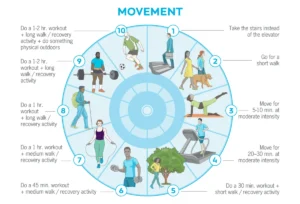
- Regular Physical Activity: The benefits of consistent exercise are irrefutable. The American Heart Association recommends at least 150 minutes of moderate-intensity aerobic activity or 75 minutes of vigorous-intensity activity per week, coupled with muscle-strengthening activities twice a week. Regular physical activity improves cardiovascular health, maintains muscle mass and bone density, supports metabolic health, enhances cognitive function, and acts as a powerful antidepressant. A meta-analysis published in the British Medical Journal in 2019 found that even small increases in physical activity could lead to substantial reductions in mortality risk.
- Adequate Sleep: Sleep is not merely a period of rest but a critical biological process essential for physical and mental restoration. Chronic sleep deprivation is linked to an increased risk of obesity, diabetes, cardiovascular disease, and impaired immune function. The National Sleep Foundation recommends 7-9 hours of sleep per night for most adults.
- Stress Management: Chronic stress elevates cortisol levels, leading to inflammation, impaired immune function, and increased risk of various diseases. Practices such as mindfulness, meditation, yoga, spending time in nature, and maintaining strong social connections are evidence-based strategies for mitigating stress.
- Strong Social Connections: Research consistently shows that social isolation is a significant risk factor for premature mortality, comparable to smoking or obesity. Cultivating meaningful relationships provides emotional support, reduces stress, and fosters a sense of purpose.
In contrast, many of the "ultra-specific, advanced protocols" promoted for "optimization" often lack the same depth of long-term, peer-reviewed scientific validation. While some may be based on emerging science, many are speculative, rely on small-scale studies, or extrapolate findings from animal models to humans without sufficient evidence. For example, extreme restrictive diets like prolonged fasting or highly specialized ketogenic protocols, while showing promise in certain therapeutic contexts, can carry risks of nutrient deficiencies, electrolyte imbalances, and negative psychological impacts if not managed by professionals. Similarly, the efficacy and safety of many high-dose supplements or novel biohacking devices remain largely unproven in large, diverse human populations over extended periods. A 2020 review in JAMA Internal Medicine highlighted the concerning trend of dietary supplements marketed for health often containing unapproved or undisclosed ingredients, underscoring the regulatory vacuum in this sector.
The concept of "diminishing returns" is particularly relevant here. Significant health gains are achieved by adopting the foundational habits mentioned above. The marginal improvements offered by increasingly complex and costly "optimization" protocols often come with a disproportionately higher investment of time, money, and mental energy, sometimes even introducing new risks. For example, while moderate exercise offers vast health benefits, training for an ultra-marathon or engaging in extreme athletic feats can lead to overuse injuries, hormonal imbalances, and significant physical stress that may counteract some of the intended longevity benefits.
The Economic and Psychological Trade-offs

The pursuit of "optimal" health is not without its costs, both financial and psychological. Many advanced protocols require substantial monetary investment. High-end supplements can cost hundreds of dollars monthly, specialized equipment (e.g., infrared saunas, red light therapy devices, advanced recovery tools) can run into thousands, and bespoke coaching or clinic treatments can be prohibitive for the average person. This creates a potential disparity, where "optimal" health becomes a luxury, accessible only to the affluent, exacerbating existing health inequalities.
Beyond the financial outlay, the demands on time and effort can be immense. Strict dietary regimens require meticulous meal planning and preparation. Complex workout schedules, multiple daily supplement dosages, and adherence to various biohacking rituals can consume significant portions of an individual’s day, potentially leading to burnout or social isolation. The psychological burden of striving for perfection or constantly monitoring one’s biomarkers can also be substantial. The pressure to "optimize" every aspect of one’s health can foster an unhealthy obsession, leading to orthorexia (an unhealthy obsession with eating "healthy" food), anxiety about falling short, and a diminished enjoyment of life. This constant self-surveillance and the pursuit of an unattainable ideal can undermine mental well-being, which is itself a critical component of overall healthspan.
Expert Perspectives and Official Recommendations
Public health bodies and leading medical organizations consistently advocate for a pragmatic, evidence-based approach to health and longevity. The World Health Organization (WHO), for instance, publishes global recommendations on diet, physical activity, and tobacco control, emphasizing accessible and sustainable interventions that benefit entire populations, not just a select few. Similarly, national health services worldwide focus on preventive care through lifestyle modifications, regular check-ups, and early disease detection, rather than promoting experimental or extremely niche protocols.
Medical professionals, registered dietitians, and certified exercise physiologists often express caution regarding the unregulated nature of the wellness industry and the proliferation of unverified claims. Dr. Peter Attia, a prominent physician focused on longevity, while exploring advanced interventions, frequently stresses the importance of mastering the "foundational four" – exercise, nutrition, sleep, and emotional health – before delving into more complex strategies. He, and many other experts, highlight that for the vast majority of people, the biggest gains in health and longevity come from consistently adhering to these basics. They warn against the "shiny object syndrome," where individuals jump from one trend to another without establishing a solid foundation.
Broader Societal Implications and Individual Empowerment
The landscape of health optimization has broader societal implications. While it has democratized access to health information, it has also created an environment where misinformation can spread rapidly. The constant bombardment of contradictory advice can lead to confusion, distrust in science, and decision paralysis for individuals genuinely trying to improve their health. Furthermore, the framing of health as an individual responsibility, solely dependent on personal choices and "optimization" efforts, can overshadow systemic factors like socioeconomic status, environmental quality, and access to healthcare, which profoundly impact population health.
Ultimately, the quest for longevity and health is a personal journey, but it should be an informed one. Empowering individuals to critically evaluate health claims is paramount. This involves seeking information from reputable sources, understanding the difference between correlation and causation, being skeptical of "too good to be true" promises, and consulting with qualified healthcare professionals before embarking on drastic lifestyle changes. The goal should not be to achieve an abstract "optimal" state dictated by external pressures, but to cultivate sustainable habits that align with one’s personal values, circumstances, and overall enjoyment of life.
The true clarity about how to achieve desired health and longevity often lies not in chasing every new, advanced protocol, but in diligently applying the consistent, evidence-based practices that have been proven over time. It means finding a balance where health-promoting behaviors integrate seamlessly into a fulfilling life, rather than dominating it. This nuanced approach recognizes that significant improvements in healthspan are within reach for most people through accessible, affordable, and enjoyable means, allowing them to live longer, healthier lives without the unnecessary trade-offs of extreme optimization.
Conclusion
The desire to live longer and healthier is a fundamental human aspiration, giving rise to a booming industry of health optimization. While the pursuit of enhanced vitality is commendable, the distinction between proven, sustainable practices and unverified, costly protocols is critical. The scientific consensus unequivocally supports foundational habits—balanced nutrition, regular exercise, adequate sleep, stress management, and strong social connections—as the most potent drivers of health and longevity. These accessible and affordable interventions offer substantial benefits, yielding significant returns on investment in terms of both healthspan and lifespan.
In contrast, many "ultra-specific, advanced protocols" promoted by various influencers and biohackers often lack robust scientific validation, come with considerable financial and psychological costs, and may offer diminishing returns compared to mastering the basics. The allure of quick fixes and extreme transformations can lead individuals down paths that are unsustainable, potentially harmful, and detract from the overall enjoyment of life.
Ultimately, navigating the complex landscape of health claims requires critical thinking and an informed perspective. True health optimization is not about adhering to the most extreme or expensive regimens, but about integrating evidence-based, sustainable habits into a lifestyle that promotes well-being without undue sacrifice. By prioritizing the foundational pillars of health and critically evaluating the promises of the wellness industry, individuals can achieve the longevity and vitality they desire, while living a life they truly enjoy. This balanced approach ensures that the quest for a longer, healthier existence enhances, rather than detracts from, the richness of human experience.