
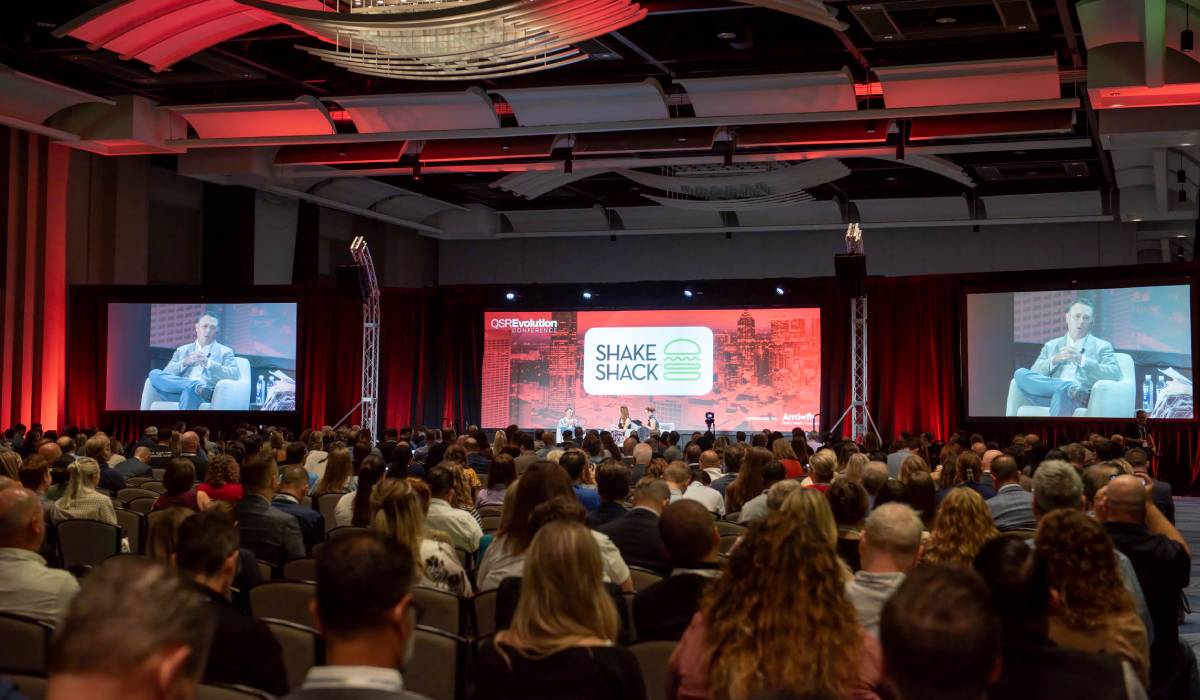
The annual QSR Evolution Conference, held in partnership with the FSR NextGen Restaurant Summit in Atlanta, serves as a premier gathering for leaders in the quick-service and fast-casual restaurant sectors. This year’s conference provided a rare, unfiltered look into the operational challenges and strategic shifts defining the modern hospitality landscape. Beyond the curated keynotes and formal panel discussions, the event highlighted critical conversations surrounding workforce retention, technological integration, corporate restructuring, and the true cost of brand purpose.
Industry analysts, executives, and operators convened in Atlanta against a backdrop of sweeping economic and structural changes within the food service sector. As private equity investment reshapes ownership models and technological innovations promise unprecedented efficiencies, restaurant leaders are increasingly forced to reevaluate foundational practices. Insights gathered from pre-event executive surveys, hallway conversations, and panel sessions reveal an industry at a critical crossroads, where traditional metrics of success are being challenged by frontline realities.
The Evolution of Listening and Operational Feedback
A central theme emerging from the Atlanta summit was the distinction between merely collecting customer feedback and actively implementing structural change based on consumer insights. While virtually all modern restaurant chains utilize digital feedback systems to gauge customer sentiment, few allow these insights to fundamentally alter their operational strategies.
Highlighting a standout brand turnaround, industry leaders emphasized that effective listening requires sustained, direct engagement with consumers to identify systemic flaws and unmet desires. Rather than treating customer complaints as isolated incidents, successful operators analyze the underlying sentiment, often finding that critical feedback stems from consumers who remain invested in the brand’s success. Analysts note that bridging the gap between data collection and execution remains one of the primary hurdles for scaling brands navigating shifting consumer preferences.
Tapping Internal Expertise and Redefining General Manager Longevity
Discussions surrounding labor and workforce management underscored the largely untapped potential residing within existing organizational structures. According to conference participants, frontline employees, general managers, and franchisees frequently possess the most accurate understanding of guest behavior and operational friction. Despite this, hierarchical structures often discourage these individuals from voicing actionable insights.
The longevity of frontline leadership also emerged as a significant point of discussion. Highlighting an industry anomaly, leadership from White Castle noted an average general manager tenure of 19 years—a striking figure in a sector traditionally plagued by high turnover and labor churn. This statistic challenged prevailing industry assumptions that high attrition is an inevitable consequence of quick-service operations. Industry observers suggest that replicating such retention rates requires a fundamental shift in corporate culture, prioritizing long-term professional development and localized operational autonomy over short-term cost-cutting measures.
Friction on the Frontline: Separating Labor Challenges from Culture Gaps
The dialogue surrounding labor shortages frequently obscured deeper cultural and operational deficiencies within restaurant organizations. Operators participating in specialized panels argued that while quick-service work is inherently demanding, employee dissatisfaction is more frequently driven by administrative friction than the physical labor itself.
Unoptimized store layouts, outdated preparation workflows, rigid scheduling systems, and poorly communicated corporate rollouts were repeatedly cited as primary drivers of employee attrition. Panelists emphasized that operational standards often fluctuate based on shifting corporate directives rather than frontline feasibility. Consequently, industry experts contend that high turnover is frequently a symptom of systemic misalignment between executive strategy and store-level execution, rather than an intractable labor market shortage.
Furthermore, leaders underscored the financial and operational impact of inadequate training programs. Executives noted that failure to implement rigorous, repeatable training processes across all shifts undermines consistency and accelerates employee burnout. Investing in comprehensive training infrastructures, while initially costly, is increasingly viewed as an essential safeguard against chronic turnover and operational inconsistency.
Strategic Growth, Identity, and the Pitfalls of Rapid Expansion
As brands pursue aggressive expansion strategies, leadership experts at the summit drew a sharp distinction between healthy organizational stress and the strain of unsustainable growth. Rapid scaling that outpaces a company’s internal infrastructure, team capabilities, and brand identity frequently leads to corporate drift and diminished execution.
This challenge is particularly acute for brands navigating post-acquisition transitions. Increased pressure from private equity boards, mandatory forecasting metrics, and proliferating key performance indicators (KPIs) can inadvertently overshadow core operational values such as hospitality. Industry veterans noted that maintaining brand clarity during periods of intense growth requires deliberate effort to ensure that administrative demands do not eclipse the foundational mission of the enterprise.
Technology Integration and the Network-Wide Pilot Gap
The integration of artificial intelligence and digital ordering systems dominated technical discussions in Atlanta, with a growing emphasis on practical implementation rather than novelty. A recurring concern among operators was the disparity between successful single-unit technology pilots and the complexities of network-wide rollouts.
Deploying new software or hardware across hundreds of locations with disparate point-of-sale systems, legacy data architectures, and localized operational habits remains a significant obstacle. Executives cautioned against treating technology as an end in itself, reinforcing the principle that digital tools must directly serve and enhance the guest experience rather than complicate it. Brands that successfully navigate the next decade will likely be those that maintain strict alignment between technological investments and core hospitality objectives.
Capital Shifts: Franchisees Acquiring Franchisors
The macroeconomic landscape of the restaurant industry continues to evolve rapidly, marked by significant capital restructuring and high-profile acquisitions. Recent industry movements underscore a broader structural shift:
- Denny’s transition to private ownership.
- RaceTrac’s acquisition of Potbelly.
- Yum! Brands’ agreement regarding Pizza Hut.
- Roark Capital’s majority stake acquisition in Dave’s Hot Chicken, valued in excess of $1 billion.
- Sun Holdings’ outright acquisition of Uncle Julio’s and Bar Louie.
The latter transaction—wherein a major franchisee acquired full ownership of established brands—highlights an emerging trend of operators purchasing the parent systems. This private equity and franchisee-led consolidation is fundamentally altering the corporate governance of major chains. Industry analysts point out that these transactions frequently introduce immediate questions regarding brand identity and corporate culture, as new ownership structures impose rigorous financial and operational expectations on legacy systems.
The Economic Reality of Brand Purpose
Concluding panels challenged conventional definitions of corporate mission and brand purpose, moving away from generalized marketing statements toward tangible operational commitments. Leaders argued that a genuine corporate purpose must involve identifiable costs—whether through restricted growth opportunities, modified operating hours to prioritize employee well-being, or above-market compensation models that defy standard labor cost margins.
Without these concrete sacrifices, corporate values risk being reduced to superficial branding exercises rather than guiding operational principles. Panelists asserted that authentic purpose serves as a vital filter for decision-making, ensuring that financial growth does not compromise the foundational identity of the brand.
Implications for Industry Leadership and Execution
The overarching consensus from the Atlanta conference is that the restaurant industry possesses no shortage of strategic concepts or technological innovations. The primary challenge lies in consistent execution and rigorous coaching at the store level. Translating executive vision into repeatable daily behaviors requires resilient operational frameworks and leaders committed to bridging the gap between corporate strategy and frontline reality. As the sector navigates ongoing labor dynamics, technological integration, and capital restructuring, the ability to maintain operational clarity and cultural integrity will ultimately distinguish market leaders from the rest of the field.