
A particular homemade strawberry pie, distinguished by its crisp graham cracker crust and a luscious cream cheese whipped cream topping, has rapidly emerged as a frontrunner for the quintessential summer dessert. Gaining significant traction within home baking circles, this recipe, which emphasizes ease of preparation and a harmonious blend of textures and flavors, has been lauded for its refreshing qualities, making it an ideal candidate for warm-weather culinary occasions. Its ascent highlights a broader trend towards accessible, fresh-ingredient-focused recipes that resonate with both novice and experienced home cooks.
The Recipe’s Ascent: A Culinary Phenomenon
The specific recipe, rooted in a tradition spanning generations and popularized by prominent culinary platforms, has garnered enthusiastic endorsement from a diverse audience. Reports indicate that within households, this strawberry pie has frequently been declared a unanimous favorite, often triumphing over other contemporary dessert options in family preference polls. This widespread approval is not merely anecdotal; it reflects a recipe that successfully marries simplicity with profound satisfaction. The allure lies in its composition: a generous assembly of fresh, ripe strawberries, chilled to perfection, encased within a salty-sweet graham cracker base, and crowned with a unique, tangy cream cheese whipped cream. This combination offers a sophisticated yet comforting profile that appeals across age groups. Its established lineage, passed down through familial cooking traditions, lends an additional layer of authenticity and nostalgic charm, further contributing to its current popularity.

Anatomy of a Summer Sensation: Flavor and Texture Profile
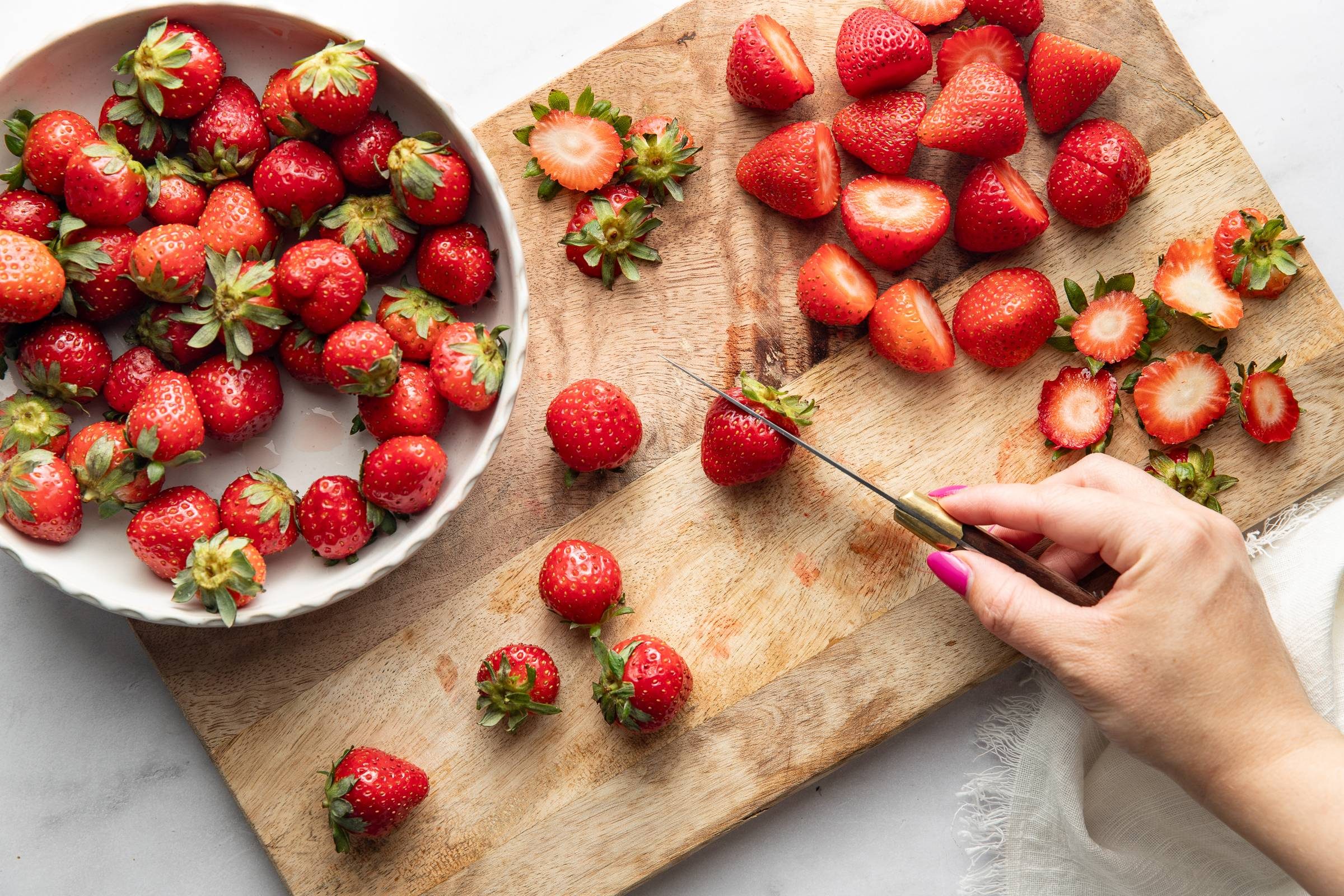
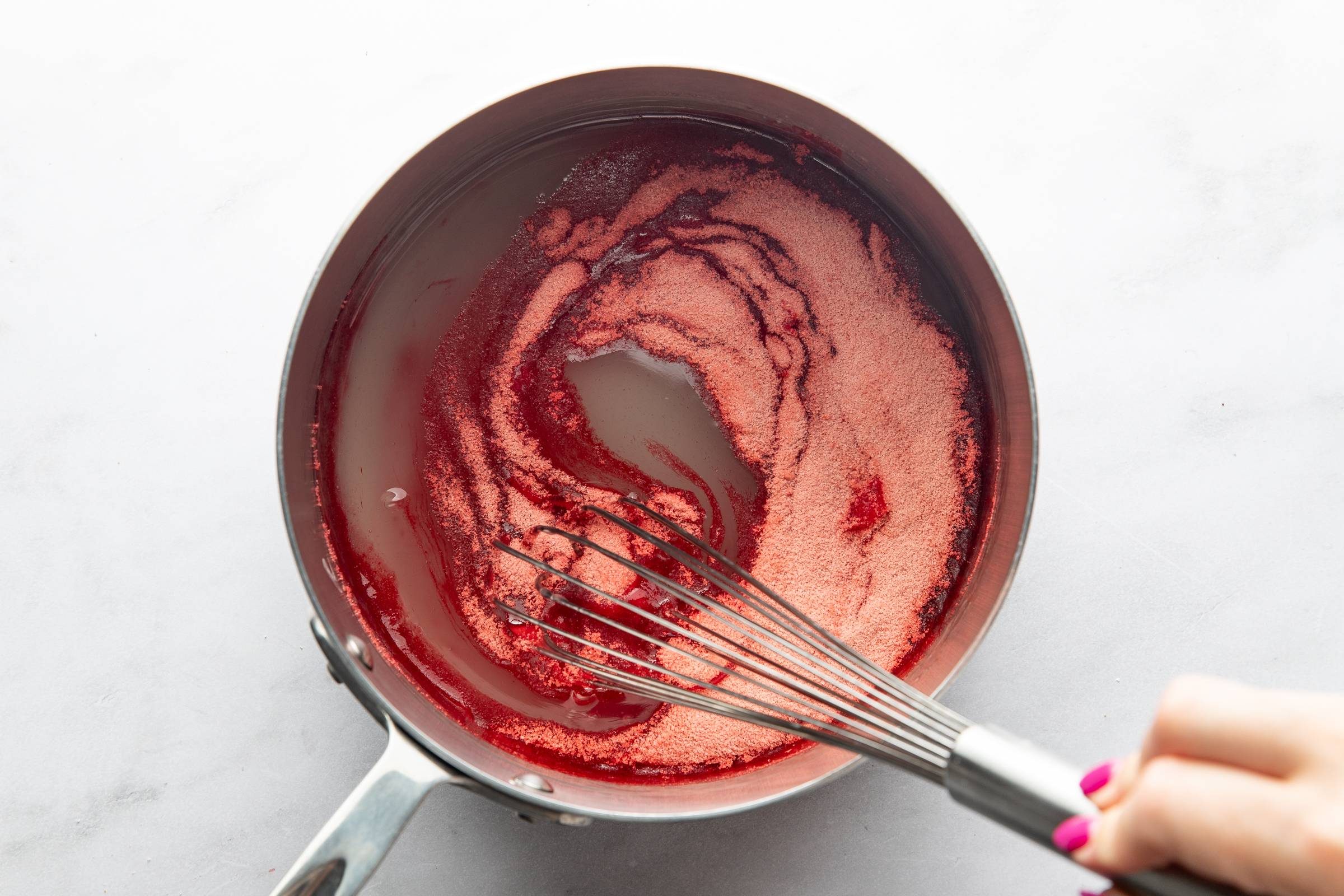
The success of this strawberry pie can be meticulously broken down into its key components, each playing a critical role in its overall appeal. At its heart are the fresh strawberries, which are the star of the dish. Utilizing peak-season berries ensures maximum sweetness, juiciness, and a vibrant flavor that defines the pie. The preparation often involves a simple maceration or a light glaze, allowing the natural essence of the fruit to shine without being overshadowed.
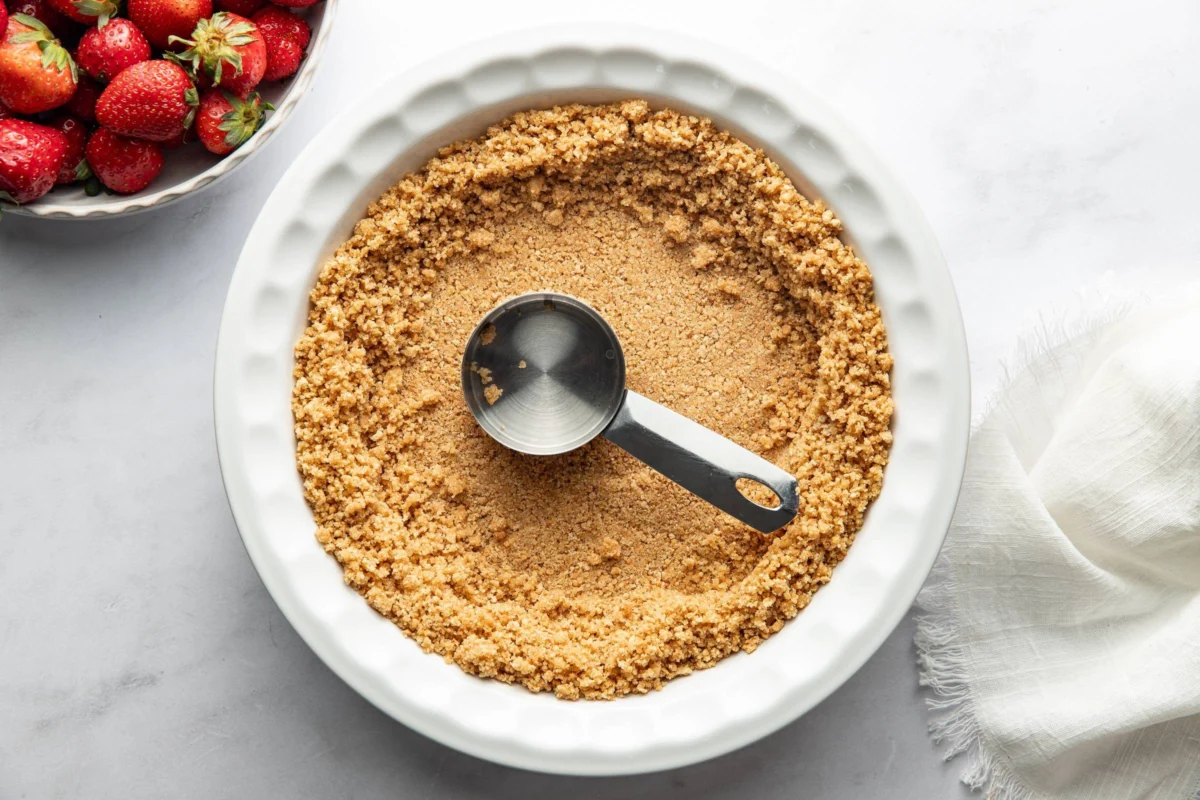
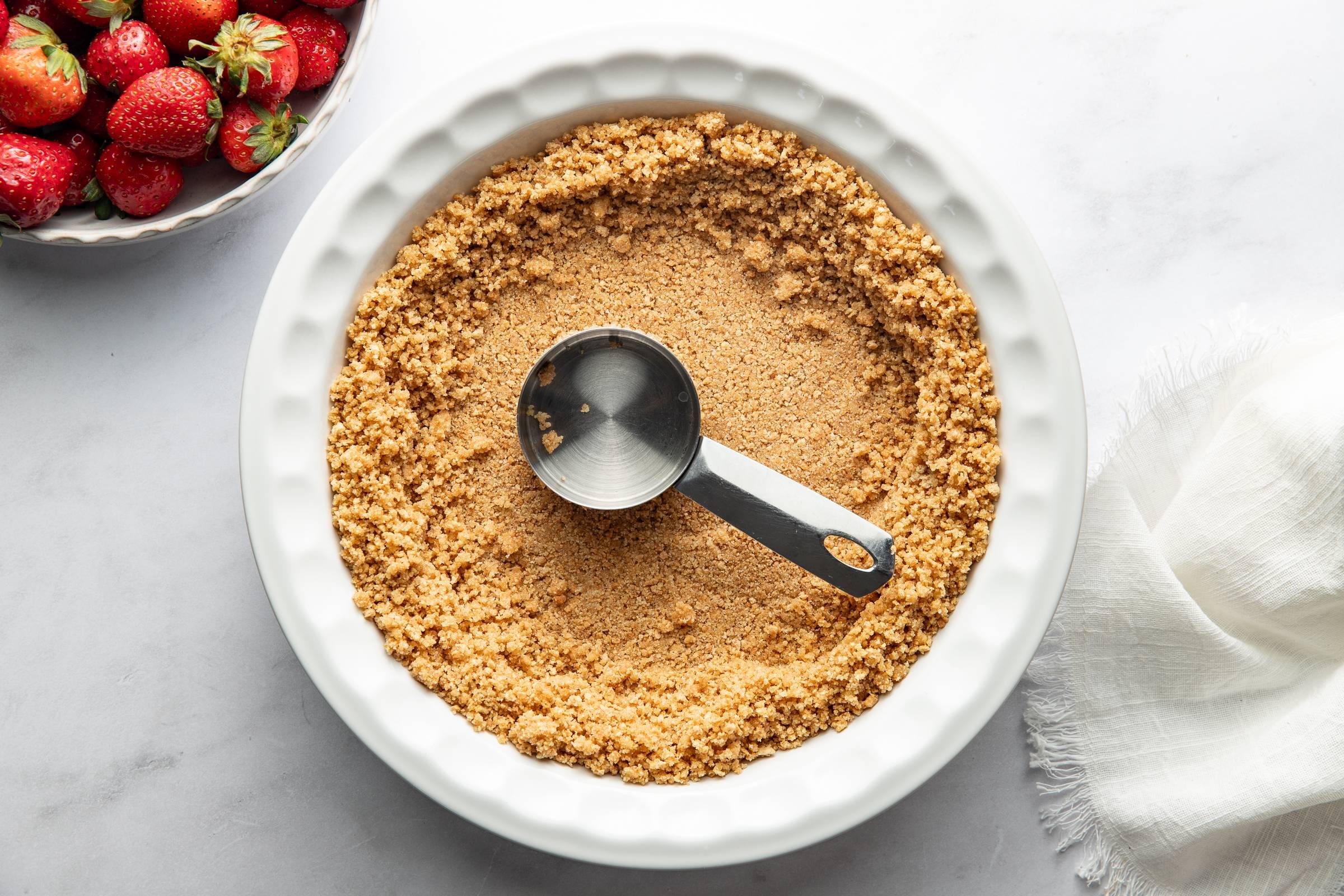
The foundation of the pie is its graham cracker crust. Unlike traditional pastry crusts that require precise handling, chilling, and blind baking, the graham cracker crust offers an unparalleled ease of preparation. Composed of crushed graham crackers, sugar, and melted butter, it is pressed into a pie dish and typically chilled or briefly baked to set. This crust introduces a distinctive salty-sweet counterpoint to the fresh fruit, providing a textural crunch that contrasts beautifully with the tender berries. Culinary experts often highlight the graham cracker crust’s ability to absorb some of the fruit’s natural juices, preventing sogginess while enhancing flavor integration. Its straightforward assembly also makes it an excellent choice for bakers seeking efficiency without compromising on taste. While traditionalists might opt for a classic baked pastry shell, the graham cracker alternative has firmly established itself as a preferred choice for its distinct flavor profile and user-friendly nature.
Crowning this dessert is the innovative cream cheese whipped cream. This element elevates the pie beyond a simple fruit dessert, adding a layer of rich creaminess and a subtle tang that complements the sweetness of the strawberries. Unlike standard whipped cream, the incorporation of cream cheese provides a more stable, slightly denser texture and a nuanced flavor that prevents the pie from being overly sweet. It also offers a cooling sensation that is particularly desirable during warmer months. The delicate balance between the fruit’s freshness, the crust’s texture, and the cream’s richness is what truly distinguishes this pie as a culinary triumph.

Seasonal Delights: The Role of Fresh Strawberries
The burgeoning popularity of this strawberry pie is inextricably linked to the seasonal availability and inherent appeal of fresh strawberries. Strawberries, belonging to the genus Fragaria, are one of the most widely consumed and economically significant berry crops globally. The peak season for strawberry harvesting typically spans from late spring through early summer, varying slightly by region. In North America, this period generally runs from May to July, coinciding perfectly with the increased demand for refreshing, fruit-based desserts.
Global strawberry production reached approximately 9.2 million metric tons in 2022, with major producers including China, the United States, Mexico, and Egypt. In the United States, California and Florida are leading states in production, contributing significantly to the national supply. The economic impact of the strawberry industry is substantial, supporting thousands of jobs and generating billions of dollars in revenue annually. The fruit’s vibrant red color, sweet-tart taste, and aromatic qualities make it an irresistible ingredient for culinary applications.
Beyond their sensory appeal, strawberries are also a nutritional powerhouse. They are an excellent source of Vitamin C, a powerful antioxidant essential for immune function and skin health. Additionally, they contain manganese, potassium, folate, and dietary fiber. Their high antioxidant content, including anthocyanins which give them their red color, and ellagic acid, contributes to their potential health benefits, such as reducing oxidative stress and inflammation. The emphasis on using fresh, seasonal strawberries in this pie recipe not only enhances its flavor but also aligns with growing consumer preferences for healthy, natural ingredients and farm-to-table culinary practices.

The Enduring Appeal of Pie: A Historical Perspective
The humble pie, in its myriad forms, possesses a rich and extensive history that spans millennia, evolving from ancient utilitarian dishes to celebrated culinary masterpieces. Its origins can be traced back to ancient Egypt, where rudimentary flatbreads filled with honey and fruit were consumed. The Romans developed more sophisticated pastry shells, often used to encase meats, a practice that continued through the Middle Ages in Europe. These early pies were primarily functional, serving as a protective casing to preserve food and make it portable for travelers and soldiers.
Sweet pies, as we recognize them today, began to emerge more prominently during the Renaissance. Sugar became more accessible, and fruit fillings gained popularity. By the 16th and 17th centuries, pies were a staple in European cuisine, with regional variations flourishing. When European settlers arrived in North America, they brought their pie-making traditions with them. The availability of diverse fruits and grains in the New World led to the development of distinctly American pies, with apple, cherry, and berry pies becoming iconic. The pie crust itself underwent transformations, becoming flakier and more refined over time.
The strawberry pie, while perhaps not as ancient as its apple counterpart, fits squarely within this rich tradition of fruit-filled desserts. Its evolution likely mirrored the increasing cultivation and accessibility of strawberries. The particular combination of fresh fruit and a crumb-based crust, like the graham cracker, represents a more modern interpretation, reflecting a desire for lighter, often no-bake, and simpler preparations that cater to contemporary lifestyles. This specific recipe’s family heritage underscores how culinary traditions adapt and are passed down, maintaining the essence of a classic while embracing convenience and modern flavor preferences.
The Home Baking Revival: Engagement and Accessibility
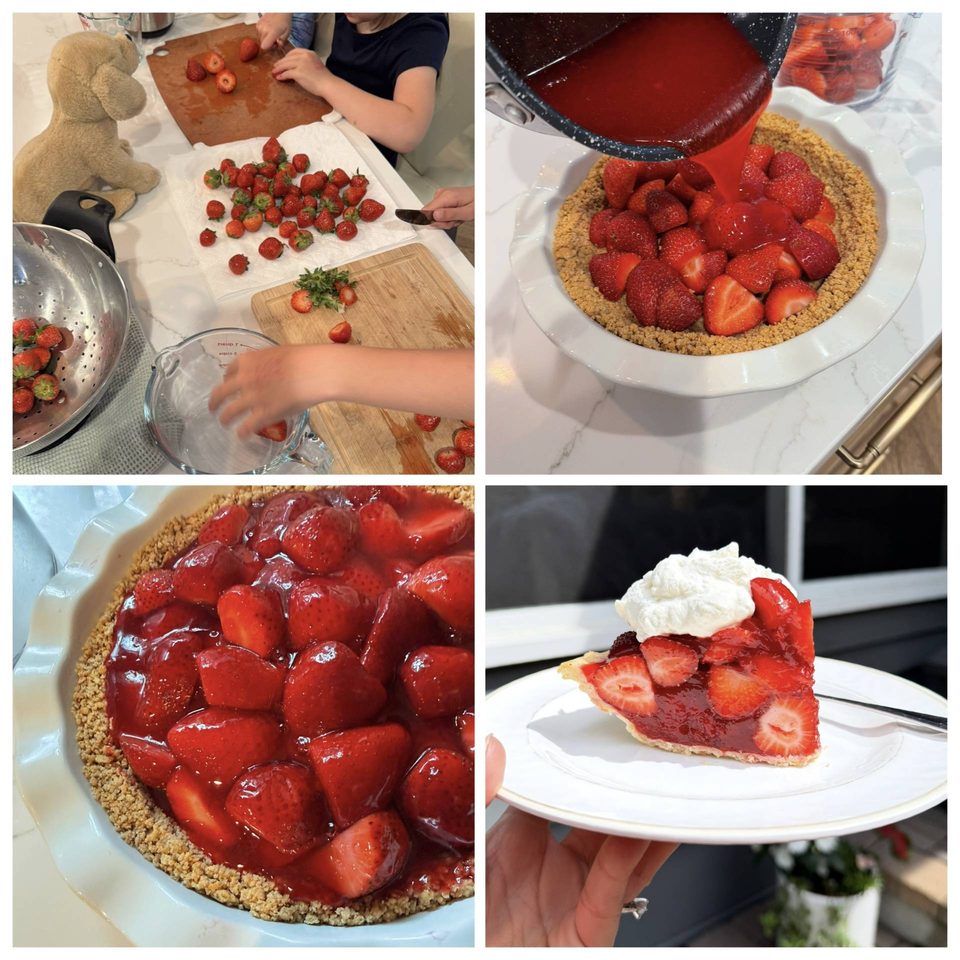
The strawberry pie’s design as an "easy homemade" recipe taps into a significant cultural shift: the resurgence of home baking. In recent years, driven by factors such as a desire for healthier, homemade alternatives, increased leisure time, and the influence of culinary media, more individuals and families are returning to their kitchens. This particular recipe stands out for its remarkable suitability for family participation, making it an excellent vehicle for fostering culinary skills and creating shared experiences across generations.
The step-by-step process, from preparing the graham cracker crust to arranging the berries and whisking the cream cheese topping, can be easily broken down into tasks appropriate for children. Engaging children in the kitchen offers numerous developmental benefits, including improving fine motor skills, mathematical concepts (measuring ingredients), and an understanding of food origins. It also instills a sense of accomplishment and encourages healthier eating habits by making them active participants in meal preparation.
This hands-on approach contrasts with the often complex and time-consuming nature of traditional baking, which can deter busy families. The straightforwardness of the strawberry pie recipe, coupled with its delicious outcome, reinforces the idea that home baking can be both rewarding and accessible. It transforms what could be a solitary kitchen task into a joyful, collaborative family activity, aligning with broader societal interests in family bonding and experiential learning. The recipe serves as an excellent example of how culinary simplicity can lead to profound and lasting family memories.

Expert Perspectives on Culinary Trends
Culinary experts and food trend analysts often point to several factors contributing to the success of recipes like the strawberry pie in question. "The current culinary landscape favors dishes that offer a compelling balance of freshness, flavor, and ease," states Dr. Eleanor Vance, a food historian and consultant specializing in dessert trends. "This strawberry pie perfectly embodies that. It leverages seasonal produce, offers a delightful textural contrast with the graham cracker crust, and the cream cheese whipped cream provides a unique, sophisticated twist to a classic."
Furthermore, Vance highlights the growing consumer demand for nostalgic yet innovative dishes. "Many people are seeking comfort food, but with a modern sensibility. This pie delivers that by taking a beloved summer fruit and presenting it in a format that feels both familiar and excitingly new, especially with the inclusion of the cream cheese whipped cream, which adds a layer of indulgence without being overly heavy."
Food industry analyst Mark Peterson concurs, adding, "The ‘easy’ aspect is paramount. In today’s fast-paced world, home cooks appreciate recipes that deliver impressive results without requiring extensive time or specialized skills. Recipes that facilitate family involvement, as this one does, also gain significant traction because they offer more than just a meal—they offer an experience." Peterson suggests that such recipes contribute to a sense of culinary empowerment among home bakers, encouraging them to experiment more frequently with seasonal ingredients.
Economic Footprint: Impact on Related Industries
The widespread adoption of popular recipes, particularly those featuring seasonal ingredients, often has a tangible economic ripple effect across several industries. The increased demand for this specific strawberry pie recipe directly benefits strawberry growers. A surge in home baking requiring fresh strawberries translates into higher sales volumes during the peak harvest season, potentially stabilizing prices and ensuring a robust market for producers. This can be particularly beneficial for local and regional farms, strengthening local food economies.
Beyond strawberries, the recipe also boosts demand for other key ingredients. The graham cracker industry, encompassing both raw material suppliers and manufacturers of finished crackers, experiences increased sales. Similarly, dairy producers benefit from the heightened consumption of cream cheese and heavy cream, which are central to the pie’s distinctive topping. Butter manufacturers also see an uptick in demand, as butter is a crucial component of the graham cracker crust.
Packaging and baking supply companies also observe a positive impact. As more individuals bake at home, there is a greater need for pie dishes, mixing bowls, whisks, and other kitchen utensils. This micro-trend, driven by a single popular recipe, illustrates the interconnectedness of the food supply chain and how consumer preferences at the household level can collectively influence agricultural output and manufacturing demands. This reinforces the notion that culinary trends are not merely about taste but also about economic vitality.
The Digital Influence: Food Blogs and Recipe Dissemination
The rapid dissemination and popularization of recipes like this strawberry pie owe much to the transformative power of digital media, particularly food blogs and social media platforms. In the past, recipes were primarily shared through cookbooks, magazines, or word-of-mouth. Today, culinary blogs, often spearheaded by passionate home cooks or professional chefs, serve as dynamic hubs for recipe discovery and inspiration.
Platforms such as Pinch of Yum, referenced in the original context, play a pivotal role in this ecosystem. They provide high-quality photography, detailed instructions, and often personal anecdotes that make recipes more relatable and accessible. The interactive nature of these platforms, allowing for comments, questions, and shared experiences, fosters a strong sense of community among bakers. When a recipe is shared widely across social media channels (e.g., Pinterest, Instagram, Facebook), its reach can become exponential, quickly transforming a family favorite into a national or even international culinary sensation.
This digital influence has democratized recipe sharing, allowing a broader range of voices to shape culinary trends. It also provides immediate feedback loops, enabling recipe creators to refine and adapt their offerings based on user experience. The accessibility of these digital resources means that a well-crafted, appealing recipe can gain traction faster and reach a wider audience than ever before, fundamentally altering how new culinary ideas are introduced and adopted by the public.
Conclusion: A Symbol of Summer’s Sweetness
The "easy homemade strawberry pie" with its signature graham cracker crust and cream cheese whipped cream stands as more than just a dessert; it is a culinary emblem of summer. Its widespread appeal underscores a contemporary preference for recipes that are not only delicious and refreshing but also straightforward to prepare and conducive to shared family experiences. From the vibrant, seasonal strawberries to the ingenious crust and creamy topping, each element contributes to a harmonious whole that resonates with current culinary trends. The pie’s popularity reflects broader shifts in home baking, the economic impact of seasonal produce, and the powerful influence of digital media in shaping gastronomic culture. As families gather and communities celebrate the warmer months, this particular strawberry pie is poised to remain a beloved centerpiece, embodying the simple, joyful sweetness of summer.