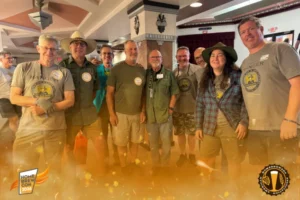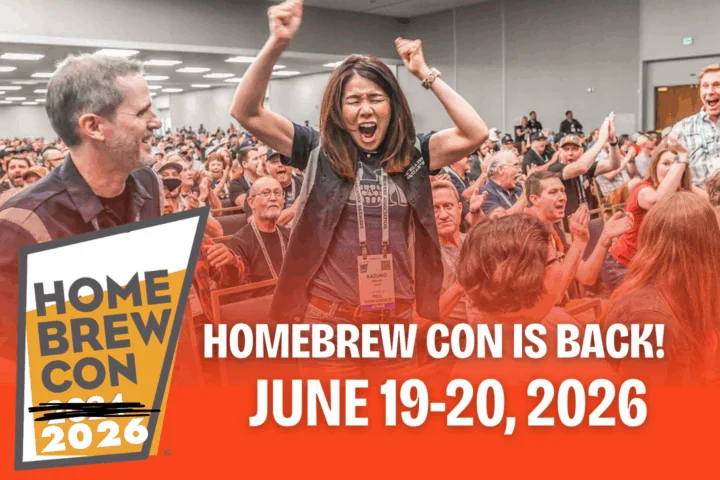

The American Homebrewers Association (AHA) has officially confirmed that Homebrew Con, the premier annual gathering for amateur brewers and fermentation enthusiasts, will return for its 46th edition in Asheville, North Carolina, from June 19 to 20, 2026. This announcement marks a significant milestone for the homebrewing community, as the event returns to a city frequently cited as a primary hub for American craft beer culture. The conference will be preceded by the final round of judging for the National Homebrew Competition (NHC) on June 18, 2026, setting the stage for a three-day intensive celebration of zymurgy, education, and community networking.
Homebrew Con has long served as the cornerstone of the hobbyist brewing world, providing a platform where amateur brewers can interact with industry professionals, equipment manufacturers, and ingredient suppliers. The 2026 iteration aims to revitalize the traditional format of the conference, incorporating hallmark events such as the Homebrew Expo, educational seminars led by industry experts, and the highly anticipated "Club Night," where brewing clubs from across the country showcase their unique creations in a festival-style environment.
The Strategic Selection of Asheville as Host City
The choice of Asheville, North Carolina, as the host city for the 2026 conference is a calculated move by the AHA to align the event with a region that possesses a deep-rooted brewing heritage. Often referred to as "Beer City USA," Asheville boasts more breweries per capita than almost any other city in the United States. This environment provides a symbiotic backdrop for the conference, allowing attendees to explore a local industry that was, in many cases, founded by former homebrewers who transitioned into professional production.
Asheville’s brewing ecosystem is characterized by a mix of pioneering craft staples and experimental microbreweries. The presence of major production facilities for nationally recognized brands, alongside a dense concentration of independent taprooms, offers a comprehensive case study for conference attendees interested in the scaling of brewing operations. From a logistical standpoint, Asheville’s infrastructure, including its convention facilities and hospitality sector, is well-equipped to manage the influx of thousands of hobbyists expected to attend the 46th annual gathering.
Furthermore, the economic impact of hosting Homebrew Con is expected to be substantial for the Western North Carolina region. Historical data from previous conferences suggests that the event draws attendees from all 50 states and numerous international locations. These visitors contribute to the local economy through hotel stays, dining, and patronage of local breweries and retail establishments. For Asheville, the event reinforces its status as a destination for "beer tourism," a sector that has seen consistent growth over the last two decades.
The National Homebrew Competition and Final Round Judging
A critical component of the 2026 schedule is the National Homebrew Competition (NHC) Final Round Judging, taking place on June 18. The NHC is recognized as the largest international homebrew competition, attracting thousands of entries across dozens of style categories defined by the Beer Judge Certification Program (BJCP). The competition serves not only as a quest for medals but as a rigorous benchmarking tool for brewers seeking objective feedback on their technical execution.
The judging process is a massive logistical undertaking, requiring hundreds of certified judges and stewards. By scheduling the final round immediately before the official start of Homebrew Con, the AHA ensures that the momentum of the competition carries directly into the conference. The winners are typically announced during a formal awards ceremony that serves as one of the conference’s focal points. Winning an NHC medal is considered one of the highest honors in the hobby, often serving as a catalyst for individuals looking to enter the professional brewing ranks.
Core Pillars of the Homebrew Con Experience
The 2026 program is designed to balance technical education with social engagement. The AHA has outlined several key features that will return for the Asheville event:
The Homebrew Expo and Social Club
The Homebrew Expo serves as the trade show floor for the event, featuring the latest innovations in brewing technology. Attendees can expect to see advancements in automated brewing systems, fermentation temperature control, and water chemistry kits. Leading suppliers of malt, hops, and yeast use the Expo as a venue to debut new products and provide technical data to the end-user. Parallel to the Expo, the Social Club provides a space for attendees to share their own brews, facilitating a peer-to-peer exchange of techniques and recipes.
Educational Seminar Sessions
Education remains the primary mission of the AHA. The 2026 seminar lineup is expected to cover a broad spectrum of topics, ranging from the fundamental science of mashing and boiling to advanced microbiology and barrel-aging techniques. Speakers often include renowned authors, professional brewmasters, and university researchers. These sessions provide a rare opportunity for hobbyists to access high-level data and troubleshooting advice that is usually reserved for professional industry conferences.

Club Night
Perhaps the most iconic element of Homebrew Con is Club Night. During this event, homebrew clubs transform the hall into a series of themed booths, serving their best beers to fellow attendees. Club Night is a testament to the communal nature of the hobby, emphasizing the "home" in homebrewing. It serves as a celebration of creativity, with clubs often going to great lengths to design elaborate tap systems and costumes that reflect their local culture or brewing philosophy.
Historical Context and the Evolution of the AHA
To understand the significance of the 46th Homebrew Con, one must look at the history of the American Homebrewers Association. Founded in 1978 by Charlie Papazian in Boulder, Colorado, the AHA was established shortly after the federal legalization of homebrewing in the United States. Since its inception, the organization has grown to represent tens of thousands of members worldwide.
The first "National Homebrewers Conference" was a modest affair, but it laid the groundwork for what would become a global movement. Over the decades, the conference has moved across the country, visiting cities such as Portland, San Diego, Grand Rapids, and Nashville. Each location has influenced the character of the event, but the core mission has remained unchanged: to promote the community of homebrewers and to protect the right to brew at home.
The return to a physical, large-scale format in 2026 is also a reflection of the industry’s resilience. Like many large gatherings, Homebrew Con faced disruptions in recent years due to global health concerns and shifting economic landscapes. The commitment to a 2026 date in Asheville signals a long-term investment by the AHA in the future of the hobby and a recognition that the in-person exchange of ideas is vital to the growth of the craft.
Broader Impact on the Craft Brewing Industry
The relationship between homebrewing and the professional craft beer industry is deeply intertwined. A significant percentage of professional brewers in the United States began their careers as hobbyists in kitchens and garages. Homebrew Con serves as an incubator for the next generation of professional talent. By providing access to professional-grade education and networking, the conference helps bridge the gap between amateur enthusiasm and commercial viability.
From an analytical perspective, the trends observed at Homebrew Con often predict future shifts in the commercial market. For instance, the rise of Hazy IPAs, the resurgence of traditional lagers, and the exploration of ancient grain varieties often gain traction in the homebrewing community before becoming staples on commercial taproom boards. Suppliers also use the conference to gauge interest in new hop cultivars or yeast strains, using the feedback from highly engaged homebrewers to inform their commercial release strategies.
Analysis of Implications for the Fermentation Community
The announcement of the 2026 dates provides a clear timeline for the community. For homebrewers, the lead time allows for the meticulous planning of "competition brews" intended for the NHC. For clubs, it provides nearly two years to organize travel logistics and fundraising for Club Night displays.
From a broader industry standpoint, the event underscores the continued relevance of the American Homebrewers Association as a governing body. In an era where digital information is ubiquitous, the continued demand for a physical conference highlights the value of sensory experience—tasting, smelling, and touching the ingredients and equipment that define the craft.
The inclusion of "fermenting" in the AHA’s recent communications also suggests a broadening of the conference scope. While beer remains the primary focus, there is an increasing overlap with other fermented products such as mead, cider, kombucha, and fermented foods. This diversification reflects a holistic interest in the science of fermentation, potentially expanding the attendee base to include a wider variety of artisans.
Future Outlook and Registration Information
As the AHA moves toward the 2026 event, the organization has indicated that further details regarding registration, hotel blocks, and specific seminar topics will be released through official channels, including Zymurgy magazine and the AHA’s digital newsletters. The anticipation surrounding the Asheville event is expected to drive high registration numbers, particularly given the city’s reputation as a premier travel destination.
The 46th Homebrew Con represents more than just a meeting of hobbyists; it is a manifestation of a culture that prizes self-reliance, scientific inquiry, and social connection. By bringing the event to Asheville, the American Homebrewers Association is ensuring that the 2026 conference will be situated at the heart of the American beer story, providing a fitting stage for the next chapter of homebrewing history. Participants and stakeholders are encouraged to remain engaged with the AHA as the planning phases progress, ensuring that the 2026 gathering continues the tradition of being "the best party on the planet" for those dedicated to the art of fermentation.