
The unprecedented global health crisis triggered by the SARS-CoV-2 pandemic in early 2020 sent ripples through nearly every facet of human society, from healthcare systems and economies to daily routines and consumer habits. Amidst the somber discussions of viral transmission rates and lockdown measures, an unexpected culinary phenomenon emerged: a massive surge in home baking. This widespread return to the kitchen, often necessitated by newfound free time and a desire for comfort, led to an unforeseen scarcity of a humble yet vital ingredient: yeast. This period not only highlighted the intricate dynamics of global supply chains but also brought the counterintuitive concept of exponential growth—a term primarily associated with the virus’s spread—into a positive and practical light, demonstrating its power in the microbial world of fermentation.
The Pandemic’s Culinary Shift: A Chronology of Flour and Ferment
The initial phase of the COVID-19 pandemic, particularly from March to May 2020, saw governments worldwide implement stringent lockdown measures, encouraging or mandating people to stay home. This abrupt shift in lifestyle had immediate and cascading effects. Supermarket shelves, particularly in the baking aisle, quickly emptied as consumers engaged in panic buying, stocking up on essentials like flour, sugar, and crucially, yeast. In many regions, including Norway where one observer noted, "yeast was sold out for weeks and months on end," the ingredient became a coveted commodity.
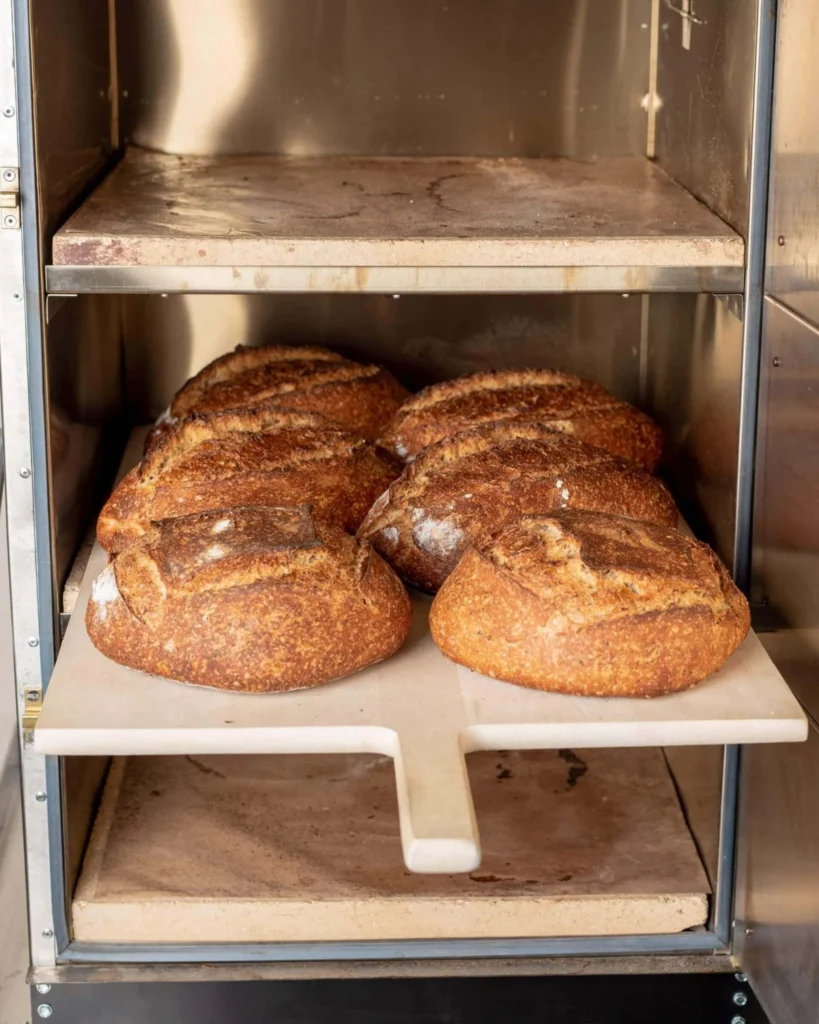
This initial scramble soon evolved into a sustained trend. With restaurants closed and social gatherings curtailed, home kitchens transformed into centers of culinary activity. Baking, especially bread-making, became a popular pastime, offering a sense of accomplishment, a comforting aroma, and a tangible product during an uncertain time. Social media platforms overflowed with images of freshly baked sourdough loaves, artisan rolls, and elaborate pastries, creating a collective digital sourdough starter culture. This sustained demand for baking ingredients continued well beyond the initial panic, marking a significant shift in consumer behavior that persisted throughout 2020 and into 2021.
Understanding the Scarcity: Supply Chain Dynamics and Consumer Demand
The widespread disappearance of yeast from retail shelves wasn’t simply due to hoarding; it was a complex interplay of unprecedented demand and supply chain recalibration. Prior to the pandemic, a significant portion of yeast production was geared towards commercial bakeries, food service industries, and industrial applications. Retail sales, while steady, represented a smaller segment of the overall market.
When lockdowns hit, demand from commercial clients plummeted, while retail demand skyrocketed almost overnight. Industry reports from major yeast manufacturers and market research firms indicated a dramatic surge in retail yeast sales, with some figures suggesting increases of 300% to 600% in various markets during the peak lockdown months. For instance, Nielsen data for the U.S. market reported retail yeast sales increasing by over 400% in March 2020 compared to the previous year.
Yeast production, while scalable, is not instantaneously adaptable. Manufacturing plants are often configured for specific product types (e.g., bulk compressed yeast for commercial use vs. small sachets of instant dry yeast for retail). Shifting production lines, sourcing appropriate packaging materials, and re-routing distribution networks to prioritize retail channels took time and significant logistical effort. While manufacturers rapidly adjusted, the sheer scale and suddenness of the demand overwhelmed the existing retail supply infrastructure, leading to persistent shortages in grocery stores even as overall production capacities were being utilized.
The Science of Leavening: Unpacking Exponential Yeast Growth
Amidst the shortages, a fascinating paradox emerged: the very mechanism driving the shortage – exponential growth – was also the key to overcoming it. The term "exponential growth" gained widespread public consciousness in a negative context, referring to the rapid and often alarming spread of the SARS-CoV-2 virus. However, the same mathematical principle underpins the miraculous transformation of dough into fluffy bread.
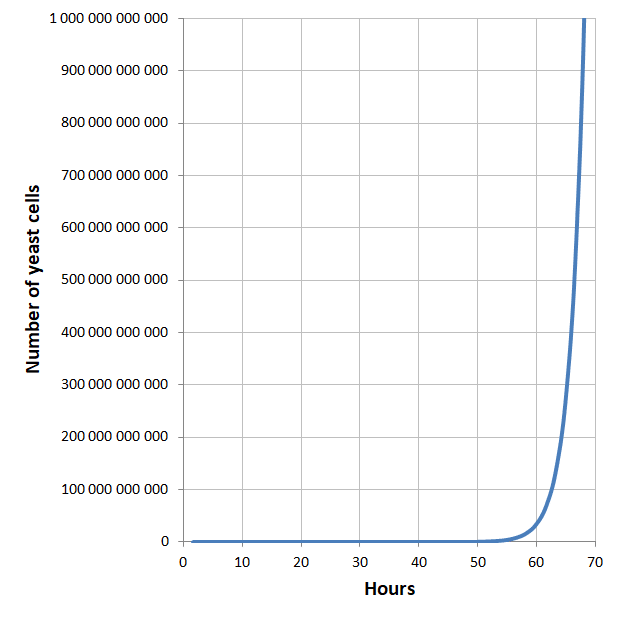
Yeast, specifically Saccharomyces cerevisiae, is a single-celled fungus crucial for fermentation. Under ideal conditions, with access to nutrients (sugars), warmth, and moisture, a single yeast cell embarks on a remarkable journey of reproduction. This process is typically through budding, where a new cell grows out of the parent cell, eventually detaching. The article highlights that "a single yeast cell can grow and split into two cells in the course of about 100 minutes" – effectively completing a full life cycle in under two hours.
This doubling time is the engine of exponential growth. After another 100 minutes, those two cells become four, then eight, then sixteen, and so on. The progression is initially slow, almost imperceptible. After 24 hours, a single cell might have multiplied to approximately 16,000 cells. After 48 hours, this number escalates dramatically to around 268 million cells. By the time three days have passed, if conditions remain optimal, the initial single cell could have given rise to an astonishing trillion (1,000,000,000,000) yeast cells. To put this into perspective, a typical 50-gram piece of compressed fresh yeast contains roughly this many cells.
This rapid proliferation vividly illustrates the "wheat and chessboard problem," a classic mathematical riddle where placing one grain of rice on the first square, two on the second, four on the third, and so on, quickly leads to an unimaginable quantity of rice. Just as the seemingly small initial numbers on the chessboard quickly become astronomical, so too does yeast multiply. This characteristic explains why COVID-19 cases could appear to be stable for a period before "suddenly seem[ing] to skyrocket out of nowhere." The counterintuitive nature of exponential growth makes it difficult for humans to grasp its full implications until the curve steepens dramatically.
While commercial yeast production leverages these ideal conditions for a limited time in bioreactors, the environment within a bread dough is far less perfect. Factors such as nutrient availability, temperature fluctuations, and the accumulation of metabolic byproducts slow down the growth rate significantly. However, the fundamental principle remains: a small amount of yeast, given sufficient time, can achieve the desired leavening effect.
Baking Smarter: Adapting to Scarcity and Optimizing Fermentation
Faced with scarce yeast supplies, home bakers innovated and adapted, often by embracing traditional baking techniques that prioritize time over quantity of leavening agent. The core insight was that "a very small amount [of yeast] and rather let time do the work" could yield excellent results. This approach, known as long or slow fermentation, became a prevalent strategy.
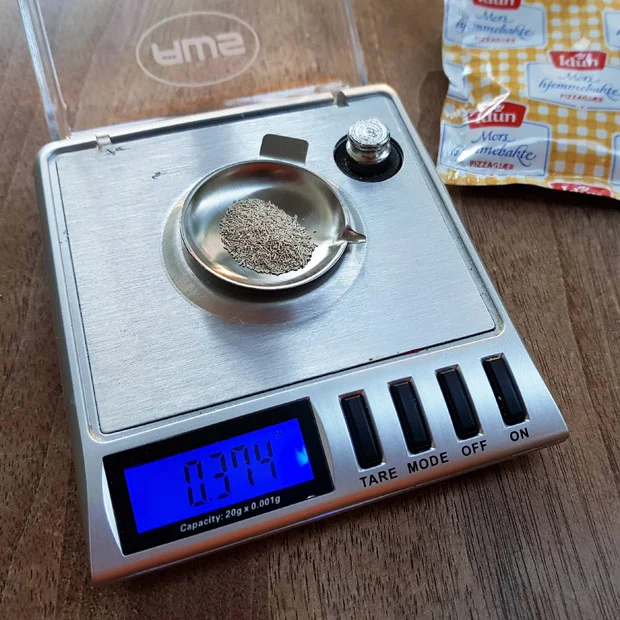
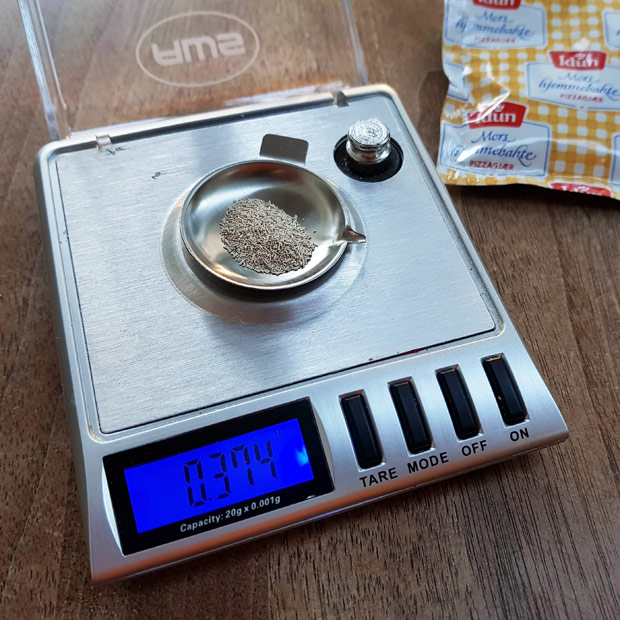
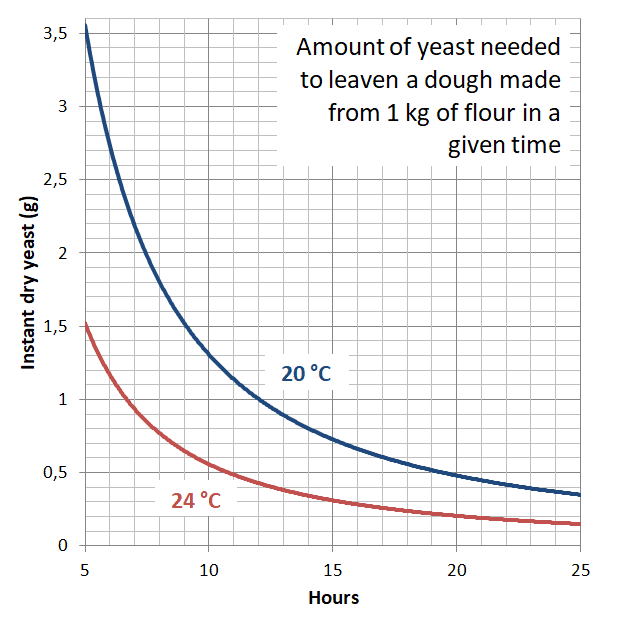
For instance, the article notes that a dough made with 1 kg of wheat flour, if allowed to rise for 20 hours at a moderate temperature of 20°C, requires only 0.48 grams of instant dry yeast. This minuscule quantity highlights the power of extended fermentation periods. To accurately measure such minute amounts, precision kitchen scales with a readout of 0.001 grams became invaluable tools for serious home bakers, demonstrating that "small balances that can measure such minute quantities are not too expensive as long as you don’t need laboratory grade equipment."
The adoption of long bulk fermentation not only conserved precious yeast but also brought about significant improvements in the final product. Extended fermentation allows for the development of complex flavors, primarily through the activity of lactic acid bacteria that naturally occur in flour and are encouraged by the yeast’s metabolic processes. These bacteria produce lactic and acetic acids, contributing to the bread’s characteristic tang, depth, and aroma, qualities often associated with artisan and sourdough breads.
Digital tools also played a crucial role in empowering home bakers. Apps like "PizzApp+" (for Android) became popular resources, allowing users to calculate the precise amount of yeast needed based on factors such as flour weight, desired fermentation time, and ambient temperature. These apps often support various yeast types—fresh compressed, active dry, instant dry—and even different types of sourdough starters, providing a scientific approach to what was once an intuitive craft. This technological assistance democratized advanced baking techniques, making them accessible to a wider audience.
While some bakers embraced the challenge of cultivating their own sourdough starters, which completely eliminates the need for commercial yeast, the convenience and predictability of instant dry yeast often remained "too alluring" for many, making optimized usage rather than complete abandonment the preferred strategy.
Industry Response and Consumer Innovation
The baking ingredient industry, caught off guard by the sudden shift in demand, responded with agility. Major yeast producers, such as Lesaffre (parent company of Saf-Instant), Lallemand (Red Star, Fleischmann’s), and AB Mauri, rapidly ramped up production of retail-friendly yeast products. This involved reconfiguring manufacturing lines, increasing shifts, and diverting yeast from bulk commercial sales to consumer packaging. Packaging suppliers also had to adapt to the surge in demand for small sachets and jars. Supermarkets implemented measures like limiting purchases per customer and working closely with suppliers to ensure more frequent deliveries, although stockouts remained common for several months.
Beyond industrial adjustments, the pandemic fostered significant innovation and knowledge sharing within the home baking community. Online forums, social media groups, and YouTube channels dedicated to bread making saw explosive growth. Experienced bakers shared tips on yeast conservation, sourdough starter maintenance, and long fermentation techniques. This collective wisdom, often supported by scientific explanations of yeast activity, elevated the general understanding of baking principles among the public. The crisis inadvertently transformed a simple commodity into a subject of scientific inquiry and culinary experimentation for millions.
Broader Implications: Beyond the Bread Basket
The yeast shortage and the broader home baking phenomenon during the pandemic have several lasting implications across societal, economic, and educational spheres.
Societal Impact: The act of baking provided a tangible sense of control and accomplishment during a period of widespread uncertainty and anxiety. It became a therapeutic activity for many, a way to pass time productively, and a means to connect with loved ones by sharing homemade goods or recipes. The resurgence of traditional skills like bread making also tapped into a broader "DIY" movement, encouraging self-sufficiency and a deeper appreciation for the food preparation process. This communal rediscovery of baking fostered a sense of solidarity and shared experience, transcending geographical boundaries through online communities.
Economic Impact: The boom in home baking provided a significant boost to related industries. Flour mills saw unprecedented demand, leading to increased production. Sales of kitchen appliances, baking tools, cookbooks, and even precision scales experienced a surge. This unexpected economic silver lining helped some businesses weather the broader economic downturn caused by the pandemic. The increased awareness of different yeast types and fermentation techniques also likely expanded the market for specialty flours and baking ingredients.
Educational Impact: The public discourse surrounding both viral spread and yeast fermentation inadvertently enhanced scientific literacy. Concepts like exponential growth, microbial activity, and the importance of environmental factors (temperature, nutrients) in biological processes became topics of everyday conversation. People gained a more intuitive understanding of how microscopic organisms can exert macroscopic effects, whether in a pandemic or a proofing dough. The use of apps like PizzApp+ further integrated scientific calculation into a domestic art form.
Future Trends: While the acute yeast shortage has largely subsided, the pandemic has likely instilled a lasting appreciation for home baking in many. This could lead to a sustained, albeit moderated, increase in home baking activity compared to pre-pandemic levels. The skills learned and the digital tools adopted may continue to influence how people approach food preparation, potentially fostering a greater emphasis on fresh, homemade food and an understanding of fermentation’s role in flavor and nutrition. The crisis served as a powerful reminder of the interconnectedness of global systems and the fundamental scientific principles that govern both our health and our sustenance.