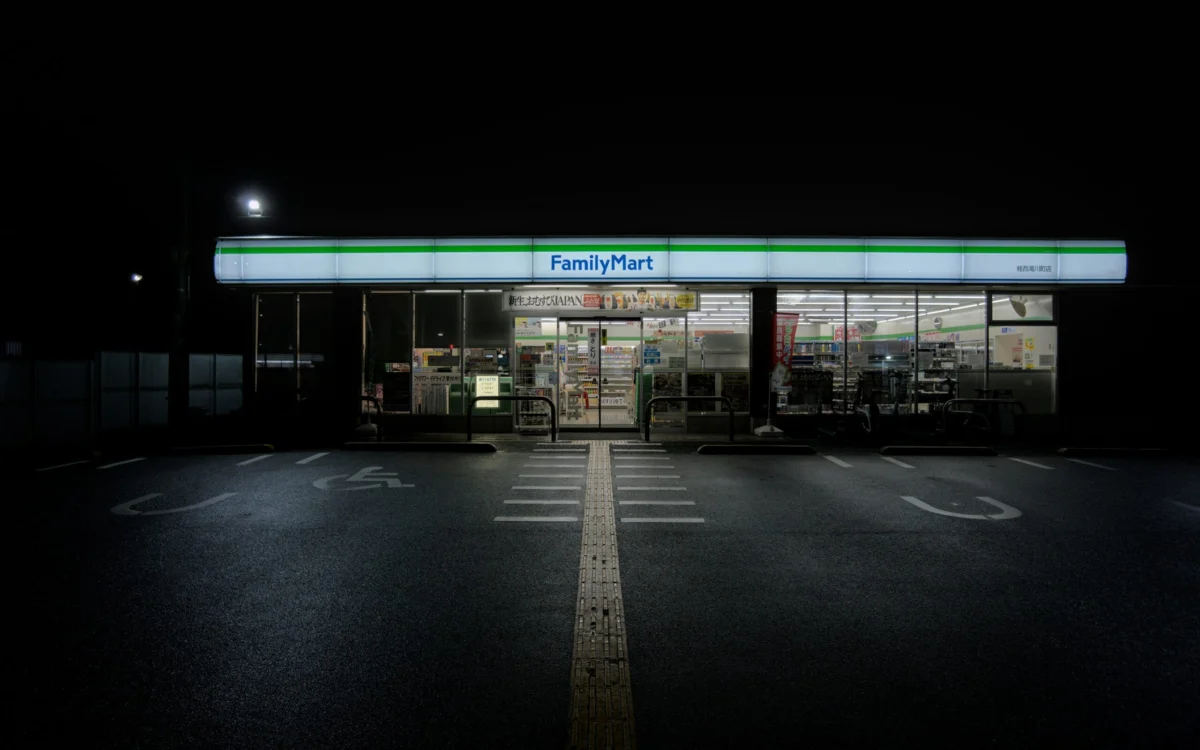

The humble convenience store, long a repository for the utilitarian sustenance of travelers—think chips, beef jerky, and pre-packaged sandwiches that have seen better days—is poised for a dramatic culinary transformation. This shift is driven by a vision to reimagine these ubiquitous roadside stops into vibrant, distributed food hubs, offering fresh, chef-prepared meals powered by digital ordering and a dynamic, modular kitchen infrastructure. At the forefront of this movement is Danish food entrepreneur Daniel Baven, whose company, Noahs, is pioneering a platform designed to revolutionize how we access food on the go.
Noahs’ innovative model addresses a dual challenge: the economic pressures facing traditional restaurants grappling with the costs of third-party delivery platforms, and the untapped potential within retail locations to become significant players in the digital food economy. Baven, speaking in a recent interview with The Spoon, articulated a compelling rationale for this strategic pivot. "The biggest opportunity in the market space is actually service stations and supermarkets because they all are looking for this new revenue driver and they’re all looking to digitize," he stated. "They have the staff, they have the space. Even many of them have a lot of equipment that can be utilized to actually access the digital food economy."
The core of Noahs’ offering lies in its sophisticated platform, which provides both the physical infrastructure and the crucial software layer enabling retailers to host multiple, distinct food concepts from a single location. Baven frequently employs the analogy of a "streaming service for restaurant brands" to describe this integrated system, a concept he further elaborates on by stating, "We’re building the Spotify of food. We want to be the broker of great brands where we can slot in famous brands to the retailers."
While the "Spotify for X" moniker has been applied to numerous startups across various sectors, the underlying principle of offering a curated, interchangeable selection of digital content—in this case, food brands—holds significant merit for the restaurant industry. Noahs’ approach allows retailers to integrate popular food concepts such as pizza, tacos, or gourmet sandwiches with minimal operational disruption. This flexibility is key to adapting to evolving consumer preferences and local market demands.
A critical element of Noahs’ success lies in its ability to leverage existing retail assets. Baven highlighted instances where new food brands can be launched using equipment already present in convenience stores and service stations. "We have a chicken brand where most service stations already have the equipment to run it," he explained. "So they don’t need any capex investment, and they can immediately go in and capture that sale." This de-risks the adoption process for retailers, making the transition to offering fresh, high-quality food more accessible and economically viable.
The impetus for this innovation is rooted in significant shifts in consumer behavior and industry economics. Traditional revenue streams for convenience stores, which have historically relied heavily on the sale of tobacco and alcohol, are facing increasing pressure. Younger generations, in particular, are demonstrating a trend toward reduced consumption of these products compared to previous cohorts. Furthermore, the accelerating adoption of electric vehicles (EVs) poses a long-term challenge to traditional gas station models, necessitating diversification and new avenues for profitability.
A New Era for Roadside Dining
For decades, the experience of stopping for a meal along a highway often meant a limited selection of processed snacks and uninspired pre-made items. This was largely a function of logistical constraints, limited kitchen facilities, and a business model focused on high-volume, low-overhead sales. However, Baven’s vision for Noahs directly confronts these limitations, proposing a future where highway rest stops and corner stores can function as sophisticated, multi-brand food destinations.
The Noahs platform integrates several key components:
- Digital Ordering Infrastructure: A user-friendly interface that allows customers to browse menus, place orders, and manage payments seamlessly, either via a dedicated app or in-store kiosks.
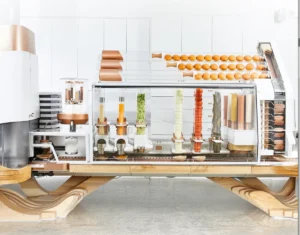
- Modular Kitchen Systems: Scalable and adaptable kitchen units that can be installed in existing retail spaces, designed to accommodate various cooking methods and cuisines.
- Rotating Portfolio of Food Brands: A curated selection of established and emerging food concepts that retailers can choose from, allowing for dynamic menu offerings based on local demand and seasonal trends.
This "plug-and-play" approach to food service empowers retailers to experiment with different culinary offerings without the substantial investment and risk typically associated with launching new restaurant ventures. It also allows for a rapid response to market shifts, enabling stores to swap out underperforming brands for more popular ones with relative ease.

Addressing the Restaurant Industry’s Delivery Dilemma
The rise of third-party food delivery services has presented both opportunities and significant challenges for restaurants. While expanding reach and customer access, these platforms often command substantial commission fees, eroding profit margins. Many restaurateurs find themselves in a precarious position, dependent on delivery aggregators for a significant portion of their business, yet struggling to maintain profitability.
Noahs offers an alternative model that bypasses some of these inherent drawbacks. By leveraging the existing infrastructure and customer traffic of convenience stores and supermarkets, Noahs-powered locations can offer prepared meals for pickup or local delivery without the same reliance on external delivery platforms. This model aims to create a more sustainable and profitable ecosystem for both food brands and the retail partners hosting them.
Data and Expansion: A Glimpse into the Future
The potential market for this innovative approach is substantial. The global convenience store market is valued in the hundreds of billions of dollars, and the food service sector is similarly enormous. Noahs’ strategy taps into existing retail real estate and consumer foot traffic, offering a compelling value proposition.
Baven indicated that Noahs is actively engaged with partners across Europe, with significant expansion anticipated in the coming years. The company has set an ambitious target of operating 600 locations by the end of 2026, primarily within the European market. Crucially, Noahs is also setting its sights on the United States, with plans for U.S. expansion anticipated within the next 12 months. "I would say definitely sometime next year," Baven stated when queried about the timeline for Americans to experience Noahs-powered food offerings on their highways.
The implications of this expansion are far-reaching. It suggests a potential paradigm shift in how Americans experience food while traveling. Instead of the often-disappointing choices at typical highway rest stops, consumers could soon have access to a diverse array of fresh, high-quality meals from a variety of culinary backgrounds, all conveniently located within familiar retail environments.
Broader Impact and Future Considerations
The success of Noahs’ model could have several ripple effects across the retail and food service industries:
- Revitalization of Convenience Stores: This initiative could inject new life into convenience stores, transforming them from mere pit stops into dynamic community hubs offering diverse food options. This is particularly relevant as these businesses seek to adapt to changing consumer habits and a decline in traditional revenue sources.
- Democratization of Food Brands: By providing a platform for smaller or emerging food brands to reach a wider audience through established retail networks, Noahs could foster greater innovation and diversity within the food industry.
- Evolution of the "Ghost Kitchen" Concept: While not a traditional ghost kitchen, Noahs’ distributed model shares some similarities in its focus on off-premise food preparation and delivery. However, by integrating into existing retail spaces, it offers a potentially more cost-effective and logistically simpler solution.
- Consumer Convenience and Choice: Ultimately, the biggest beneficiaries will be consumers, who stand to gain access to more varied, higher-quality food options in locations where choices were previously scarce.
As Noahs continues to expand its footprint, its journey will be closely watched as a bellwether for the future of convenience retail and the evolving landscape of food service. The vision of a highway exit offering a diverse and delicious culinary experience, much like a modern food court, is moving from concept to reality, promising a significant upgrade to the road trip dining experience.
The complete interview with Daniel Baven, offering deeper insights into his vision and the operational details of the Noahs platform, is available for viewing.
Why the Future of Highway Food Might Look More Like a Food Court