
This seemingly innocuous comment, shared by a friend named Anna, sparked a deeper journalistic inquiry into the pervasive human tendency to seek complex solutions for fundamentally simple problems, particularly in the realm of health and wellness. Anna, a highly competent law professional known for her critical thinking and ability to discern superficial claims, presented a case study in how even the most astute individuals can inadvertently bypass their inner skepticism when faced with personal goals.
Anna’s desire to lose approximately 15 pounds had led her down an avenue that, to an external observer, appeared tangential to her stated difficulties. "I’ve been reading about how microplastics in food containers can mess up our hormones and cause weight gain," she explained, justifying her new tupperware purchase. This revelation came shortly after she had confided her struggles with gym consistency, an over-reliance on takeout, and a habit of sacrificing sleep for what she termed "adrenaline-inducing doom scrolling."
When queried about more direct interventions—such as increasing workout frequency or preparing more homemade meals—Anna’s response was telling: "Yeah, but I’ve tried that a thousand times. If it were that simple, it would have worked already." This statement encapsulates a widespread phenomenon: the dismissal of foundational, often "boring" habits in favor of niche, seemingly cutting-edge, or "magic bullet" solutions.
The Allure of the Niche and the Neglect of the Fundamental
This pattern of behavior is not uncommon. Individuals frequently invest hours researching the "optimal" workout routine or the "ultimate" supplement, postponing the execution of basic, readily available exercises. There’s a palpable comfort in the act of acquiring new gear or consuming endless content about health changes; it feels like progress. Similarly, the act of waiting for the "perfect time" to begin a health regimen can provide temporary psychological relief. However, as numerous behavioral scientists and public health experts attest, genuine, sustainable change only manifests through consistent, actionable effort.
Humans, in their ingenuity, have developed numerous sophisticated psychological mechanisms to sidestep the difficult, often unglamorous actions that genuinely drive personal transformation. This article delves into the underlying reasons for this common distraction and offers practical, compassionate strategies to re-engage with impactful action.
The Unmet Challenge of Basic Health Behaviors
The scientific consensus on fundamental health habits is remarkably consistent and widely accessible. These cornerstones of well-being include:
- Regular Physical Activity: Ideally, at least 30 minutes daily of moderate-to-vigorous effort, incorporating both aerobic and resistance training. The Centers for Disease Control and Prevention (CDC) recommends 150 minutes of moderate-intensity activity or 75 minutes of vigorous-intensity activity per week, alongside muscle-strengthening activities twice a week.
- Nutrient-Dense Diet: A dietary pattern primarily composed of whole or minimally-processed foods. Experts suggest that if 80 percent of one’s diet derives from such sources, the foundation for healthy eating is firmly established. This acknowledges that occasional indulgences, like pizza, can coexist within a balanced approach, debunking the myth of needing "perfection."
- Adequate Protein Intake: Essential for muscle maintenance, appetite regulation, and body recomposition goals. General guidelines suggest 1.2 to 2.2 grams of protein per kilogram of body weight, often translating to 4-6 palm-sized portions of lean protein daily for most adults.
- Prioritized Sleep: Aiming for seven to eight hours of quality sleep per night. While sleep quality can be influenced by many factors, establishing a consistent sleep schedule and a calming wind-down routine are crucial preparatory steps. The CDC highlights sleep deprivation as a significant public health problem, linked to increased risk of chronic diseases.
- Moderation or Avoidance of Harmful Substances: Reducing excessive consumption of alcohol, recreational drugs, and eliminating tobacco use. While challenging, these reductions are unequivocally beneficial for long-term health outcomes.
Beyond this core list, practices such as fostering positive social relationships and effective stress management are also critical, though less frequently measured. Alarmingly, data from the American Heart Association and similar bodies consistently show that a very small percentage of the population adheres to these fundamental health behaviors. For instance, a 2018 study published in Mayo Clinic Proceedings found that only 2.7% of American adults met all five basic healthy lifestyle criteria (eating healthy, exercising regularly, maintaining a healthy weight, not smoking, and moderate alcohol consumption). This statistic, even more stark than the 6% referenced by Anna’s initial advisor, underscores a profound disconnect between knowledge and consistent action.
The implications of this widespread non-adherence are significant, contributing to escalating rates of obesity, type 2 diabetes, cardiovascular disease, and other preventable chronic conditions that burden healthcare systems and diminish quality of life globally.
The Psychology of Resistance: Ambivalence and Cognitive Biases
The internal conflict associated with making significant lifestyle changes is a well-documented psychological phenomenon known as ambivalence. This "push-and-pull" feeling—the desire for a healthier body alongside the craving for immediate gratification—is a natural part of the change process. Similarly, resistance manifests as an active aversion to change, even when the benefits are clear, often driven by the discomfort of stepping outside established routines or confronting underlying anxieties. Far from signaling a misguided path, strong ambivalence and resistance often indicate that the contemplated change holds deep personal significance. It signifies care, albeit mixed with fear or discomfort.
Three primary barriers commonly prevent individuals from consistently adopting these foundational health habits:
Barrier #1: Ambition Overload – The Trap of Idealistic Planning
A common pitfall is the creation of overly ambitious, radical lifestyle overhauls. A declaration to exercise an hour daily, "eat clean" at every meal, and sleep eight hours nightly, when current habits involve sedentary living, infrequent vegetable consumption, and late nights, sets an individual up for failure. This "future self" bias, where people overestimate their future availability of time, energy, and motivation, is a well-established cognitive distortion. Psychologists Daniel Kahneman and Amos Tversky’s work on prospect theory and cognitive biases illuminates how humans often make irrational decisions, especially concerning future planning. The temporary comfort derived from crafting an elaborate, idealized plan masks the inherent impracticality of such drastic, simultaneous changes.
When these grand plans inevitably falter, individuals often internalize blame, attributing failure to a lack of willpower or discipline, thereby reinforcing a self-defeating narrative of inconsistency. This cycle perpetuates inaction and discourages future attempts.
Barrier #2: The Seduction of the "Cutting Edge" – Dismissing Simplicity
Another significant barrier stems from the belief that simple, widely known health practices are insufficient. The rationale often heard is, "If eating vegetables, sleeping, and exercising moderately worked, everyone would be healthy." This overlooks the crucial factor of consistency and simultaneous application. As highlighted, a vast majority of the population fails to consistently engage in even these basic behaviors.

The wellness industry, a multi-trillion-dollar global market, thrives on this perception, constantly introducing "revolutionary" diets, "secret" supplements, and "cutting-edge" technologies. These offerings often promise rapid, effortless results, appealing to the innate human desire for novelty and instant gratification. The perceived excitement of a new approach, particularly after previous attempts at basic changes felt unfulfilling, becomes incredibly appealing. However, many of these "hardcore" or "industry secret" strategies prove unsustainable, inaccessible, or lack robust scientific validation, ultimately serving as expensive distractions from what truly works. They consume resources—time, effort, and money—without yielding significant, lasting returns.
Barrier #3: The Perfection Trap – The Illusion of Flawless Health
The modern health narrative often propagates an unattainable ideal of "perfect health"—a state of constant peak performance, impeccable diet, and flawless routines. This myth, heavily influenced by social media and marketing, creates an immense pressure to conform to an unrealistic standard. The truth, however, is that "perfect" health is an illusion. Humans, regardless of their health status, experience illness, discomfort, fatigue, and periods of reduced capacity. Accepting this inherent vulnerability can be challenging, as it confronts the comforting belief that adherence to a specific regimen can shield one from all adverse human experiences.
This pursuit of an immaculate "best self" often overlooks the necessity of accommodating one’s "real self"—the individual prone to imperfections, cravings, and moments of weakness. Life is inherently unpredictable, filled with obstacles, distractions, and competing demands that render sustained perfection impossible. Work deadlines, family crises, seasonal changes, or simply a desire for comfort can derail the most meticulously planned "perfect" routine. Embracing the reality of imperfection, rather than striving for an elusive ideal, becomes paramount for sustainable health practices.
Strategies for Sustainable and Realistic Action
Overcoming these deeply ingrained barriers requires a shift in mindset and the implementation of practical, adaptable strategies:
Step 1: Explore the "Why" Before the "How"
Before embarking on any change, a profound understanding of one’s deeper motivations is crucial. This involves introspective questioning: What truly matters to you about this change? What are the long-term consequences of inaction? Tools like "The 5 Whys" exercise, which iteratively delves into the root causes of desires, can uncover the intrinsic drive necessary to sustain effort through challenges. This deeper "why" provides a resilient foundation that transcends fleeting motivation.
Step 2: Prioritize the Most Effective Actions
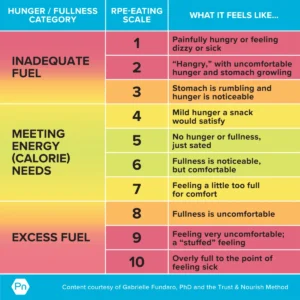
The adage "You can do anything, but not everything" applies profoundly to health changes. Effective change necessitates realistic prioritization. Focus on the essential actions that directly align with your goals, typically falling into domains of movement, nutrition, and recovery. Instead of attempting a sweeping overhaul, identify one or two high-impact actions. For example, rather than "eating perfectly," an individual might focus on "eating to satisfied" and implement a daily action like "recording hunger and fullness levels at the start and end of meals." This targeted approach ensures that efforts are concentrated where they will yield the greatest return.
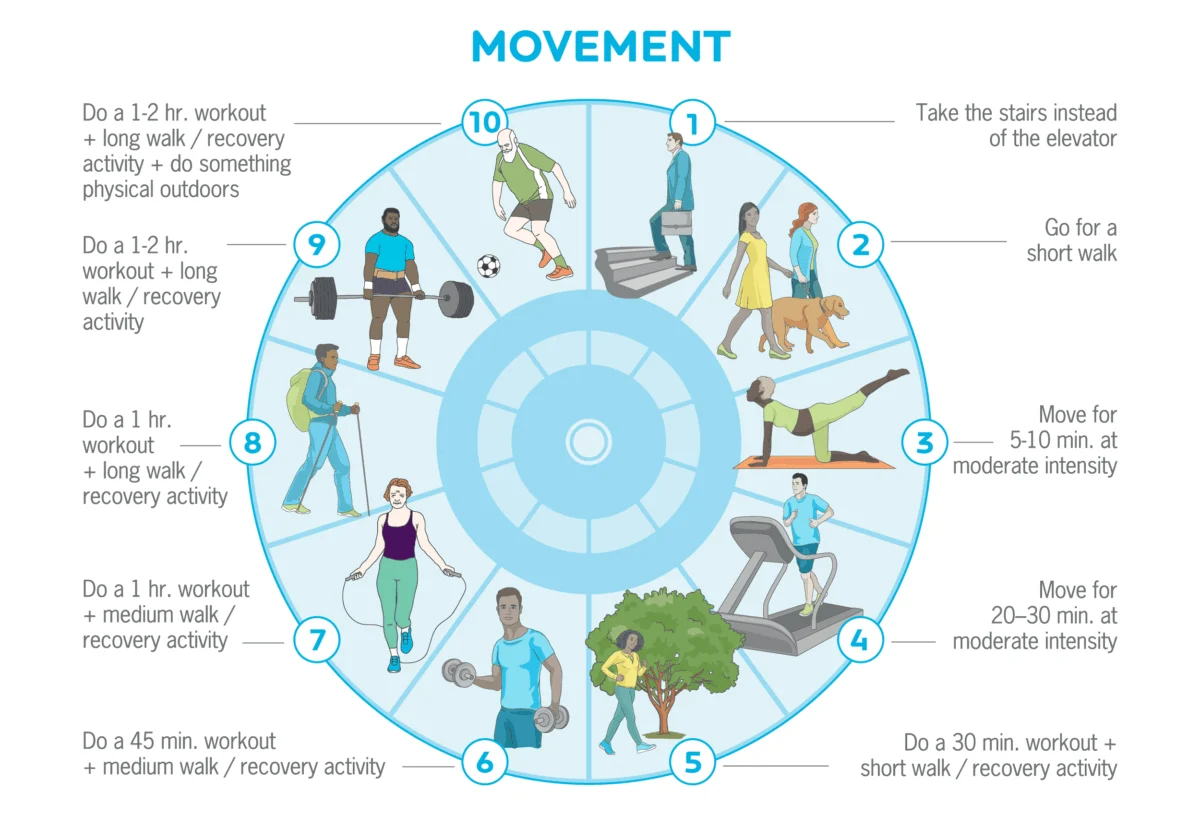
Step 3: Embrace the "Dial" Concept – Action Even on Your Worst Day
A revolutionary approach to consistency involves establishing a flexible range of action, rather than an "on-off" switch. Define a "floor"—the absolute minimum action you can commit to even on your most challenging day (e.g., five minutes of walking, one extra portion of vegetables). Simultaneously, define a "ceiling"—your maximum, ideal effort (e.g., a one-hour intense gym session, two hours of meal prep).
This "dial" mentality reframes health habits not as rigid requirements, but as adjustable efforts. When life is smooth, the dial can be turned up. When stress or challenges arise, it can be turned down to the "floor" level. The critical insight is that doing the bare minimum still counts as success. It maintains momentum, prevents complete derailment, and fosters a sense of accomplishment even amidst adversity. This paradigm shift acknowledges the messy reality of life and empowers individuals to remain engaged with their health goals consistently.
Step 4: Create a Supportive Ecosystem
Willpower alone is often insufficient for sustained behavioral change. Research in behavioral psychology, including reviews published in journals like Nature Reviews Psychology, consistently highlights the profound influence of environment and access on human behavior. For instance, proximity to healthy food options or fitness facilities significantly correlates with healthier lifestyle choices.
While not everyone can relocate, most individuals can exert some control over their immediate environment. This involves consciously designing an "ecosystem" that nudges desired behaviors and makes undesired ones more difficult. Examples include a "kitchen makeover" where healthy foods are prominently displayed and easily accessible, while less healthy options are stored out of sight or removed entirely. Strategically placing workout clothes, scheduling exercise, or cultivating social circles that reinforce healthy habits are all ways to build an environment where positive choices become the default, rather than requiring constant conscious effort. This proactive environmental engineering reduces the cognitive load and reliance on finite willpower.
Embracing "C+ Effort" for Long-Term Success
For many, particularly those with perfectionist tendencies, the notion of "C+ effort" can feel counterintuitive or even disappointing. However, this concept is central to navigating the inherent imperfections of human nature and the unpredictability of life. It’s not about aiming for mediocrity, but about accepting that consistent "good enough" effort vastly outperforms sporadic, unsustainable perfection.
Living a healthy, meaningful life is an ongoing journey of striving for one’s best while simultaneously embracing flexibility, acknowledging mistakes, and adapting to challenging periods. The power of consistent, incremental action, even at a "dial level 1," should not be underestimated. Over the long run, these small, regular efforts compound into significant and sustainable improvements, proving that "good enough" is often far superior to the elusive and exhausting pursuit of flawlessness.
References
- Mayo Clinic Proceedings. (2018). Healthy Lifestyle Behaviors and All-Cause Mortality in US Adults.
- Centers for Disease Control and Prevention (CDC). Physical Activity Guidelines for Americans.
- Centers for Disease Control and Prevention (CDC). Sleep and Chronic Disease.
- Kahneman, D., & Tversky, A. (1979). Prospect Theory: An Analysis of Decision under Risk. Econometrica, 47(2), 263-292.
- World Health Organization (WHO). Global Burden of Disease.
- Nature Reviews Psychology. (Ongoing research on behavior change strategies).
For Health Professionals and Aspiring Coaches
Understanding these psychological barriers and practical strategies is invaluable for anyone seeking to guide others toward sustainable health. Empowering individuals to build realistic nutrition and lifestyle habits significantly improves physical and mental well-being. If you are passionate about helping people navigate these challenges and make a meaningful impact, consider advanced training. The PN Level 1 Nutrition Coaching Certification, for example, provides comprehensive tools and methodologies to equip coaches with the expertise to foster lasting change.