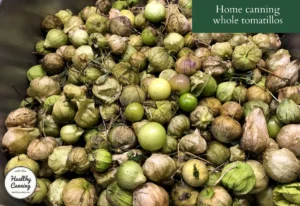

The United States Department of Agriculture (USDA) has established rigorous, science-based protocols for the home preservation of whole, plain tomatillos, ensuring both food safety and the maintenance of nutritional integrity. Unlike the standard procedures for canning tomatoes, which often require the removal of skins through blanching, the USDA guidelines for tomatillos specify that the fruit should remain unpeeled throughout the canning process. This distinction is critical for home canners to observe, as it impacts both the texture of the final product and the efficiency of the preservation workflow. As home gardening and food self-sufficiency continue to gain traction across North America, understanding these standardized procedures is essential for preventing foodborne illnesses while maximizing the shelf life of seasonal harvests.
Historical Context and the Evolution of Preservation Standards
The current standards for canning tomatillos are detailed in the USDA’s "Complete Guide to Home Canning," specifically within Agriculture Information Bulletin No. 539, which saw its most recent major update in 2015. Historically, tomatillos (Physalis philadelphica) were a staple of Mesoamerican diets for millennia, long before they became a common sight in northern temperate gardens. As the popularity of Mexican and Central American cuisines expanded globally, the demand for safe, long-term storage methods grew.

Preservation science has evolved from traditional open-kettle methods—which are now considered unsafe due to the risk of Clostridium botulinum—to modern, temperature-controlled processing. The USDA’s research into tomatillos specifically addresses their unique botanical properties. While they resemble green tomatoes, tomatillos are more closely related to the husk tomato or ground cherry. Their natural acidity and firm structure necessitate a specific approach to thermal processing that differs from other members of the nightshade family.
Technical Specifications and Pre-Processing Chronology
Successful preservation begins with the selection of high-quality raw materials. On average, home canners should expect to utilize approximately one kilogram of fresh tomatillos per one-liter jar, or roughly two pounds per US quart. The preparation sequence is a meticulous multi-step process designed to ensure cleanliness and safety:
- Harvesting and Selection: Only firm, disease-free tomatillos should be selected. Overripe fruit may have a higher pH level, which can compromise the safety of the canning process.
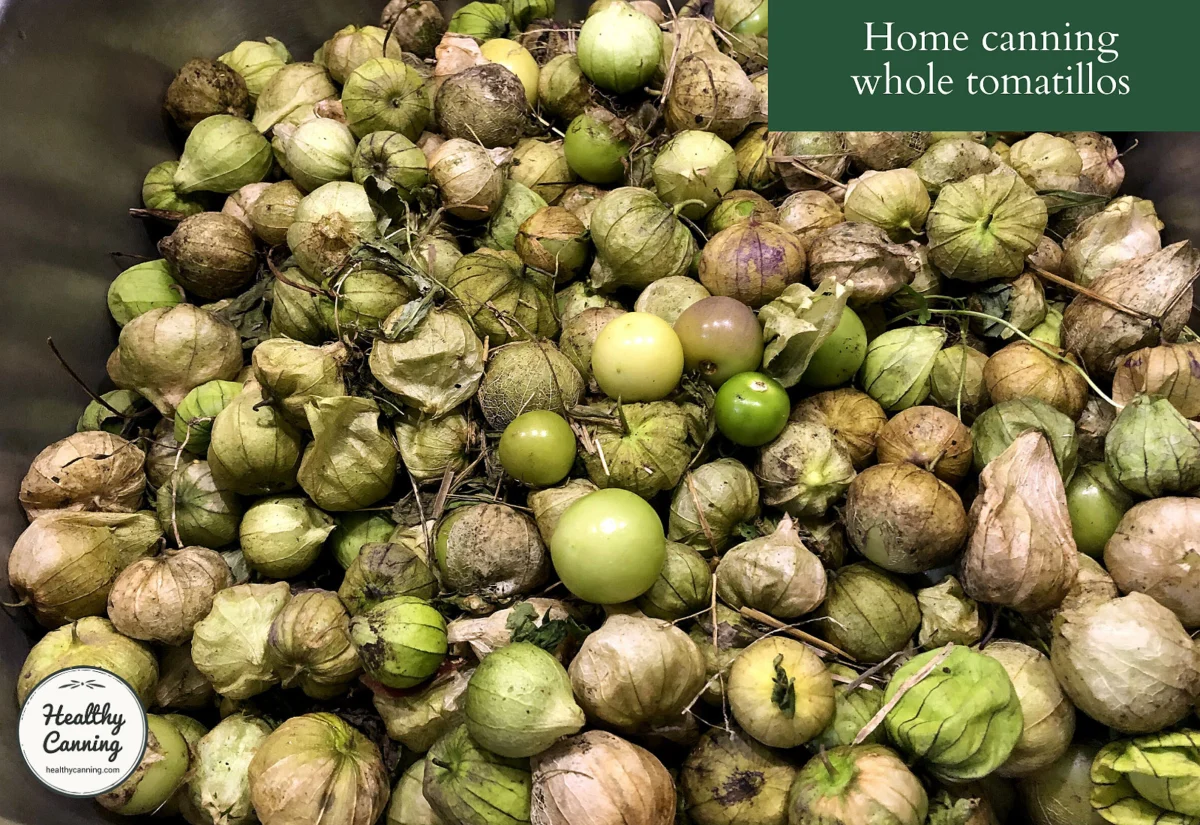
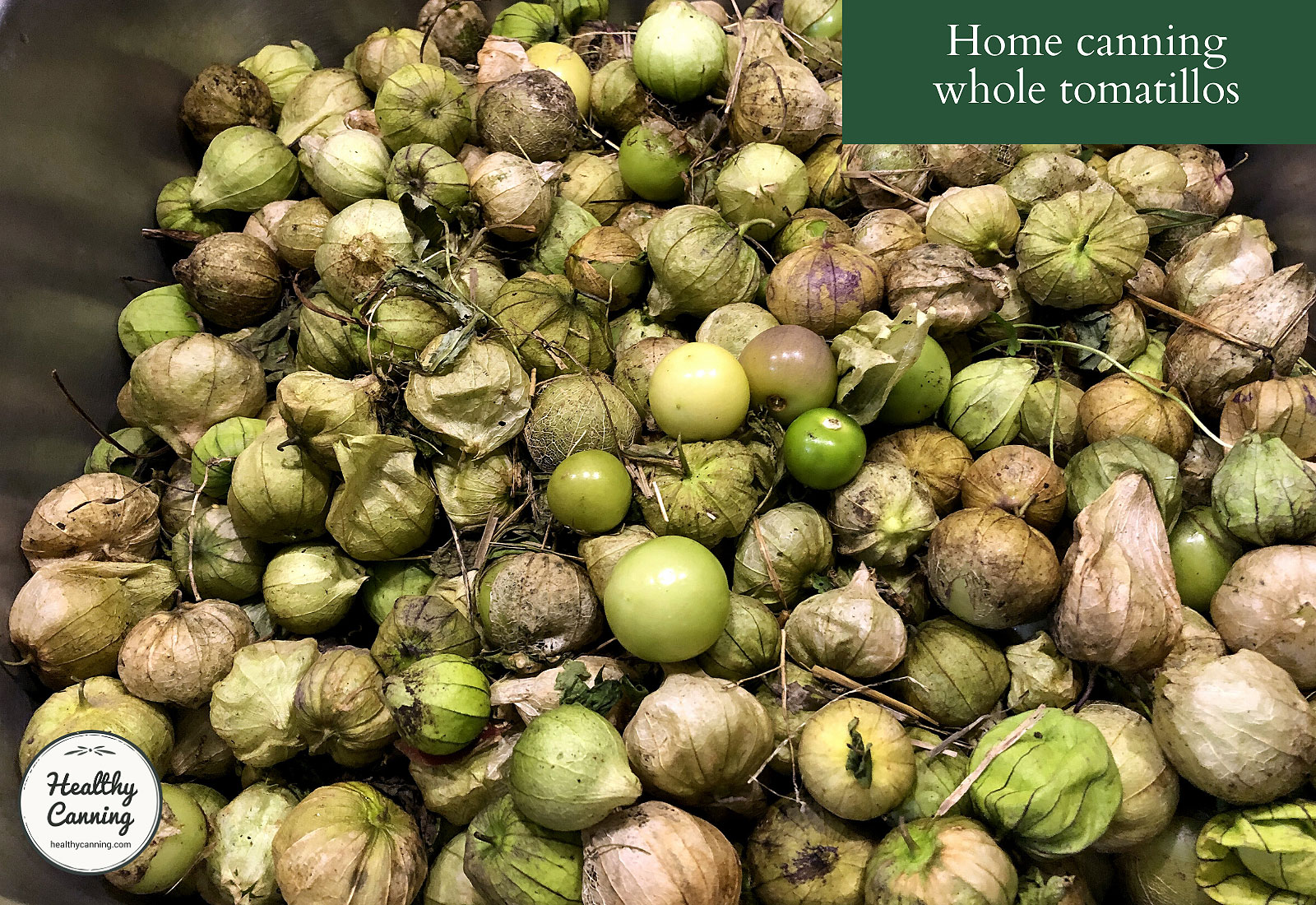
- De-husking: The papery outer husks must be removed. This reveals a characteristic sticky residue on the skin of the fruit, which is a natural deterrent against pests.
- Cleaning: The husked fruit must be washed thoroughly to remove the sticky coating and any soil or debris.
- Initial Heat Treatment: Unlike the raw-pack method used for some vegetables, tomatillos are typically simmered in boiling water for several minutes before being placed in jars. This softens the fruit and allows for a tighter pack, reducing the amount of air trapped within the jar.
The Role of Acidification in Food Safety
One of the most critical components of the USDA procedure is mandatory acidification. Despite the fact that tomatillos are naturally acidic—with a pH value of approximately 3.83 according to the Center for Food Safety and Applied Nutrition—the USDA requires the addition of supplemental acid to every jar. This serves as a safety margin to account for variations in fruit ripeness and growing conditions.
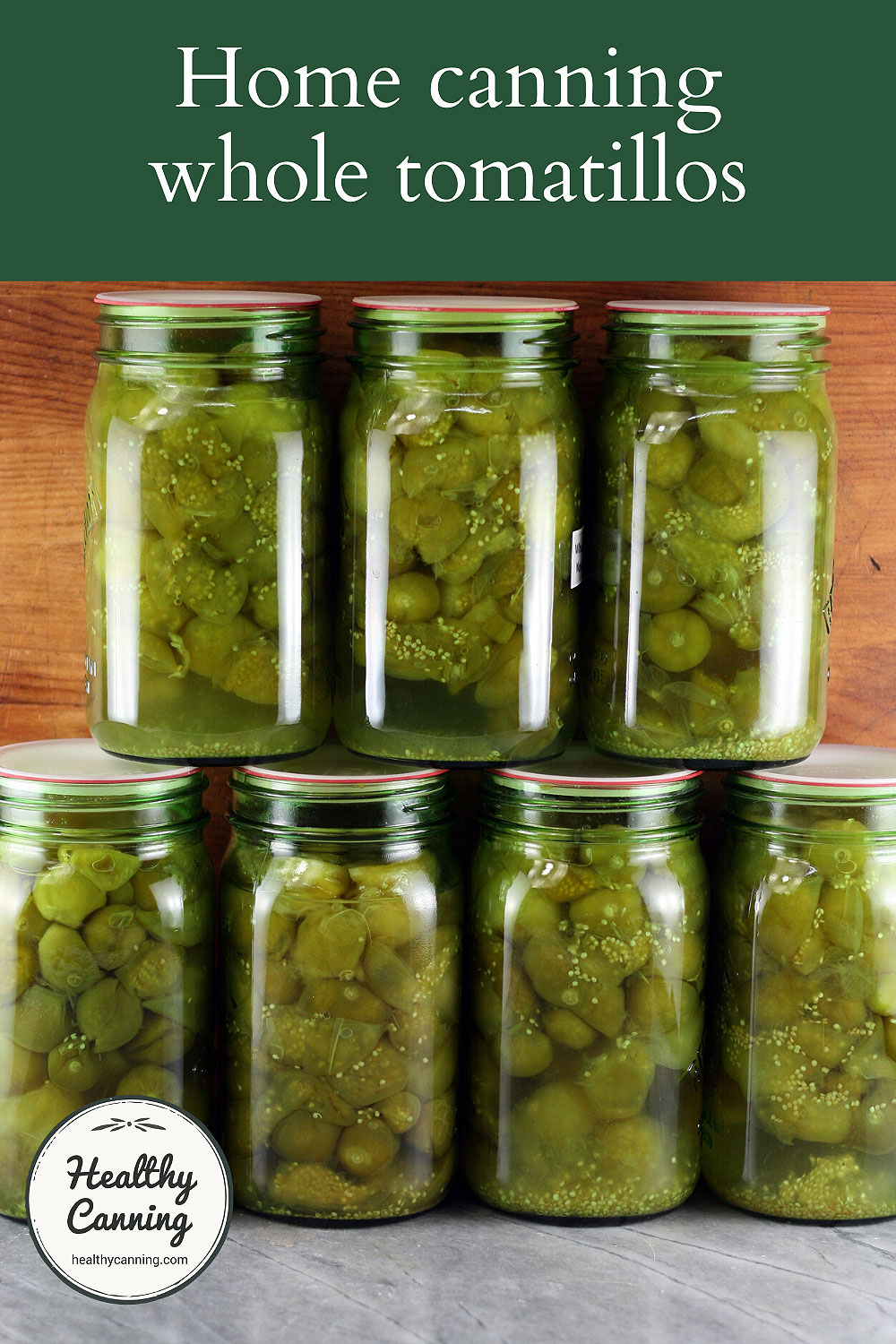
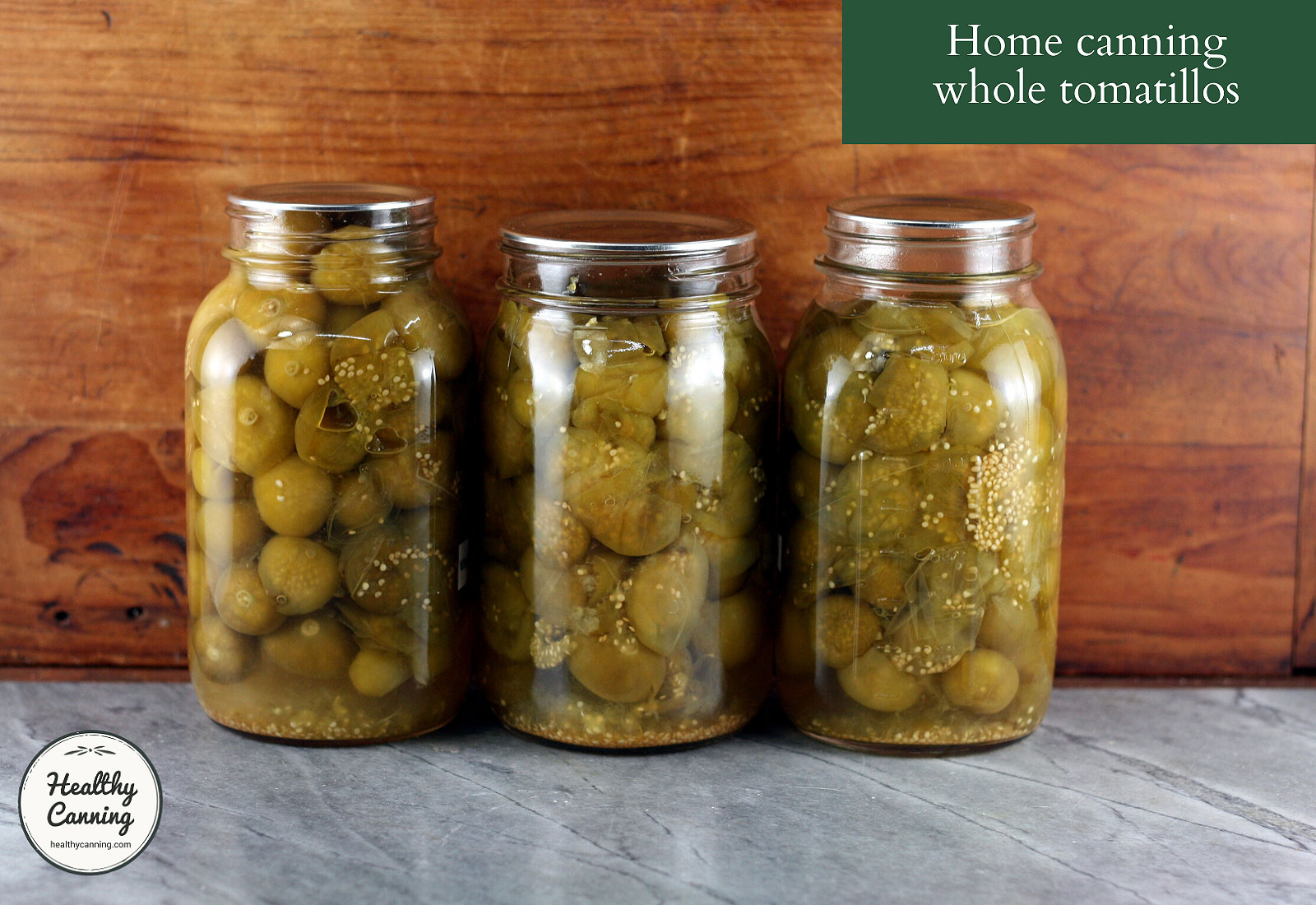
Home canners must add either bottled lemon juice, citric acid, or lime juice to each jar. For a half-liter (pint) jar, the requirement is one tablespoon of bottled lemon juice or 1/4 teaspoon of citric acid. For a one-liter (quart) jar, these amounts are doubled to two tablespoons of lemon juice or 1/2 teaspoon of citric acid. While lime juice is a traditional culinary pairing for tomatillos, canners are advised that its flavor is more assertive than lemon juice and should only be used if it complements the intended final use of the product. It is important to note that salt is an optional additive used solely for seasoning and does not contribute to the safety of the preservation process.
Comparative Processing Methods: Water Bath, Steam, and Pressure Canning
The USDA provides three primary methods for heat-processing bottled tomatillos, each with specific time and equipment requirements.
Water Bath and Steam Canning
For most home canners, the water bath or steam canning methods are the most accessible. Both methods require a processing time of 40 minutes for half-liter (pint) jars and 45 minutes for one-liter (quart) jars. Steam canning is increasingly favored for its efficiency, as it uses significantly less water and reaches processing temperature faster than a traditional water bath. However, technical limitations exist; steam canning is not recommended if the altitude-adjusted processing time exceeds 45 minutes, as the canner may boil dry.

Pressure Canning
Pressure canning is offered as an alternative, primarily for those looking to save time. However, the USDA clarifies that even when pressure canning, the mandatory acidification step cannot be skipped. The pressure process for tomatillos was designed for speed, not to replace the safety provided by a high-acid environment.
The processing times for weighted-gauge pressure canners are as follows:
- 5 lbs Pressure: 15 minutes (at altitudes of 0-1,000 feet).
- 10 lbs Pressure: 10 minutes (at altitudes of 0-1,000 feet).
- 15 lbs Pressure: 1 minute (at altitudes of 0-1,000 feet).
At altitudes above 1,000 feet (300 meters), these pressures must be increased to compensate for the lower boiling point of water. For example, the 10 lb setting must be increased to 15 lbs in high-altitude regions.
Quantitative Data and Nutritional Analysis
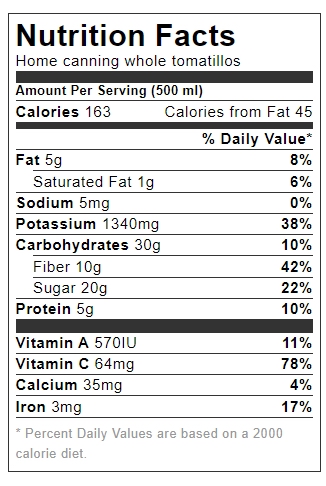
Canning is not merely a method of storage but also a way to lock in nutritional value. A half-liter (US pint) of home-canned tomatillos, processed without added salt, contains approximately 163 calories. The nutritional profile remains robust even after thermal processing:
- Carbohydrates: 30g
- Fiber: 10g
- Protein: 5g
- Potassium: 1340mg
- Vitamin C: 64mg
- Vitamin A: 570 IU
The high potassium and Vitamin C content make canned tomatillos a valuable addition to a balanced diet, particularly during winter months when fresh produce may be less available or more expensive. The retention of fiber is also notable, as many preservation methods involve peeling or juicing which can strip the fruit of its dietary fiber.
Culinary Applications and Expert Recommendations
The utility of plain canned tomatillos in the kitchen is extensive. Because the canning process effectively cooks the fruit, they are best suited for recipes that require a softened texture. Martha Rose Shulman, a noted food columnist for the New York Times, suggests that an 11-ounce can of tomatillos can effectively substitute for one pound of fresh fruit in most recipes. Since the canned variety is already simmered, the initial cooking steps in many salsa or sauce recipes can be bypassed.
The Joy of Cooking further identifies canned tomatillos as an excellent condiment for grilled meats, poultry, and specifically shellfish. They serve as the base for salsa verde, various hot sauces, and can be incorporated into stews and braises to provide a bright, tart undertone that balances rich fats.
Broader Impact and Food Security Implications
The standardization of home canning procedures represents a significant intersection of public health and domestic economy. By providing clear, scientifically validated instructions, the USDA empowers individuals to reduce food waste and manage their own food supply chains. In an era of fluctuating grocery prices and supply chain vulnerabilities, the ability to safely preserve a seasonal glut of tomatillos provides a measure of economic stability for households.
Furthermore, the emphasis on acidification and correct processing times is a critical public health measure. The risks associated with improper canning, particularly botulism, are severe. By adhering to the USDA’s 2015 guidelines, home canners contribute to a culture of safety that protects not only their own households but also the broader community when home-canned goods are shared.
Conclusion and Future Outlook
The USDA procedure for home canning whole tomatillos is a testament to the importance of precision in food preservation. From the initial de-husking to the final adjustment for altitude, every step is designed to ensure that the final product is as safe as it is delicious. As botanical research continues to refine our understanding of food pH and thermal death times for pathogens, these guidelines will likely continue to evolve. For now, the 2015 standards remain the gold standard for anyone seeking to capture the vibrant, tart essence of the tomatillo for year-round enjoyment. Through diligent adherence to these facts and figures, the art of home canning remains a vital, safe, and productive component of modern culinary life.