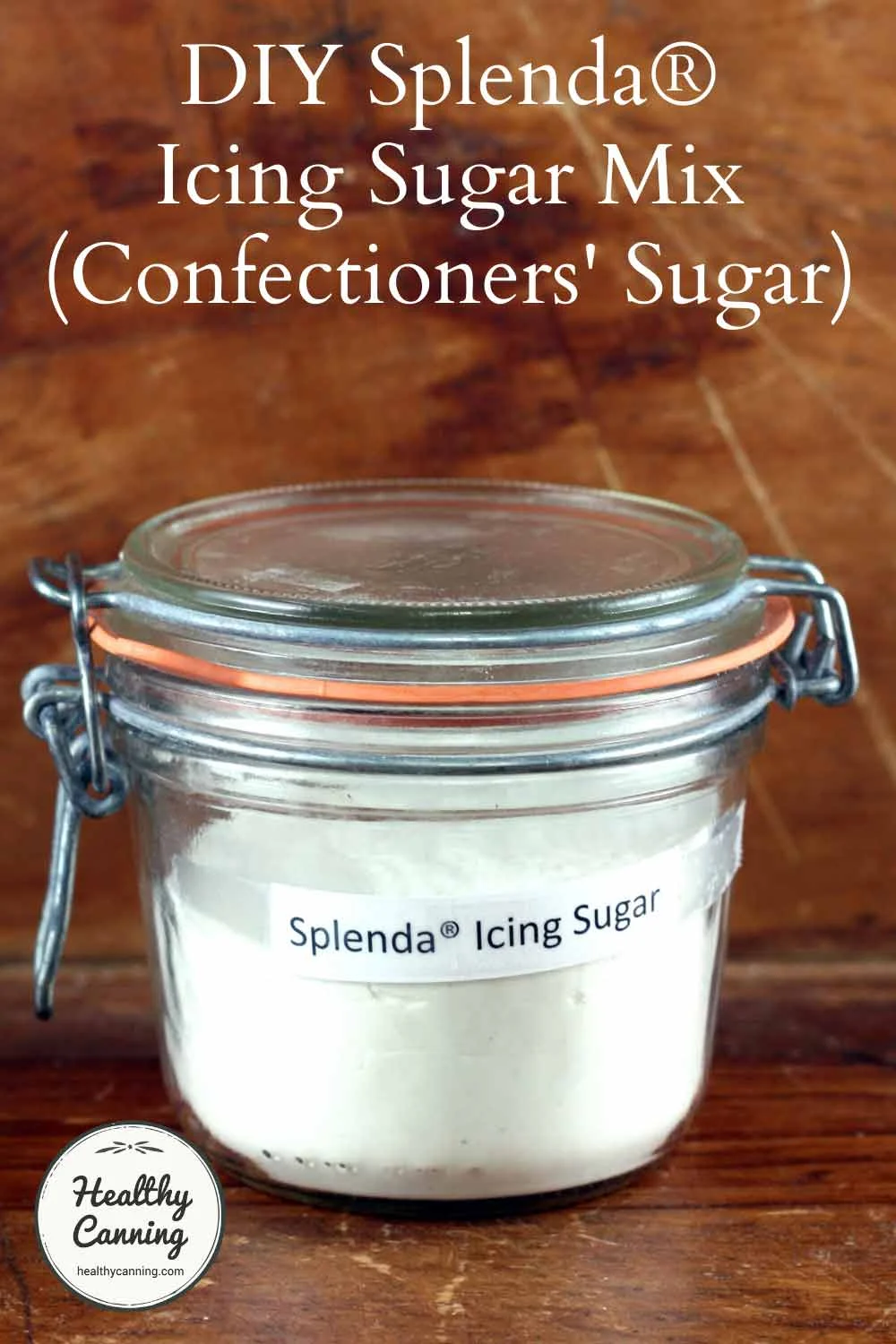

As health-conscious consumers and individuals managing metabolic conditions like diabetes increasingly seek ways to enjoy traditional desserts without the associated glycemic spikes, the demand for versatile sugar-free alternatives has reached an all-time high. One of the most significant challenges in the sugar-free baking world is replicating the fine, powdery texture of confectioner’s sugar, also known as icing sugar. While commercial versions of powdered sugar substitutes exist, they are often expensive or contain additives that may not be desired by home cooks. Consequently, the development of a DIY Splenda-based icing sugar mix offers a cost-effective and accessible solution for creating glazes and decorative finishes on various baked goods. This method utilizes sucralose—commonly known by the brand name Splenda—and transforms it through mechanical processing into a fine dust capable of mimicking the physical properties of traditional powdered sucrose.
The Evolution of Sugar Substitutes in Domestic Baking
The history of sugar substitutes in home kitchens has evolved significantly since the FDA’s approval of sucralose in 1998. Initially used primarily as a tabletop sweetener for coffee and tea, sucralose gained popularity due to its heat stability, which allowed it to be used in baking—a feat that previous sweeteners like aspartame could not achieve without losing sweetness. However, the granular nature of standard bulk sucralose presents a textural hurdle for recipes requiring the smooth, dissolvable qualities of icing sugar.
In response to this, culinary enthusiasts and nutritional experts have refined methods to pulverize granular sweeteners at home. The emergence of high-speed blending technology has democratized this process, allowing home cooks to create "pantry staples" from basic ingredients. The DIY Splenda icing sugar mix is a byproduct of this movement, emphasizing the shift toward customizable, low-calorie food preparation. By using a blender to break down the crystals of a bulking agent (usually maltodextrin or dextrose) and the sucralose itself, users can achieve a consistency that facilitates the creation of glazes for cakes, cupcakes, and brownies.
Technical Specifications and Recipe Formulation
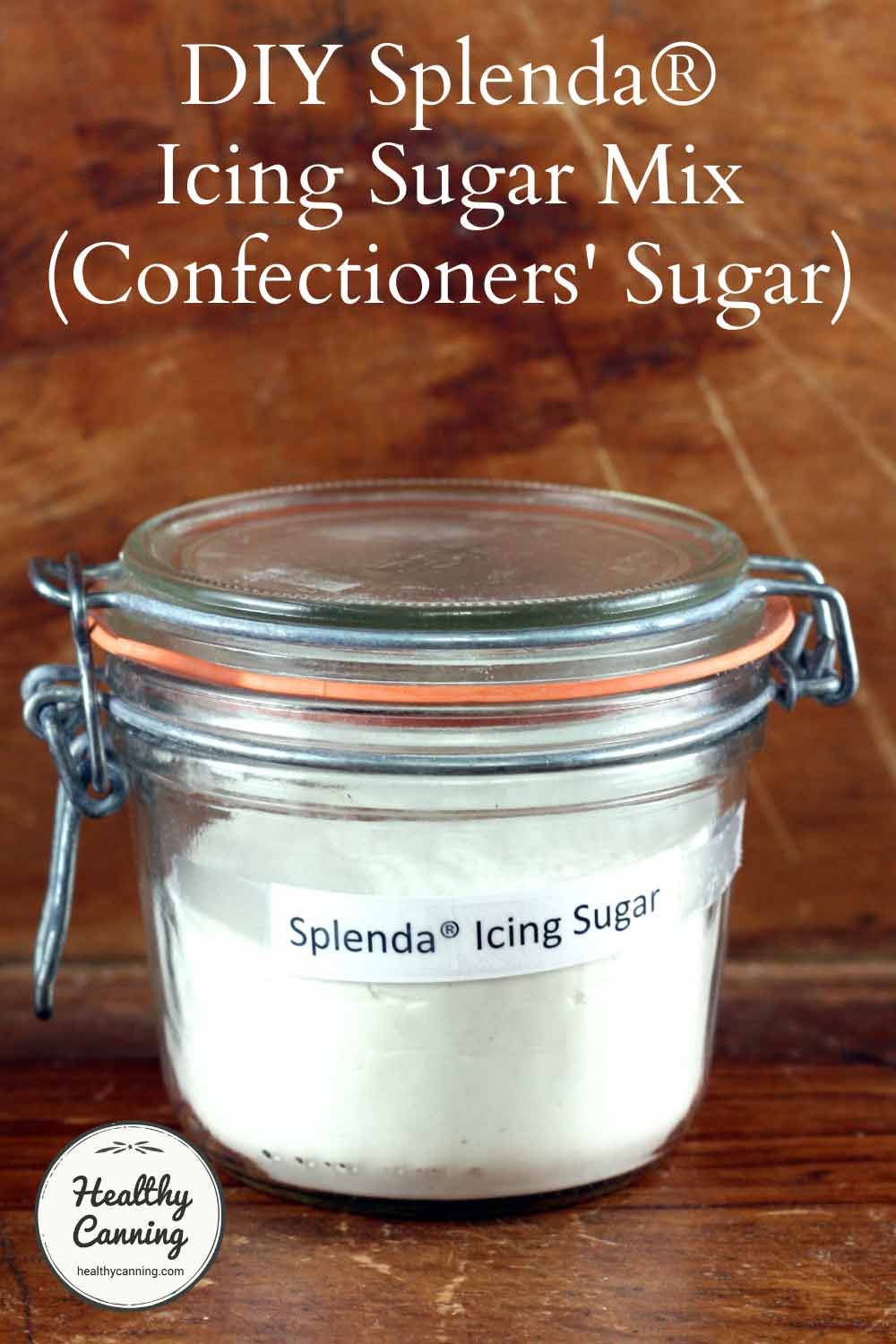
The production of a DIY icing sugar mix requires precision to ensure the final product does not clump and maintains a shelf-stable quality. The standard yield for a primary batch is approximately 2 cups (150 grams) of plain icing sugar mix, which provides enough material for roughly four separate batches of icing or glaze.

Ingredients and Proportions
To create the base mix, the following components are typically utilized:
- Sucralose (Granular): The primary sweetening agent. While brand-name Splenda is the most recognized, generic sucralose products or even powdered stevia (at a one-to-one volume ratio) are viable alternatives.
- Cornstarch or Arrowroot Powder (Optional but Recommended): Though not always included in every basic recipe, a small amount of cornstarch (typically 1 tablespoon per cup of sweetener) acts as an anti-caking agent. This mimics the composition of commercial confectioner’s sugar, which contains about 3% cornstarch to prevent moisture absorption and clumping.
Mechanical Processing Instructions
The success of the mix depends heavily on the blending technique. For optimal results, it is recommended to blend 1 to 2 cups (25 to 50 grams) of granular sucralose at a time. High-speed blending generates heat; processing too much at once can cause the sweetener to become slightly tacky or clump due to the friction.
- Place the granular sweetener into a clean, dry blender jug.
- Pulse or blend on high speed for 30 to 60 seconds until the granules are transformed into a fine, white powder.
- Allow the dust to settle before opening the blender lid to avoid inhaling the fine particles.
- Store the resulting powder in an airtight container in a cool, dry place.
Applications: Transitioning from Mix to Icing
The resulting powder is a "mix" that requires further hydration and fat incorporation to become a functional icing. It is important to note that this specific formula is designed to create a glaze—a pourable, glossy coating—rather than a stiff, pipeable buttercream frosting. The lack of structural bulk provided by real sugar means that the icing will be thinner and more translucent.
Standard Glaze Preparation
To convert the mix into a usable icing for a single batch of baked goods, the following ratio is suggested:
- DIY Mix: 1/2 cup of the prepared powder.
- Fat Source: 1 tablespoon of softened butter or low-fat margarine.
- Liquid: 1 to 2 teaspoons of water or milk.
- Flavoring: 1/2 teaspoon of vanilla extract.
The ingredients should be combined in a small bowl and whisked—often a simple fork is sufficient—until smooth. If a chocolate variation is desired, the addition of one teaspoon of unsweetened cocoa powder is recommended. Other extracts, such as almond, lemon, or butterscotch, can be substituted for vanilla to complement the specific dessert.
Nutritional Analysis and Comparative Data
The primary motivation for utilizing a sucralose-based icing is the significant reduction in caloric density and glycemic load. Traditional confectioner’s sugar contains approximately 389 calories per 100 grams, nearly all of which come from simple carbohydrates. In contrast, granular sucralose bulked with maltodextrin (like Splenda) contains significantly fewer calories per serving because the sucralose itself is non-caloric.
Caloric Comparisons
Data indicates that the caloric footprint of the final icing is largely determined by the choice of fat:
- Low-Fat Margarine Option: Using a light spread (e.g., "I Can’t Believe It’s Not Butter Light"), a full batch of the icing contains approximately 35 calories.
- Butter Option: Using traditional unsalted butter increases the caloric count to approximately 102 calories per batch.
- Carbohydrate Profile: A single serving of the mix (based on a 4-batch yield) contains approximately 32g of total carbohydrates, though the net impact on blood sugar is lower than sucrose due to the nature of the bulking agents used in artificial sweeteners.
This reduction represents a decrease of nearly 70-90% in calories compared to traditional sugar-based glazes, making it a critical tool for weight management programs and diabetic meal planning.
Health Implications and Official Perspectives
The adoption of DIY sugar-free solutions is supported by broader public health initiatives aimed at reducing global sugar consumption. Organizations such as the American Diabetes Association (ADA) and the World Health Organization (WHO) have long advocated for the reduction of free sugars to combat the rising rates of Type 2 diabetes and obesity.
While the WHO issued a conditional recommendation in 2023 suggesting that non-sugar sweeteners (NSS) should not be used as a primary means of weight control for the general population, they remain a recognized tool for individuals with pre-existing diabetes to manage their blood glucose levels. For this demographic, the ability to create home-made, sugar-free versions of comfort foods is vital for long-term dietary adherence.

Broader Impact on the Culinary Industry
The "DIY" nature of this recipe reflects a growing skepticism toward ultra-processed foods. By making icing sugar at home, consumers can control the ingredients, avoiding the preservatives and flow agents often found in store-bought sugar-free products. Furthermore, this method addresses the "availability gap" in rural or underserved areas where specialized sugar-free baking products may not be stocked on grocery shelves.
From a culinary perspective, the use of sucralose in icing is a compromise between health and tradition. Professional bakers note that while sucralose provides the necessary sweetness, it lacks the "mouthfeel" and preservative qualities of sugar. Sugar acts as a humectant, keeping baked goods moist; sucralose does not share this property. Therefore, desserts iced with this DIY mix are best consumed shortly after preparation or stored in airtight environments to prevent the glaze from drying out or the cake from becoming stale.
Chronology of the DIY Sweetener Movement
- 1998: The FDA approves sucralose, leading to the launch of Splenda.
- Early 2000s: Splenda becomes the top-selling sugar substitute in the U.S., sparking interest in its use for home baking.
- 2010-2015: The rise of food blogging and YouTube tutorials begins to popularize "pantry hacks," including the pulverization of granulated sugar into powdered sugar.
- 2020-2021: The COVID-19 pandemic leads to a surge in home baking. Supply chain disruptions make specific items like sugar-free powdered sugar difficult to find, cementing the DIY method as a staple for low-carb enthusiasts.
- Present: DIY recipes for sugar-free staples are now a standard component of "clean eating" and "keto" digital ecosystems, with refined techniques for various sweeteners including erythritol, stevia, and sucralose.
Conclusion and Future Outlook
The DIY Splenda icing sugar mix represents more than just a recipe; it is a manifestation of the intersection between food science, health necessity, and domestic ingenuity. As the culinary world continues to move toward personalization, the ability to deconstruct and reconstruct ingredients like sweeteners will remain a highly valued skill. While it may not perfectly replicate the chemical structure of sucrose, the sucralose-based glaze provides a functional, low-calorie, and diabetic-friendly alternative that ensures no one is excluded from the simple pleasure of a frosted dessert. Future developments in the field may include the integration of natural fibers like inulin into these DIY mixes to improve texture and digestive health, further bridging the gap between indulgence and nutrition.