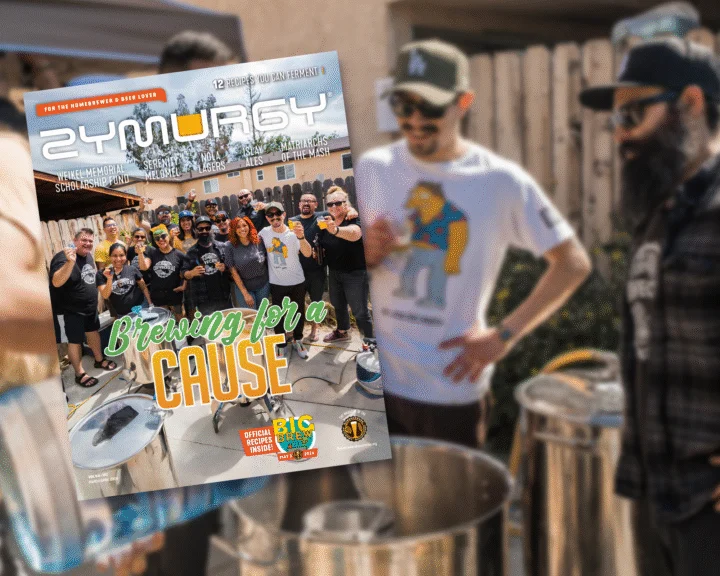

The American Homebrewers Association (AHA) has officially released the March/April 2026 issue of Zymurgy, its flagship publication, centering on a theme that has become increasingly vital to the global brewing community: the pivot. This landmark issue explores the multifaceted ways in which amateur and professional brewers alike are navigating a landscape defined by rapid climate shifts, volatile economic pressures, and a fundamental transformation in global beer culture. As the industry faces unprecedented challenges, from the rising costs of raw materials to the necessity of sustainable production methods, Zymurgy provides a comprehensive roadmap for resilience, supported by twelve new validated recipes and extensive historical and technical analysis.
The concept of the "pivot" serves as the editorial backbone of the issue, reflecting a broader trend within the craft beverage sector. As extreme weather patterns disrupt traditional hop-growing regions and barley harvests, the magazine examines how the community is moving toward more drought-resistant ingredients and energy-efficient brewing processes. This editorial direction aligns with recent data from the Brewers Association, which indicates that sustainability and adaptability are no longer optional for those seeking longevity in the craft, whether at the commercial scale or within the home garage.

Community Philanthropy and the Stoney Creek Legacy
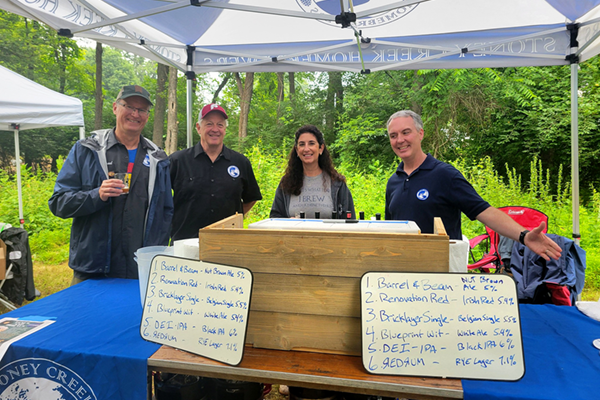
A cornerstone of the March/April 2026 issue is the detailed profile of the Stoney Creek Homebrewers and their Weikel Memorial Scholarship Fund. Authored by noted brewing expert Josh Weikert, the feature chronicles the evolution of a club founded in 2007 in Philadelphia. Initially established as a social hub for enthusiasts to share techniques and feedback, the club underwent its own significant pivot following the tragic loss of a community member. This event catalyzed the formation of the Weikel Memorial Scholarship Fund, an initiative designed to foster education and provide financial support for aspiring brewers.
The Stoney Creek narrative illustrates a larger trend within the American Homebrewers Association: the shift from hobbyist groups to civic-minded organizations that contribute to the socio-economic fabric of their local communities. By documenting the fund’s impact, Weikert highlights how homebrew clubs serve as essential pipelines for professional talent, ensuring that the next generation of brewers has access to the technical training required in a competitive market. The article serves as both a tribute and a case study in how collective grief can be transformed into a sustainable legacy of education and opportunity.
Reclaiming the History of the Brewster
The issue also tackles the historical erasure of women in the brewing industry. For centuries, the production of ale was primarily a domestic task managed by women, often referred to as "brewsters." However, as brewing transitioned from a household necessity to a commercial enterprise during the Industrial Revolution, the contributions of women were systematically minimized or removed from the historical record altogether.
Zymurgy’s investigative feature explores this global legacy, tracing the lineage of women brewers from ancient Mesopotamia and medieval Europe to the modern day. The article provides a critical analysis of how gender roles were socially engineered to exclude women from the lucrative commercial brewing trade. By painting a global portrait of these "matriarchs of malt," the magazine aims to correct the historical narrative and celebrate the contemporary women who are reclaiming their place at the forefront of the craft. This reclamation is particularly relevant as modern industry data shows a significant increase in female-owned breweries and women in leadership roles within the Brewers Association, signaling a return to the industry’s inclusive roots.
The Lager Renaissance in New Orleans
Regional brewing trends receive significant attention in this issue, specifically focusing on the unexpected evolution of the beer scene in New Orleans. Historically, the city’s humid climate and cultural preference for spirits and cocktails meant that its lager scene was relatively sparse. Aside from the long-standing presence of Abita Brewing Company, New Orleans was often characterized as a "lager desert."
However, the last five years have seen a dramatic shift. Zymurgy explores how a new wave of brewers in the Big Easy has embraced the technical rigors of bottom-fermentation. The "lager renaissance" in New Orleans is presented as a response to both consumer demand for "crisp and clean" profiles and the technical advancements that allow for better temperature control in sweltering environments. This regional deep dive serves as a microcosm of the national trend where brewers are moving away from heavily adjuncted "pastry stouts" and high-ABV IPAs in favor of the subtlety and craftsmanship required by traditional European lager styles.

Fermentation in Extreme Climates: Indigenous Traditions
Continuing the theme of environmental adaptation, contributor Art Fitzsimmons provides a fascinating look at indigenous fermentation practices in some of North America’s most inhospitable regions. In areas characterized by extreme heat and water scarcity, indigenous peoples have spent millennia perfecting the art of fermenting native flora.
Fitzsimmons’ research unveils the "present-day fermenting spirit" of these communities, who utilize desert fruits and hardy succulents to create unique, culturally significant beverages. This feature offers more than just a historical overview; it provides practical insights into how modern brewers might utilize hyper-local, drought-tolerant ingredients. As climate change forces a reevaluation of traditional brewing inputs, the ancient wisdom of indigenous fermenters offers a blueprint for a more sustainable and geographically appropriate brewing future.
Islay Ales: Beyond the Peat Smoke
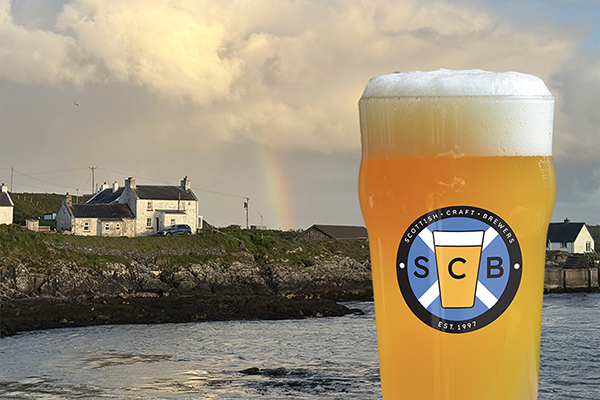
While the Scottish island of Islay is synonymous with heavy, peated whiskies, Zymurgy highlights a burgeoning craft beer movement that is carving out its own identity. Donald MacKenzie and Mackay Smith, inspired by the Scottish Craft Brewers homebrew club, have established a presence that challenges the island’s spirits-centric reputation.

The article explores the synergy between the whisky and beer industries on the island, noting how Islay Ales utilizes local resources and the island’s distinct water chemistry to produce beers that complement, rather than compete with, the local distilleries. This international perspective underscores the magazine’s commitment to showing how the "pivot" is a global phenomenon, as traditional strongholds of one beverage type begin to diversify into others, driven by a new generation of adventurous producers and consumers.
Technical Innovation and Twelve New Recipes
True to its mission as an educational resource, the March/April 2026 issue includes twelve validated recipes designed to help brewers implement the concepts discussed in the features. These recipes are curated to reflect the "pivot" theme, focusing on styles that are either resilient to ingredient shortages or utilize innovative techniques to reduce environmental impact.
The technical section, overseen by Editor-in-Chief Dave Carpenter, continues to be a primary draw for the AHA membership. Carpenter, who has been a prominent voice in beer journalism since 2009, emphasizes the importance of "geeking out" on both the science of brewing and the language used to describe it. Under his leadership, Zymurgy has maintained a balance between high-level chemistry and accessible DIY content, ensuring that the magazine remains relevant to both novice brewers and seasoned veterans.

The Economic and Cultural Impact of the Pivot
The broader implications of the "pivot" described in this issue extend beyond the brewhouse. The craft beer industry is currently navigating a "post-hype" era. After a decade of explosive growth, the market has reached a state of maturity where quality, consistency, and brand identity are paramount. The economic pressures mentioned in the issue—ranging from supply chain disruptions to shifting consumer spending habits—require brewers to be more agile than ever.
The AHA’s focus on adaptation is a strategic response to these market forces. By providing members with the tools to brew high-quality beer at home and the knowledge to understand the commercial landscape, Zymurgy reinforces the value of the homebrewing community as the research and development wing of the entire beer industry. Many of the techniques and flavor profiles that eventually dominate the commercial market begin as experiments in a homebrewer’s kitchen or garage.
Conclusion: A Roadmap for the Future
The March/April 2026 issue of Zymurgy is more than a collection of articles and recipes; it is a testament to the enduring spirit of the brewing community. By addressing the challenges of climate change, the necessity of social equity, and the importance of regional identity, the magazine positions homebrewing as a vital and resilient craft.
As the industry continues to evolve, the ability to "pivot" will remain the defining characteristic of successful brewers. Whether it is through honoring the history of brewsters, supporting the next generation through scholarships like the Weikel Memorial Fund, or experimenting with desert ferments, the brewing world is proving that it can adapt to any environment. With Dave Carpenter at the helm and a dedicated community of enthusiasts, Zymurgy continues to serve as the definitive record and guide for those who believe that beer is not just a beverage, but a reflection of human ingenuity and cultural resilience.