
The Evolution of Pectin Technology in Home Preservation
To understand the significance of this raspberry jam preparation, one must first examine the role of pectin in the gelation process. Traditionally, jam making relied on high-methoxyl pectin, which requires a precise and high concentration of sugar—typically 55% to 85% of the total weight—and a specific acidity level to create a "set." Without these high sugar levels, traditional pectin fails to bind the fruit fibers together, resulting in a runny syrup rather than a spreadable jam.
The introduction of low-methoxyl pectin, such as Pomona’s Universal Pectin, revolutionized this process. Derived from the pith of citrus peels, this type of pectin is calcium-activated rather than sugar-activated. By introducing a calcium water solution to the fruit mixture, the pectin molecules bond with the calcium ions to create a firm gel regardless of the sugar content. This chemical advancement provides home canners with the autonomy to use granulated sugar, honey, maple syrup, agave, or non-nutritive sweeteners like stevia and erythritol, or even to omit sweeteners entirely.
Nutritional Profile and Raw Material Selection
The foundation of a superior raspberry jam is the fruit itself. Raspberries (Rubus idaeus) are nutritionally dense, containing significant amounts of Vitamin C, manganese, and dietary fiber. From a journalistic and botanical perspective, the raspberry is an "aggregate fruit," composed of numerous small drupelets. Each drupelet contains a seed, which contributes to the characteristic texture of the jam. While some processors prefer a seedless variety—often achieved through laborious straining—the seeds contain trace amounts of omega-3 and omega-6 fatty acids, adding a subtle nutritional benefit to the whole-fruit preserve.
According to data from the USDA, one cup of raw raspberries provides approximately 8 grams of fiber, which is nearly a third of the daily recommended intake for adults. In the context of jam making, the high fiber content aids in the natural thickening of the product. Furthermore, raspberries are rich in anthocyanins, the pigments responsible for their deep red hue. These compounds are sensitive to heat; therefore, the shortened boiling time facilitated by low-methoxyl pectin helps preserve both the vibrant color and the antioxidant integrity of the fruit.
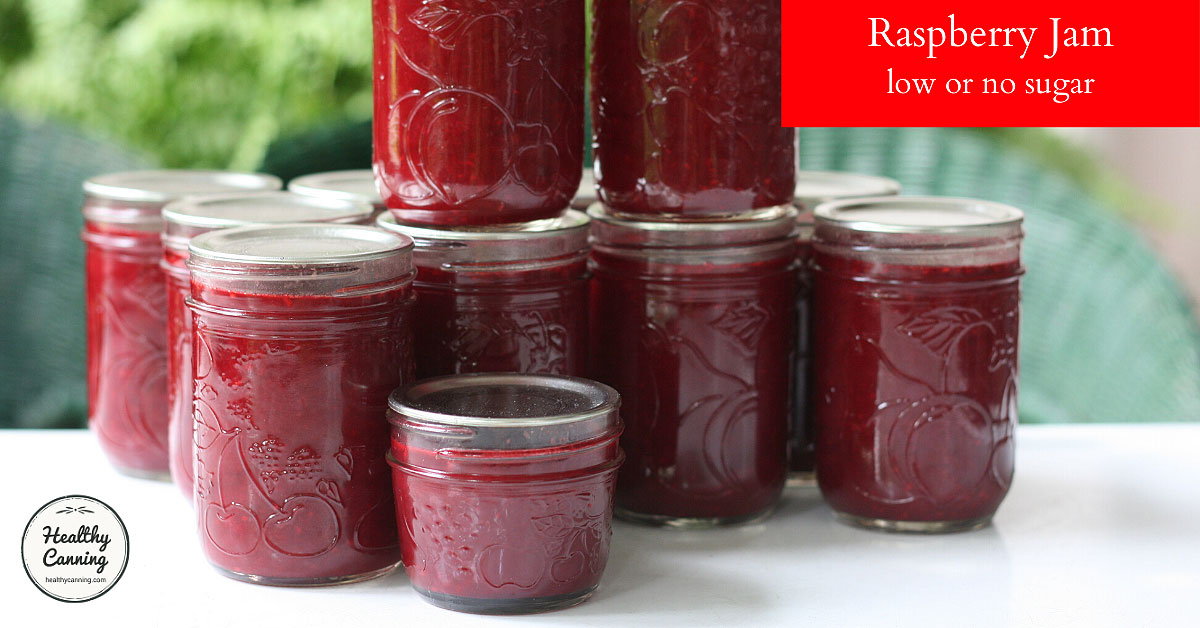
Chronology of the Preservation Process
The production of home-canned raspberry jam follows a strict chronological sequence to ensure both quality and microbiological safety. The process is divided into preparation, acidification, thermal processing, and atmospheric cooling.
Phase I: Preparation and Mashing
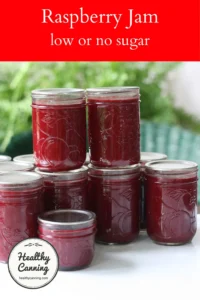
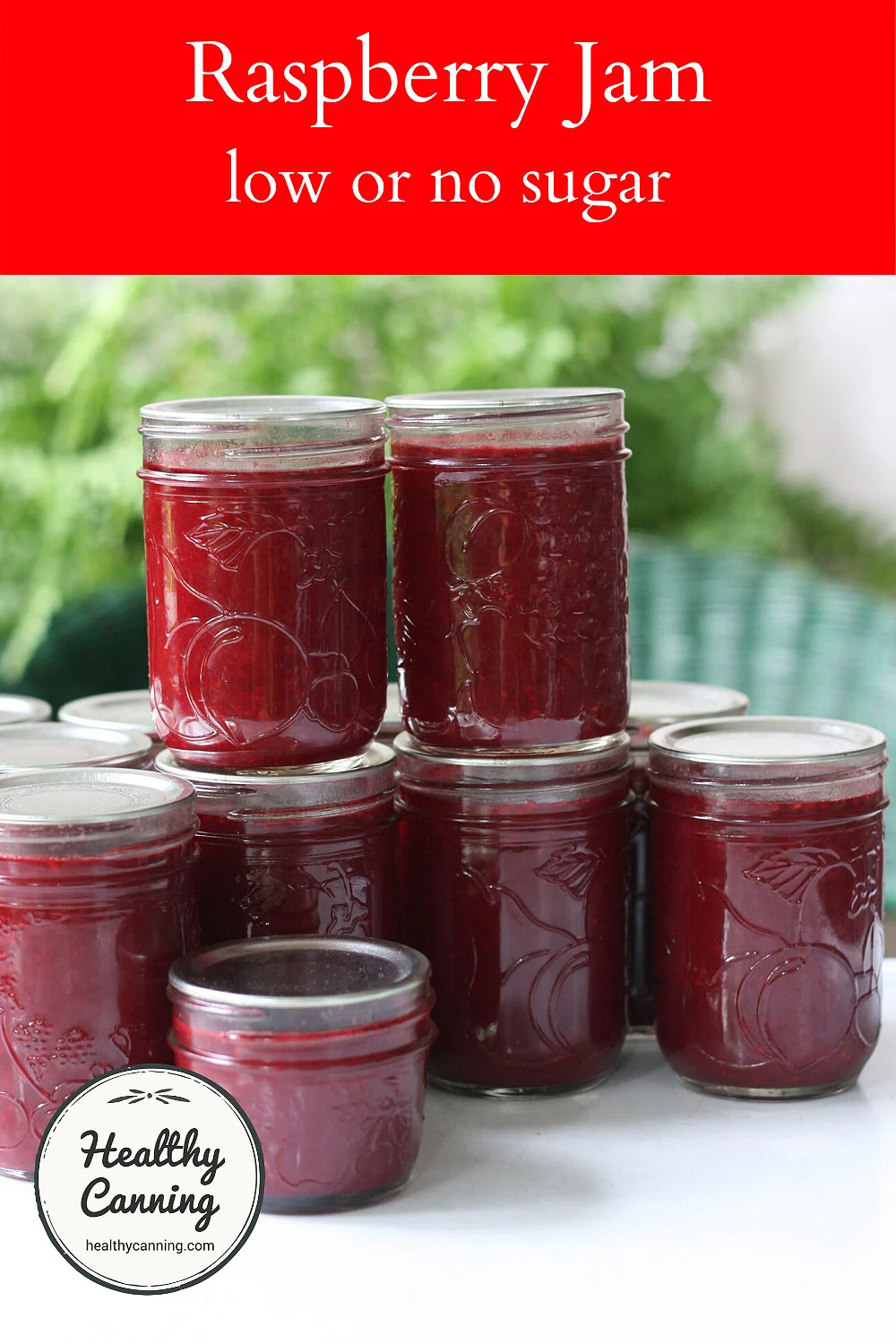
The process begins with the selection of fresh or frozen fruit. While fresh, seasonal raspberries provide the most nuanced flavor profile, frozen berries are a viable alternative for year-round production, as the freezing process breaks down cell walls, often making the fruit easier to mash. For a standard yield of four quarter-litre (250 ml) jars, approximately 4 to 5 cups of mashed fruit are required. If a seedless jam is desired, the fruit is heated slightly and passed through a fine-mesh sieve or a food mill before measurement.
Phase II: The Pectin-Calcium Integration
Unlike traditional recipes where pectin is added at the end, the Pomona method requires the preparation of "calcium water" (a mixture of water and the monocalcium phosphate powder provided with the pectin). This solution is stirred into the fruit mash before heating. Simultaneously, the dry pectin powder is thoroughly mixed into the chosen sweetener. This prevents the pectin from clumping—a common failure in jam making known as "fish eyes."
Phase III: Thermal Processing
The fruit mixture is brought to a full boil. Once boiling, the sweetener-pectin blend is integrated. The mixture is stirred vigorously for one to two minutes to ensure the pectin is fully dissolved and the calcium reaction is complete. This stage is critical; the jam must reach a "full rolling boil" that cannot be stirred down to ensure the enzymes are neutralized and the gel structure is set.
Safety Standards and Regulatory Context
The preservation of raspberry jam is governed by the principles of high-acid food canning. Raspberries naturally possess a pH level ranging from 3.2 to 3.6, placing them well below the 4.6 threshold required to prevent the growth of Clostridium botulinum. However, to maintain safety and shelf life, thermal processing is mandatory.
The two primary methods recognized by the National Center for Home Food Preservation (NCHFP) are water bath canning and steam canning.
- Water Bath Canning: Jars are submerged in boiling water (212°F / 100°C). The heat penetrates the jar, venting air and creating a vacuum seal while destroying molds, yeasts, and spoilage enzymes.
- Steam Canning: This method uses a small amount of water to create a steam environment around the jars. It is considered equivalent to water bath canning for high-acid foods and is often preferred for its efficiency in water and energy usage.
For raspberry jam in 250 ml jars, a processing time of 10 minutes is the standard at sea level. Journalists covering food safety emphasize that this time must be adjusted for altitude. As atmospheric pressure decreases at higher elevations, the boiling point of water drops. Therefore, canners living above 1,000 feet must increase processing times to ensure the internal temperature of the jars reaches the necessary safety benchmarks.
Economic and Social Implications of Home Canning
The resurgence of home canning is not merely a culinary trend but a response to broader economic shifts. With the rising cost of "organic" and "low-sugar" retail products, which can often exceed $8.00 per jar, home preservation offers a cost-effective alternative. A single flat of raspberries purchased at peak season or harvested from a home garden can produce a year’s supply of jam at a fraction of the retail cost.
Furthermore, the "Cottage Food Laws" enacted in many U.S. states and similar regulations in other countries have allowed small-scale producers to sell home-canned jams at farmer’s markets. These laws recognize that high-acid preserves like raspberry jam are "non-potentially hazardous foods," fostering a new wave of micro-entrepreneurship. The ability to customize the sweetener—using Splenda for keto diets or honey for paleo diets—allows these small producers to fill gaps in the industrial food market.
Technical Data and Nutritional Analysis
The nutritional impact of switching to a low-sugar recipe is quantifiable. A traditional raspberry jam made with a 1:1 fruit-to-sugar ratio contains approximately 50 to 60 calories per tablespoon. In contrast, the recipe using Pomona pectin and a reduced amount of sugar (1 cup of sugar for 4 cups of fruit) results in approximately 21 calories per tablespoon.
When utilizing a non-nutritive sweetener like granulated Splenda, the caloric density drops even further to roughly 10 calories per tablespoon, with a negligible impact on blood glucose levels. This makes the product accessible to the approximately 37 million Americans living with diabetes, according to the CDC, who must carefully monitor their intake of simple carbohydrates.
Detailed Ingredient Breakdown for a Standard Batch:
- Fruit: 4 cups (approx. 1 liter) of mashed raspberries.
- Calcium Water: 2 teaspoons (added to the fruit).
- Pectin: 2 teaspoons of Pomona’s Universal Pectin (mixed with sweetener).
- Sweetener Options:
- 1 cup (200g) of sugar for a standard low-sugar set.
- 1/2 to 1 cup of honey for a natural alternative.
- 1 cup of granulated Splenda for a calorie-reduced version.
- 2 teaspoons of liquid stevia for a sugar-free option.
Conclusion: The Future of Preservation
The Raspberry Jam (with Pomona pectin) recipe serves as a template for the future of domestic food technology. It bridges the gap between ancient preservation techniques and modern nutritional science. By understanding the chemistry of calcium-activated pectin and adhering to rigorous thermal processing standards, home cooks can produce a shelf-stable product that is superior in flavor and health profile to mass-produced alternatives.
As climate change impacts crop yields and global supply chains remain volatile, the ability to preserve seasonal gluts of fruit like raspberries becomes an essential skill. This journalistic review of the process underscores that while the recipe is simple, its implications for health, economy, and food security are profound. The transition from high-sugar "confections" to fruit-dense "preserves" reflects a broader societal move toward intentional consumption and the reclamation of the domestic food supply.