
Dough hydration, a seemingly simple metric in sourdough bread baking, reveals itself as one of the most intricate and dynamic aspects of the craft. Far from being a mere number in a recipe, it represents a continuous dialogue between the baker and their dough, a conversation influenced by a myriad of factors including ambient weather, the specific characteristics of the flour employed, and even the humidity within the kitchen environment. This comprehensive guide delves into the profound impact of hydration, offering insights gleaned from years of hands-on experience, bridging the gap between the scientific underpinnings of hydration percentages and the practical art of adjusting dough consistency in real-time. For those grappling with overly sticky dough or puzzling over dense, tight loaves, a thorough understanding of hydration is frequently the key to unlocking superior bread.
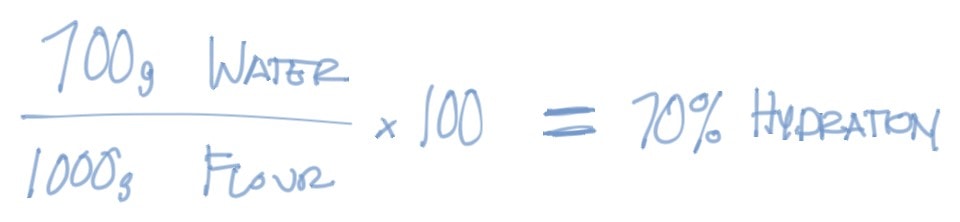
At its core, dough hydration is defined as the total amount of water within a recipe, expressed as a percentage of the total flour weight. The calculation is straightforward: divide the weight of the water by the total weight of the flour, and then multiply the result by 100. For instance, a recipe calling for 1,000 grams of flour and 700 grams of water yields a hydration level of 70% (700 grams / 1,000 grams * 100 = 70%). This percentage serves as a crucial benchmark for bakers, providing an initial expectation of the dough’s behavior before the mixing process even begins.
However, seasoned bakers emphasize that this hydration percentage is fundamentally a guideline, not an immutable rule. Flour, as an ingredient, is far from static. Its properties vary significantly between different types, milling processes, and even batches from the same mill. This inherent variability means that a recipe precisely formulated for one type of flour may require adjustments when using another.
The influence of external environmental conditions, such as weather, also plays a role, although its impact is often less pronounced unless there are extreme shifts. A dough that mixes to a smooth, elastic consistency on a dry day might require different handling on a humid, rainy afternoon. This underscores the necessity for bakers to develop a tactile understanding of their dough, learning to interpret its feel and appearance rather than relying solely on pre-determined numerical values.
The Fundamental Importance of Dough Hydration
The significance of a dough’s hydration percentage cannot be overstated, as it profoundly dictates the characteristics of the final baked product. Water is the transformative agent that converts dry flour into a pliable dough, enabling it to capture and expand with the gases produced during fermentation.
- Insufficient Water: A dough with too little water will be tight, resistant, and difficult to work with. This often results in a dense, heavy loaf with a compact crumb.
- Excessive Water: Conversely, a dough with too much water can become a unmanageable, soupy mass that struggles to hold its shape, leading to a flattened loaf with potential issues in texture and crumb structure.
The spectrum between these two extremes allows for a wide array of bread styles:
- Lower-Hydration Bread (Approximately 60-68%): These doughs tend to be stiffer and easier to handle, often resulting in a bread with a more substantial crust and a chewier texture. The gluten network is less stretched, providing a more robust structure.
- Higher-Hydration Bread (Approximately 75-85%+): As hydration increases, the dough becomes more fluid. This can lead to a bread with a thinner, more brittle crust and a tender, almost custardy interior. The extensive water content allows for greater gas retention, contributing to a more open crumb.
Many bakers, including experienced professionals, find themselves drawn to the higher end of the hydration spectrum. This preference is often motivated by the desire for a loaf with an exceptionally thin crust, a tender crumb, and a melt-in-your-mouth quality, attributes often associated with well-hydrated and fully fermented doughs. However, it is crucial to acknowledge that pushing hydration too high can have detrimental effects. Beyond a certain point, an excessively wet dough may result in a loaf with an overly soft texture, poor structural integrity post-baking, and a tendency to stale more rapidly, especially if not stored correctly. The art lies in finding a hydration level that achieves the desired textural and structural outcomes without compromising volume, eating quality, or overall manageability.
The "Why" Behind the Hydration Equation
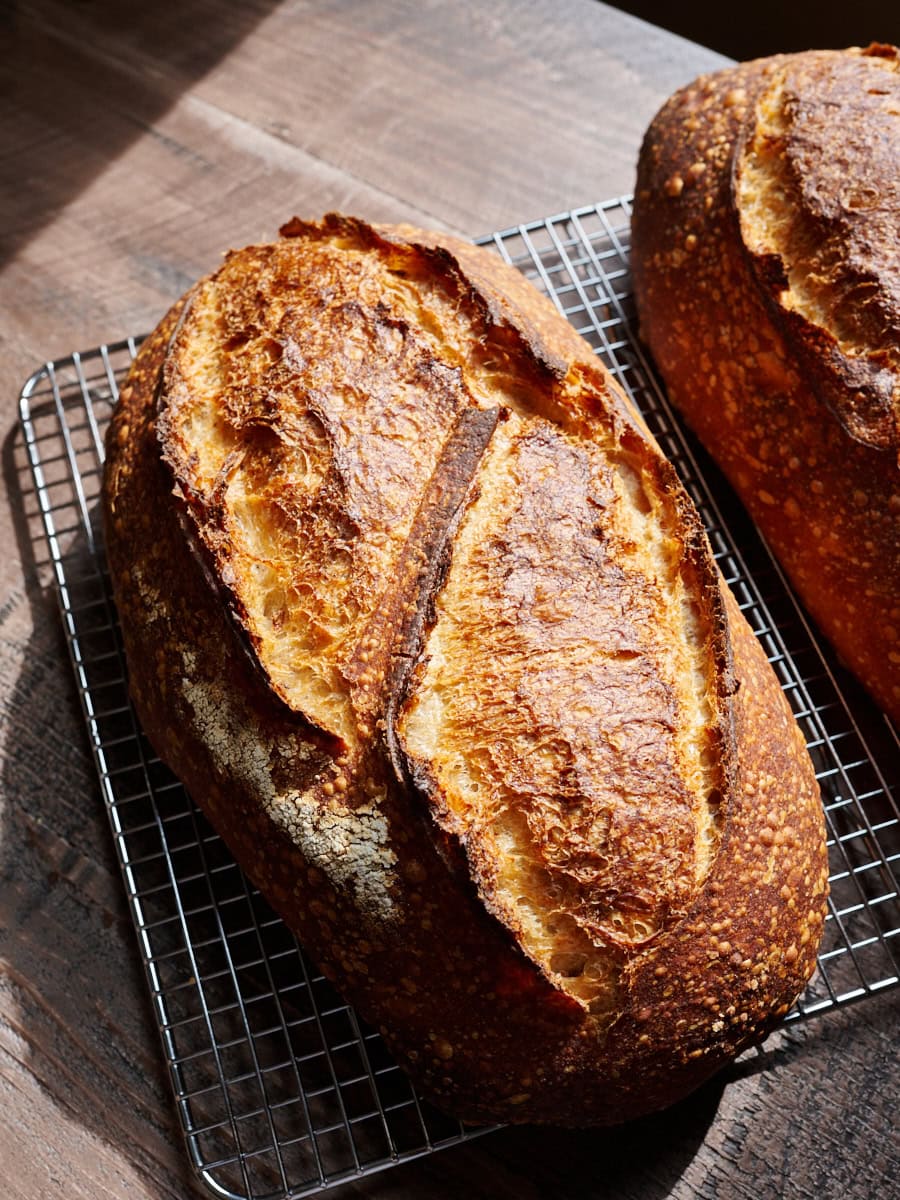
The question of which is "better" – high-hydration or low-hydration bread – is subjective and depends entirely on individual preference and the intended use of the bread. The pursuit of extremely high hydration percentages, often seen as a badge of honor in some baking circles, should not be the sole objective. A higher number does not inherently equate to superior bread.
The choice of flour is paramount. High-extraction flours, such as Type 85, or those with a higher proportion of whole grains, possess characteristics that allow them to absorb and benefit from increased water content. In such cases, higher hydration can contribute to a more desirable mouthfeel and texture in the final product. However, blindly aiming for 100% hydration, for example, without considering the flour’s capabilities, can lead to a gummy crumb, structural collapse, and a bread that deteriorates quickly. The ultimate goal is a loaf that is enjoyable to eat, not merely an exercise in achieving a numerical target.
A Visual Lexicon of Dough Hydration
Developing the ability to "read" the dough is a critical skill that transcends rigid adherence to hydration percentages. The visual and tactile cues of the dough in the mixing bowl are often more informative than the calculated number. A dough that feels excessively wet at 70% hydration with one type of flour might feel remarkably stiff with another.
To illustrate, consider the visual characteristics of dough at different hydration levels, using a base recipe primarily composed of medium-protein white flour as a reference:
Under-Hydrated Dough (~62% or less)
This dough typically exhibits the following signs:
- Texture: Stiff, firm, and resistant to manipulation. It may feel dry and somewhat crumbly.
- Appearance: Lacks elasticity; it will snap back sharply when stretched. It may appear matte and less glossy.
- Handling: Easy to manage by hand, with minimal sticking. It may require more effort to incorporate ingredients fully.
- Resulting Loaf: Likely to have a dense crumb, a thick, chewy crust, and a less airy interior.
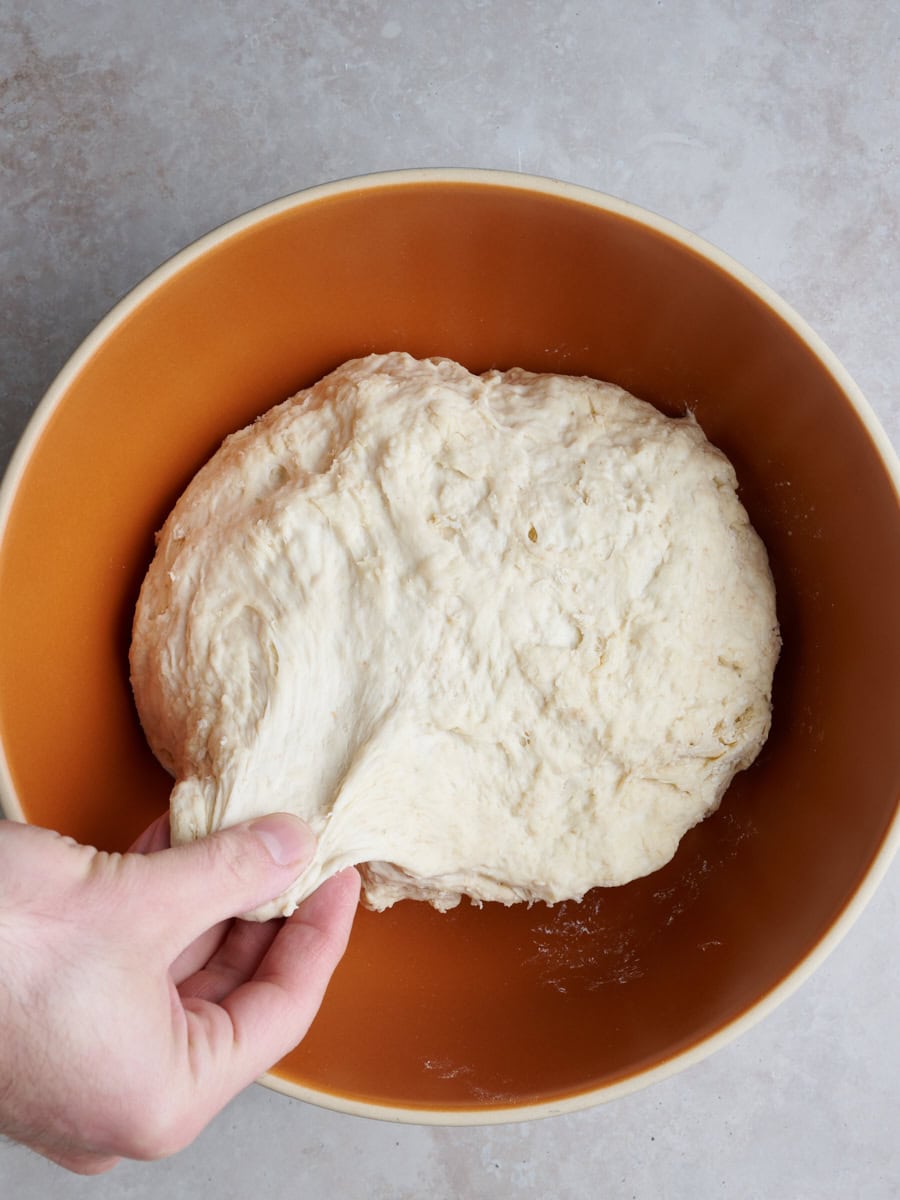
Properly Hydrated Dough (~68-75%)
This level of hydration represents a sweet spot for many bakers, offering a balance of manageability and desirable dough characteristics:
- Texture: Smooth, elastic, and pliable. It will yield to the touch and feel slightly tacky but manageable.
- Appearance: Exhibits good extensibility; it stretches thinly without tearing easily (the "windowpane" test). It will have a glossy sheen.
- Handling: Can be mixed and shaped with relative ease. While it will be sticky, it shouldn’t excessively cling to hands or surfaces.
- Resulting Loaf: Typically yields a loaf with a moderately open crumb, a balanced crust, and a pleasing texture.
Over-Hydrated Dough (~75%+)
When too much water is incorporated, the dough presents distinct challenges:
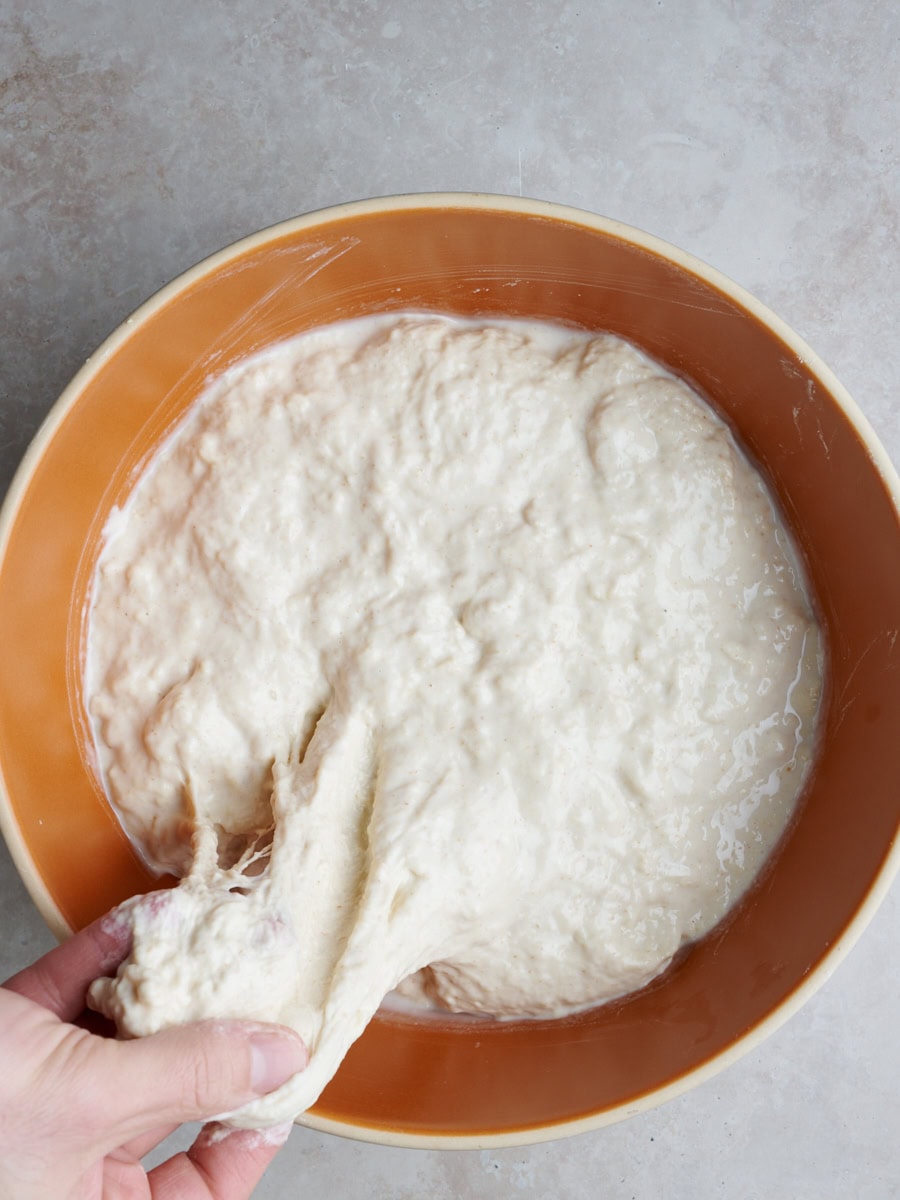
- Texture: Very loose, slack, and fluid. It may feel soupy or gelatinous.
- Appearance: Appears wet and may struggle to maintain any cohesive shape. It will likely spread significantly when left to rest.
- Handling: Extremely sticky and difficult to manage. It may cling persistently to hands, bowls, and equipment, requiring frequent wetting of hands or the use of dough scrapers.
- Resulting Loaf: Can lead to a very open, almost custardy crumb, but may also result in a loaf that collapses easily, has a very thin and delicate crust, and can be challenging to score and shape effectively.
Mastering Hydration Through Bassinage
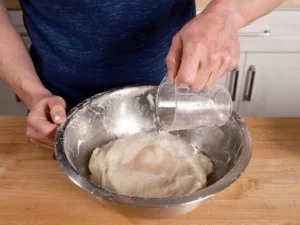
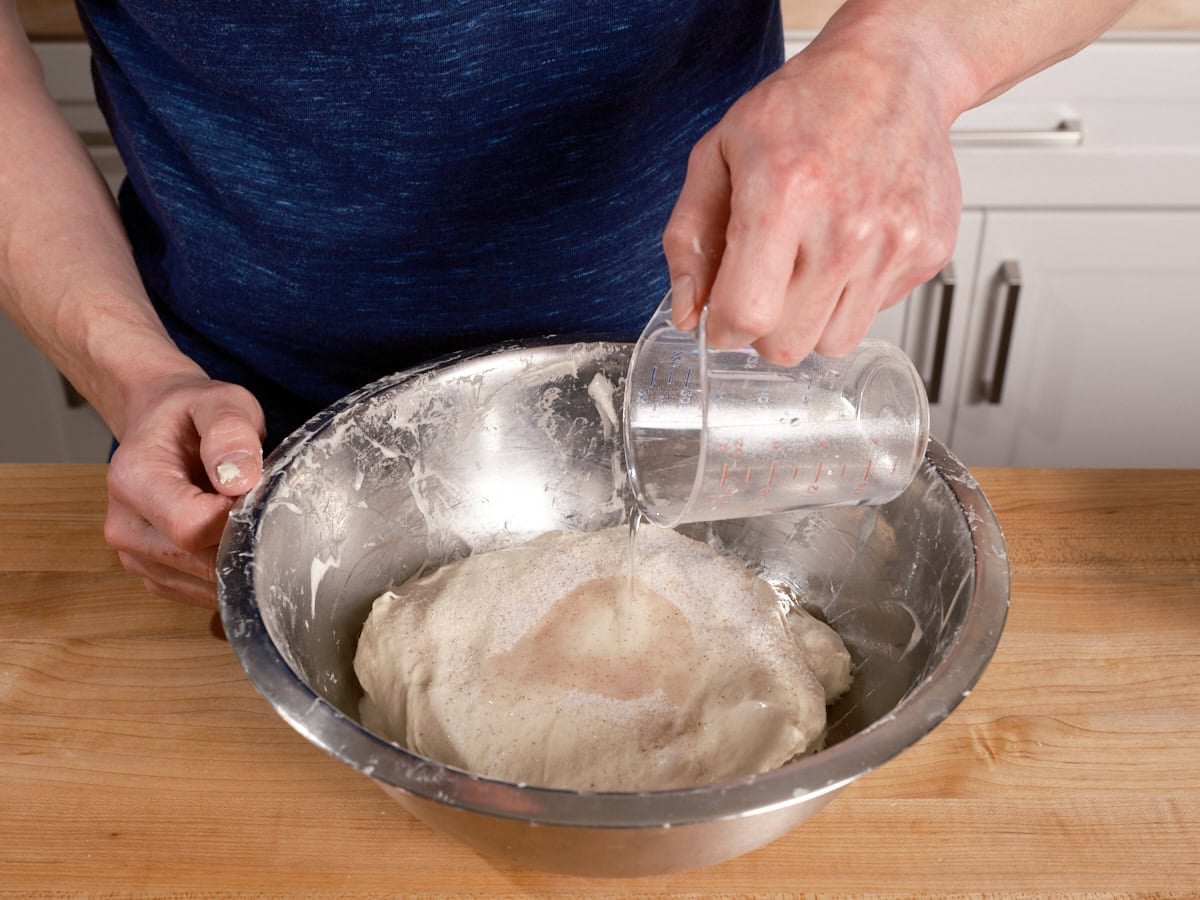
A transformative technique for managing higher hydration levels is bassinage, often referred to as "double hydration." This method involves reserving a portion of the total water and adding it gradually during the later stages of mixing, after the flour’s starches have begun to absorb initial moisture and the gluten network has started to form.
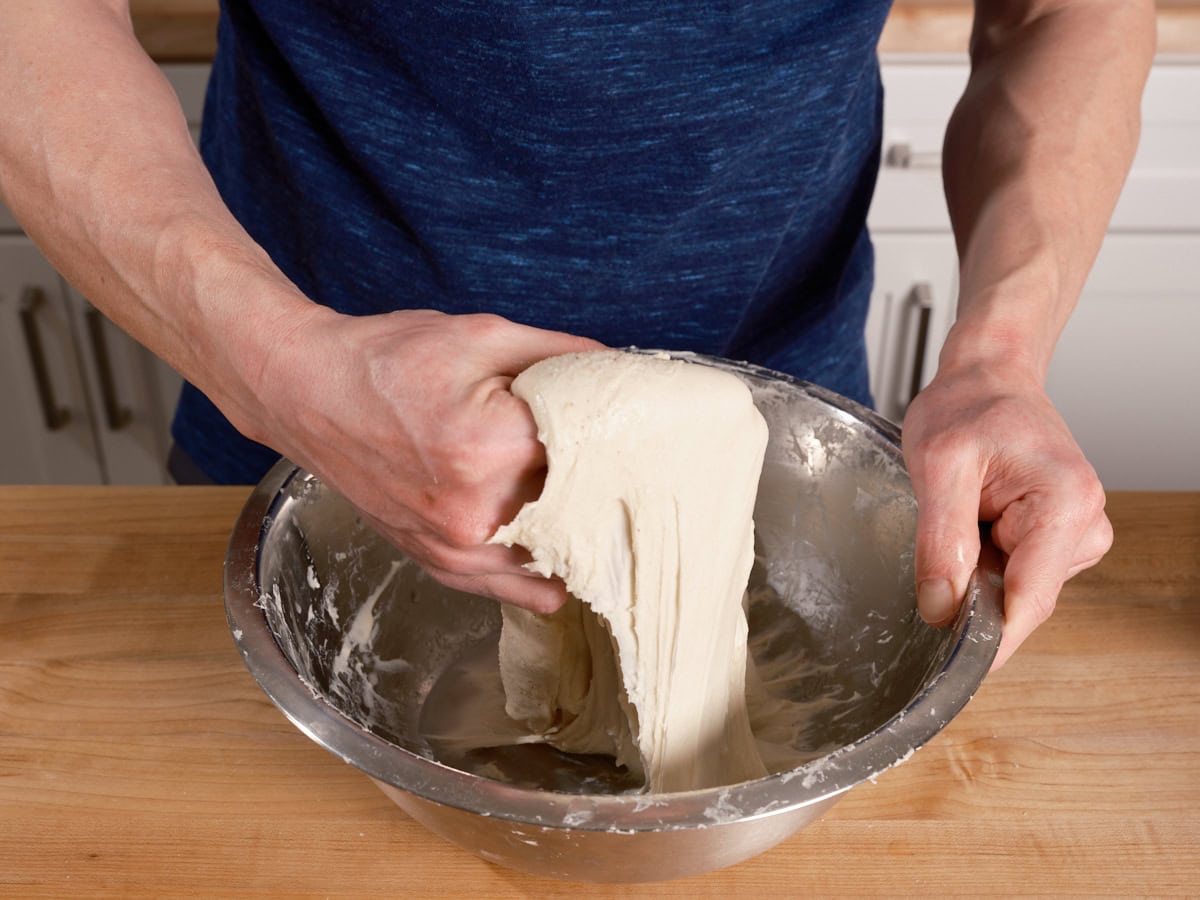
This approach offers significant advantages:
- Facilitated Gluten Development: Adding all the water upfront, especially in high-hydration recipes, can impede the development of a strong gluten network. The high water content can reduce friction, making it harder to build elasticity. By incorporating the majority of the water initially and then slowly adding the remainder, bakers can achieve higher hydration levels more effectively, leading to better dough strength without excessively long mixing times or the risk of under-developing the gluten.
- Dough Strength Assessment: Holding back water provides an invaluable opportunity to gauge the dough’s strength as mixing progresses. This allows the baker to make an informed decision about whether to incorporate the reserved water or to omit it entirely, thereby fine-tuning the dough’s consistency to its optimal state. Many advanced recipes strategically divide water into "Water 1" (for initial mixing and autolyse) and "Water 2" (the bassinage water, reserved for final adjustments), empowering the baker to respond to the dough’s specific needs.
A practical application of this technique involves observing the dough after the initial water addition. If the dough feels excessively slack and difficult to control, it may be prudent to withhold the reserved water. Conversely, if the dough exhibits good strength and seems capable of incorporating more moisture, the reserved water can be added incrementally while mixing.
Critical Factors Influencing Water Absorption
Several key factors dictate how much water a dough can and should absorb:
Flour Type and Protein Content
Flours with higher protein content (typically 12-14% for American bread flour) generally possess a greater capacity for water absorption. The protein molecules form the gluten network, which acts as a scaffold to hold more water. Lower-protein flours, common in many regions outside North America, are "softer" and may require reduced hydration to prevent a sticky, unmanageable dough. These softer flours can, however, produce exceptionally tender bread when handled appropriately.
Whole Grain Flours
The presence of whole grains, such as whole wheat or rye, significantly increases water absorption requirements. The bran and germ particles within these flours are highly absorbent. For instance, a recipe incorporating 50% whole wheat flour might necessitate a hydration level of 82% or higher, a level that would be unmanageable with 100% white flour. The bassinage technique is particularly beneficial when working with high-whole-grain doughs.
Freshly Milled Flour
Flour that has been freshly milled, even if sifted, often requires more water than aged flour to achieve the desired dough consistency. The cellular structure of freshly milled flour may absorb moisture differently, necessitating an increase in hydration.
Climate and Environmental Conditions
Geographical location and ambient conditions play a notable role. Bakers in arid, high-altitude regions may find they need higher hydration percentages compared to those in humid, lower-altitude environments. On particularly humid days, flour can absorb ambient moisture, potentially requiring a slight reduction in added water, though this effect is typically minimal.
Troubleshooting Sticky Dough
Excessive stickiness is a frequent concern for sourdough bakers, often stemming from issues with hydration, dough strength, or a combination of both. Common culprits include:

- Over-Hydration: Simply adding too much water for the flour’s capacity.
- Insufficient Gluten Development: The gluten network is not yet strong enough to contain the water.
- Flour Type: Using a flour that absorbs less water than expected.
- Environmental Humidity: High ambient humidity can make dough feel stickier.
- Over-Mixing: In some cases, excessive mixing can break down the gluten structure, leading to stickiness.
Strategies for High-Hydration Dough Management
As hydration levels increase, dough stability naturally decreases. Pushing the water content stretches the gluten matrix to its limits. Effective management of high-hydration doughs involves several key strategies:
- Develop Gluten Strength: Thoroughly developing the gluten network through techniques like stretch-and-folds or coil folds is crucial.
- Use Wet Hands or a Bench Scraper: Minimizing direct hand contact with very wet dough by using wet hands or a bench scraper can improve handling.
- Embrace the Stickiness: Accept that high-hydration doughs will be stickier. Focus on technique rather than achieving a completely non-sticky dough.
- Utilize Cold Fermentation: Extended cold fermentation (retarding) can help to firm up high-hydration doughs, making them easier to handle for shaping.
- Strategic Flour Dusting: Use flour judiciously on work surfaces and hands, but avoid overdoing it, which can lead to a drier, tougher crumb.
Hydration Quick Reference Chart
| Hydration Level | Characteristics | Best For |
|---|---|---|
| 60-65% | Stiff, easy to handle, potentially thicker crust | Bagels, pretzels, pizza, some pan loaves |
| 65-70% | Balanced, manageable, good structure | Classic breads, beginner-friendly sourdough |
| 70-75% | Moderately open crumb, thin crust | Classic country loaves, baguettes |
| 75-80% | Requires longer mixing, tender crumb, requires skill | Ciabatta, focaccia, open-crumb loaves, sandwich loaves |
| 80%+ | Requires longer mixing, often more open crumb, custard-like | High-hydration loaves, challenging to shape, very tender crumb texture |
Addressing Common Hydration Queries
Why can’t I just add more flour if my dough is too wet?
Adding flour changes the overall flour weight, which necessitates recalculating all other ingredients based on baker’s percentages. Adjusting only the water is a simpler method to influence hydration in isolation. However, in extreme cases where a dough is completely unmanageable, a small addition of flour can be a last resort, but this deviation should be noted for future reference.
Does higher hydration guarantee a more open crumb?
Not necessarily. Hydration is but one variable. Fermentation, shaping technique, and baking parameters all play significant roles in crumb structure. Focus on mastering all fundamental aspects of bread making rather than solely increasing water content.
What hydration level should a beginner start with?
A hydration level of 68-70% using quality bread flour is a recommended starting point. This offers a manageable dough that can produce excellent results, allowing beginners to build confidence before exploring higher hydration levels.
What is the ideal hydration for bread dough?
There is no single "ideal" hydration. It is entirely dependent on the flour used and the desired characteristics of the final bread. While most bread doughs fall within the 60%-80% range, variations outside this spectrum are also possible.
Cultivating Baker’s Intuition
Ultimately, mastering dough hydration is about cultivating sensitivity and developing what experienced bakers refer to as "baker’s intuition." This involves learning to interpret the dough’s cues—its feel, appearance, and behavior—rather than rigidly adhering to numerical recipes. Each bag of flour possesses unique properties, and daily environmental conditions fluctuate. The most accomplished bakers engage in a dynamic dialogue with their ingredients, treating recipes as starting points for exploration and adaptation.
The practice of keeping detailed baking notes is invaluable. Recording the hydration percentage used, the dough’s handling characteristics, the prevailing weather conditions, and the outcome of the final loaf allows for the gradual development of an intuitive understanding that surpasses any written guide. This consistent practice empowers bakers to adapt and refine their techniques, leading to consistently superior sourdough bread.