
The United States Department of Agriculture (USDA) has formalized a rigorous set of procedures for the home canning of whole, plain tomatillos, ensuring that home preservers can safely store this staple of Mexican cuisine while maintaining its nutritional integrity and flavor profile. Unlike the protocols established for standard red tomatoes, which often require a labor-intensive peeling process, the USDA’s guidelines for tomatillos (Physalis philadelphica) specifically omit the peeling stage, simplifying the preparation while emphasizing strict acidification and thermal processing standards. This regulatory framework, primarily detailed in the "USDA Complete Guide to Home Canning" (Agriculture Information Bulletin No. 539), serves as the definitive resource for preventing foodborne illnesses such as botulism while maximizing the shelf life of seasonal harvests.
The Botanical and Culinary Context of Tomatillos
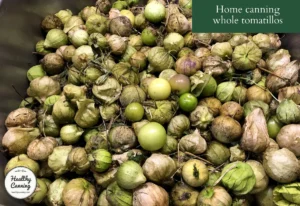
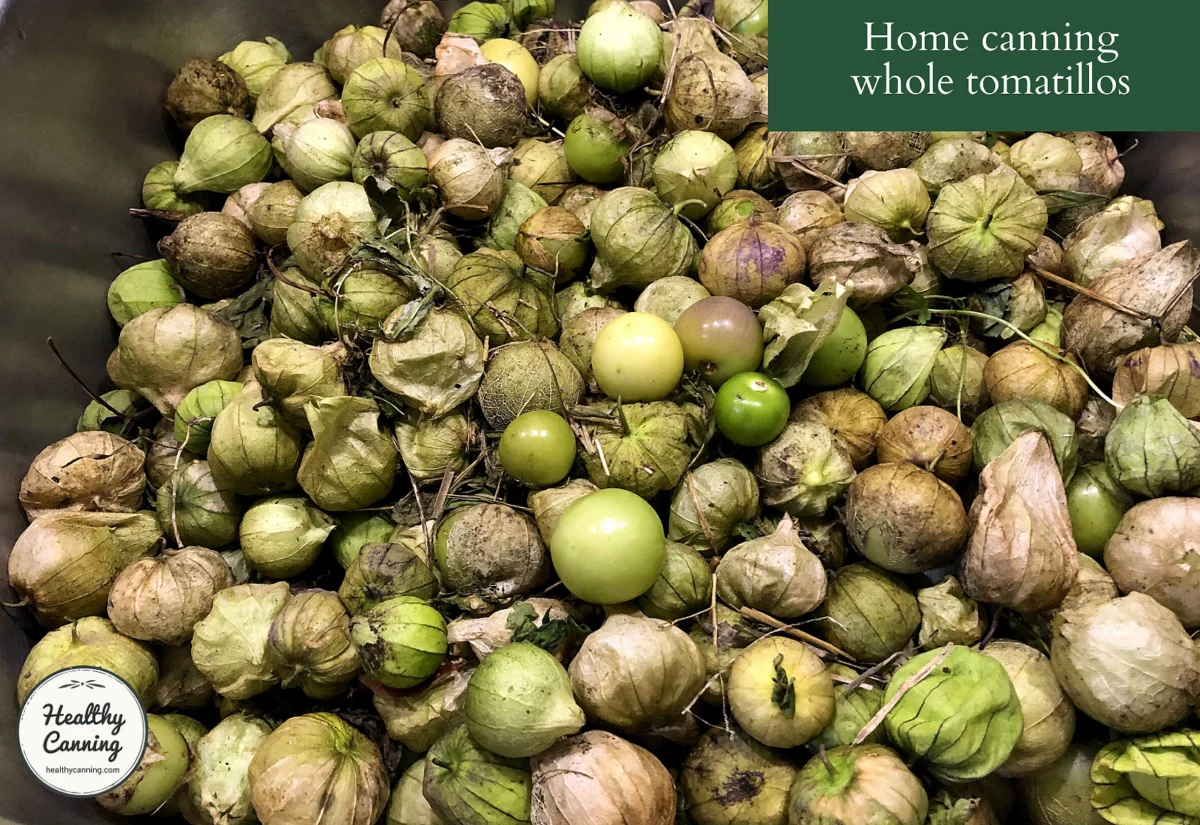
The tomatillo, often referred to as the Mexican husk tomato, is a member of the nightshade family, closely related to the Cape gooseberry. Despite its name and appearance, it is not a true tomato. It is encased in a papery calyx or husk, which must be removed before any preservation or culinary application. Historically, the tomatillo was a cornerstone of Aztec and Mayan diets long before the red tomato gained prominence in the Americas. Today, it remains an essential ingredient in salsa verde, various moles, and stews.
As home gardening and self-sufficiency trends continue to rise across North America, the demand for safe preservation methods has grown. The USDA’s research into tomatillos highlights their unique chemical composition. While generally considered an acidic food, with a pH value typically recorded around 3.83, the USDA mandates additional acidification during the canning process. This creates a safety margin that accounts for variations in ripeness, soil conditions, and cultivar differences, ensuring the final product remains well below the critical 4.6 pH threshold required to inhibit the growth of Clostridium botulinum spores.

Preparation and Quantitative Guidelines
Effective home canning begins with precise measurement and preparation. According to the USDA procedures, preservers should anticipate a yield based on weight-to-volume ratios. On average, one liter (approximately one US quart) of canned tomatillos requires roughly one kilogram (about two pounds) of fresh fruit. These figures are approximate, as the density of the fruit and the tightness of the pack can influence final yields.
The preparation sequence is distinct. First, the husks must be removed, and the fruit must be washed thoroughly to remove the sticky residue often found on the skin. Unlike tomatoes, which are frequently blanched and shocked to remove skins, tomatillos are kept whole and unpeeled. The USDA recommends a brief simmering period in boiling water for approximately two minutes to soften the fruit slightly before packing, which helps prevent the fruit from bursting during the high-heat processing phase.
Thermal Processing Methods: Three Paths to Preservation
The USDA provides three approved methods for processing tomatillos: water bath canning, steam canning, and pressure canning. Each method is subject to specific time and pressure requirements, which are further dictated by the altitude of the canning location.
1. Water Bath and Steam Canning
For most home canners, the atmospheric water bath method remains the most accessible. In this process, jars are submerged in boiling water. For half-liter (pint) jars, the processing time is 40 minutes; for one-liter (quart) jars, the time increases to 45 minutes.
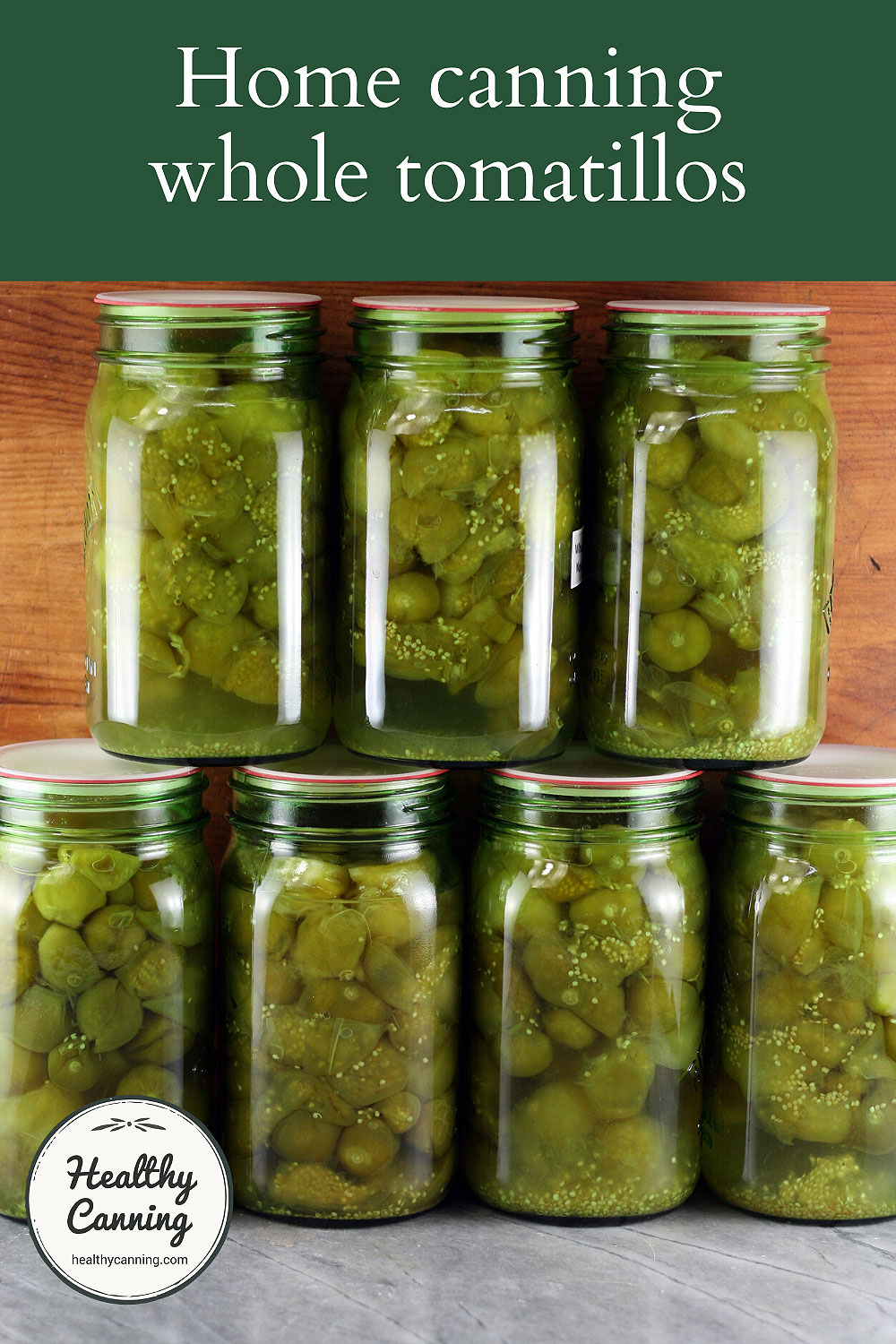
Steam canning, a method that uses a fraction of the water required for a traditional water bath, is also approved for tomatillos. It follows the same processing times as water bath canning. However, safety experts warn that steam canning should only be used if the total processing time—adjusted for altitude—does not exceed 45 minutes. This limitation exists because many home steam canners may boil dry if used for extended periods, potentially compromising the thermal consistency required for sterilization.
2. Pressure Canning
For those seeking to reduce processing time, pressure canning is a viable alternative. This method uses higher temperatures to achieve sterilization more rapidly. The USDA offers a weighted-gauge schedule for pressure canning:
- At 0 to 300 meters (0-1,000 feet), 15 minutes at 5 lbs of pressure, or 10 minutes at 10 lbs of pressure.
- Above 300 meters (1,000 feet), the requirements increase to 10 lbs or 15 lbs of pressure depending on the desired time.
It is critical to note that even when pressure canning, the addition of acid remains mandatory. The pressure canning times for tomatillos were designed for efficiency and speed rather than to compensate for a low-acid environment.
The Mandatory Role of Acidification
One of the most vital safety components in the USDA procedure is the addition of a concentrated acidifier to every jar. This step is non-negotiable. Preservers must add either bottled lemon juice, bottled lime juice, or citric acid directly to the jars before filling them with fruit and liquid.

The required dosages are:
- For half-liter (pint) jars: 1 tablespoon of bottled lemon/lime juice or 1/4 teaspoon of citric acid.
- For one-liter (quart) jars: 2 tablespoons of bottled lemon/lime juice or 1/2 teaspoon of citric acid.
While lime juice is often preferred for its complementary flavor profile in Mexican dishes, preservers are cautioned that lime juice has a more distinctive taste than lemon juice. Citric acid is the preferred choice for those wishing to preserve the natural, unadulterated flavor of the tomatillo. Salt may be added for seasoning—typically 1/2 teaspoon per pint or 1 teaspoon per quart—but it is entirely optional and serves no preservative function in this specific recipe.
Technical Data and Altitude Adjustments
Safety in home canning is inextricably linked to geography. As altitude increases, the boiling point of water decreases, necessitating longer processing times in water baths or higher pressures in pressure canners.
For water bath and steam canning, the standard 40- or 45-minute times are only applicable at altitudes below 1,000 feet. Failure to adjust for altitude can result in under-processing, leaving the contents susceptible to spoilage or toxin production. In pressure canning, the use of a dial-gauge versus a weighted-gauge also requires specific calibration. Preservers are encouraged to consult the National Center for Home Food Preservation (NCHFP) for specific dial-gauge charts if their equipment differs from the weighted-gauge standards.
Nutritional Profile and Economic Impact
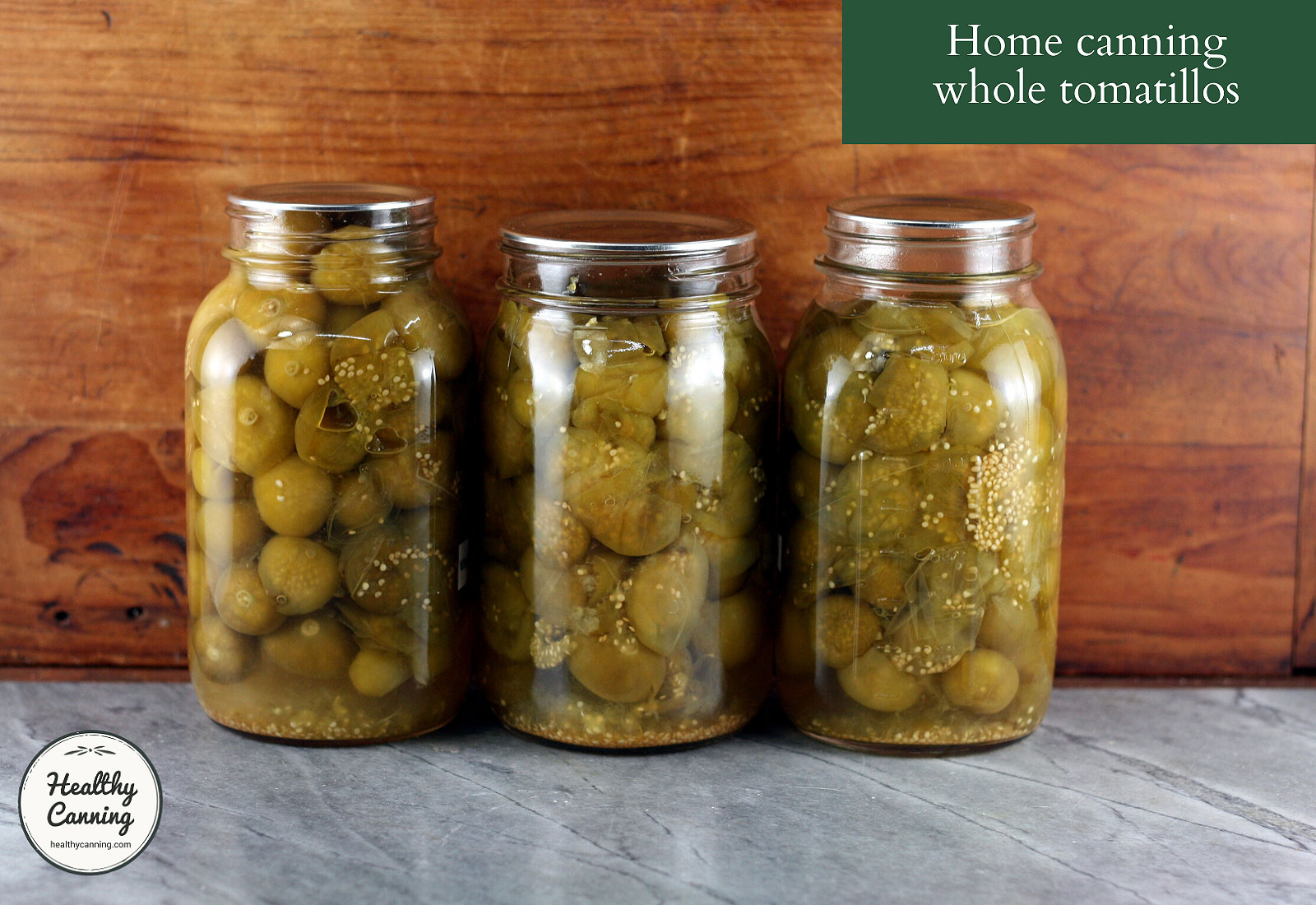
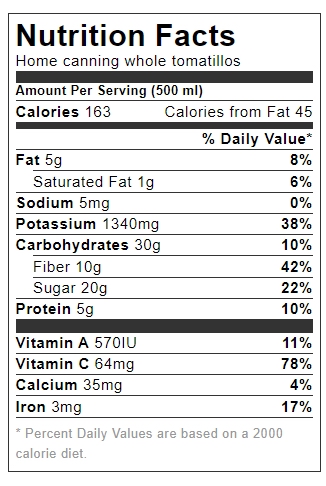
Canned tomatillos offer a robust nutritional profile, making them a valuable addition to a year-round pantry. A half-liter (pint) serving of home-canned tomatillos, processed without added salt, contains approximately 163 calories. They are an excellent source of dietary fiber (10g), Potassium (1,340mg), and Vitamin C (64mg). Furthermore, they provide essential minerals such as Iron and Calcium, alongside a significant amount of Vitamin A.
From an economic perspective, home canning tomatillos allows consumers to bypass the higher costs of commercially canned products, which are often sold in smaller, 11-ounce increments. By preserving bulk harvests from home gardens or local farmers’ markets, households can significantly reduce their grocery expenditures while ensuring they have access to high-quality, additive-free produce.
Culinary Applications and Professional Recommendations
The utility of canned tomatillos extends far beyond simple sauces. Because the canning process effectively cooks the fruit, they are ideally suited for "cooked" salsa recipes. Culinary experts, including Martha Rose Shulman of the New York Times, suggest that canned tomatillos can be seamlessly substituted for fresh ones in recipes that require simmering or roasting. Shulman notes that because the canned variety is already softened, the initial cooking steps often found in fresh recipes can be skipped, saving time in the kitchen.
The "Joy of Cooking" further suggests using canned tomatillos as a direct condiment for grilled meats, poultry, and specifically seafood. Their bright, tart acidity provides a necessary counterpoint to the richness of grilled shellfish and fatty fish.
Analysis of Implications for Food Security and Safety
The standardization of tomatillo canning procedures reflects a broader movement toward rigorous food safety in the domestic sphere. By providing clear, science-based instructions, the USDA and the NCHFP empower individuals to take control of their food supply chains. This is particularly relevant in the context of modern food security, where the ability to preserve seasonal gluts can mitigate the impact of rising food prices and supply chain disruptions.
However, the necessity of following these "tested recipes" cannot be overstated. Food safety analysts point out that "creative" canning—altering acidity levels or processing times based on intuition rather than data—remains a leading cause of home-based food poisoning. The USDA’s 2015 update to the "Complete Guide to Home Canning" reinforces the message that safety is a product of precision.
Conclusion: The Future of Home Preservation
As the culinary landscape continues to embrace global flavors, the tomatillo has moved from a specialty item to a household staple. The USDA’s comprehensive canning protocols ensure that this transition is supported by the highest safety standards. Whether processed in a traditional water bath or a modern pressure canner, the home-canned tomatillo represents a successful intersection of traditional foodways and modern laboratory science. By adhering to these guidelines, home preservers contribute to a culture of safety, sustainability, and culinary excellence.