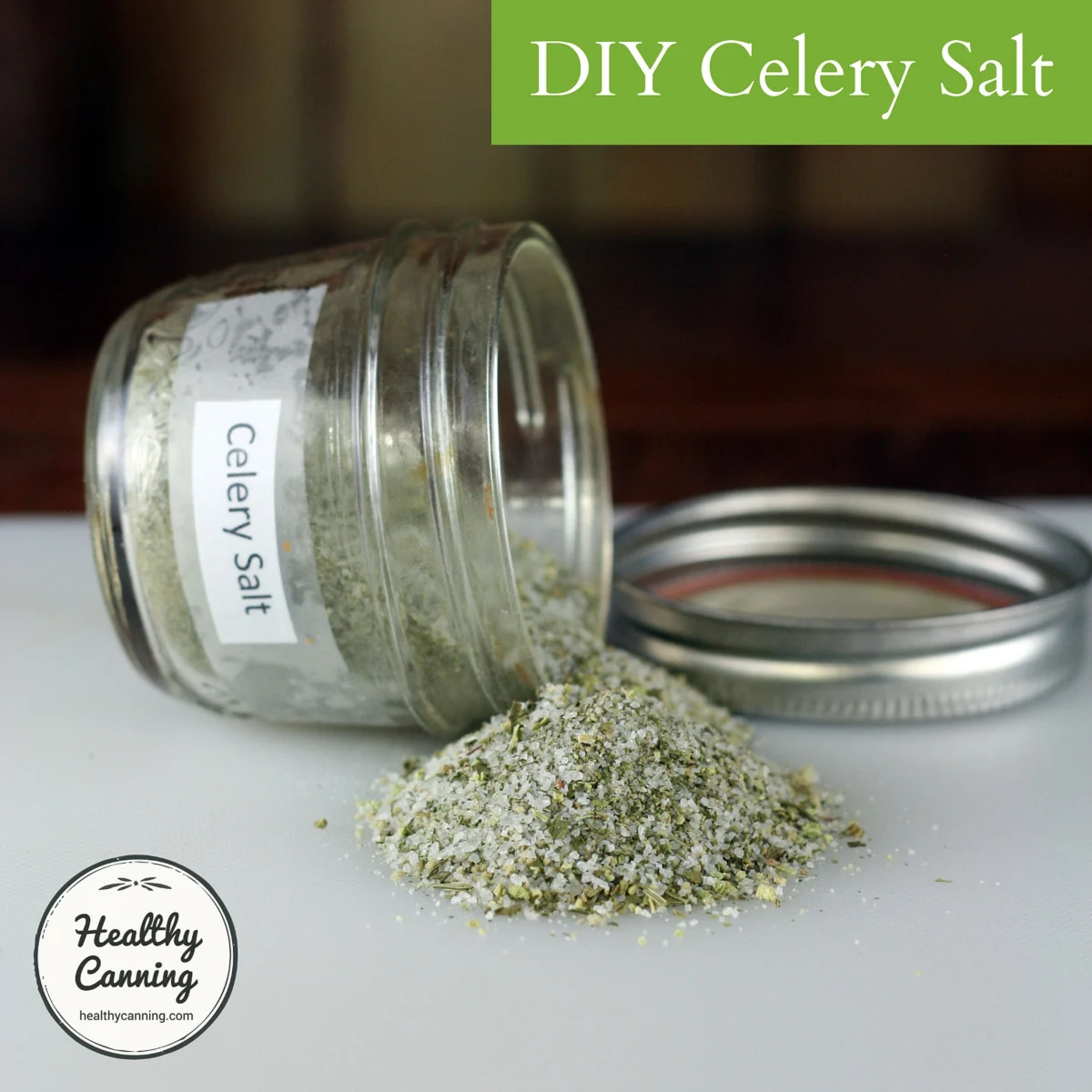

The domestic culinary landscape is undergoing a significant transformation as consumers increasingly pivot away from mass-produced pantry staples in favor of handcrafted, customizable alternatives. Among the most versatile of these staples is celery salt, a seasoning blend that has long been a cornerstone of American cuisine, particularly within the realms of regional specialties and classic mixology. While commercially available versions of celery salt have been a grocery store fixture for decades, a growing movement of home preservationists and culinary enthusiasts is highlighting the economic, health, and flavor benefits of producing this seasoning in a home kitchen. By leveraging simple ingredients such as celery seed or dehydrated celery powder and combining them with high-quality salts, individuals are finding they can produce a superior product for a fraction of the retail cost—often referred to as "pennies on the dollar."
The Economic and Health Drivers of DIY Seasoning
The shift toward homemade seasonings is not merely a matter of culinary preference; it is increasingly driven by macroeconomic factors and a heightened public awareness of nutritional health. According to recent data from the Bureau of Labor Statistics, the price of spices, seasonings, and condiments has seen a steady upward trajectory, influenced by global supply chain fluctuations and increased logistics costs. For the budget-conscious household, the ability to create a high-use item like celery salt at home represents a tangible reduction in grocery expenditures.
Beyond the financial incentives, the DIY approach addresses a critical public health concern: sodium intake. Traditional commercial celery salts are often composed of a high ratio of refined table salt to celery flavor, providing little flexibility for those managing hypertension or other cardiovascular conditions. By producing the blend at home, consumers can utilize sodium-free salt substitutes, such as Herbamare, or opt for mineral-rich alternatives like Himalayan pink salt or sea salt. This level of customization allows for a "gourmet" experience that aligns with specific dietary requirements, a luxury rarely afforded by standardized industrial products.
Technical Methodology: From Raw Material to Gourmet Blend
The production of celery salt at home involves a relatively straightforward process, yet it offers multiple avenues for refinement depending on the equipment available to the cook. The primary component, celery, can be introduced in two distinct forms: ground celery seed or homemade celery powder.

For those seeking the highest level of artisanal quality, the use of a food dehydrator has become a game-changer. By dehydrating fresh celery—including the nutrient-dense leaves that are often discarded as food waste—home cooks can create a potent celery powder. This powder, when ground finely and mixed with salt, offers a more vibrant, "green" flavor profile than the more bitter, earthy notes found in dried celery seeds.
The standard ratio for a balanced celery salt typically involves mixing two parts salt with one part celery component. For a standard yield of approximately five tablespoons (75 grams), the recipe requires a precise blending of the chosen salt and the ground celery. Culinary experts suggest that the mixing process itself can be simplified by combining the ingredients directly within the storage vessel, minimizing cleanup and ensuring that the volatile oils of the celery remain trapped within the jar.
Historical Context: The Cultural Significance of Celery Salt
To understand the enduring popularity of celery salt, one must look to its roots in American culinary history. Celery itself was once considered a luxury item in the 19th century, often displayed in "celery vases" on the tables of the wealthy. As cultivation became more widespread, the flavor of celery became a defining characteristic of many iconic dishes.
Perhaps the most famous application of celery salt is in the construction of the Chicago-style hot dog. Emerging during the Great Depression as a "depression sandwich," the Chicago dog is famously "dragged through the garden," featuring a specific array of toppings including yellow mustard, chopped white onions, bright green sweet pickle relish, a dill pickle spear, tomato wedges, pickled sport peppers, and a crucial final dusting of celery salt. In this context, the seasoning provides a necessary herbal counterpoint to the richness of the beef and the acidity of the pickles.
Similarly, celery salt is an indispensable ingredient in the Bloody Mary, a cocktail whose savory profile relies heavily on the bridge between the tomato base and the herbal salinity of the salt. The rise of DIY celery salt allows bartenders and home mixologists to experiment with smoked salts or infused varieties, further elevating these classic recipes.

The Role of Technology in Home Preservation
The resurgence of home-made seasonings is inextricably linked to the democratization of food preservation technology. In previous generations, dehydration was a labor-intensive process dependent on specific weather conditions or the constant monitoring of a low-temperature oven. Today, the availability of affordable, high-efficiency electric dehydrators has empowered the average consumer to process fresh produce with professional-grade results.
Industry analysts note that the market for home food preservation equipment has seen robust growth over the last five years. This trend is supported by a "zero-waste" philosophy that encourages consumers to utilize every part of the vegetable. In the case of celery, the stalks are often used for fresh consumption, while the leaves and trimmings—which contain the highest concentration of flavor—are dehydrated and pulverized into the powder used for celery salt. This circular approach to kitchen management not only saves money but also reduces the environmental footprint of the household.
Comparative Analysis: Commercial vs. Homemade
When evaluating the transition from store-bought to homemade celery salt, several factors emerge in a comparative analysis:
- Flavor Complexity: Commercial celery salt is often mass-produced using older stocks of celery seed, which can lose their aromatic potency over time. Homemade versions, particularly those using freshly ground seeds or recently dehydrated powder, offer a much higher concentration of phthalides, the chemical compounds responsible for celery’s unique aroma.
- Ingredient Transparency: Industrial seasonings may include anti-caking agents such as silicon dioxide or sodium aluminosilicate to prevent clumping during long periods of shelf storage. DIY versions eliminate the need for these additives, providing a "clean label" product.
- Texture Control: A home cook can determine the coarseness of the grind. A fine powder may be preferred for soups and juices, while a coarser, flakier salt might be chosen for rimming cocktail glasses or finishing grilled meats.
Statements from the Culinary and Preservation Community
While this article is based on synthesized data from various preservation experts and culinary sources, the consensus among Master Food Preservers is clear: the move toward DIY seasonings represents a return to fundamental culinary skills. Experts from organizations such as the Master Food Preserver groups emphasize that while the process is simple, it requires attention to detail regarding moisture content. Ensuring that the celery powder is bone-dry before mixing with salt is essential to prevent mold growth and clumping.
Furthermore, culinary educators highlight that making one’s own seasoning blends serves as an "entry point" into broader food preservation practices. Once a consumer realizes the ease of making celery salt, they are more likely to explore pickling, canning, and large-scale dehydration, thereby increasing their food security and culinary independence.
Broader Implications for the Spice Industry
The growing popularity of DIY seasoning blends like celery salt poses an interesting challenge to the traditional spice industry. Major spice manufacturers are increasingly forced to compete with the "artisanal" and "small-batch" appeal of home-crafted goods. In response, some companies have begun offering "gourmet" lines featuring sea salts and organic seeds, but they often struggle to match the price point and freshness of a home-made alternative.
This shift also reflects a broader move toward "homesteading" in urban and suburban environments. As people seek more control over their food sources, the pantry has become a site of creative expression. The humble jar of celery salt, once a forgotten item in the back of the spice rack, has been reimagined as a signature ingredient that reflects the specific tastes and health priorities of the maker.
Conclusion
The DIY celery salt movement is a microcosm of a larger shift in consumer behavior—one that values quality, economy, and health over the convenience of mass-produced goods. By combining basic ingredients with a bit of kitchen science, the modern cook can produce a seasoning that is not only "pennies on the dollar" but also infinitely superior in flavor and nutritional profile. Whether it is used to top a classic Chicago dog, rim a glass for a weekend brunch, or season a winter stew, homemade celery salt stands as a testament to the enduring value of the handcrafted pantry. As inflation continues to impact food costs and health remains a top priority for many, the trend of home-blended seasonings is expected to grow, further bridging the gap between professional culinary techniques and the everyday home kitchen.