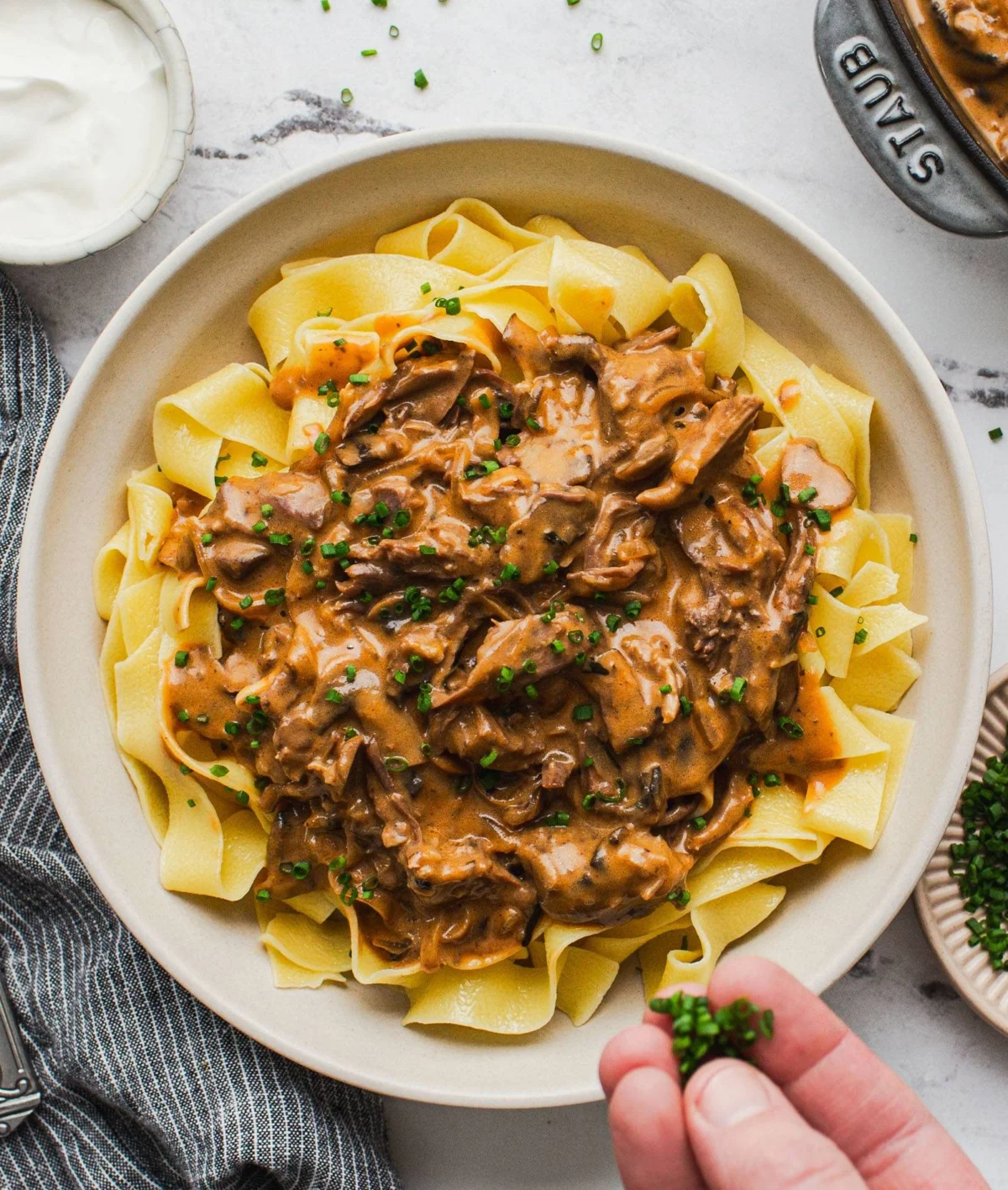

Beef Stroganoff, a venerable dish celebrated globally for its creamy, savory profile and comforting qualities, has long held a cherished place in culinary traditions. While numerous renditions exist, a particular methodology championed by a home cook known as "Ang" has garnered significant acclaim, elevating this classic to a new echelon of tenderness and flavor. This innovative approach, now widely adopted by enthusiasts, leverages the simplicity of slow cooking to produce a profoundly rich and deeply satisfying meal, diverging notably from more conventional preparations.
A Historical Perspective on Beef Stroganoff
To fully appreciate the nuanced improvements offered by Ang’s Method, it is essential to first understand the historical context of Beef Stroganoff. Originating in 19th-century Russia, the dish is traditionally attributed to Count Pavel Alexandrovich Stroganov, a prominent diplomat and gourmet. The earliest known recipe, appearing in Elena Molokhovets’s classic Russian cookbook "A Gift to Young Housewives" in 1871, described a dish of beef cubes (often thinly sliced or cut into small pieces) sautéed and served in a sour cream sauce, sometimes with mustard. Over time, the recipe evolved, incorporating mushrooms and onions, and spreading across Europe and eventually to the United States, particularly gaining popularity in the mid-20th century as a symbol of sophisticated yet accessible home cooking. Traditional methods often involved quickly searing strips or chunks of beef, aiming for a tender yet distinctly textured bite within a relatively short cooking time.
The Genesis of Ang’s Method: A Modern Interpretation
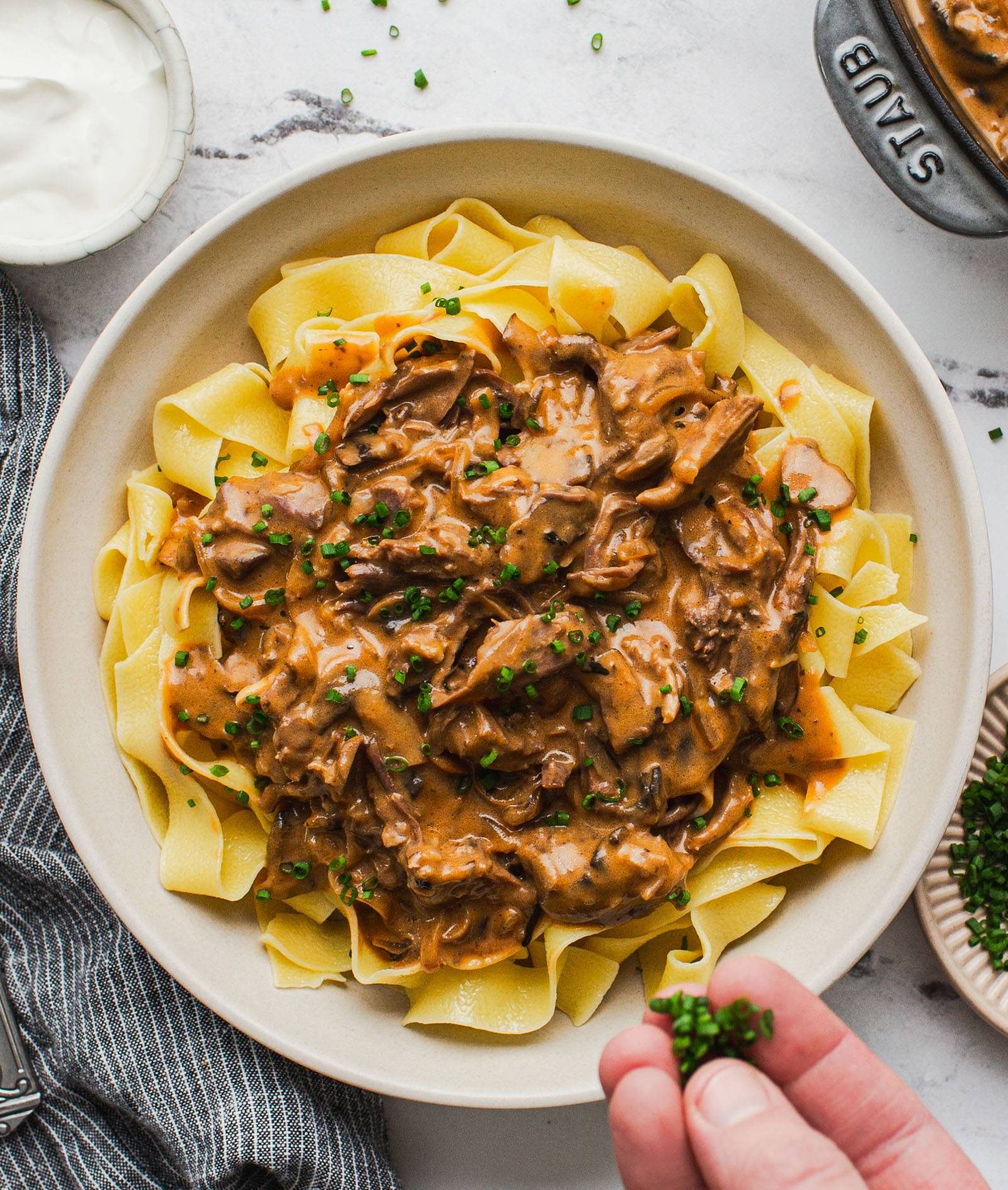
Ang’s Method, as championed by culinary writer Lindsay Ostrom, marks a significant departure from these historical precedents. The core innovation lies in its two primary components: the slow-cooking of beef to achieve unparalleled tenderness and a meticulously crafted gravy that prioritizes deep, caramelized flavors over a simple cream base. This dual focus results in a dish that, according to proponents, fundamentally redefines the Beef Stroganoff experience.
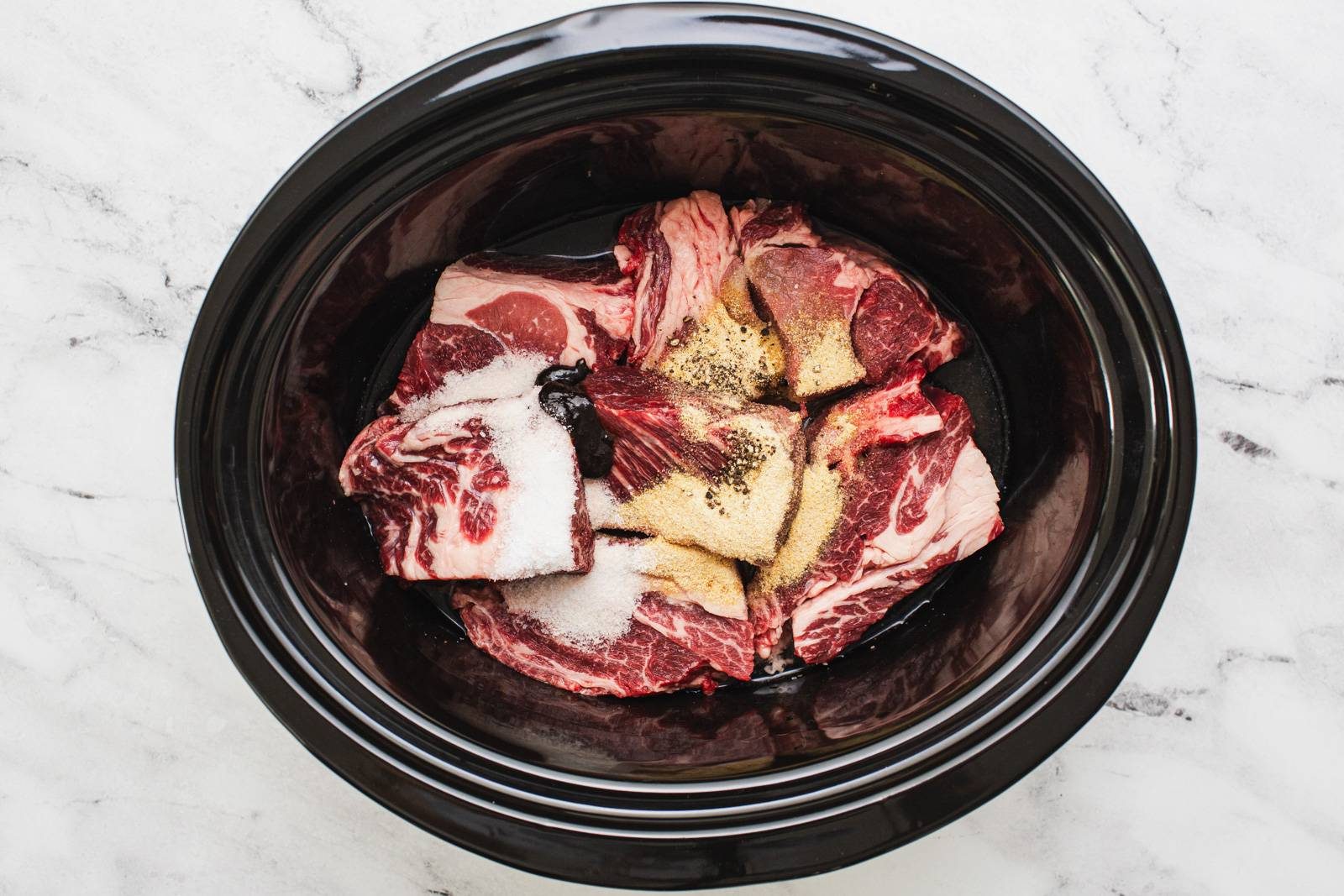
The process begins with the beef, typically a chuck roast, prepared in a slow cooker. This technique is lauded for its remarkable simplicity and the superior texture it imparts. Unlike the seared beef chunks that can sometimes be inconsistent in tenderness, slow-cooked chuck roast renders into succulent, fork-tender shreds. This shredded beef integrates seamlessly into the sauce, providing a delicate mouthfeel that contrasts with the more robust chew of traditional preparations. The slow cooker effectively breaks down the connective tissues in the beef over several hours, transforming a tougher cut into a melt-in-your-mouth experience that is both rich in flavor and effortlessly tender. A typical 3-4 pound chuck roast will require 6-8 hours on a low setting or 4-5 hours on high, allowing for flexible meal planning.
Key Differentiators and Culinary Advantages
The distinction of Ang’s Method is primarily evident in two critical aspects: the preparation of the beef and the composition of the gravy.
-
Shredded Beef vs. Seared Chunks: The use of slow-cooked shredded beef is perhaps the most revolutionary element. While traditional stroganoff relies on searing beef cubes or strips, which can sometimes result in a chewier texture if not executed perfectly, Ang’s Method ensures consistent, fall-apart tenderness. This textural refinement significantly enhances the overall enjoyment of the dish, allowing the beef to truly absorb the flavors of the accompanying sauce. The ease of preparation, requiring minimal hands-on time for the beef component, also appeals to contemporary home cooks seeking efficient yet high-quality meals.

-
The Gravy’s Superiority: The gravy in Ang’s Method is explicitly designed to be a "creamy, savory gravy with roasty bits of mushroom and caramelized onion," avoiding the often-criticized "white grey blob" aesthetic and flavor profile of some less inspired versions. This is achieved through a meticulous process of caramelizing onions and thinly slicing and cooking down mushrooms until they are deeply flavorful and slightly crisp. This foundational step builds a complex flavor base that is both visually appealing and gastronomically satisfying. The deliberate browning of these aromatics contributes maillard reaction compounds, which are crucial for developing umami and a rich, appealing color. The result is a gravy that is not merely a vehicle for cream but a profound flavor enhancer, robust and deeply savory.
The Slow Cooker’s Role in Modern Gastronomy
The increasing integration of appliances like the slow cooker into daily culinary routines reflects broader trends in modern gastronomy. According to market research, the slow cooker segment has seen consistent growth, with millions of units sold annually, underscoring its indispensable role in busy households. Its appeal lies in its ability to facilitate "set-it-and-forget-it" cooking, allowing for flavor development over extended periods with minimal supervision. This convenience factor is paramount for individuals and families balancing demanding schedules with a desire for wholesome, home-cooked meals. For a dish like Beef Stroganoff, the slow cooker not only simplifies the cooking process but also enhances the dish’s core attributes, making meat exceptionally tender and allowing flavors to meld harmoniously. This method aligns perfectly with the contemporary demand for comfort food that is both accessible and gourmet in quality.
Crafting the Gravy: A Masterclass in Flavor Development
The gravy preparation in Ang’s Method is a testament to the idea that patience and precise technique can transform simple ingredients into a complex flavor profile. The thinly sliced mushrooms are cooked until their moisture is released and they begin to caramelize, developing a profound umami that forms the backbone of the sauce. Simultaneously, onions are slowly cooked to a rich, golden caramelization, contributing sweetness and depth. These "slips of mushroom, thin and cooked down," combined with the caramelized onion, are critical. They create a textured and flavorful base that prevents the sauce from being bland or one-dimensional. The addition of liquids and sour cream then forms a cohesive, richly colored sauce, far from the pallid appearance of some versions. The deliberate process ensures that every spoonful of gravy is imbued with intense, savory notes, complementing the tender beef perfectly.

Serving the Stroganoff: Beyond the Traditional Noodle
While egg noodles remain the quintessential accompaniment for Beef Stroganoff, Ang’s Method encourages culinary exploration beyond this classic pairing. The dish’s rich, robust nature makes it exceptionally versatile. Pappardelle, a broader, flatter noodle, is often favored for its ability to cradle the sauce effectively. However, the article suggests other innovative pairings that enhance the comfort food experience. A baked potato, split open and topped with the stroganoff, offers a hearty and satisfying alternative, especially when garnished with a dollop of sour cream and fresh chives, adding a refreshing counterpoint to the richness. Similarly, mashed potatoes or homemade gnocchi provide a soft, absorbent base that beautifully soaks up the savory gravy, creating an indulgent meal.
For complementary sides, green beans are a popular choice, offering a crisp, fresh contrast. Roasted green vegetables, such as asparagus or broccoli, or roasted carrots, provide additional texture and nutritional balance. For those preferring a lighter accompaniment, a crisp green salad dressed with a simple vinaigrette can cut through the richness of the stroganoff, offering a refreshing palate cleanser.
Adaptability and Inclusivity: Catering to Diverse Palates
A significant aspect of Ang’s Method, and indeed modern recipe development, is its inherent adaptability to various dietary preferences and constraints. The recipe, while centered on beef, offers clear pathways for customization:
- Vegetarian Adaptation: For those eschewing meat, the beef can be replaced entirely with an increased quantity of mushrooms, creating a hearty and flavorful mushroom stroganoff. Varieties like cremini, shiitake, or even wild mushrooms can be used to achieve varying depths of earthy flavor, maintaining the essence of the dish.
- Dairy-Free Options: The creamy element, traditionally derived from sour cream and sometimes heavy cream, can be substituted with dairy-free alternatives. Dairy-free heavy cream or sour cream substitutes are readily available. Alternatively, a homemade cashew cream offers a rich, velvety texture, while coconut cream can provide creaminess with a subtle, distinct flavor profile, appealing to those who enjoy its tropical undertones.
- Beef Cut Alternatives: While chuck roast is highly recommended for its flavor-to-fat ratio and exceptional tenderness when slow-cooked, other cuts can be employed. Top sirloin or flank steak, though leaner, can also yield tender results if slow-cooked or braised appropriately, though they might not achieve the same depth of flavor as chuck roast.
- Non-Slow Cooker Methods: For cooks without a slow cooker, the recipe’s core principles can still be applied. The beef can be simmered on the stovetop for 1-2 hours until tender, or braised in the oven at 350 degrees Fahrenheit (approximately 175 degrees Celsius) in a Dutch oven or covered pot until it reaches the desired shreddable consistency. This flexibility ensures that the exceptional taste and texture of Ang’s Method Beef Stroganoff are accessible regardless of kitchen equipment.
The Broader Culinary Impact of "Ang’s Method"
Ang’s Method for Beef Stroganoff is more than just a recipe; it embodies several significant trends in contemporary home cooking. Firstly, it exemplifies the ongoing reimagination of classic dishes, where traditional recipes are optimized for modern lifestyles and palates without sacrificing authenticity of flavor. The shift from seared chunks to shredded beef and the emphasis on a deeply flavored gravy reflect a preference for enhanced texture and more complex, nuanced sauces.
Secondly, the popularity of this method underscores the power of community and knowledge sharing among home cooks. Ang, whose "Tortellini Soup fame" precedes her, represents a new generation of culinary influencers—individuals whose practical, delicious, and often simplified approaches resonate widely. Her methods are not just recipes but proven techniques passed on through networks, demonstrating the significant impact that passionate home cooks can have on mainstream culinary practices.
Finally, this approach highlights the increasing demand for convenience coupled with quality. In a world where time is a premium, recipes that deliver gourmet-level results with minimal active cooking time are invaluable. The slow cooker, in this context, becomes a tool for culinary liberation, enabling the creation of rich, deeply flavored dishes like this Beef Stroganoff that taste as if they required hours of intensive labor.
In conclusion, Ang’s Method for Beef Stroganoff represents a significant evolution of a beloved classic. By focusing on the unique tenderness achieved through slow-cooked shredded beef and a meticulously developed, richly flavored gravy, it offers an unparalleled comfort food experience. Its ease of preparation, versatility, and profound depth of flavor secure its place as a celebrated modern interpretation, setting a new benchmark for how this timeless dish can be enjoyed in contemporary kitchens.