
Technical Composition and Ingredient Analysis
The foundational element of the dressing is raw cashews, a choice that aligns with modern food science regarding emulsification and texture. Unlike other nuts, cashews possess a high starch content and a neutral flavor profile, allowing them to transform into a silky, cream-like consistency when subjected to high-speed blending. From a nutritional perspective, a two-tablespoon serving of this dressing contains approximately 70 calories, 4.9 grams of fat, and 2.8 grams of protein. While traditional dairy-based dressings often rely on saturated fats from cream or mayonnaise, the lipid profile here is dominated by monounsaturated and polyunsaturated fats, which are widely recognized by health organizations for their role in cardiovascular health.
To achieve the "cheesy" flavor profile without the use of bovine dairy, the recipe employs a dual-action approach using nutritional yeast and white miso paste. Nutritional yeast, a deactivated strain of Saccharomyces cerevisiae, is a staple in vegan diets due to its naturally nutty and savory flavor. Miso paste, a fermented soybean product, adds a layer of fermented complexity and saltiness that mimics the aged characteristics of hard cheeses. This combination provides a significant portion of the dressing’s 171 milligrams of sodium per serving, while also contributing to the trace mineral content, including iron and potassium.

The "kick" or heat profile is provided by fresh jalapeños. Beyond the sensory experience, the inclusion of jalapeños introduces capsaicin, a compound studied for its potential metabolic-boosting properties and its ability to act as a natural preservative. The acidity required to balance the fat from the cashews is sourced from fresh lime juice, which also provides a modest boost of Vitamin C (approximately 3.1 mg per serving).
Chronology of Development and Preparation Standards
The evolution of plant-based dressings has moved through several distinct phases over the last two decades. In the early 2000s, soy-based emulsions were the industry standard. However, as consumer preferences shifted toward soy-free and "clean label" ingredients, nut-based sauces emerged as the preferred alternative. The development of high-speed blending technology, such as the Vitamix or Blendtec, was a critical technological catalyst, allowing home cooks to achieve professional-grade textures without the need for chemical stabilizers like xanthan gum.
The preparation protocol for the Cheesy Jalapeño Cashew Dressing reflects a streamlined modern workflow:

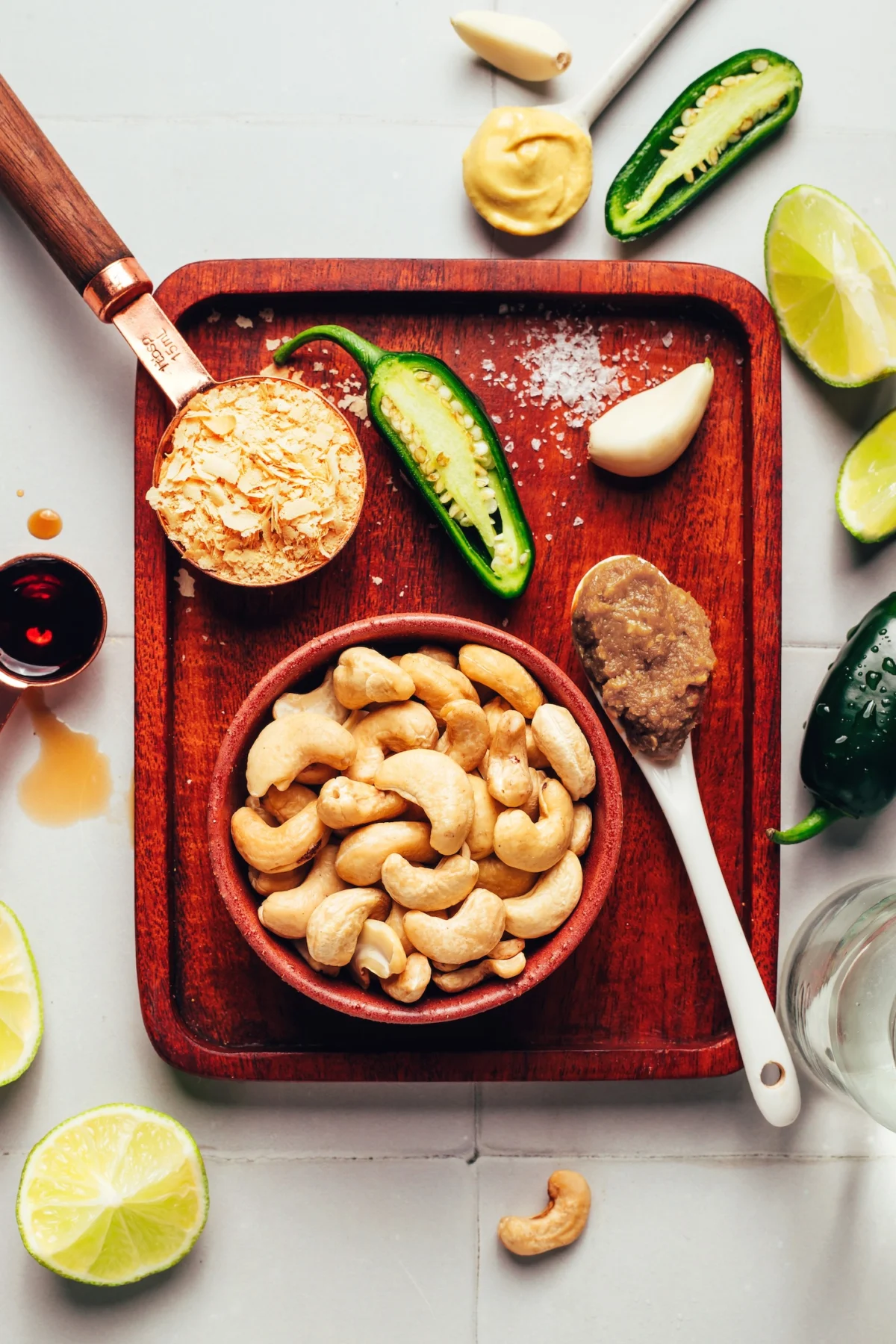
- Ingredient Assembly: The process begins with the gathering of raw cashews, water, lime juice, nutritional yeast, miso paste, Dijon mustard, maple syrup, sea salt, garlic, and jalapeños.
- Blending Phase: All components are added to a high-speed blender. The instruction specifies a blending duration of one to two minutes. This duration is calculated to ensure the complete breakdown of the cashew fibers into a homogenous fluid.
- Troubleshooting and Refinement: If the desired creaminess is not achieved, culinary experts suggest two primary interventions: increasing the volume of ingredients to ensure the blender blades are fully submerged, or pre-soaking the cashews in hot water for 15 minutes to soften the outer membranes.
- Storage: The final product is designed for immediate use or short-term refrigeration. Due to the absence of artificial preservatives, the dressing has a shelf life of five to seven days when stored in an airtight container at 40°F (4°C) or below. It is notably not recommended for freezing, as the emulsion may break during the thawing process.
Nutritional Data and Health Implications
A comparative analysis between this cashew-based dressing and a standard store-bought Ranch dressing reveals significant differences in ingredient quality and caloric density. While a typical commercial Ranch might contain 140 calories and 14 grams of fat per serving—often derived from soybean oil and egg yolks—the Cheesy Jalapeño Cashew Dressing offers a 50% reduction in calories and a 65% reduction in total fat.
The inclusion of Dijon mustard and garlic serves not only as a flavor enhancer but also as a source of phytochemicals. Garlic contains allicin, which has been linked to anti-inflammatory effects. The maple syrup, used sparingly (contributing to only 1.2 grams of sugar per serving), acts as a flavor balancer to mitigate the bitterness of the garlic and the heat of the pepper, following the classical culinary principle of balancing salt, fat, acid, and heat.
From a dietary restriction standpoint, the dressing is inherently gluten-free and vegan, making it suitable for a wide range of therapeutic diets, including those managed for lactose intolerance, egg allergies, or celiac disease. However, the use of cashews makes it unsuitable for individuals with tree nut allergies. Industry experts suggest that for a nut-free alternative, a combination of raw sunflower seeds and hemp hearts could be substituted, though this would alter the micronutrient profile and potentially require more aggressive blending to reach the same level of smoothness.

Market Context and Consumer Reception
The release of this recipe by platforms like Minimalist Baker highlights the power of digital food media in shaping domestic consumption patterns. Minimalist Baker, founded by Dana Shultz, has built a massive following by adhering to a strict "three-rule" philosophy: recipes must either require 10 ingredients or fewer, take 30 minutes or less to prepare, or use just one bowl or pot. This "Cheesy Jalapeño Cashew Dressing" fits perfectly within this framework, meeting all three criteria.
Initial reactions from the culinary community suggest that the dressing’s versatility is its primary selling point. It is being positioned not just as a salad topper but as a multi-functional condiment. Suggested applications include:
- As a Dip: Serving as a companion to "Crispy Breaded Cauliflower Wings," a popular vegan alternative to buffalo chicken.
- As a Spread: Enhancing the moisture profile of "Chickpea Shawarma Sandwiches."
- As a Bowl Component: Integrating into "Vegan Sweet Potato Chickpea Taco Salads," where the acidity of the lime and the heat of the jalapeño complement the starchiness of the tubers.
Broader Environmental and Economic Impact
The shift toward homemade nut-based dressings also carries environmental implications. Commercial dressings are often packaged in single-use plastic bottles and require refrigerated supply chains that contribute to a larger carbon footprint. By producing dressings at home using bulk-purchased staples like raw cashews and miso, consumers can significantly reduce packaging waste.

Furthermore, there is an economic argument for the transition to homemade condiments. While raw cashews can be expensive per pound, the cost per serving of a homemade dressing is often lower than that of high-end, organic, plant-based dressings found in specialty grocery stores, which can retail for $7.00 to $9.00 per 8-ounce bottle. The ability to control the quality of ingredients—avoiding "natural flavors," gums, and excessive sodium—adds a value-added health benefit that is difficult to quantify but highly prized by the modern "wellness-oriented" consumer.
Conclusion
Cheesy Jalapeño Cashew Dressing is more than a simple condiment; it is a reflection of the current state of plant-based gastronomy. It combines the efficiency of modern kitchen technology with the nutritional principles of whole-food eating. As consumers continue to scrutinize ingredient labels and seek out flavors that offer both heat and heartiness, such recipes are likely to become staples of the contemporary pantry. The balance of creamy cashews, savory miso, and piquant jalapeño demonstrates that the removal of dairy does not necessitate the removal of indulgence, provided one understands the chemistry of the ingredients involved.