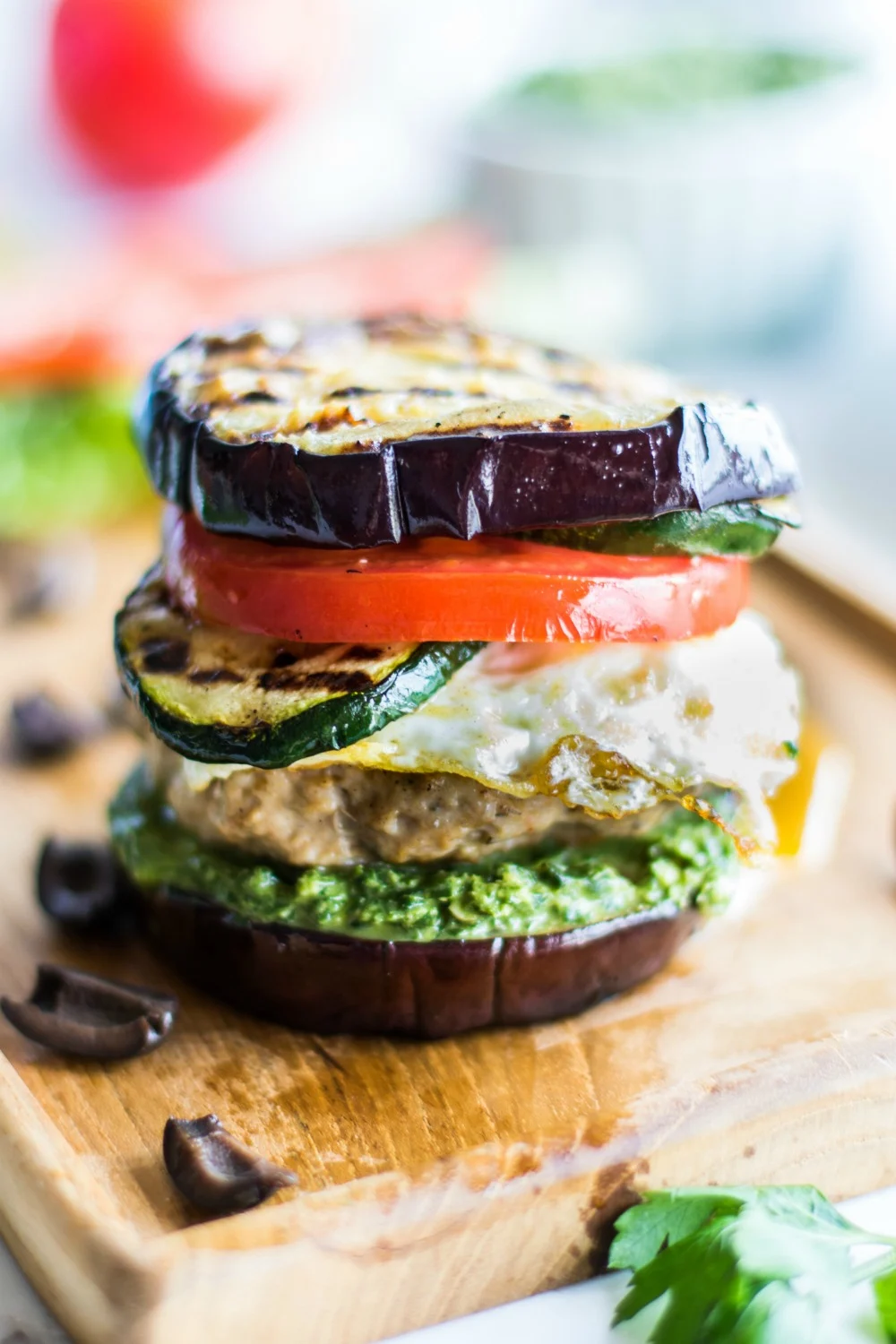

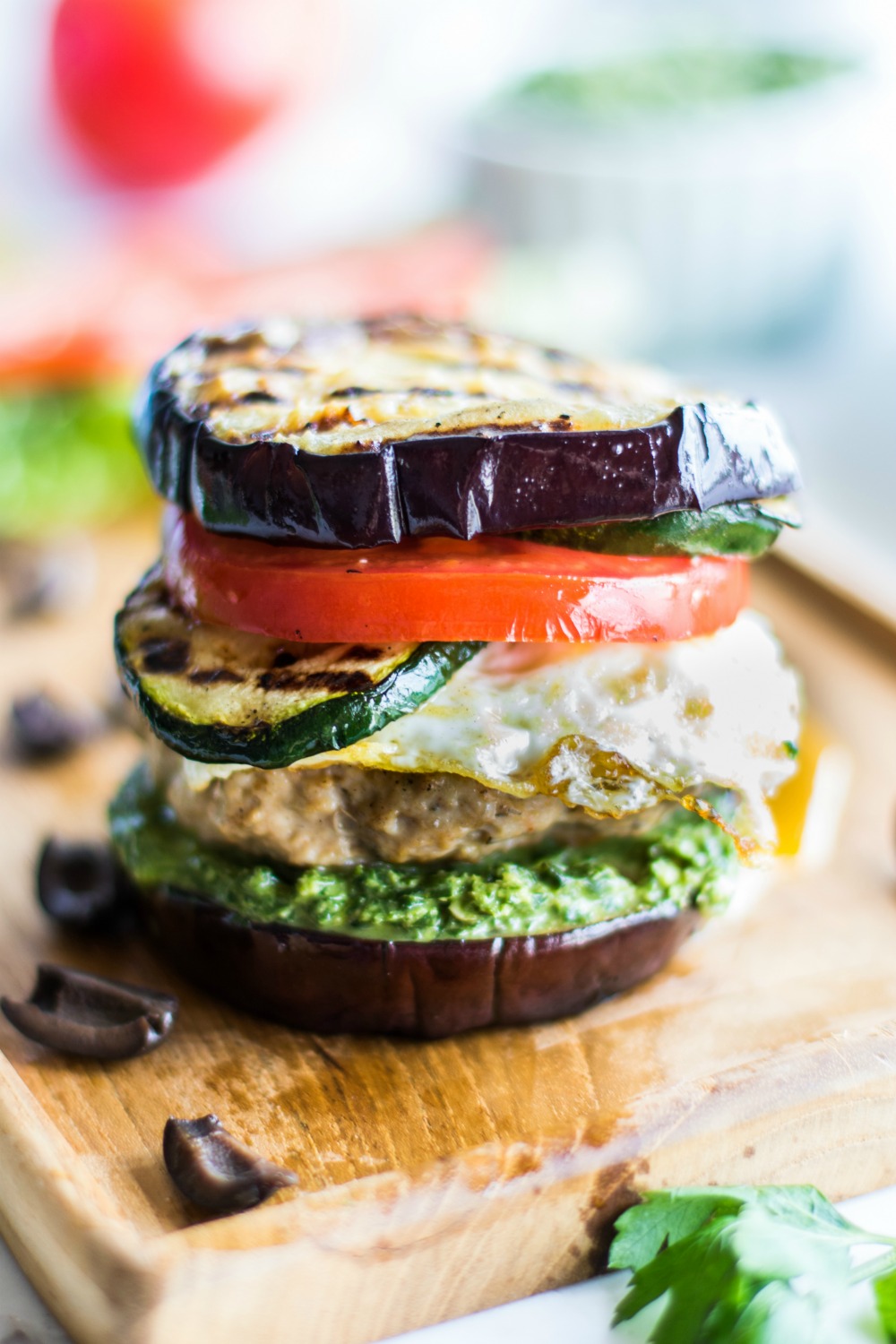
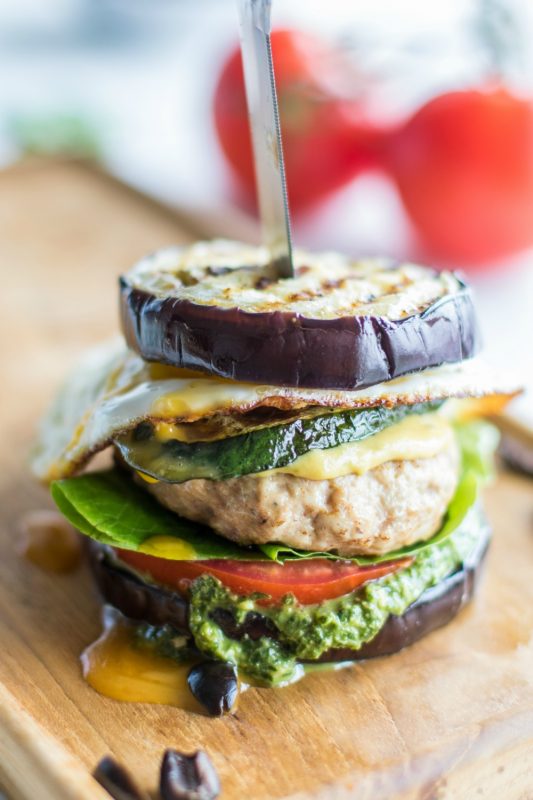
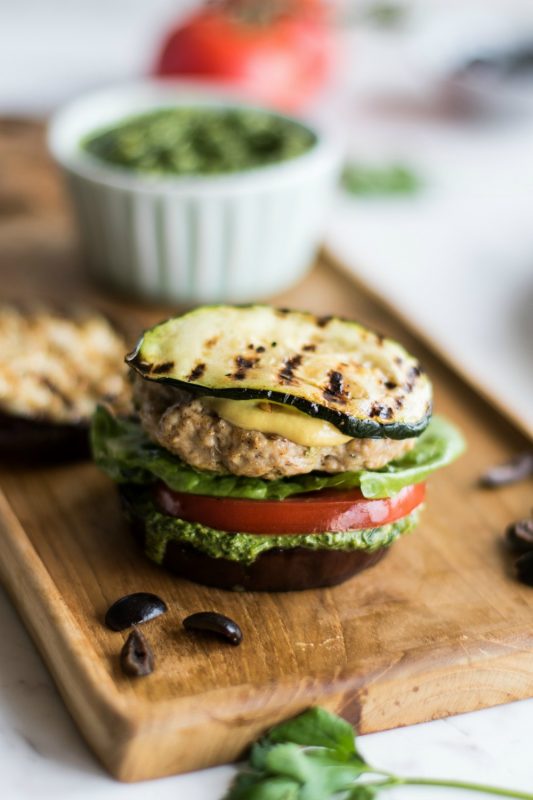
In the evolving landscape of modern nutrition, the concept of "meal prep" has shifted from a mere convenience hack to a sophisticated strategy for health management. Among the most popular iterations of this practice is the Whole30 Pork Burger Meal Prep, a culinary model that prioritizes nutrient density and the elimination of inflammatory ingredients. By replacing traditional, processed buns with nutrient-rich grilled eggplant rounds and utilizing a house-made, dairy-free pesto, this meal prep solution serves as an effective blueprint for individuals adhering to keto, paleo, and Whole30 dietary protocols. This approach to meal preparation minimizes food waste, reduces reliance on ultra-processed convenience foods, and ensures that high-quality, whole-food nutrition remains accessible throughout a demanding work week.
The Nutritional Framework of Whole30 and Keto Diets
The dietary requirements of Whole30 and keto programs are rooted in the reduction of added sugars, grains, legumes, and dairy. A standard burger typically relies on a wheat-based bun and often includes processed cheese, both of which are excluded from these restrictive diets. The Pork Burger Meal Prep addresses these limitations by leveraging the natural structure of eggplant, a nightshade vegetable known for its fiber content and antioxidant profile.
By substituting the bread bun with grilled eggplant, the carbohydrate profile of the meal is significantly reduced, aligning with the metabolic requirements of a ketogenic diet. Furthermore, the inclusion of lean ground pork—a high-quality source of complete protein and essential B vitamins—provides the necessary amino acids for muscle recovery and metabolic function. The addition of fresh vegetables, such as zucchini, tomato, and lettuce, introduces micronutrients and dietary fiber, which are essential for digestive health. According to nutritional analysis, each serving of this meal provides approximately 39 grams of protein, 10.8 grams of carbohydrates, and 45 grams of healthy fats, totaling roughly 603 calories per meal.
Chronology of Preparation and Implementation
Effective meal preparation follows a systematic workflow to ensure food safety and quality preservation. The process is typically broken down into four distinct phases: ingredient sourcing, component preparation, thermal processing, and cold-chain storage.
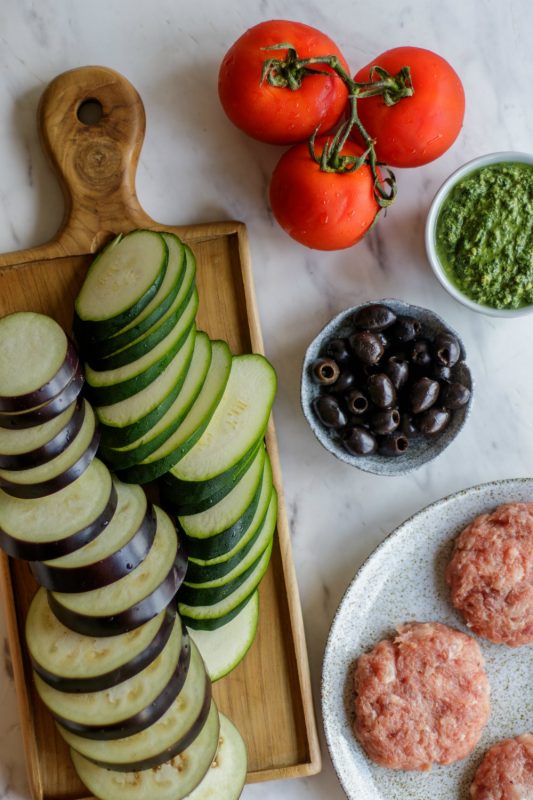
- Phase 1: Procurement and Mise en Place (Time: 20 minutes): Success begins with high-quality sourcing. Ingredients include ground pork, fresh basil, walnuts, garlic, extra virgin olive oil, eggplant, zucchini, and tomatoes. The preparation of the pesto—a blend of basil, oil, lemon juice, walnuts, and garlic—serves as the primary flavor agent, providing healthy monounsaturated fats.
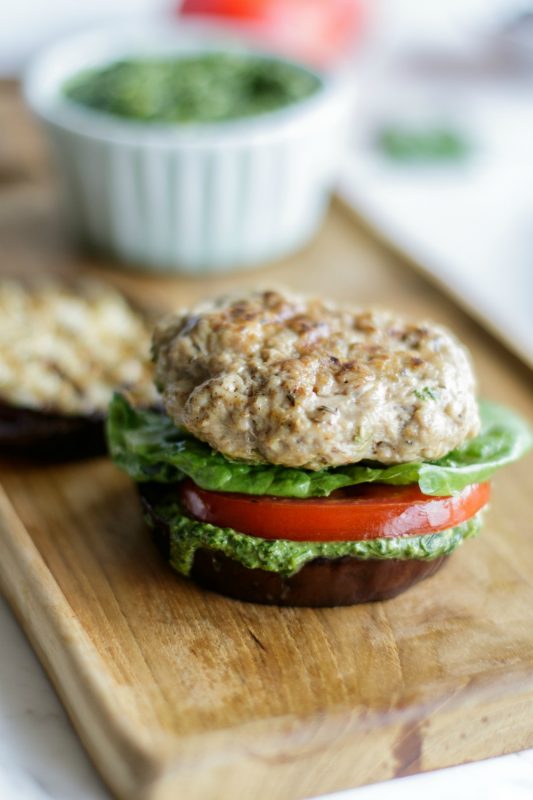
- Phase 2: Thermal Processing (Time: 20 minutes): The pork is seasoned with a specific dry rub—typically sea salt, thyme, paprika, and black pepper—to avoid the hidden sugars often found in pre-packaged spice blends. The patties are grilled or pan-seared to an internal temperature of 160°F (71°C) to ensure food safety. Simultaneously, the eggplant and zucchini are grilled until tender but firm enough to retain structural integrity.
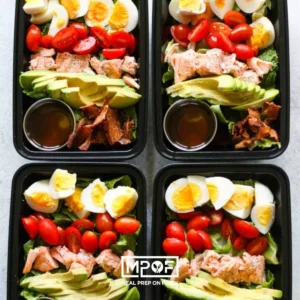
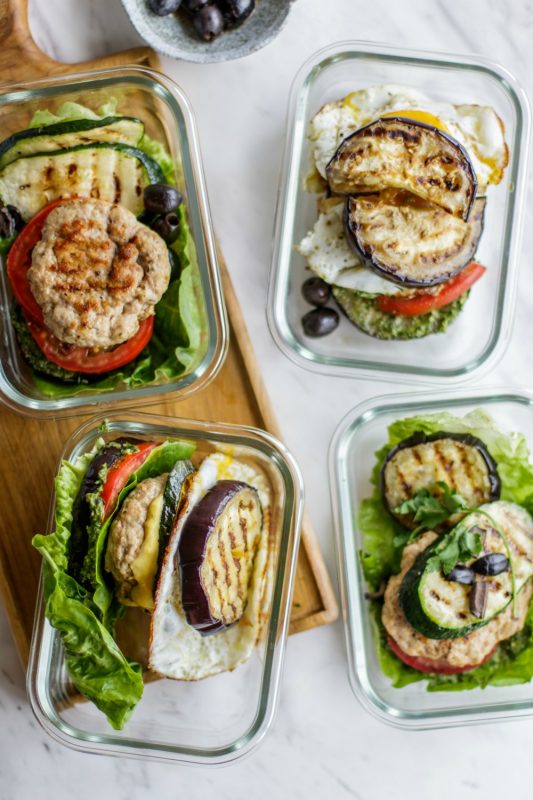
- Phase 3: Stabilization of Components: A critical aspect of the Whole30 preparation is the handling of eggs. While culinary preference often dictates a soft or runny yolk, food safety standards for multi-day meal storage mandate that eggs be fully cooked. This prevents potential bacterial proliferation and avoids the discoloration that often occurs when soft-boiled or undercooked eggs are reheated in a microwave environment.
- Phase 4: Storage and Assembly: The final assembly is best managed by keeping "wet" and "dry" components separate. Storing the pesto in a secondary, airtight container prevents it from softening the vegetables prematurely.
Data-Driven Insights on Food Preservation
Maintaining the quality of meal-prepped food over a 72-to-96-hour window requires an understanding of water activity and shelf life. Grilled eggplant, due to its high water content, generally maintains optimal texture for up to three days under refrigerated conditions at or below 40°F (4°C). After this threshold, the cell walls of the vegetable may begin to break down, resulting in a loss of texture.
Data from food science studies on meal prep suggest that the "separation method"—keeping delicate produce like lettuce and tomatoes away from heat-retaining proteins—extends the palatable shelf life of the dish by up to 24 hours. For individuals requiring a four-day meal window, culinary experts recommend utilizing fresh, raw leaves or heartier cruciferous vegetables as a secondary wrapper, as these materials exhibit greater structural resilience than grilled alternatives.
Implications for Public Health and Dietary Consistency
The broader implications of adopting such meal prep systems are significant. In an era where food-related lifestyle diseases, such as Type 2 diabetes and metabolic syndrome, are on the rise, the ability to control ingredient sourcing through batch cooking is a powerful tool for public health. By standardizing one’s intake through disciplined meal preparation, individuals can effectively mitigate the "decision fatigue" that often leads to the consumption of highly processed, nutrient-poor foods during busy workdays.
Experts in behavioral nutrition note that "the barrier to entry for healthy eating is often the effort required to make healthy choices." By front-loading the labor—spending 40 minutes on a weekend to prepare four days of lunches—the friction associated with healthy eating is eliminated. This is consistent with findings in behavioral psychology, which suggest that habit formation is significantly more successful when the environment is "designed" to support the desired behavior.
Official Guidelines and Regulatory Perspectives
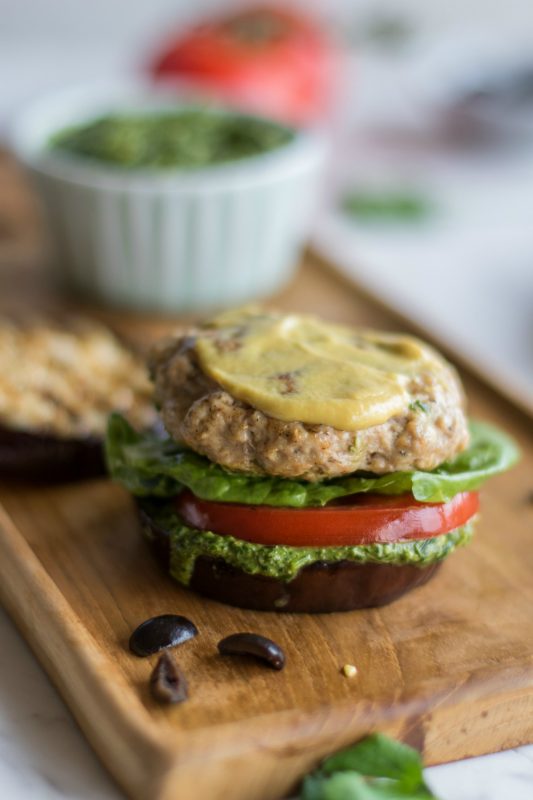
While the Whole30 and keto protocols are not government-mandated, they are recognized as structured elimination diets that have gained substantial traction in the clinical and nutritional communities. The primary recommendation from nutritionists regarding these diets is to maintain a balance of macronutrients and to remain vigilant about hidden ingredients. For example, store-bought mustards or pre-mixed spice blends often contain fillers, soy-based oils, or added sugars, which are technically prohibited under the strict guidelines of these programs.
Regulatory bodies such as the FDA and the USDA emphasize that regardless of the diet chosen, the fundamental principles of food safety remain paramount. This includes the "two-hour rule"—perishable foods should not be left at room temperature for more than two hours—and the importance of proper reheating. Reheating proteins, such as pork, should always be done to a uniform temperature of 165°F (74°C) to ensure the elimination of potential pathogens.
Sustaining the Model: Scalability and Flexibility
The longevity of a meal prep routine is often dependent on its flexibility. Rigid, monotonous meal plans often lead to "dietary burnout," where individuals abandon their nutritional goals due to lack of variety. The Pork Burger Meal Prep model is designed to be a framework rather than an unchangeable script.
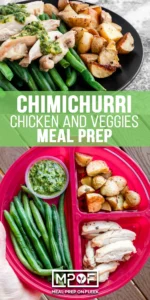
For instance, the flavor profile can be easily modified by swapping the herb-heavy pesto for a spicy harissa or a chimichurri sauce, provided the ingredients remain compliant with the user’s specific dietary needs. Furthermore, the ability to scale the recipe—adjusting the portions from four to eight or twelve—demonstrates the scalability of the model for families or for those engaging in more intensive weekly planning.
Economic and Environmental Considerations
Beyond the physiological benefits, the economic impact of consistent meal prep is notable. By purchasing ingredients in bulk—such as large quantities of ground pork or seasonal vegetables—consumers can reduce their per-meal cost significantly compared to purchasing individual restaurant meals. Furthermore, the reduction of single-use plastic packaging and the minimization of food waste contribute to a more sustainable lifestyle.
In conclusion, the Whole30 Pork Burger Meal Prep serves as a functional intersection between modern nutritional science and practical life management. It offers a structured approach to meeting complex dietary requirements while providing the necessary flexibility to ensure long-term compliance. As the movement toward proactive health management continues to gain momentum, strategies like these will likely remain a cornerstone for individuals seeking to harmonize their demanding professional schedules with their personal wellness objectives. By treating meal preparation as an essential, data-informed practice, one can successfully navigate the challenges of modern eating, ensuring that nutrition is never sacrificed for the sake of convenience.