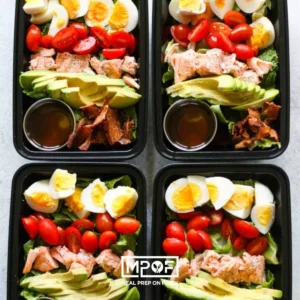

The transition from summer break to the academic calendar consistently triggers a significant shift in household logistics, with morning routines often descending into states of urgency and disorganization. As millions of students return to classrooms, the task of managing daily nutrition becomes a primary source of stress for parents and educators alike. Data from the U.S. Department of Agriculture (USDA) suggests that establishing structured meal preparation routines is not merely a convenience, but a critical component of food safety and nutritional health. Implementing a strategic approach to meal planning can mitigate the daily chaos, ensure consistent food safety, and support the cognitive demands of the school day.

The Evolution of School Lunch Logistics
Historically, the American school lunch model has undergone several shifts, moving from the implementation of the National School Lunch Program (NSLP) in 1946 to the current emphasis on individualized, home-packed meal preparation. In the modern era, the "meal prep" movement has migrated from the fitness industry into the domestic sphere, driven by a growing awareness of ingredient transparency and the rising cost of pre-packaged convenience foods.

A comprehensive review of the current landscape reveals that parents who engage in Sunday-based meal preparation report a 40% reduction in morning routine time. This chronological approach—dedicating specific blocks of time before the work week begins—allows for the standardization of nutritional intake. By organizing ingredients, cooking in batches, and utilizing proper storage technology, families are effectively moving away from reactive, last-minute food choices toward a proactive, managed system.
Data-Driven Food Safety Protocols
Beyond convenience, the professional consensus on school lunches emphasizes the necessity of rigorous food safety standards. The USDA has repeatedly noted that cross-contamination remains a leading cause of foodborne illness in domestic settings. According to recent studies, approximately 97% of individuals fail to adhere to the prescribed 20-second hand-washing requirement when preparing food. This lapse in hygiene, combined with improper temperature management, creates an environment where pathogens can proliferate.

To address these risks, the standard for school-aged nutrition involves a multi-layered defense strategy. Perishable items, particularly those containing proteins like poultry, eggs, or dairy, must be stored in environments below 40°F. The practical application of this in a school environment involves the use of high-quality, insulated lunch systems. Experts recommend the "two-source" cooling method: utilizing at least two frozen elements—such as ice packs or frozen juice boxes—to maintain a consistent internal temperature within the lunch bag until the midday meal is consumed.

Chronology of an Efficient Weekly Prep Cycle
The professional standard for successful meal prep involves a structured, three-phase chronology:
- Strategic Planning (Friday–Saturday): This phase involves auditing the pantry and reviewing the upcoming week’s schedule. By cross-referencing nutritional needs with a digital or physical calendar, parents can generate an efficient shopping list that prioritizes the store’s perimeter, where fresh produce and proteins are primarily located.
- Systematic Preparation (Sunday): Once the shopping is complete, the focus shifts to the "batching" of components. This includes the washing and portioning of fruits and vegetables, the cooking of protein sources, and the assembly of complex dishes such as pasta salads or breakfast burritos.
- Execution and Storage (Monday–Friday): The final phase involves the final assembly of the lunch box. Utilizing an insulated thermos for hot items requires a specific pre-heating technique: filling the container with boiling water for five minutes before introducing the food ensures the thermal mass remains high enough to stave off bacterial growth.
Implications for Educators and Working Parents
The impact of nutrition on academic performance is well-documented. Schools across the nation have noted that students who consume nutrient-dense, balanced meals exhibit higher levels of concentration and sustained energy throughout the afternoon. However, the burden of this preparation often falls on working parents and teachers who face their own time-management crises.

Educators, who frequently juggle rigid teaching schedules with administrative responsibilities, are increasingly turning to specialized meal plans designed for the "break room" environment. These solutions focus on "no-reheat" recipes and high-protein snacks that can be consumed in the brief intervals between instruction blocks. The move toward professionalized meal planning for adults in education is part of a broader trend of workplace wellness initiatives that prioritize sustained metabolic health.
Nutritional Trends and Menu Diversification
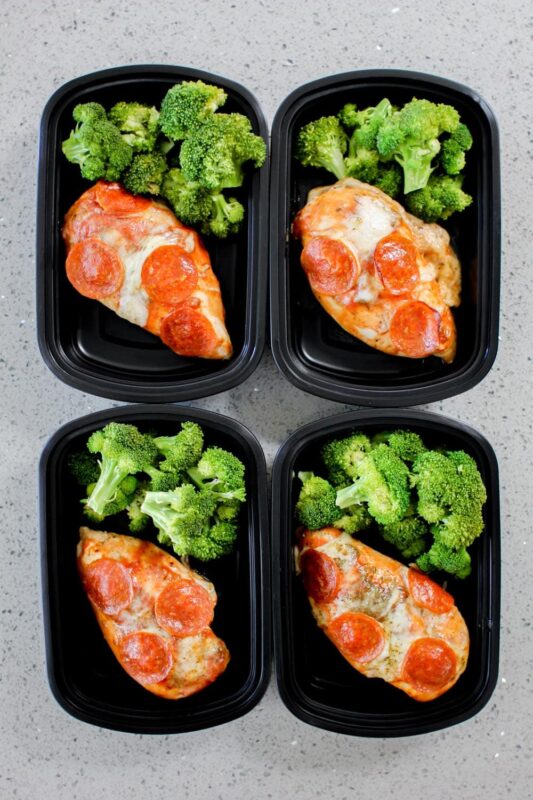
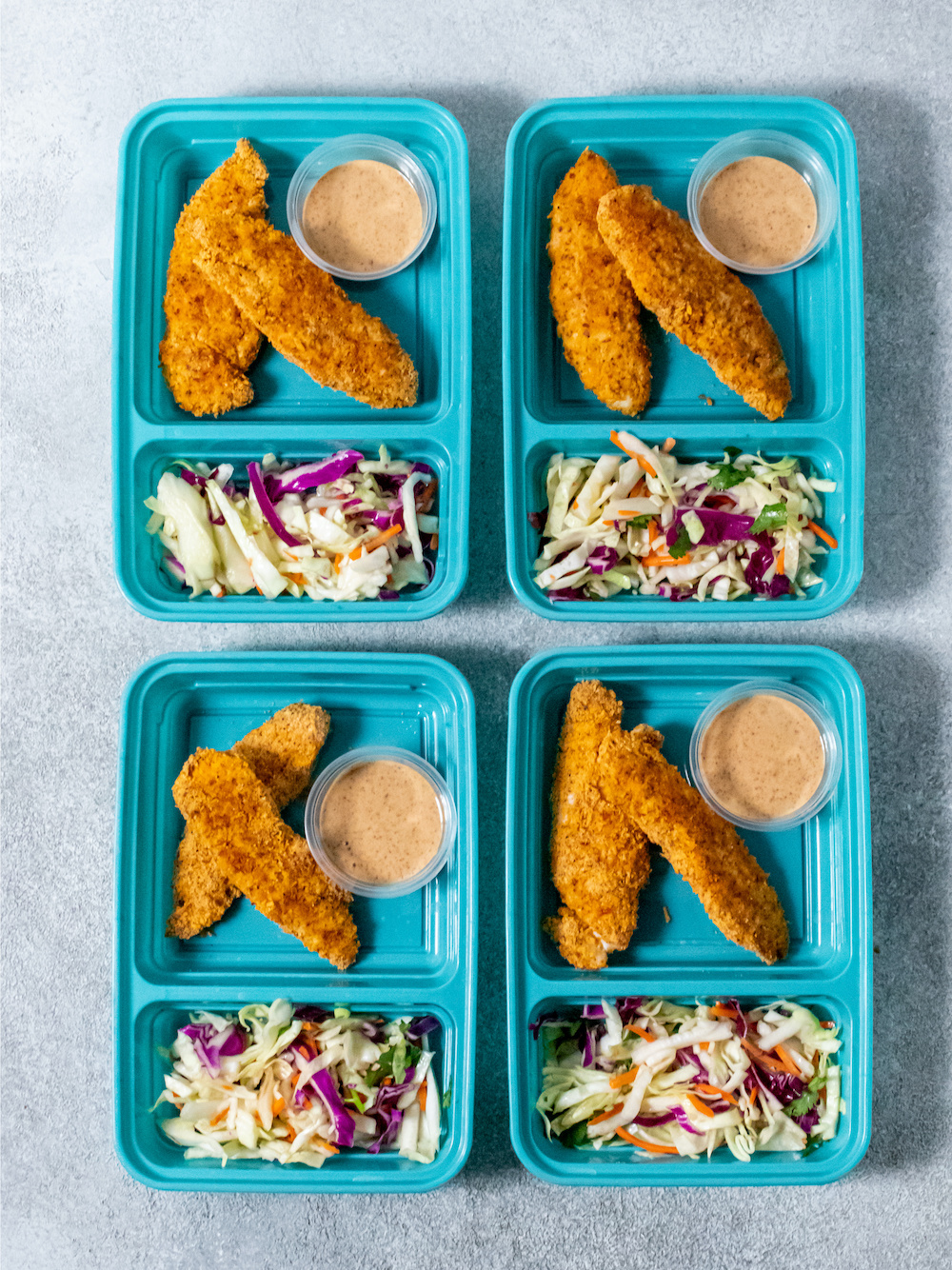
The current trend in school-aged nutrition emphasizes "deconstructed" meals, which provide versatility and appeal to children with varying sensory preferences. Popular preparations currently include:

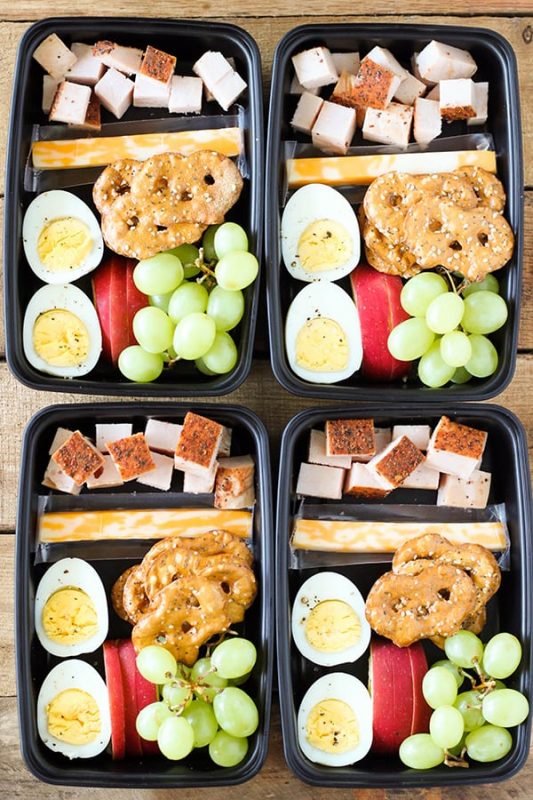
- Protein-Dense Boxes: Inspired by commercial bistro boxes, these include lean deli meats, hard-boiled eggs, cheese portions, and whole-grain crackers.
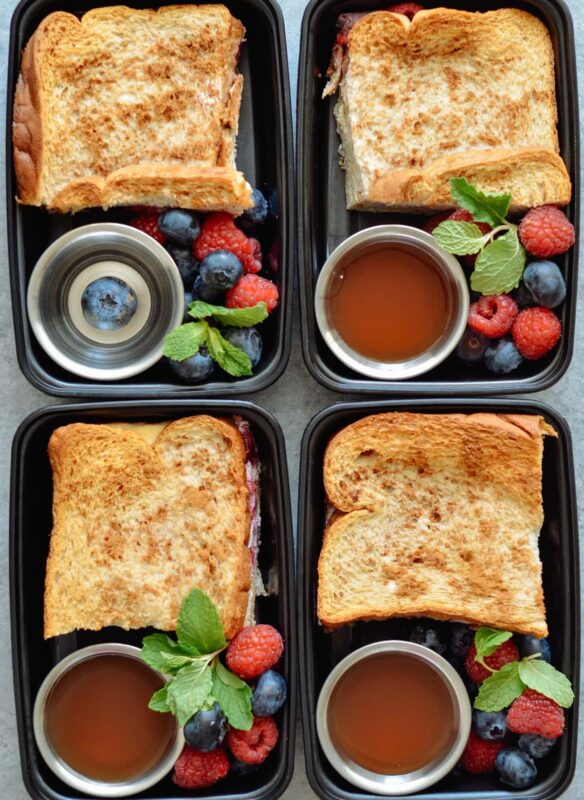
- Portable Breakfasts: Moving away from traditional sugary cereals, the focus has shifted to portable, shelf-stable, or refrigerated items like chocolate chip protein pancakes or "egg cups"—a combination of eggs, spinach, and cheese baked into muffin tins for easy portion control.
- Vegetable-Forward Snacks: Integrating dips such as beet or traditional chickpea hummus with raw vegetable sticks provides essential fiber and micronutrients that are often lacking in pre-packaged snack foods.
Addressing the Picky Eater Paradox
Child development experts suggest that involving children in the procurement and assembly process acts as a pedagogical tool. When children assist in selecting ingredients at the farmers market or grocery store, they are statistically more likely to consume the items provided. This "co-production" of meals reduces food waste and fosters an early understanding of dietary agency. Introducing new foods alongside "safe" or familiar items—a technique known as food chaining—is recommended as a strategy to expand a child’s palate without inducing mealtime anxiety.
Broader Societal Impact
The shift toward home-prepared, nutrient-conscious school meals has broader implications for public health. By reducing reliance on ultra-processed foods, families contribute to a decrease in the consumption of artificial additives, excess sodium, and refined sugars. Furthermore, the economic impact of efficient meal planning is significant. When households transition to a planned grocery model, they often see a decrease in food expenditure by avoiding the "convenience tax" associated with pre-packaged, single-serve school lunch products.

As the school year progresses, the reliance on these systems often wanes due to fatigue. However, consistent data suggests that maintaining the habit of even 30 minutes of preparation on a weekly basis is sufficient to sustain the benefits of the routine. The integration of technology—such as digital meal-planning apps and specialized storage containers—further simplifies the process, making it an accessible strategy for families regardless of their existing culinary proficiency.

Conclusion
The challenge of providing consistent, safe, and nutritious meals during the academic year is a logistical hurdle that requires both preparation and discipline. By adhering to established food safety protocols, engaging in early-week planning, and focusing on a variety of whole-food ingredients, families and educators can significantly improve the quality of their daily intake. Whether utilizing an insulated thermos for a warm lunch or assembling a protein-rich snack box, the shift toward proactive meal management remains one of the most effective ways to navigate the complexities of the modern school schedule. As the academic year continues to evolve, those who treat meal preparation as a fundamental component of their weekly workflow are best positioned to maintain both physical health and operational efficiency.