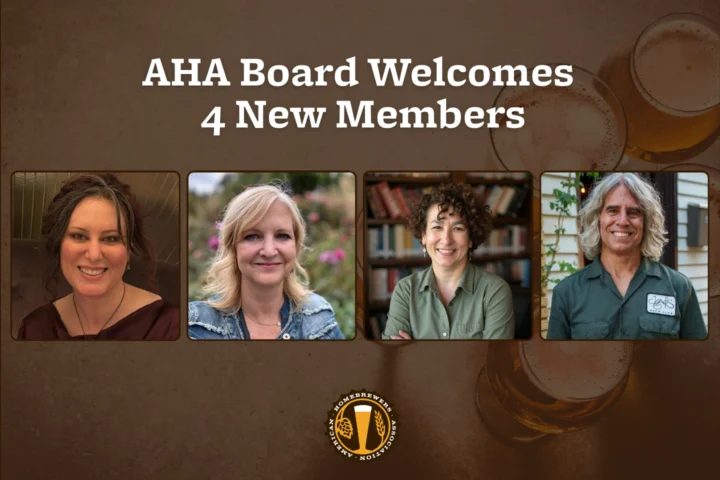

The American Homebrewers Association has officially concluded a monumental chapter in its nearly five-decade history by announcing the results of its historic first independent board election. Following a competitive nomination and voting process held throughout March, the organization welcomed four newly elected leaders to its Board of Directors. This milestone arrives during a pivotal transitional era for the association, which recently completed its structural reorganization to operate independently as a dual 501(c)(6) membership organization and 501(c)(3) supporting entity known as the A-HA Foundation.
The newly elected board members—Jen Blair, Stephanie Butler, Jen Pereira, and Jeff Whelpley—emerged from a highly qualified slate of ten candidates. That group itself was meticulously vetted and selected from an initial pool of twenty-eight nominees representing the breadth and diversity of the American homebrewing community. The successful candidates will each serve a three-year term, stepping into their roles alongside returning board members Shawna Cormier, Drew Beechum, and Gregory Roskopf.
Official seating of the newly constituted board will take place on June 20, 2026, during the annual membership meeting in Asheville, North Carolina. The event coincides with Homebrew Con, the association’s flagship annual gathering that brings together thousands of enthusiasts, commercial brewers, and industry experts to celebrate the craft of fermentation.
The Significance of Independence
To fully appreciate the weight of this election, one must examine the institutional evolution of the American Homebrewers Association. Founded in 1978 by Charlie Papazian, the AHA spent decades operating under the umbrella of the Brewers Association, serving as the premier national voice for hobbyist brewers, recipe developers, and local brewing clubs across North America. Over the years, the organization expanded its footprint through educational initiatives, legislative advocacy, the publication of Zymurgy magazine, and the administration of the prestigious National Homebrew Competition.
As the craft beverage landscape matured, leadership recognized the strategic advantages of establishing independent operational structures to better serve the distinct needs of amateur brewers separate from commercial interests. This realization catalyzed the multi-year process of transitioning the AHA into a newly independent 501(c)(6) trade and membership organization, paired with a 501(c)(3) philanthropic arm. Achieving this structural autonomy required careful legal restructuring, financial decoupling, and the establishment of independent governance frameworks—culminating in the appointment of a Founding Board tasked with steering the organization through its formative years of self-determination.
The March 2026 election represents the culmination of that foundational phase. By shifting from appointed founding leadership to a democratic, member-elected governance model, the AHA has cemented its commitment to grassroots representation and member-driven stewardship.
The Transition of Leadership
While the organization looks eagerly toward its future, current leadership has taken deliberate steps to honor the architects of its recent autonomy. The conclusion of this election cycle marks the departure of Founding Board members Sandy Cockerham and Gary Glass. Both individuals played instrumental roles in navigating the complex legal, financial, and cultural hurdles associated with the association’s separation and subsequent reorganization.
AHA Board Chair Shawna Cormier emphasized the profound debt of gratitude owed to the departing directors. The tireless efforts of Cockerham, Glass, and their fellow founding members laid a sturdy bedrock upon which the modern, independent association now stands. Their visionary guidance ensured that the organization retained its core cultural values—community, education, joy, and volunteerism—while modernizing its administrative capabilities to meet the demands of the twenty-first century.
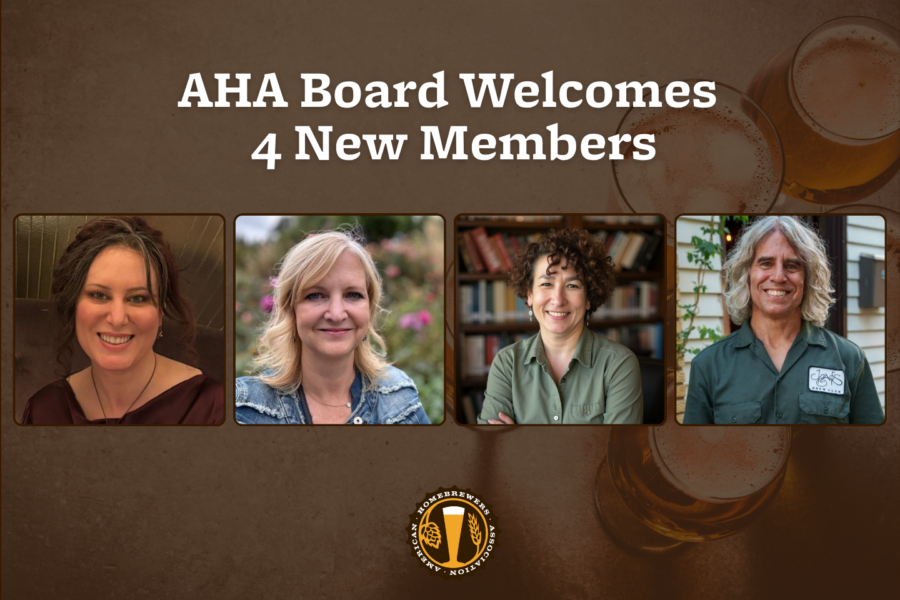
With the departure of the founding directors, the incoming board inherits an institution uniquely primed for expansion. Cormier expressed immense optimism regarding the capabilities of the newly elected cohort, noting that their combined expertise will be vital in executing the association’s long-term strategic vision.
Profiles of Incoming Leadership
The newly elected board members bring a diverse array of professional backgrounds, community leadership experience, and passion for the craft to their governance roles.
Jen Blair steps onto the board with a deep-rooted history in community organizing and homebrewing education. Her advocacy for inclusive brewing spaces and regional club development has made her a respected voice within the national hobbyist network.
Stephanie Butler brings extensive strategic planning and organizational management experience to the table. Her analytical approach to association governance is expected to bolster the AHA’s operational resilience as it navigates its new status as a dual-tax-exempt entity.
Jen Pereira joins the leadership team with a robust background in communications and member engagement. Her insights into digital community-building will prove invaluable as the association seeks to expand its reach among younger demographics and emerging homebrewing cohorts.
Jeff Whelpley completes the quartet of incoming directors, bringing technical expertise and a lifelong dedication to the craft of fermentation. Whelpley’s involvement in competitive homebrewing and technical judging circuits provides the board with vital perspective regarding the administration of national competitions and educational resources.
Together with continuing members Shawna Cormier, Drew Beechum, and Gregory Roskopf, this governance team will oversee the strategic direction, financial stewardship, and programmatic execution of the association over the next triennium.
The Asheville Gathering and Future Outlook
The formal transition of power in Asheville, North Carolina, serves as more than a ceremonial milestone; it acts as a launchpad for the association’s next strategic phase. Homebrew Con 2026 is projected to draw enthusiasts from all fifty states and numerous international territories, providing an ideal backdrop for the new board to outline its operational priorities.
Central to the association’s mission moving forward is the realization of a guiding vision articulated by Board Chair Cormier: achieving "a homebrewer in every neighborhood and a homebrew club in every community." To translate this ambitious objective into tangible reality, the AHA relies heavily on its decentralized network of local clubs, regional competitions, and dedicated volunteers.
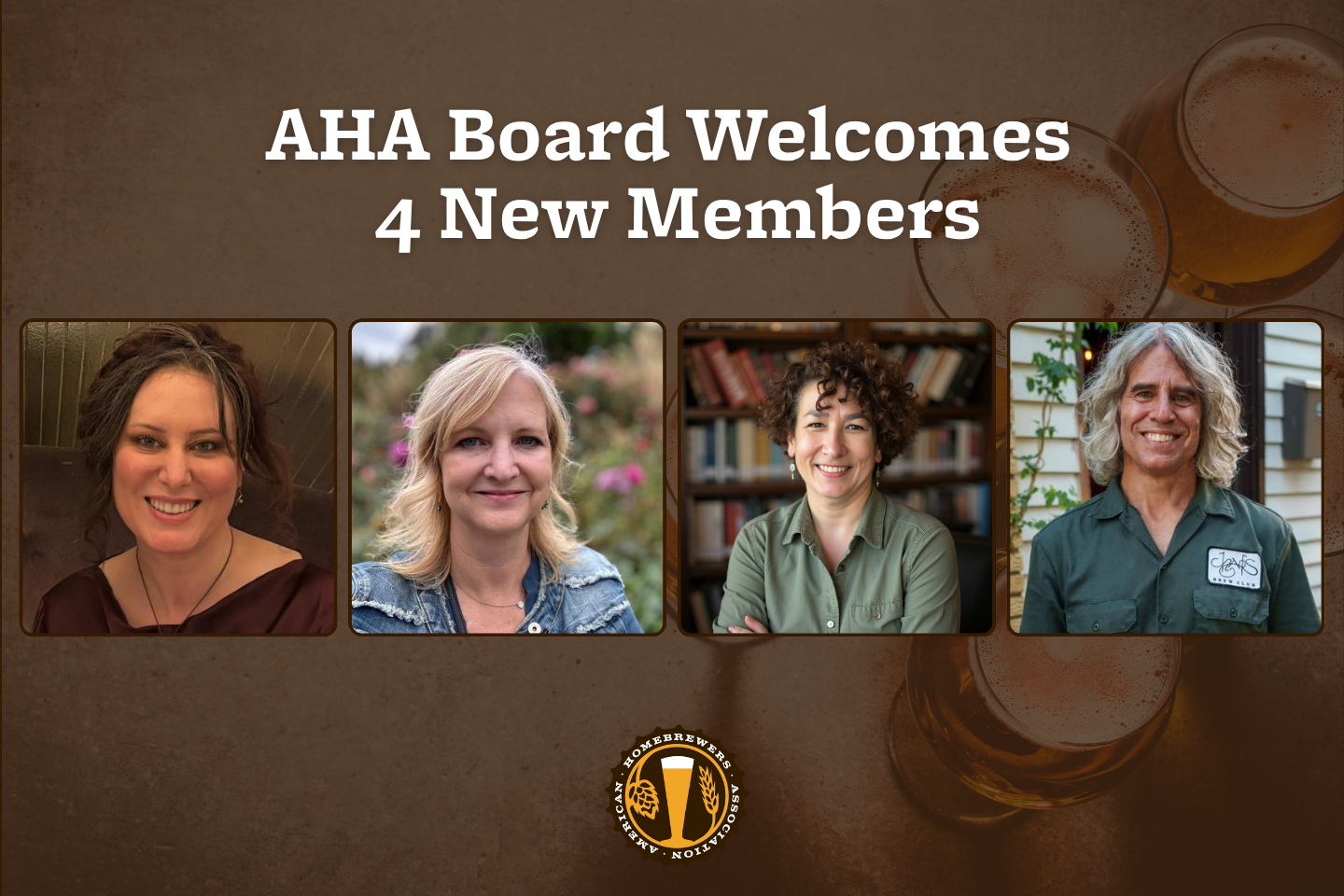
The dual operational model—utilizing a 501(c)(6) framework for member advocacy, commercial partnerships, and member benefits, alongside a 501(c)(3) structure through the A-HA Foundation for educational grants, historical preservation, and public outreach—provides the organization with diversified revenue streams. This financial architecture enhances the AHA’s capacity to weather economic fluctuations while expanding public access to brewing education.
Broader Industry Implications
The successful transition of the American Homebrewers Association into an independent entity holds broader significance for the broader fermented beverage sector. In an era where corporate consolidation frequently threatens grassroots hobbyist organizations, the AHA’s successful assertion of independence demonstrates the viability and strength of member-owned models.
By maintaining structural separation from commercial manufacturing interests while retaining deep cooperative ties to the broader craft beer industry, the AHA occupies a unique space. It acts as an incubator for future commercial brewers while simultaneously honoring homebrewing as a deeply rewarding, self-contained culinary art form.
Economic analyses of the craft beverage sector consistently highlight homebrewing as a vital pipeline for culinary innovation. Many of today’s most celebrated independent craft breweries trace their origins back to garage setups, five-gallon kettles, and kitchen counter experiments fostered by local AHA chapters. By safeguarding the resources, recipes, and community networks necessary for amateur experimentation, the association directly fuels the wider craft beverage economy.
Furthermore, the implementation of a transparent, democratic election process sets a high standard for governance transparency within enthusiast-driven non-profits. The meticulous candidate screening process—winnowing twenty-eight applicants down to ten finalists before putting the final choice directly into the hands of the membership—ensures that board members possess both the technical competence and the mandate required to lead effectively.
Looking Ahead: Committees, Membership, and Engagement
As the June annual meeting approaches, the focus within the association shifts toward committee restructuring and operational integration. Members interested in contributing to the governance and programming of the association are encouraged to explore various volunteer opportunities across the AHA’s specialized committees, ranging from competition oversight to educational curriculum development.
For nearly fifty years, the American Homebrewers Association has served as the definitive anchor for the North American homebrewing community. From its foundational days under the guidance of early pioneers to its modern incarnation as an independent 501(c)(6) and 501(c)(3) hybrid organization, the association has continually adapted to the needs of its constituents.
With a newly seated board of directors, a clear strategic vision, and an engaged global membership base, the AHA stands well-positioned to navigate the future. As Jen Blair, Stephanie Butler, Jen Pereira, and Jeff Whelpley assume their governance duties in Asheville this June, they do so with the mandate to preserve the rich traditions of the craft while steering the association toward sustainable, community-driven growth for generations to come.