The Rise of Bento-Style Meal Optimization
The bento box concept, rooted in historical Japanese traditions of portion-controlled, aesthetically balanced meals, has gained significant traction in Western nutrition planning over the last decade. Modern iterations of this practice focus on the "assembly-line" approach to nutrition, where individual components are pre-portioned to maximize caloric efficiency and minimize the daily cognitive load associated with meal decision-making.
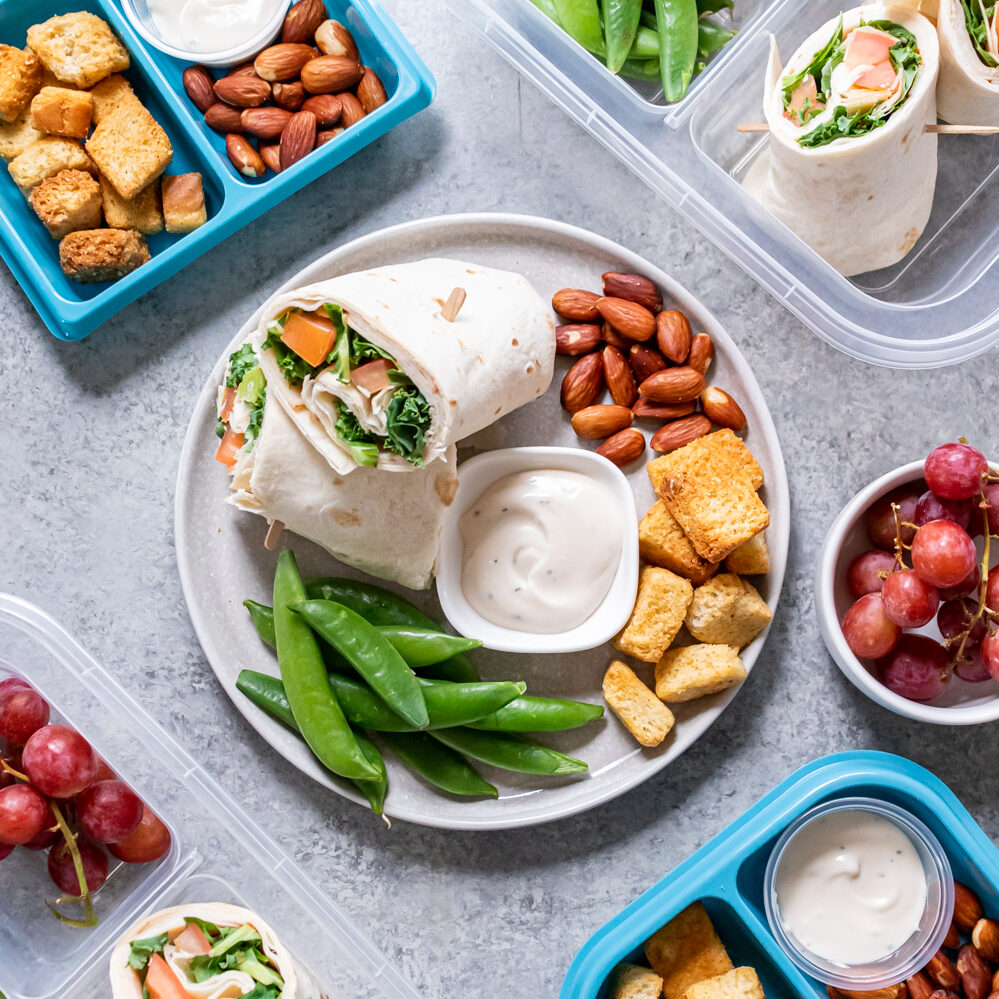
Industry data suggests that the "no-cook" meal segment is experiencing a compound annual growth rate driven by a demographic of working parents and students who prioritize high-protein, fiber-rich intake without the time investment of traditional heat-based cooking methods. By utilizing pre-cooked proteins, such as rotisserie-style chicken or deli-cut poultry, consumers can construct a nutritionally balanced lunch—incorporating lipids, complex carbohydrates, and essential micronutrients—in under 15 minutes.
Structural Composition of the Modern Lunch Box
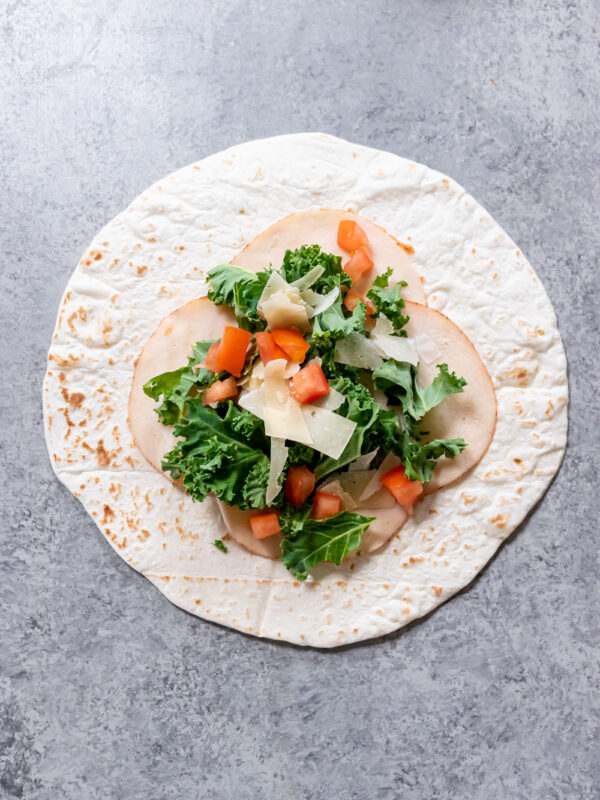
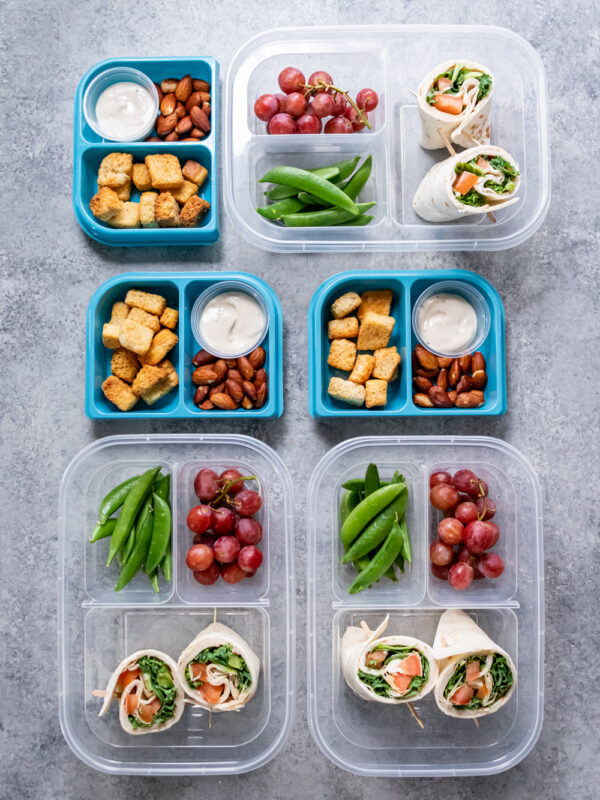
The standard Chicken Caesar Wrap Bento Box is architecturally designed to sustain freshness over a 72-hour period. The central component consists of a flour or whole-grain tortilla, which acts as a barrier for moisture-sensitive ingredients. Culinary experts recommend a strategic layering process: placing the protein and cheese in direct contact with the tortilla, while reserving the salad greens—typically romaine or kale—to prevent premature wilting.
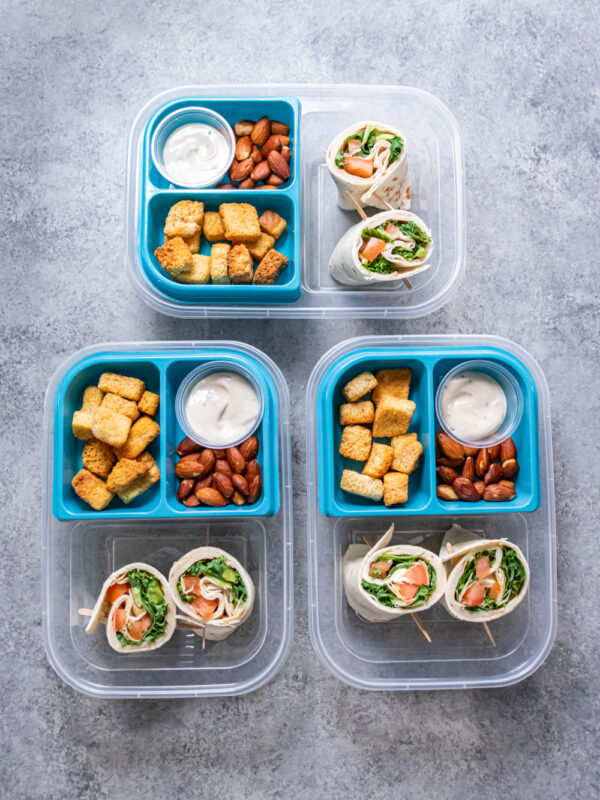
Crucially, the success of this meal prep method relies on the separation of the Caesar dressing. Emulsified dressings, when applied prematurely, initiate osmotic pressure that degrades the structural integrity of the lettuce and tortilla. By utilizing individual portion containers for the dressing, the consumer maintains the crispness of the meal until the moment of consumption.
Nutritional Profile and Dietary Implications
A balanced Chicken Caesar Bento Box, when calculated for a standard adult serving, averages approximately 520 calories. The macronutrient distribution is generally weighted toward a moderate-protein, moderate-fat profile:
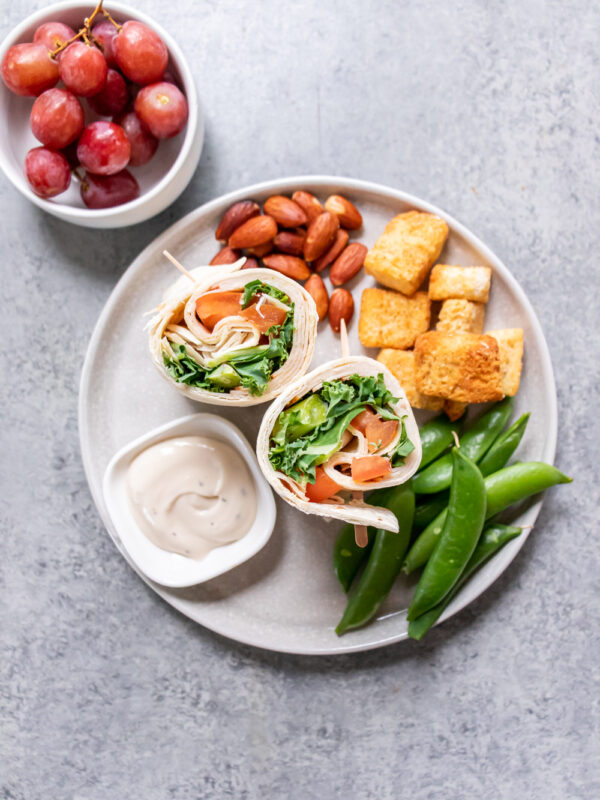
- Protein (24g): Primarily sourced from the chicken and cheese, essential for muscle maintenance and satiety.
- Carbohydrates (62g): Derived from the tortilla, croutons, and fruit sides, providing sustained glucose release.
- Dietary Fiber (11g): Sourced from fresh vegetable sides like snap peas and the greens within the wrap, aiding in digestive regulation.
- Fats (22g): Primarily monounsaturated fats from accompanying sides like almonds, which contribute to heart health.
The inclusion of sides such as grapes, snap peas, and almonds is not merely for flavor profile enhancement but serves to round out the nutritional density. The high fiber content in raw vegetables and nuts helps mitigate the glycemic spike often associated with processed flour products.
Strategic Meal Prep: A Chronological Framework
To achieve the maximum shelf-life and quality, the preparation of these boxes follows a strict chronological protocol.
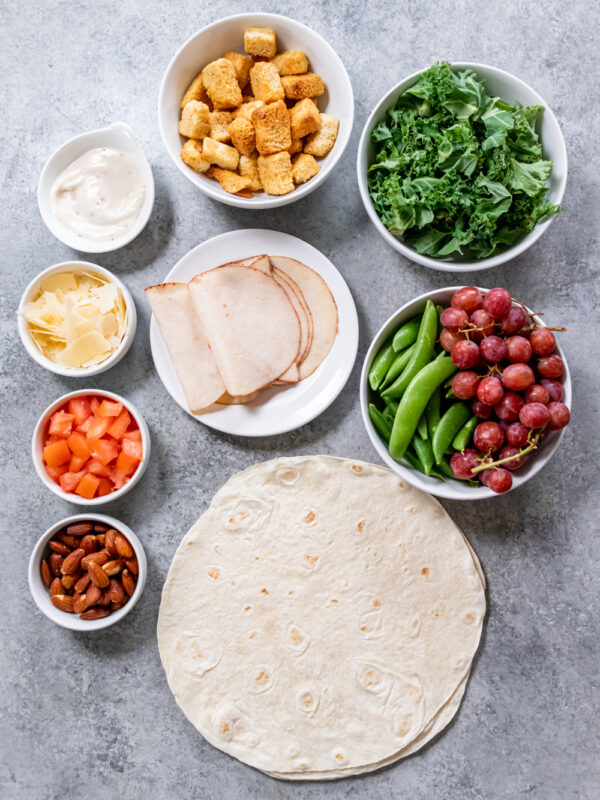
- Preparation Phase (T-minus 15 minutes): The process begins with the sterilization of containers and the organization of raw ingredients.
- Assembly Phase: The wraps are rolled tightly. Tight assembly is a technical requirement to prevent air exposure, which accelerates oxidation and spoilage.
- Storage Phase: The finished boxes must be stored at or below 40°F (4°C). The inclusion of cold-chain technology, such as reusable ice packs in insulated lunch bags, is strongly advised for those commuting to school or office environments.
- Consumption Phase: The shelf-life of these assembled units is clinically estimated at three days. Beyond this timeframe, the degradation of the produce renders the meal sub-optimal in both texture and safety.
Adaptability and Personalization Strategies
The versatility of the Chicken Caesar framework allows for significant customization based on dietary requirements or resource availability. Nutritional scientists and wellness consultants emphasize that the "base-and-build" model reduces food waste, as it encourages the use of available pantry items.
- Protein Alternatives: For individuals with specific dietary restrictions, the chicken component can be substituted with chickpeas, hard-boiled eggs, or smoked tofu, provided the seasoning profile is adjusted to maintain the signature savory notes of the Caesar flavor profile.
- Allergen Mitigation: In academic settings where nut-free policies are strictly enforced, the inclusion of almonds can be replaced with sunflower seeds or pumpkin seeds, offering a similar crunch and nutritional profile without the allergen risk.
- Greens Rotation: While romaine is the industry standard for Caesar-style preparations, the use of nutrient-dense alternatives like baby kale or arugula can increase the folate and vitamin K content of the meal.
Broader Impact on Productivity and Wellness
The psychological impact of removing the "what’s for lunch" decision cannot be overstated. Organizational psychologists note that "decision fatigue"—the deterioration of decision-making quality after a long series of choices—can significantly impact performance in the latter half of a workday. By standardizing the midday meal through pre-portioned bento boxes, individuals regain cognitive bandwidth.
Furthermore, the shift toward home-prepped lunches has an objective impact on household economics and health outcomes. A 2023 analysis of consumer habits indicated that employees who consistently bring their own lunches reduce their weekly food expenditures by approximately 40% compared to those who rely on commercial takeout. Additionally, the ability to control the quality of ingredients—avoiding the high sodium and saturated fat levels frequently found in restaurant-prepared Caesar wraps—supports better long-term cardiovascular health.
Expert Recommendations for Container Selection
The efficacy of the bento system is contingent upon the hardware used. The market has responded to the demand for sustainable, multi-compartment containers. Professionals recommend BPA-free, leak-proof plastic or stainless steel units. For school-aged children, smaller, two-compartment configurations are preferred to prevent the migration of moisture from fruit sides to the main course. For the professional adult, larger containers with modular partitions allow for the inclusion of varied sides, facilitating a more diverse intake of micronutrients.
Future Perspectives in Meal Prep Technology
As the demand for convenient, healthy, and portable food solutions grows, the industry is looking toward "smart" containers—vessels that incorporate temperature sensors or vacuum-sealing capabilities to further extend the freshness of pre-prepped meals. While these technologies remain in the early stages of adoption, the foundational logic of the Chicken Caesar Bento Box remains a cornerstone of the modern meal-prep movement.
In conclusion, the Chicken Caesar Wrap Bento Box serves as a prime example of how simple, systematic planning can elevate daily dietary habits. By integrating high-protein, fiber-rich components into a modular, portable, and easily customizable format, individuals can ensure consistent nutritional quality throughout the work or school week. This approach effectively balances the competing needs for time-efficiency and health, representing a sustainable model for modern food management. As more households transition to these structured, no-cook workflows, the reliance on less-nutritious, on-the-go alternatives is likely to decrease, fostering a broader culture of intentional, informed, and efficient daily nutrition.