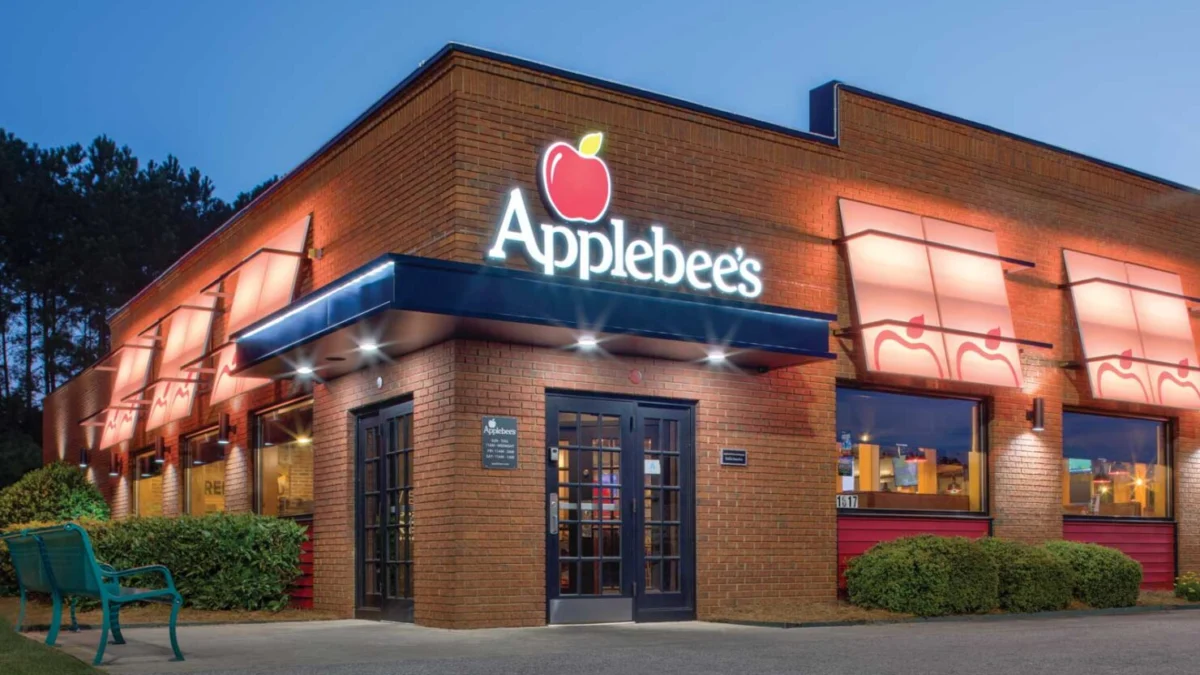

Neighborhood Restaurant Partners (NRP), a significant player in the casual dining sector and a major franchisee of the Applebee’s Grill + Bar brand, officially filed for Chapter 11 bankruptcy protection on Tuesday, signaling a major restructuring phase for the operator’s 53 locations across Florida, Georgia, and Alabama. The filing, which highlights the ongoing financial volatility within the full-service restaurant industry, lists the company’s assets between $1 million and $10 million, while its liabilities are estimated to be in the range of $10 million to $50 million. In a strategic move to ensure the continuity of the restaurants and protect the brand’s footprint in the Southeast, Dine Brands Global—the parent company of Applebee’s and IHOP—has stepped forward to serve as the stalking horse bidder. This designation positions Dine Brands as the lead suitor in the court-supervised auction process, setting a floor price for the assets and potentially paving the way for the parent company to take direct control of the units before eventually refranchising them.
The Rise and Decline of Neighborhood Restaurant Partners
The history of Neighborhood Restaurant Partners is one of rapid initial success followed by a protracted struggle against shifting market dynamics. The organization was established in 2012, entering the market with a significant splash by purchasing 65 existing Applebee’s locations from other franchisees. This consolidated portfolio gave NRP a strong foothold in the competitive Southeastern market, and for several years, the strategy appeared to be highly effective. According to court documents filed as part of the bankruptcy proceedings, NRP experienced a period of robust fiscal health during its formative years. The company’s Earnings Before Interest, Taxes, Depreciation, and Amortization (EBITDA) grew from approximately $13 million in 2013 to a peak of more than $20 million by 2015.
However, the late 2015 period marked a turning point. As consumer preferences began to shift toward fast-casual alternatives and digital-first dining experiences, sales for traditional "bar and grill" concepts began to soften. NRP navigated a series of "ups and downs" over the next several years, characterized by a mix of unsuccessful marketing promotions and a general cooling of the casual dining segment. The onset of the COVID-19 pandemic in 2020 exacerbated these issues, forcing temporary dining room closures and a pivot to off-premises dining that required significant operational adjustments. While the brand initially showed resilience during the recovery phase, the subsequent "triple threat" of record-high inflation, soaring labor costs, and supply chain disruptions proved too much for the franchisee’s balance sheet to bear. In the most recent fiscal year, NRP reported negative EBITDA, a clear indicator of the financial distress that led to the current filing.
The Economic Pressures of 2024 and 2025
The bankruptcy filing provides a stark look at the economic headwinds currently battering the restaurant industry. NRP specifically cited the "highly inflationary environment" as a primary driver of its insolvency. For full-service operators, inflation acts as a double-edged sword: it increases the cost of goods sold (COGS), such as proteins, produce, and packaging, while simultaneously eroding the discretionary income of the middle-class consumer base that Applebee’s traditionally serves. As operating expenses climbed, NRP found it increasingly difficult to maintain profitability without raising menu prices to a level that would alienate its core demographic.
This financial squeeze resulted in the closure of nine underperforming restaurants in 2025 alone. These closures were part of a broader effort to trim the "dead weight" from the portfolio, but they were insufficient to stem the tide of cash flow issues. The company noted that lower guest traffic and reduced visit frequency—driven by consumers tightening their belts—directly contributed to the decline. The struggle to balance value-driven promotions with rising labor mandates in states like Florida has further complicated the path to recovery for regional operators like NRP.
Failed Sale Attempts and the Path to Chapter 11
The decision to file for Chapter 11 was not the company’s first choice. In early 2024, recognizing the mounting financial turmoil, NRP initiated a process to sell its assets out-of-court. This effort lasted between four and five months and involved outreach to various private equity firms and restaurant holding companies. While 17 parties expressed initial interest in the portfolio, the feedback was consistent: the enterprise was too heavily burdened by underperforming units. Potential buyers suggested that NRP needed to shutter more locations to make the remaining 53-unit core attractive for acquisition.
In response to this feedback, NRP closed five units during the first quarter of 2025. By February, negotiations with Dine Brands intensified, leading to a tentative agreement for the parent company to acquire the 53 remaining restaurants. Despite both parties hoping for an out-of-court transaction to minimize legal fees and public scrutiny, the complexity of NRP’s debt structure and continued cash flow shortages made a consensual, non-judicial transfer impossible. The bankruptcy filing serves as the necessary mechanism to clear liens and facilitate a clean sale of the assets under Section 363 of the Bankruptcy Code.
Katie Goodman, the Chief Restructuring Officer for NRP, stated in court filings that Dine Brands has been a supportive partner throughout the process. "Applebee’s has indicated that it will support the Debtors in this process, and it is expected that Applebee’s and the Debtors will in the near future reach agreement on a stalking horse asset purchase agreement which will serve as the basis of a sale process," Goodman noted. The goal is to conduct an expedited auction and finalize the sale by mid-May, ensuring that the 53 restaurants can continue operating without disruption to employees or customers.
Dine Brands’ Strategic Pivot: The "Buy, Fix, Refranchise" Model
For Dine Brands Global, the acquisition of NRP’s units represents a continuation of a strategy that has become increasingly common among major franchisors. While Applebee’s was previously a 100 percent franchised system, the parent company has recently shown a willingness to step in as an operator of last resort to stabilize its footprint. In the previous year, Dine Brands acquired 47 restaurants from other struggling franchisees.
The strategy behind these acquisitions is multifaceted. First, it prevents the permanent closure of high-potential locations that are simply suffering from poor management or over-leveraged ownership. Second, it allows Dine Brands to accelerate its "reimaging program." The company plans to remodel many of these acquired units to align with the brand’s modern design standards. Specifically, for the units acquired last year, Dine Brands set a goal to remodel 30 locations and convert five into the highly anticipated Applebee’s/IHOP co-branded prototype. These dual-branded stores feature a shared kitchen and a unified floor plan, allowing for maximized efficiency and sales across all dayparts—from IHOP’s breakfast strength to Applebee’s late-night appeal.
Once these restaurants are revitalized, Dine Brands typically seeks to "refranchise" them—selling them back to well-capitalized, experienced operators. This "asset-light" model remains the long-term goal for Dine Brands, but the temporary shift to corporate ownership is seen as a necessary investment to ensure the brand’s long-term health in key markets like Florida and Alabama.
Applebee’s Brand Performance and Market Analysis
Despite the struggles of specific franchisees like NRP, the Applebee’s brand has shown signs of resilience on a national level. In 2025, the chain saw same-store sales lift by 1.3 percent, a significant recovery following a 4.2 percent drop in 2024. This turnaround has been attributed to a laser focus on value and the success of its "2 for $25" platform. In the fourth quarter of 2024, this promotion accounted for roughly 22 percent of all transactions, proving that value-conscious consumers are still willing to dine out if the price point is right.
However, the brand is not without its challenges. Fourth-quarter comps slid by 0.4 percent, reflecting the broader cooling of the casual dining sector as fast-casual competitors like Chipotle and CAVA continue to steal market share. The success of Applebee’s off-premises business, which includes "Carside To Go" and third-party delivery, has helped offset some of the traffic losses in dining rooms, but it also carries higher commission costs that squeeze franchisee margins.
Industry analysts suggest that the NRP bankruptcy is a "canary in the coal mine" for other mid-sized casual dining franchisees. As interest rates remain elevated, operators who took on significant debt to fund acquisitions or expansions during the low-rate era of 2012-2018 are finding it nearly impossible to service that debt in the current climate. The NRP case illustrates that even a brand with high national recognition like Applebee’s cannot fully insulate its partners from the realities of localized economic pressure and operational inefficiency.
Implications for the Future of Casual Dining
The outcome of the NRP bankruptcy and the subsequent sale to Dine Brands will be closely watched by the industry. If Dine Brands successfully rehabilitates these 53 units and refranchises them within the next 18 to 24 months, it will validate the franchisor’s proactive approach to portfolio management. However, if the units continue to struggle under corporate management, it may signal a deeper, more structural problem with the casual dining model in the Southeastern U.S.
For the employees and local communities in Florida, Georgia, and Alabama, the stalking horse bid offers a glimmer of hope. In many Chapter 11 cases involving restaurant groups, the alternative to a sale is a total liquidation, which would result in thousands of job losses and vacant storefronts. By stepping in, Dine Brands is effectively betting on the long-term viability of the "Neighborhood Grill + Bar" concept, even as the "neighborhood" itself changes.
As the mid-May deadline approaches, the bankruptcy court will oversee an auction process where other bidders could potentially outbid Dine Brands. However, given the parent company’s vested interest in the brand’s reputation and its existing infrastructure, Dine Brands remains the most likely successor. This transition marks the end of an era for Neighborhood Restaurant Partners and the beginning of a critical test for Applebee’s corporate strategy in an era of unprecedented economic uncertainty.