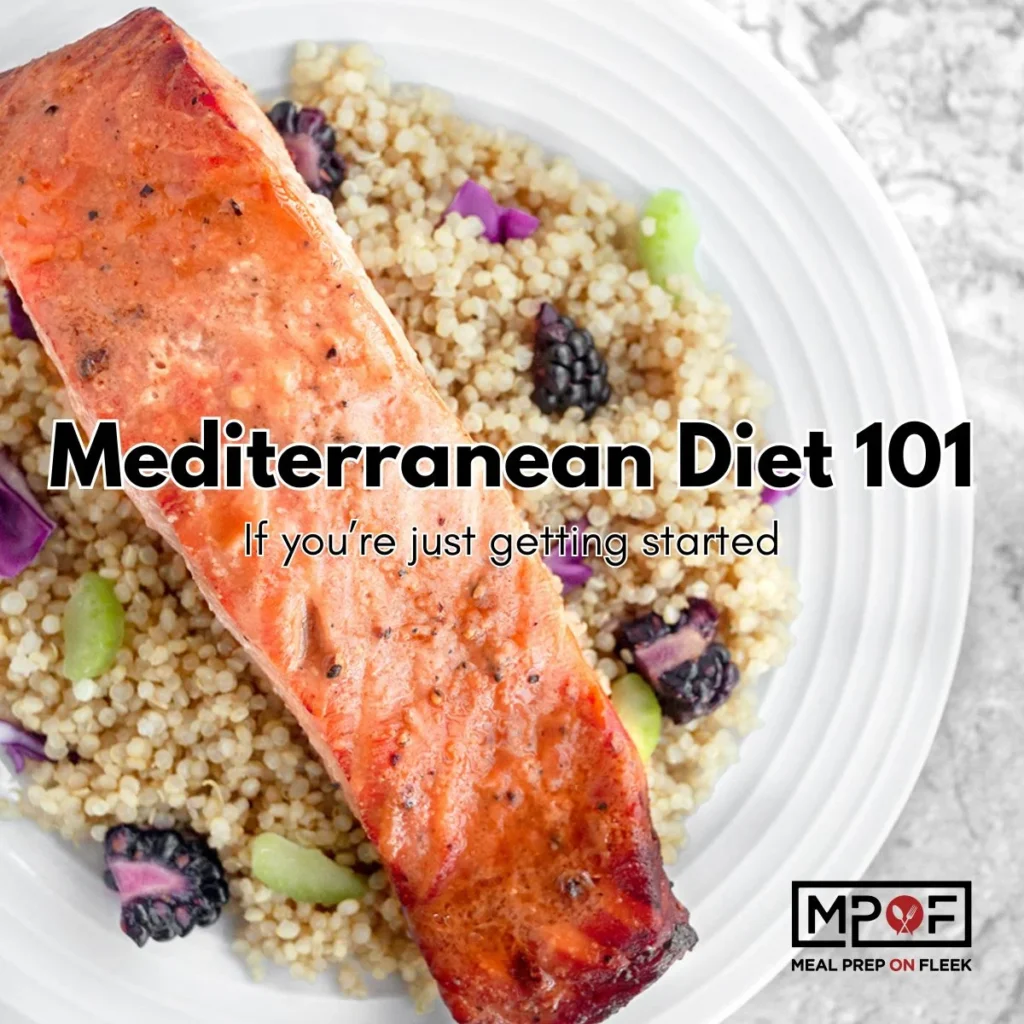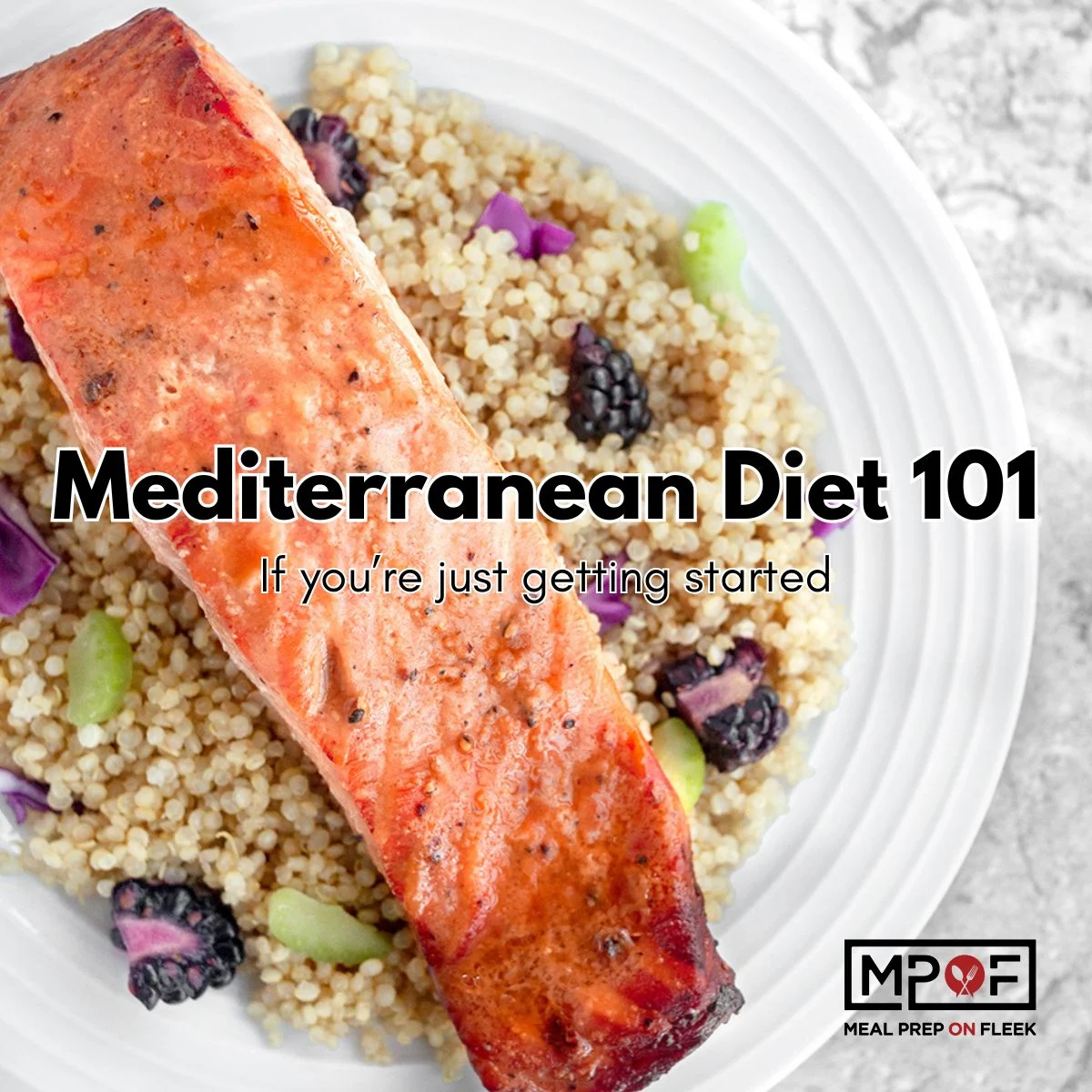

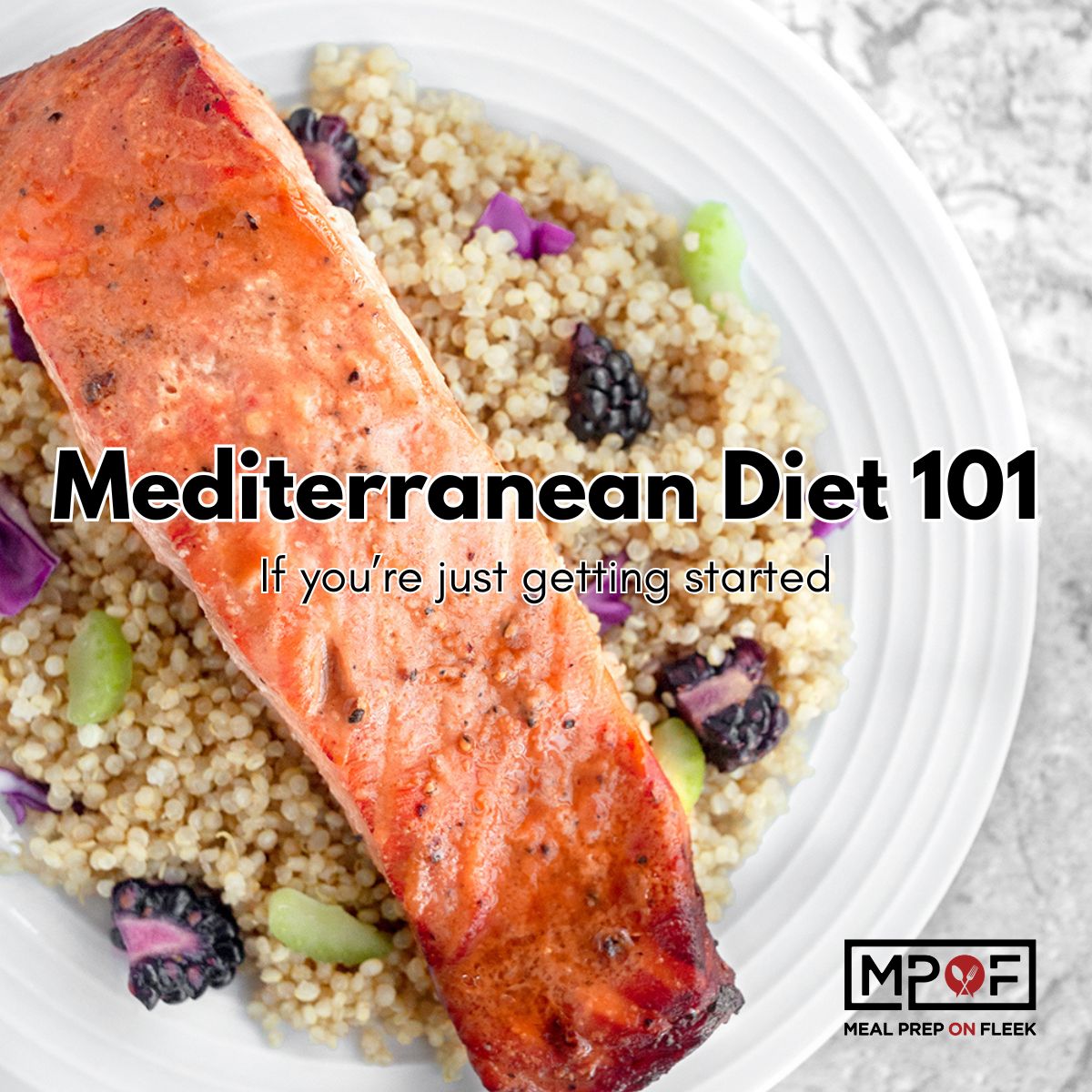
When the term "diet" is mentioned, many individuals immediately envision a regimen of strict rules, severe restrictions, and the outright elimination of beloved culinary delights. This perception is understandable, as numerous dietary approaches often impose demanding limitations. However, the Mediterranean diet distinguishes itself by steering clear of such rigid adherence. Instead, it champions a philosophy centered on simple, delicious, and nutrient-rich foods designed to foster long-term health and well-being. This approach is not about deprivation but about embracing a lifestyle that nourishes the body and soul.
The Mediterranean diet draws its inspiration from the traditional eating patterns observed in countries bordering the Mediterranean Sea, particularly Greece, Southern Italy, and Spain, during the mid-20th century, specifically the 1940s and 1950s. This era is characterized by a focus on whole, unprocessed foods and a lifestyle deeply connected to the land and sea. The enduring appeal of this dietary pattern lies in its emphasis on sustainability rather than strict perfection. It encourages the consumption of whole foods, healthy fats, abundant produce, and balanced meals, while advocating for the limitation of heavily processed items, excessive sugar, and large quantities of red meat.
At its core, the Mediterranean diet is a holistic approach to eating that prioritizes cardiovascular health, the enjoyment of authentic, wholesome foods, and the creation of satisfying meals that do not induce feelings of deprivation. This inherent flexibility is a key factor contributing to its widespread adoption and long-term adherence compared to more restrictive dietary plans.
The foundational principles of the Mediterranean diet can be distilled into a focus on:
- Abundant plant-based foods: A cornerstone of this diet is the emphasis on vegetables, fruits, legumes, nuts, seeds, and whole grains. These food groups provide essential fiber, vitamins, minerals, and antioxidants.
- Olive oil as the primary fat source: Extra virgin olive oil is a hallmark of Mediterranean cuisine, celebrated for its monounsaturated fats and polyphenols, which offer significant health benefits.
- Moderate consumption of fish and seafood: Fatty fish, rich in omega-3 fatty acids, are recommended regularly, typically one to two times per week.
- Limited intake of dairy, poultry, and eggs: These food groups are consumed in moderation, with a preference for yogurt and cheese.
- Minimal consumption of red meat and sweets: Red meat is reserved for occasional meals, and sugary foods and desserts are enjoyed sparingly.
Beyond these food group recommendations, the Mediterranean diet also encompasses a lifestyle that values fresh, seasonal ingredients, home cooking, and the social aspect of sharing meals with family and friends. This integrated approach moves beyond mere nutritional intake, fostering a healthier and more mindful relationship with food.
The plant-forward nature of the Mediterranean diet is particularly noteworthy. While it does not necessitate a vegetarian or vegan lifestyle, meals are often constructed around vegetables, beans, grains, and fish, rather than centering on processed items or heavy meats. This inherent focus on plant-based components contributes significantly to its health benefits.
The Enduring Appeal of the Mediterranean Diet
The Mediterranean diet has maintained its popularity for decades due to its inherent realism and lack of extreme restrictions. It eschews the "all-or-nothing" mentality that often leads to dietary burnout. For individuals who have previously struggled with restrictive dieting, this approach offers a refreshing departure, allowing them to focus on incorporating beneficial foods rather than solely concentrating on what must be eliminated. This positive framing facilitates greater consistency, a crucial element for achieving sustainable health outcomes.
Proven Benefits of the Mediterranean Diet
The widespread and sustained popularity of the Mediterranean diet is underpinned by a robust body of scientific evidence highlighting its numerous health advantages. These benefits span various aspects of physical well-being, making it a highly recommended dietary pattern by health professionals worldwide.
1. Robust Cardiovascular Support
One of the most extensively documented benefits of the Mediterranean diet is its profound impact on heart health. The diet’s emphasis on healthy monounsaturated fats, primarily from olive oil, along with omega-3 fatty acids found in fish, nuts, and seeds, contributes to improved cholesterol profiles and reduced inflammation. Studies, such as the PREDIMED trial, have demonstrated a significant reduction in the incidence of cardiovascular events, including heart attacks and strokes, among individuals adhering to a Mediterranean-style diet supplemented with olive oil or nuts. By limiting saturated fats and processed ingredients, the diet can help maintain healthier blood pressure and cholesterol levels, making it an excellent choice for proactive cardiovascular care.
2. Emphasis on Whole, Unprocessed Foods
A fundamental characteristic of the Mediterranean diet is its unwavering commitment to whole, minimally processed foods. Meals are typically built around ingredients that are easily recognizable and nutrient-dense, such as fresh produce, whole grains, and legumes, rather than relying on highly processed convenience items. This focus is critical because heavily processed foods often contain elevated levels of sodium, added sugars, artificial preservatives, and unhealthy fats, all of which can negatively impact health. Shifting towards whole foods allows the body to receive a broader spectrum of nutrients and fiber, leading to improved metabolic function and overall vitality.
3. Potential for Blood Sugar Regulation
The Mediterranean diet’s rich content of fiber-rich foods, including a wide array of vegetables, beans, whole grains, and healthy fats, plays a crucial role in promoting balanced blood sugar levels. The slow digestion of fiber helps prevent rapid spikes and crashes in blood glucose, which can be particularly beneficial for individuals managing diabetes or seeking to avoid the energy fluctuations associated with diets high in refined carbohydrates and sugars. This balanced approach to carbohydrate intake supports sustained energy levels throughout the day.
4. Contribution to Healthy Weight Management
The Mediterranean diet is often lauded for its effectiveness in supporting weight management without resorting to extreme calorie restriction or deprivation. The satiety provided by healthy fats, fiber, and lean protein sources ensures that individuals feel fuller for longer periods. This can naturally curb cravings and reduce the likelihood of overeating or excessive snacking on less nutritious foods. Unlike crash diets, the Mediterranean diet promotes sustainable eating habits, making it an effective strategy for long-term weight maintenance. Research indicates that individuals following a Mediterranean dietary pattern tend to have lower body mass indices and reduced risk of obesity.

5. Support for Cognitive Function and Brain Health
The abundance of healthy fats, particularly omega-3 fatty acids from fatty fish and monounsaturated fats from olive oil, found in the Mediterranean diet is increasingly recognized for its positive impact on brain health. Some studies suggest a correlation between adherence to Mediterranean-style eating patterns and enhanced cognitive function, including improved memory and a potentially reduced risk of age-related cognitive decline and neurodegenerative diseases like Alzheimer’s. The antioxidant properties of the diet’s plant-based components also contribute to protecting brain cells from oxidative stress.
6. Promotion of Bone Health
Emerging research indicates that the Mediterranean diet may also play a role in supporting bone health. Specific compounds found in olive oil, such as oleocanthal, have been linked to potential benefits for bone density. While no single food acts as a magic bullet for bone strength, a nutrient-rich dietary pattern that includes calcium, vitamin D, and antioxidants, as is characteristic of the Mediterranean diet, can contribute to maintaining skeletal integrity and reducing the risk of osteoporosis over time.
Navigating Potential Considerations with the Mediterranean Diet
While the Mediterranean diet is generally considered one of the safest and most beneficial eating patterns, it is important to acknowledge certain nuances to maximize its positive effects. The diet’s efficacy is largely dependent on the preparation methods and the quality of ingredients used. Simply consuming dishes that resemble Mediterranean cuisine does not automatically guarantee health benefits. For instance, a meal heavily laden with excessive oil, oversized portions, or a significant proportion of processed ingredients, despite its apparent alignment with the diet’s aesthetic, might not deliver the intended health outcomes.
Accessibility to certain food items can also be a factor for some individuals. The regular purchase of fresh fish, high-quality extra virgin olive oil, or specialized produce may present financial or logistical challenges. It is crucial to emphasize that achieving the benefits of the Mediterranean diet does not require adherence to absolute perfection or the exclusive use of premium ingredients. The core principles of focusing on whole foods, incorporating healthy fats, and enjoying plenty of plant-based options can be adapted using readily available and affordable ingredients, making the diet inclusive and adaptable to various circumstances.
Recommended Foods for a Mediterranean Lifestyle
To successfully adopt and thrive on a Mediterranean diet, focusing on a variety of nutrient-dense foods is key. These ingredients form the foundation of balanced and flavorful meals.
Vegetables: The Foundation of Every Meal
Vegetables are paramount in the Mediterranean diet, providing essential fiber, a broad spectrum of vitamins and minerals, and contributing significantly to meal volume and satiety.

- Leafy Greens: Spinach, kale, Swiss chard, arugula, and romaine lettuce.
- Cruciferous Vegetables: Broccoli, cauliflower, Brussels sprouts, and cabbage.
- Root Vegetables: Carrots, sweet potatoes, beets, and onions.
- Alliums: Garlic and leeks, offering flavor and health benefits.
- Peppers: Bell peppers of all colors, adding sweetness and crunch.
- Tomatoes: Fresh or sun-dried, a staple in Mediterranean cuisine.
- Cucumbers: Refreshing and hydrating, perfect for salads.
- Eggplant: Versatile and absorbing flavors beautifully.
- Zucchini and Squash: Light and nutritious options.
Fruits: Nature’s Sweeteners
Fresh fruits serve as a natural and healthy source of sweetness, perfect for enjoying on their own or incorporating into various dishes and snacks.
- Berries: Strawberries, blueberries, raspberries, and blackberries, rich in antioxidants.
- Citrus Fruits: Oranges, lemons, grapefruits, and tangerines, providing Vitamin C.
- Stone Fruits: Peaches, plums, apricots, and cherries.
- Apples and Pears: Common and versatile fruits.
- Melons: Watermelon and cantaloupe, especially during warmer months.
- Figs and Grapes: Traditional fruits of the Mediterranean region.
Whole Grains: Sustained Energy and Fiber
Whole grains are vital for providing dietary fiber and essential minerals, contributing to meal satisfaction and sustained energy release.
- Oats: Rolled oats or steel-cut oats for breakfast.
- Barley: A hearty grain often used in soups and stews.
- Quinoa: A complete protein and versatile grain.
- Brown Rice: A whole grain alternative to white rice.
- Whole Wheat Bread and Pasta: Opt for 100% whole wheat versions.
- Farro and Bulgur: Ancient grains with a distinct texture and flavor.
Nuts and Seeds: Healthy Fats and Texture
Nuts and seeds are excellent for snacking and add valuable healthy fats, protein, and textural interest to meals.
- Almonds: A good source of Vitamin E and magnesium.
- Walnuts: Rich in omega-3 fatty acids.
- Pistachios: Offer a satisfying crunch and unique flavor.
- Sunflower Seeds and Pumpkin Seeds: Versatile and nutrient-dense.
- Flaxseeds and Chia Seeds: Excellent sources of fiber and omega-3s.
Healthy Fats: The Cornerstone of Flavor and Health
Healthy fats are integral to the Mediterranean diet, providing essential nutrients and enhancing flavor profiles.
- Extra Virgin Olive Oil: The primary fat source, used for cooking, dressings, and finishing dishes.
- Avocados: Creamy and rich in monounsaturated fats.
- Fatty Fish: Salmon, mackerel, sardines, and anchovies, packed with omega-3s.
- Nuts and Seeds: As mentioned above, they contribute healthy fats.
Herbs and Spices: Flavor Without Salt
Herbs and spices are a cherished component of Mediterranean cooking, offering vibrant flavors without relying on excessive salt or heavy sauces.
- Basil and Oregano: Aromatic herbs fundamental to Mediterranean cuisine.
- Rosemary and Thyme: Robust herbs that complement roasted dishes.
- Parsley and Cilantro: Fresh herbs for finishing and adding brightness.
- Mint: Refreshing and used in both sweet and savory dishes.
- Cumin and Coriander: Warm spices adding depth to various preparations.
- Paprika and Turmeric: Offering color and anti-inflammatory properties.
Fish and Seafood: Lean Protein Powerhouses
Fish and seafood are featured regularly in the Mediterranean diet, typically consumed once or twice per week, providing high-quality protein and essential omega-3 fatty acids.
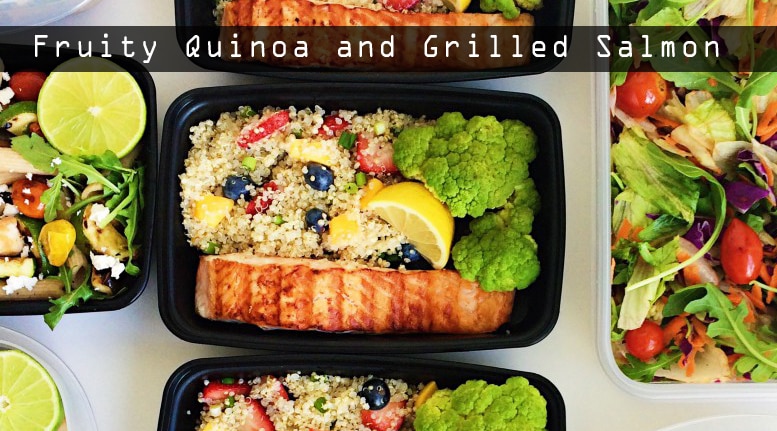
- Salmon: A rich source of omega-3s.
- Sardines and Anchovies: Small, nutrient-dense fish often consumed whole.
- Tuna: A versatile fish, best when fresh or canned in olive oil.
- Mackerel: Another excellent source of omega-3 fatty acids.
- Cod and Sea Bass: Lean white fish options.
- Shrimp and Calamari: Popular choices for their mild flavor and texture.
Foods to Limit on the Mediterranean Diet
While the Mediterranean diet emphasizes abundance, there are certain food categories that are advised to be consumed in moderation or limited to support optimal health outcomes.
Added Sugars: Sweetness in Moderation
Excessive intake of added sugars can undermine energy levels, disrupt appetite regulation, and negatively impact overall health.
- Sugary Beverages: Sodas, sweetened teas, and fruit juices with added sugar.
- Confectionery: Candies, chocolates, and pastries.
- Sweetened Breakfast Cereals: Often high in sugar and refined grains.
- Desserts: Cakes, cookies, ice cream, and sweetened puddings.
- Syrups and Jams: Unless made with natural fruit sugars and consumed sparingly.
Refined Grains: Prioritizing Fiber
Refined grains, which have had their bran and germ removed, are typically lower in fiber and less satiating than their whole-grain counterparts.
- White Bread and White Pasta: Lacking the nutritional benefits of whole grains.
- White Rice: Opt for brown rice or other whole grains.
- Most Breakfast Cereals: Unless specifically labeled as whole grain and low in sugar.
- Pastries and Baked Goods: Often made with refined flour.
Highly Processed Foods: Quality Over Convenience
Foods with long, unfamiliar ingredient lists are often characterized by low nutritional density and high levels of additives.
- Packaged Snacks: Chips, crackers, and processed snack bars.
- Fast Food: Burgers, fries, and fried chicken.
- Pre-packaged Meals: Many convenience meals contain high levels of sodium, unhealthy fats, and preservatives.
- Processed Meats: Sausages, hot dogs, and deli meats.
Saturated and Refined Fats: A Matter of Balance
While healthy fats are encouraged, saturated and refined fats are generally limited in a Mediterranean-style eating pattern.
- Butter and Lard: High in saturated fat.
- Margarine: Often contains trans fats and refined oils.
- Vegetable Oils (refined): Such as soybean oil, corn oil, and canola oil, when used extensively for frying or in processed foods.
- Fried Foods: Typically cooked in less healthy oils and absorb excess fat.
Processed Meats: Minimizing Additives
Processed meats often contain preservatives, high levels of sodium, and other ingredients that are best minimized for overall health.
- Sausages and Hot Dogs: Frequently high in sodium and saturated fat.
- Bacon and Cured Meats: Such as salami and pepperoni.
- Deli Meats: Often contain nitrates and high sodium content.
Excess Dairy and Sugary Dairy Desserts: Mindful Consumption
While some dairy can fit into the Mediterranean diet, particularly yogurt and cheese in moderate portions, heavily sweetened dairy products should be consumed with caution.
- Sweetened Yogurts: Flavored yogurts often contain significant added sugar.
- Ice Cream and Sugary Puddings: High in sugar and sometimes saturated fat.
- Processed Cheese Products: May contain additives and less beneficial fats.
Embracing the Mediterranean Diet Through Meal Preparation
To facilitate the adoption of this vibrant dietary pattern, engaging in meal preparation can be incredibly beneficial. Here are some popular Mediterranean Diet Meal Prep recipes that can help you create delicious and healthy feasts:
Mediterranean Breakfast Recipes
- Greek Yogurt Parfaits: Layers of Greek yogurt, fresh berries, a drizzle of honey, and a sprinkle of chopped nuts.
- Oatmeal with Fruit and Nuts: Rolled oats cooked with water or milk, topped with seasonal fruits, almonds, and a dash of cinnamon.
- Shakshuka: Eggs poached in a flavorful tomato and pepper sauce, often served with whole-grain bread.
- Frittata with Vegetables: An Italian-style omelet packed with spinach, feta cheese, and bell peppers.
Mediterranean Lunch and Dinner Recipes
- Lentil Soup with Vegetables: A hearty and fiber-rich soup made with lentils, carrots, celery, and tomatoes, seasoned with Mediterranean herbs.
- Grilled Halloumi and Vegetable Skewers: Cubes of halloumi cheese grilled with colorful vegetables like zucchini, bell peppers, and cherry tomatoes, drizzled with olive oil and lemon juice.
- Falafel Bowls: Baked or fried falafel served over a bed of quinoa or brown rice with chopped cucumber, tomato, tahini sauce, and a side of hummus.
- Lemon Herb Roasted Salmon with Asparagus: Salmon fillets baked with lemon slices, fresh herbs like rosemary and thyme, and served alongside roasted asparagus.
- Quinoa Salad with Roasted Vegetables and Chickpeas: A vibrant salad combining fluffy quinoa, roasted sweet potatoes, bell peppers, zucchini, and protein-rich chickpeas, tossed in a lemon-herb vinaigrette.
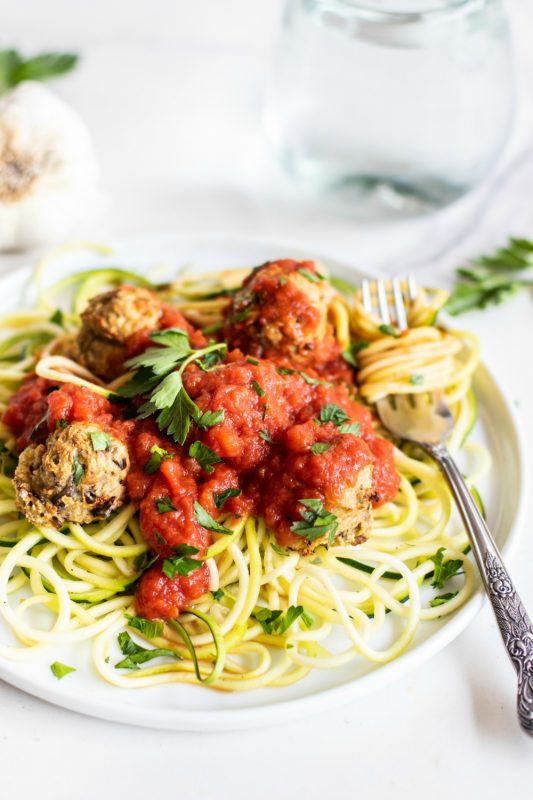
- Eggplant Meatballs with Zucchini Noodles: A vegetarian take on meatballs made from eggplant, served with a light tomato sauce over spiralized zucchini noodles.
- Chicken Souvlaki with Greek Salad: Marinated chicken skewers grilled to perfection, served with a classic Greek salad featuring tomatoes, cucumbers, olives, feta cheese, and a red wine vinaigrette.
- Shrimp Scampi with Whole Wheat Pasta: Succulent shrimp sautéed with garlic, lemon juice, white wine, and herbs, tossed with whole wheat pasta.
Concluding Thoughts on the Mediterranean Diet
For individuals seeking an eating style that is both balanced and rich in flavor, the Mediterranean diet presents an exemplary starting point. It emphasizes foods that actively support health without demanding an obsessive focus on every calorie or macronutrient. This pragmatic approach is a primary reason why so many find it a sustainable and enjoyable way of life.
The enduring strength of the Mediterranean diet lies in its promotion of a long-term perspective. It is not a fleeting plan to be followed for a few weeks but rather a framework for building enduring habits centered around wholesome, real foods, simple meal preparation, and an overall more sustainable relationship with nutrition.
This comprehensive approach to eating offers a pathway to improved health, greater culinary enjoyment, and a more mindful connection to the food we consume.