
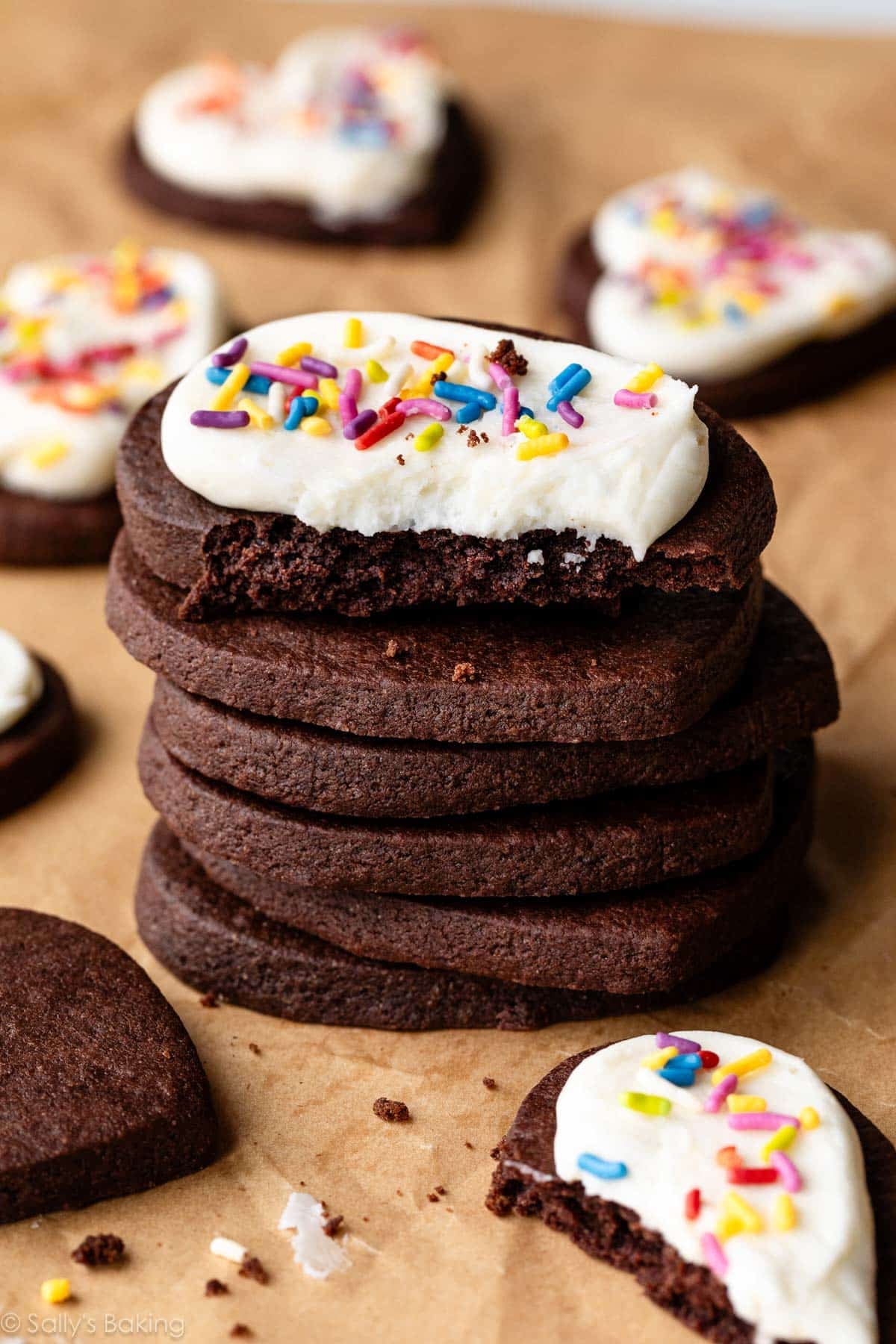
A cornerstone of online baking resources, Sally’s Baking Addiction, has announced a significant update to its widely popular chocolate sugar cookie recipe, originally published in 2016. The revised formula aims to further solidify its reputation as a reliable guide for home bakers seeking consistently soft, thick chocolate cookies with crisp edges and a perfectly smooth surface ideal for intricate decoration. This refresh comes amidst a sustained global interest in home baking, particularly for customizable treats that blend nostalgic comfort with contemporary culinary demands.
The updated recipe builds upon the foundational success of its traditional sugar cookie counterpart, maintaining key characteristics such as excellent shape retention during baking and a flat, unblemished top conducive to various decorating techniques. Bakers can utilize standard cookie cutters to craft diverse shapes from the chocolate dough, which, post-baking and cooling, serves as a versatile canvas for cookie decorating buttercream, royal icing, or a simpler glaze icing. This adaptability underscores the recipe’s appeal across different skill levels, from novice bakers to seasoned decorators.

A Decade of Culinary Refinement: The Recipe’s Evolution
The journey of this particular chocolate sugar cookie recipe dates back to its initial publication in March 2016. At that time, Sally’s Baking Addiction, a prominent platform known for its meticulously tested and accessible recipes, identified a growing demand for a chocolate variation of the classic cut-out sugar cookie that could meet stringent criteria: unwavering shape integrity in the oven, a uniformly flat surface for decoration, and, crucially, an exceptional flavor profile. Developing such a recipe was, as the platform noted, a task approached with considerable dedication, reflecting the high standards the site maintains for its content.
The recent update reflects an ongoing commitment to culinary excellence and user experience. Over the past eight years, the baking landscape, particularly online, has seen rapid evolution. Continuous refinement of popular content, including the integration of new photographic assets and expanded success tips, is a strategic move to ensure the recipe remains current, user-friendly, and consistently yields optimal results. This iterative process of content enhancement is a hallmark of successful online culinary platforms, adapting to user feedback and emerging best practices in baking science.

The Allure of the "Brownie Cookie": Consumer Reception and Demand
The enduring popularity of the chocolate sugar cookie recipe is largely attributed to its unique flavor profile, which many readers describe as reminiscent of a brownie in cookie form. This characteristic has garnered significant praise within the baking community, distinguishing it from other chocolate cookie recipes. Reader testimonials frequently highlight the cookies’ rich, deep chocolate taste combined with the desirable texture of a classic sugar cookie—soft and chewy on the inside, with a satisfying crispness at the edges.
For instance, consumer feedback, as documented by the platform, includes numerous accolades. One baker, identified as Abbey, noted, "These are one of my go-to recipes for cookie orders. People love them! It’s like a brownie in cookie form. These are the ones that get requested most often." Similarly, Pam commented on the recipe’s ease of use and delicious outcome: "These rolled out well, baked up perfectly, and were SO delicious! My family and friends went crazy for them, and I’ll be making them again soon. Who wouldn’t love a ‘brownie cookie?’" Another user, Peggy, echoed these sentiments, observing that her children "labeled these Brownie Cookies because they taste like the perfect combination of a cutout and a brownie." Such consistent positive reinforcement underscores the recipe’s successful integration of familiar and beloved dessert elements.
This strong consumer demand for a "brownie cookie" hybrid aligns with broader trends in the confectionery market, where consumers frequently seek innovative interpretations of classic treats. The ability of this recipe to deliver a rich chocolate experience within the structured format of a cut-out cookie meets a specific niche, appealing to those who appreciate both flavor intensity and decorative potential.
The Science of Simplicity: Key Ingredients and Their Functions
The success of these chocolate sugar cookies hinges on a carefully balanced formulation involving just eight primary ingredients, each playing a critical role in the final product’s texture, flavor, and stability. Understanding the function of these components is essential for bakers aiming for consistent results.
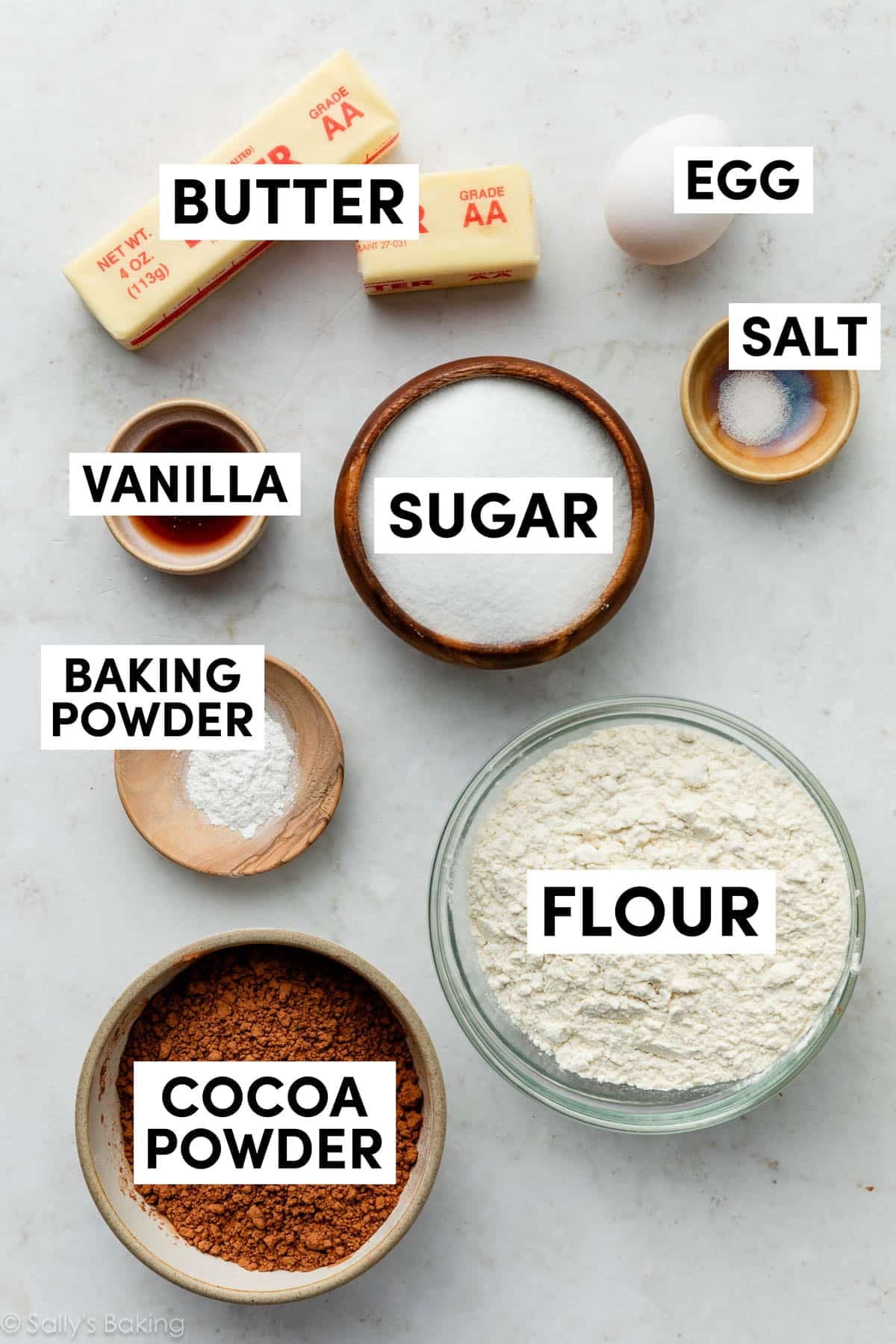
- Flour: Provides the primary structure of the cookie. The precise amount is crucial; too much can lead to dry, crumbly cookies, while too little can result in excessive spreading.
- Cocoa Powder: The star ingredient, responsible for the deep chocolate flavor and color. The recipe offers flexibility regarding the type of cocoa powder, allowing for either natural or Dutch-process. Natural cocoa powder is acidic and reacts with baking soda to produce lift, while Dutch-process cocoa is alkalized, resulting in a darker color and milder flavor, and typically pairs with baking powder. The recipe’s design accommodates both, suggesting a robust and adaptable chemical balance within the dough.
- Granulated Sugar: Contributes sweetness, aids in browning, and helps tenderize the cookie by interfering with gluten development.
- Unsalted Butter: Essential for richness, flavor, and tender texture. The temperature of the butter (softened but not melted) is critical for proper creaming, which incorporates air into the dough, contributing to the cookie’s final texture.
- Egg: Acts as a binder, adding moisture, richness, and helping to emulsify the ingredients.
- Vanilla Extract: Enhances and complements the chocolate flavor, adding depth and complexity.
- Baking Powder: A leavening agent that helps the cookies rise slightly, contributing to their soft, thick interior.
- Salt: Balances the sweetness and enhances all other flavors, particularly the chocolate.
The precise interplay of these ingredients ensures the dough is pliable enough for cutting while remaining stable enough to prevent excessive spreading during baking—a common challenge with many cut-out cookie recipes. This scientific approach to ingredient selection and proportioning is a hallmark of high-quality baking development.
Mastering the Cut-Out: Essential Success Tips and Techniques
Achieving perfectly shaped chocolate sugar cookies requires adherence to specific techniques, particularly concerning dough preparation and handling. The recipe emphasizes several critical "success tips" designed to prevent common issues such as cookie spread and inconsistent texture.
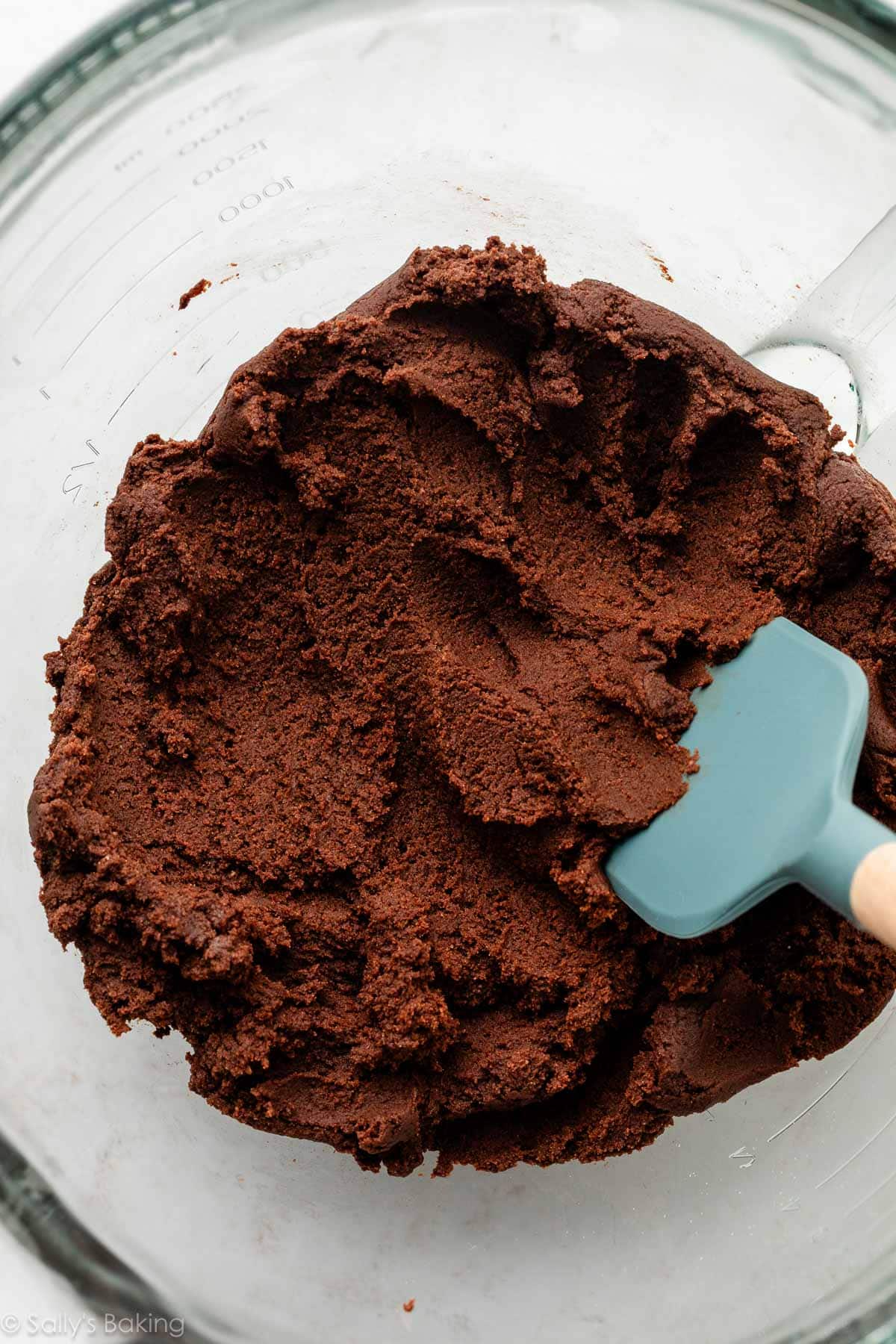
- Proper Chilling of the Dough: This is consistently highlighted as the most crucial step. Chilling the dough solidifies the butter, preventing it from melting too quickly in the oven and causing the cookies to spread excessively. A minimum chilling period, typically ranging from a few hours to overnight, is recommended for optimal results. This allows the flour to fully hydrate and the gluten to relax, leading to a more stable and manageable dough.
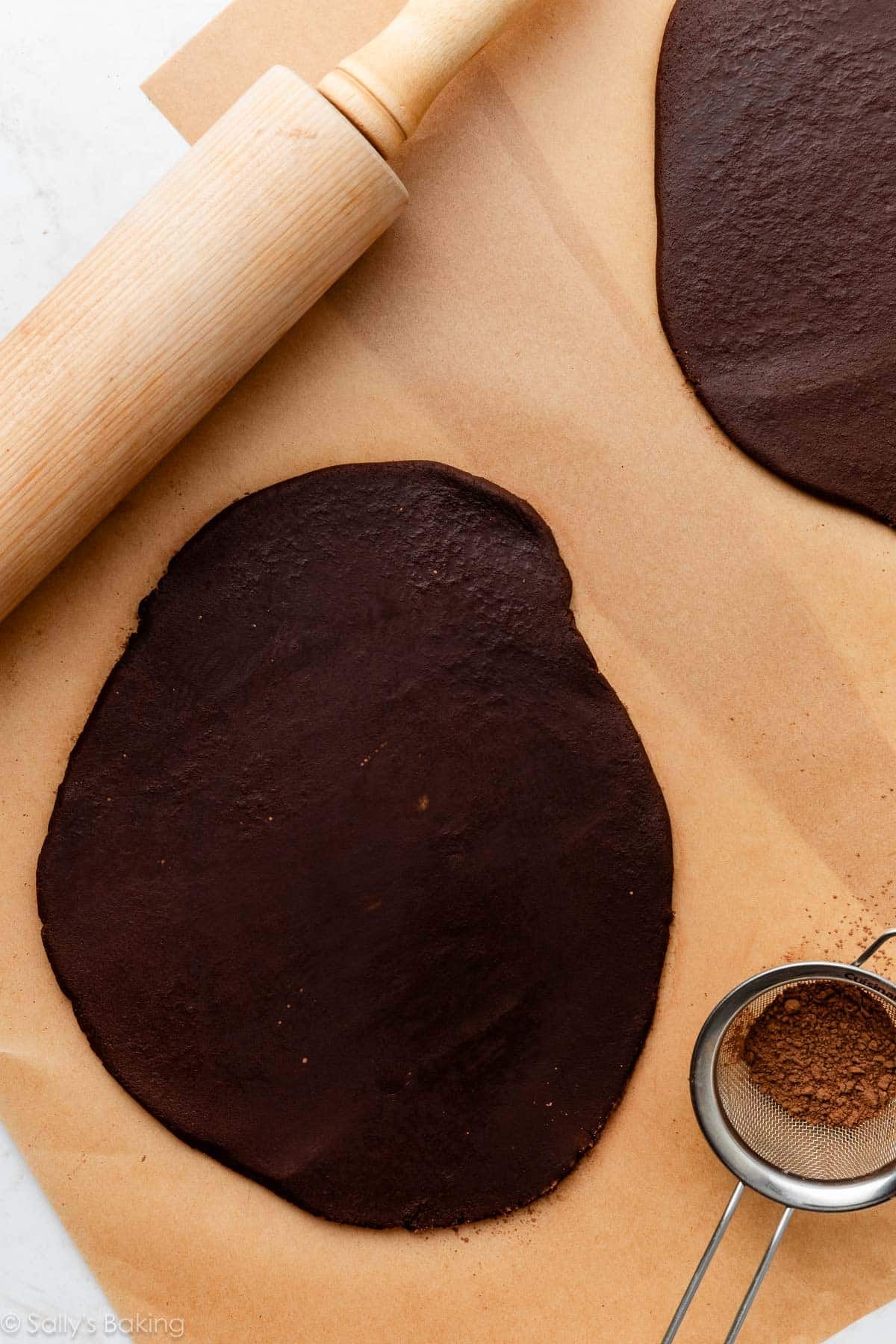
- Rolling Dough to Even Thickness: Consistency in dough thickness is vital for uniform baking. Using a rolling pin with adjustable guides or a simple ruler ensures all cookies bake evenly, preventing some from burning while others remain undercooked. The recommended thickness (often 1/4 inch) strikes a balance between a sturdy cookie and a tender bite.
- Baking on Parchment Paper or Silicone Mats: These liners prevent sticking and promote even heat distribution, contributing to uniform baking and easy removal of delicate cookies.
- Avoiding Overworking the Dough: Excessive handling can develop gluten too much, leading to tough cookies. The dough should be mixed until just combined and rolled out gently.
- Re-chilling Cut-Out Shapes (Optional but Recommended): For exceptionally sharp edges, briefly chilling the cut-out dough shapes on the baking sheet before baking can further prevent spreading. This provides an additional safeguard, especially in warmer kitchen environments.
These techniques, when diligently followed, transform the baking process from a potential challenge into a predictable and rewarding experience, yielding cookies that are not only delicious but also aesthetically pleasing. The versatility of this dough extends to various themed cookies, including Halloween cookies, homemade thin mint cookies, peppermint bark cookies, and even decorative options like fireworks or football cookies, demonstrating its robust structural integrity.
The Art of Adornment: Three Icing Options for Every Skill Level
Once baked and cooled, these chocolate sugar cookies transform into a blank canvas, inviting creative expression through decoration. The recipe provides three distinct icing options, catering to different skill levels and desired aesthetic outcomes, further enhancing the recipe’s broad appeal.
- Cookie Decorating Buttercream: This classic vanilla buttercream offers a rich, creamy texture and is relatively easy to work with. It’s applied using piping tips (such as a Wilton 1A) and can be spread or smoothed for a foundational layer, often adorned with sprinkles. While it soft-sets after a few hours, it remains softer than royal icing, making it ideal for those who prefer a less rigid decoration and a creamier bite. It’s accessible for beginners and offers vibrant color possibilities.
- Royal Icing: Considered the gold standard for intricate cookie decoration, royal icing is known for its ability to dry hard and smooth, creating precise lines and detailed designs. It’s made with meringue powder or egg whites, powdered sugar, and water. While offering superior detail and a long shelf life for decorated cookies, it requires a more advanced skill set to achieve the correct consistency for piping and flooding, and can be more temperamental to work with. Sally’s Baking Addiction provides extensive tutorials, FAQs, and video guidance for this option, acknowledging its complexity.
- Easy Glaze Icing: This beginner-friendly option provides a glossy finish without the need for an electric mixer or advanced technique. Typically made with powdered sugar, milk, and vanilla, it’s simpler to prepare and apply, often used for quick drizzles or full coverage by dipping. While it doesn’t offer the same structural integrity for fine piping as royal icing and takes longer to fully dry (up to 24 hours), it’s perfect for casual decorating, particularly when baking with children, and delivers a pleasant, sweet glaze.
The provision of these varied decorating mediums underscores the recipe’s commitment to versatility, allowing bakers to choose an approach that aligns with their artistic ambition and available time. The option to simply dunk cookies into icing, akin to making mini animal cracker cookies, offers a playful and efficient alternative for those less inclined towards detailed piping.
Broader Implications: The Role of Online Resources in Modern Baking
The continuous refinement and promotion of recipes like the chocolate sugar cookie by platforms such as Sally’s Baking Addiction illustrate the profound impact of online culinary resources on contemporary home baking. These platforms serve as more than just recipe repositories; they are comprehensive guides, offering detailed instructions, troubleshooting tips, scientific explanations, and community support.

The consistent updating of content ensures that recipes remain relevant, addressing evolving baking techniques, ingredient availability, and consumer preferences. This commitment to quality and accessibility democratizes baking, empowering individuals of all skill levels to achieve professional-level results in their home kitchens. The enduring popularity of specific recipes also has an economic ripple effect, influencing sales of baking ingredients, tools, and decorative supplies. The "brownie cookie" phenomenon, for example, can drive demand for quality cocoa powder and various icing components.
Furthermore, the act of baking, particularly with versatile recipes like these chocolate sugar cookies, holds significant cultural and psychological importance. It provides a creative outlet, fosters connection through shared food, and often evokes feelings of comfort and nostalgia. In an increasingly digital world, the tactile and sensory experience of baking offers a tangible escape and a sense of accomplishment. The updated chocolate sugar cookie recipe from Sally’s Baking Addiction, therefore, is not merely a collection of ingredients and instructions; it represents a continuing contribution to the vibrant and ever-evolving culture of home baking.