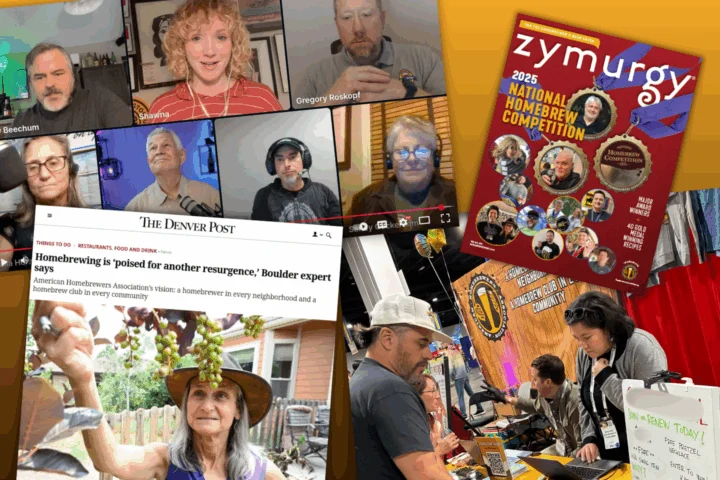

The American Homebrewers Association (AHA) has officially entered a new era of organizational autonomy, marking 2025 as a definitive watershed year for the hobbyist community. Following a complex transition toward becoming a fully independent, stand-alone nonprofit entity, the association has reported significant progress in its mission to revitalize the homebrewing landscape across the United States. This shift represents a departure from its previous structural integration with the Brewers Association, granting the AHA the flexibility to pursue a member-centric agenda focused on grassroots growth, legislative advocacy, and community building.
The transition to independence has been characterized by a foundational restructuring of the organization’s governance and strategic priorities. Under the guidance of a newly established Founding Board, the AHA has unveiled a comprehensive Strategic Plan designed to ensure the long-term sustainability of the craft. Central to this plan is a bold new vision: "A homebrewer in every neighborhood and a homebrew club in every community." This objective underscores a commitment to decentralizing the hobby and fostering local engagement at a time when the craft beverage industry faces evolving market dynamics.
Historical Context and the Path to Independence
To understand the significance of the AHA’s current status, it is necessary to examine the organization’s origins and its relationship with the professional brewing sector. Founded in 1978 by Charlie Papazian, the AHA was instrumental in the legalization and popularization of homebrewing in the United States. For decades, it operated under the umbrella of the Brewers Association (BA), a trade group representing professional craft brewers. While this partnership provided stability and shared resources, the divergent needs of professional breweries and hobbyist brewers eventually necessitated a strategic separation.
In late 2023 and throughout 2024, the Brewers Association began a series of internal restructurings aimed at sharpening its focus on the professional craft beer market. As part of this evolution, the AHA was granted the opportunity to become an independent 501(c)(6) nonprofit organization. This move was finalized in early 2025, allowing the AHA to reclaim its identity as a member-led advocacy group. The independence allows the association to reinvest its resources directly into amateur brewing education, competitions, and local club support without the constraints of a larger trade-focused parent organization.
Strategic Accomplishments and Milestones of 2025
Since the AHA Board provided its initial update in April 2024, the organization has hit several critical benchmarks. The primary focus has been on establishing a robust operational infrastructure that can support a national membership base independently. This involved the migration of digital assets, the restructuring of membership tiers, and the formalization of a new governance model.
One of the most notable achievements of the year has been the successful execution of the National Homebrew Competition (NHC). As the world’s largest amateur brewing competition, the NHC serves as a vital benchmark for quality and innovation in the hobby. In 2025, the AHA managed to maintain the competition’s rigorous standards while implementing more efficient judging protocols. Furthermore, the association has continued to produce Zymurgy magazine, the longest-running publication dedicated to homebrewing, which remains a cornerstone of the organization’s educational outreach.
In terms of advocacy, the AHA has remained active in monitoring state and federal legislation that impacts homebrewers. This includes efforts to clarify laws regarding the transport of homebrew to competitions and the use of homebrewed beverages in public or licensed spaces—legal gray areas that continue to vary significantly by state. By operating as an independent nonprofit, the AHA can now lobby more directly for the specific interests of the amateur community.
Chronology of the Transition
The timeline of the AHA’s evolution highlights the rapid pace of change within the organization over the past eighteen months:
- Late 2023: Initial discussions regarding the AHA’s independence begin following structural shifts within the Brewers Association.
- April 2024: The AHA Founding Board provides its first major update to the membership, outlining the roadmap for a stand-alone nonprofit.
- Summer 2024: The organization begins the process of "de-coupling" its financial and digital systems from the BA.
- January 2025: The AHA officially commences operations as a fully independent entity.
- April 2025: The Board releases a sample of accomplishments, including the new Strategic Plan and vision statement.
- November 2025: The AHA hosts a special "Zymurgy Live" session, opening the doors to both members and non-members to discuss the future of the association and the brewing hobby.
Data and Economic Impact of the Homebrewing Sector
While the craft beer industry has seen a cooling of growth in recent years, the homebrewing sector remains a vital economic and cultural engine. According to data previously tracked by the AHA, there are approximately 1.1 million homebrewers in the United States. These hobbyists contribute significantly to the economy through the purchase of ingredients, equipment, and educational materials.
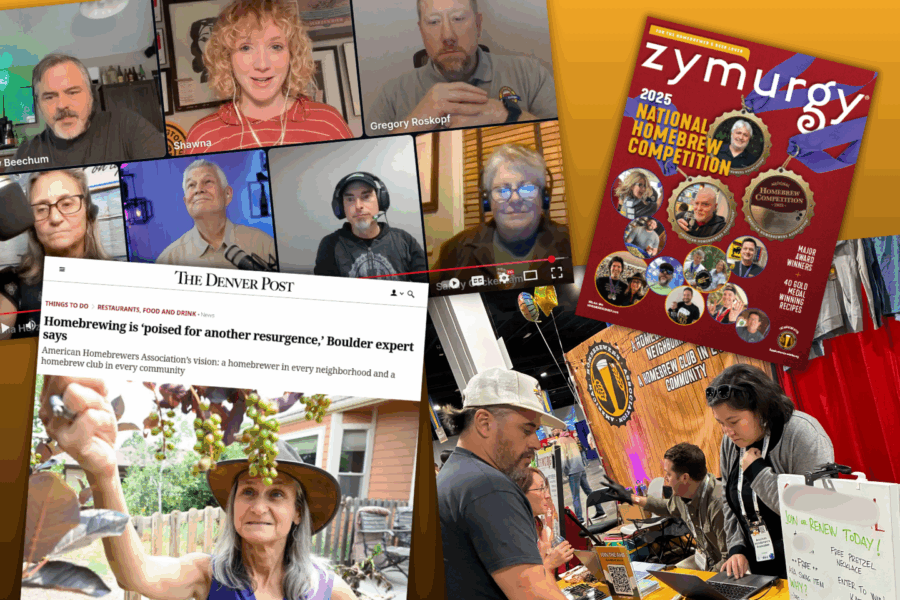
The health of the AHA is often viewed as a leading indicator for the broader craft beer industry. Historically, a majority of professional craft brewers in the U.S. began as homebrewers. By fostering a "homebrewer in every neighborhood," the AHA is essentially cultivating the next generation of professional brewers, brewery owners, and educated consumers. The association’s independence allows it to focus on the "top of the funnel"—the entry-level hobbyist—which is essential for the continued vitality of the craft beer ecosystem.
Future Initiatives and the 2026 Roadmap
Looking ahead to 2026, the AHA has signaled a shift toward technological and service-based upgrades. The organization recognizes that as an independent entity, its value proposition must be clearer than ever. Plans for the coming year include:
- Member Service Upgrades: Investing in a more responsive and user-friendly membership portal to streamline renewals and access to digital resources.
- Enhanced Club Support: Developing new tools for homebrew clubs, which serve as the "communities" mentioned in the association’s vision. This includes liability insurance programs and recruitment kits.
- Digital Innovation: Expanding the "Zymurgy Live" series and enhancing the online recipe database, which features award-winning recipes from the National Homebrew Competition.
- Legislative Advocacy 2.0: Increasing the association’s presence in state capitals to push for "Homebrew-Friendly" designations and the removal of antiquated post-Prohibition restrictions.
The upcoming "Zymurgy Live" event on November 5 is expected to provide more granular details on these initiatives. In a rare move, the AHA has made this session open to the general public, signaling a desire to re-engage former members and attract a new demographic of brewers who may have previously felt disconnected from the national organization.
Industry Implications and Analysis
The independence of the American Homebrewers Association is a strategic move that reflects broader trends in the nonprofit and trade association sectors. By narrowing its focus, the AHA can avoid the "mission creep" that often affects organizations trying to serve both multi-million dollar corporations and weekend hobbyists.
However, independence also brings challenges. The AHA must now bear the full cost of its operations without the shared overhead of the Brewers Association. This makes membership growth and retention the organization’s most critical KPIs (Key Performance Indicators). The success of the "member-led" model will depend on the ability of the Founding Board to translate enthusiasm into sustained financial support.
From a journalistic perspective, the AHA’s pivot is an attempt to future-proof the hobby against shifting consumer preferences. As younger generations explore alternative beverages like hard seltzers, kombucha, and non-alcoholic beers, the AHA’s mission to promote the "craft" of fermentation becomes even more relevant. The association’s focus on community and neighborhood-level engagement is a direct response to the increasing digitalization of social life, positioning homebrewing as a tangible, hands-on way to build local connections.
Leadership and Official Responses
The AHA Founding Board has expressed a sense of gratitude and urgency in its recent communications. In a statement released to members, the Board emphasized that the AHA "exists for you—and because of you." This sentiment reflects a shift toward a more populist governance style, where member feedback is expected to play a larger role in determining organizational priorities.
The Board has also acknowledged the patience of the membership during the "simmering" phase of the transition. Moving a legacy organization of this size into an independent status is a logistical feat that involves complex legal, financial, and digital migrations. The leadership has indicated that the "heavy lifting" of the transition is largely complete, clearing the way for a more active and visible presence in the brewing community throughout 2026.
As the weather cools and brewing season hits its peak, the American Homebrewers Association stands at a crossroads. Its success as an independent nonprofit will likely determine the trajectory of the homebrewing hobby for the next decade. By focusing on its core strengths—unmatched educational resources, world-class competitions, and a passionate community—the AHA is betting that the best days of homebrewing are still ahead.