
The craft brewing industry has witnessed a significant shift in consumer preferences over the last decade, moving from the high-gravity "IBU wars" of the early 2010s toward a more nuanced appreciation for sessionable, balanced, and technically proficient lower-alcohol beers. Among these styles, the Copper Ale stands out as a quintessential example of how malt complexity and hop bitterness can be harmonized within a low-tenacity framework. The following technical breakdown explores a specific 3.6% Alcohol by Volume (ABV) Copper Ale formulation, providing a roadmap for brewers to achieve a professional-grade product characterized by a distinct SRM 12 hue and a firm 30 International Bitterness Units (IBU) profile.
Technical Specifications and Recipe Framework
To produce a successful Copper Ale at a sessionable strength, the brewer must focus on the relationship between Original Gravity (OG) and Final Gravity (FG). For this specific iteration, the targets are set at an OG of 1.036 (9°P) and an FG of 1.008 (2°P). This specific gravity delta ensures a thin yet not watery mouthfeel, providing enough residual body to support the hop profile without the cloying sweetness often found in higher-gravity ambers.
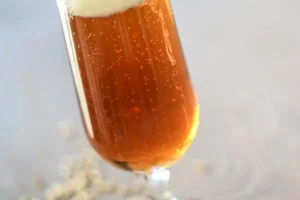
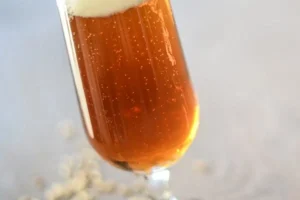
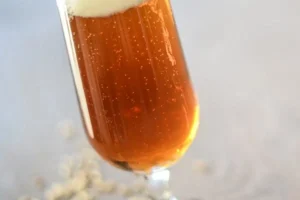
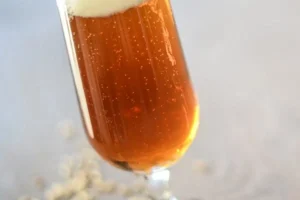
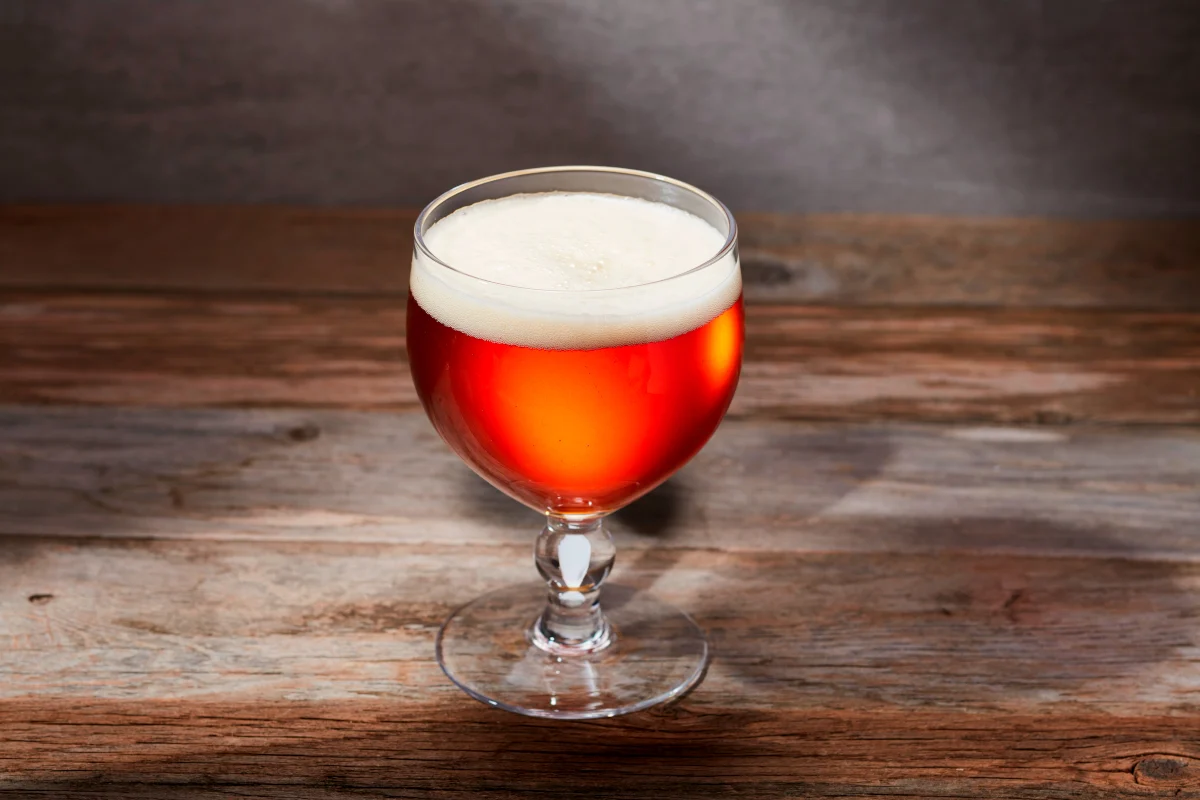
The yield for this protocol is a standard 5-gallon (18.93 L) batch, a benchmark for home-scale production and pilot batch testing in commercial settings. The color profile, measured at 12 SRM (Standard Reference Method), indicates a deep copper to light reddish-brown appearance. Achieving this specific color requires a precise application of crystal malts, which contribute both the necessary pigments and the unfermentable sugars that provide the "copper" character.
Core Ingredients and Chemical Contributions
The recipe utilizes a hybrid approach, combining the efficiency of Dried Malt Extract (DME) with the nuanced flavor contributions of steeped specialty grains.
- Malts and Extracts: The foundational fermentables are derived from Dried Malt Extract, which provides a consistent sugar profile and simplifies the brew day. However, the "soul" of the Copper Ale lies in the crushed crystal malt. Crystal malts undergo a specialized kilning process where the starches are converted to sugars inside the husk and then caramelized. This results in the characteristic toffee and dark fruit notes associated with the style.
- Hops: With a target of 30 IBUs, the hop schedule is aggressive for a 3.6% ABV beer. This creates a BU:GU ratio (Bitterness Units to Gravity Units) of approximately 0.83, suggesting a beer that leans toward the bitter side of the spectrum, akin to an English Extra Special Bitter (ESB) but at a lower alcohol concentration.
- Clarifying Agents: The inclusion of Irish moss (a seaweed-derived carrageenan) at the 10-minute mark of the boil is a critical technical step. It aids in protein coagulation, ensuring that the final product achieves the clarity expected of a professional copper ale.
The Chronology of the Brew Day
The production of this Copper Ale follows a disciplined 60-minute boil schedule, preceded by a critical steeping phase that extracts color and flavor from the specialty grains without extracting harsh tannins.
Phase I: The Steep and Extract Integration
The process begins with 1.5 gallons (5.7 L) of water heated to exactly 150°F (65.5°C). The crushed crystal malt is steeped for 30 minutes. This temperature is vital; exceeding 170°F during the steep can lead to the extraction of polyphenols from the grain husks, resulting in an astringent "tea-like" bitterness that would ruin the delicate balance of a session ale. Following the steep, the grains are strained and "sparged" (rinsed) with 170°F water to reach a total volume of 2.5 gallons (9.5 L) of specialty grain liquor.
Phase II: The Boil and Hop Utilization
Once the liquor is brought to a boil, the Dried Malt Extract is integrated. It is essential to ensure the DME is fully dissolved to prevent scorching on the bottom of the kettle. The 60-minute boil serves several purposes: sterilization, the isomerization of hop alpha acids, and the volatilization of unwanted compounds like Dimethyl Sulfide (DMS).
- 60 Minutes: The bittering hops are added at the start of the boil. This long exposure to heat maximizes the conversion of alpha acids into iso-alpha acids, providing the foundational 30 IBUs.
- 20 Minutes: Flavor hops are introduced. At this stage, less bitterness is extracted, but more essential oils are preserved, contributing to the aromatic and mid-palate hop experience.
- 10 Minutes: Irish moss is added to facilitate the "hot break," where proteins clump together for easier removal.
Phase III: Cooling and Fermentation
Post-boil, the wort is transferred to a sanitized fermenter containing 2 gallons of cold water. This "top-up" method is common in concentrated boil techniques, helping to rapidly bring the temperature down to the pitching range of 70°F (21°C). Aeration is mandatory at this stage, as yeast requires dissolved oxygen to synthesize sterols for healthy cell membrane development during the lag phase.
Fermentation Dynamics and Secondary Aging
Fermentation for this Copper Ale is relatively rapid, typically spanning 4 to 6 days in the primary vessel. The use of an active yeast starter is recommended to ensure a short lag phase and a clean fermentation profile. Because the OG is a modest 1.036, the yeast is not under significant osmotic stress, allowing for a healthy attenuation to the 1.008 FG target.
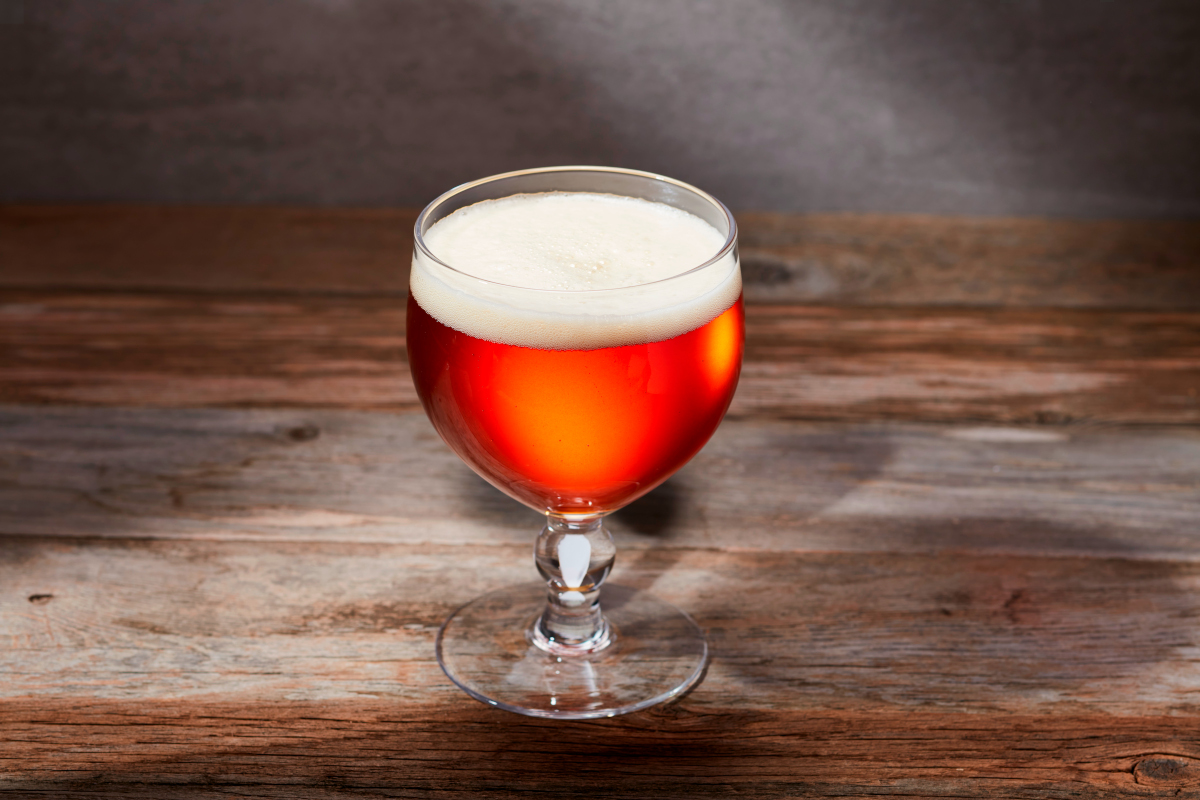
After primary fermentation, the beer is racked to a secondary fermenter and chilled to 60°F (15.5°C). This secondary phase is less about further fermentation and more about "conditioning"—allowing the yeast to reabsorb diacetyl (a buttery off-flavor) and permitting suspended solids to settle. The lower temperature aids in flocculation, resulting in the "clear and carbonated" finish required for the style.
Supporting Data: The Rise of the Session Beer
The data surrounding the "Session" category (generally defined as beers under 4.5% or 5.0% ABV) suggests a robust future for recipes like the Copper Ale. According to industry reports from the Brewers Association, while IPAs continue to dominate market share, the "Easy-Drinking" category—which includes session ales, pilsners, and blondes—has seen a 5-7% uptick in consumer interest year-over-year.
The technical appeal of a 3.6% Copper Ale lies in its "flavor density." Unlike light lagers, which seek to minimize flavor for maximum crushability, a Copper Ale uses a higher IBU count and crystal malts to provide a full sensory experience. This allows the consumer to enjoy the complexities of craft beer without the rapid intoxication associated with Double IPAs or Imperial Stouts.
Expert Analysis and Implications
From a brewing science perspective, the Copper Ale represents a challenge in balance. In a high-gravity beer, errors in hop utilization or malt proportions can be masked by the sheer intensity of the alcohol and residual sugars. In a 3.6% beer, there is nowhere to hide.
The Importance of Water Chemistry
While not explicitly detailed in the basic recipe, professional-grade execution of this Copper Ale would involve water chemistry adjustments. To accentuate the 30 IBUs and the "crisp" finish of a copper ale, brewers often aim for a higher sulfate-to-chloride ratio. Sulfates enhance the perception of hop bitterness, making it appear "cleaner" and more assertive, which is necessary to prevent a low-ABV beer from tasting "flabby."
The Role of the Homebrewing Community
The publication of such detailed technical specifications by organizations like the American Homebrewers Association (AHA) highlights the ongoing democratization of brewing knowledge. By providing standardized recipes with specific gravity and SRM targets, the community ensures that the quality of home-produced malt beverages remains high, serving as a farm system for the professional craft industry.
Final Conditioning and Presentation
The final stage of the process involves priming with sugar for bottle conditioning or force carbonating in a keg. For a Copper Ale, a moderate carbonation level of 2.2 to 2.4 volumes of CO2 is ideal. This level of effervescence enhances the aromatic delivery of the flavor hops while providing a tongue-cleansing scrub that complements the bitter finish.
Conditioning at temperatures above 60°F is essential for bottled versions to ensure the yeast remains active enough to consume the priming sugar. Once the beer is clear and carbonated, it represents the pinnacle of session brewing: a visually stunning, copper-hued beverage that offers the technical complexity of a much larger beer within a disciplined, low-alcohol framework.
As the industry continues to evolve, the Copper Ale remains a vital style for those who value craftsmanship and technical precision. It is a beer designed for the "long afternoon"—a testament to the idea that quality in brewing is not measured by alcohol content alone, but by the harmony of ingredients and the execution of the process.