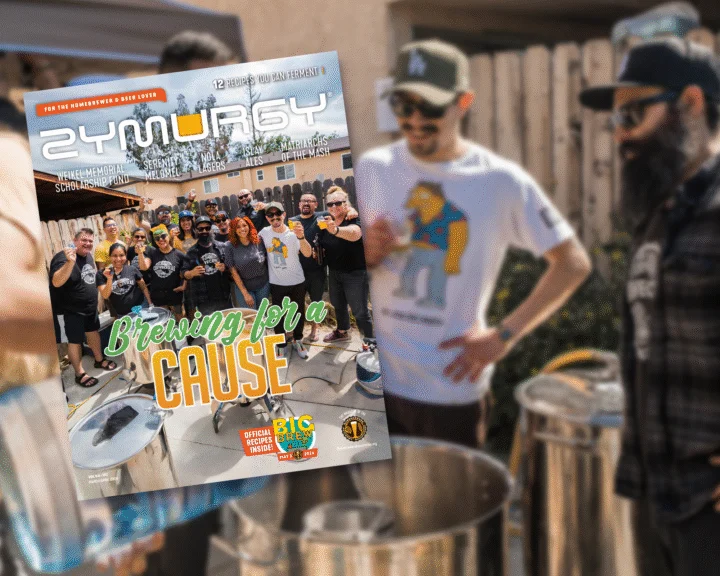

The American Homebrewers Association (AHA) has released its March/April 2026 edition of Zymurgy, the long-standing journal for the homebrewing community, centering on the theme of "the pivot." This landmark issue arrives at a critical juncture for the hobby and the broader craft beer industry, as enthusiasts and professionals alike grapple with the escalating challenges of climate change, volatile economic landscapes, and a rapidly evolving global beer culture. As the official publication of the AHA since 1978, Zymurgy continues to serve as a technical and cultural compass for thousands of brewers, offering a blend of rigorous scientific inquiry, historical recovery, and community-driven storytelling.
The 2026 spring issue highlights how the "pivot" is no longer an optional strategy but a necessity for survival and growth. From the agricultural foundations of brewing to the social structures of homebrew clubs, the magazine explores how the community is adapting to a world where traditional methods and reliable ingredient supplies are increasingly under pressure.
Adaptation Amidst Environmental and Economic Pressures
The core editorial focus of the March/April 2026 issue examines the multifaceted "pivot" required of modern brewers. In the realm of climate change, the brewing industry is facing unprecedented disruptions in the supply chain for essential ingredients like hops and barley. Rising temperatures in traditional growing regions, such as the Hallertau in Germany and the Yakima Valley in the United States, have forced hop growers to develop heat-resistant cultivars, while brewers are learning to utilize alternative grains that require less water.

Economically, the "pivot" refers to the shifting consumer preferences that have seen a rise in the "sober curious" movement and a demand for lower-alcohol beverages. Zymurgy explores how homebrewers are leading this charge by mastering small-batch, high-flavor, low-ABV (alcohol by volume) beers that do not sacrifice complexity. This adaptation is reflective of a broader trend in the craft sector where sustainability and health-conscious consumption are becoming primary drivers of innovation.
The Stoney Creek Homebrewers and the Weikel Memorial Scholarship
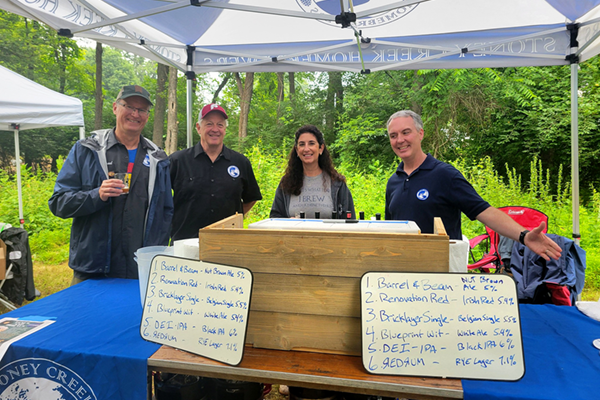
A significant portion of the issue is dedicated to the power of community and legacy, exemplified by the Stoney Creek Homebrewers. Founded in 2007 in Philadelphia, the club has long been a pillar of the local brewing scene, emphasizing education and philanthropy. The featured article by Josh Weikert chronicles the establishment of the Weikel Memorial Scholarship Fund, created in the wake of a tragic loss within the club.
The scholarship represents a formal pivot from social gathering to institutional support, providing financial assistance to aspiring brewers who wish to pursue formal education in the fermentation sciences. This initiative underscores a growing trend among homebrew clubs nationwide to formalize their impact on the industry. By funding the next generation of professional brewers, clubs like Stoney Creek are ensuring that the grassroots expertise developed in garages and basements continues to inform the commercial craft beer landscape.
Recovering the History of the Brewing Matriarchs
In an effort to address historical imbalances in brewing literature, the issue includes a deep dive into the role of women in brewing history. For centuries, brewing was a domestic task primarily managed by women, known as "brewsters." However, the industrialization of the 18th and 19th centuries largely marginalized these women, erasing their contributions from the mainstream narrative of beer history.
This feature provides a global portrait of the "matriarchs of fermentation," from the ancient Mesopotamian priestesses of Ninkasi to the alewives of medieval Europe. The article argues that the modern "pivot" in beer culture must include a restoration of these voices. By acknowledging that brewing was historically a female-led craft, the industry can better foster an inclusive environment that reflects its true origins. This historical recovery is supported by archival research and interviews with contemporary female brewers who are reclaiming these ancient traditions.
The Lager Revolution in New Orleans
The geographical focus of this issue shifts to New Orleans, a city traditionally dominated by a single major lager producer, Abita Brewing Company. For decades, the humid climate of the Gulf South was considered a "lager desert" for smaller craft startups due to the high energy costs and technical precision required for cold fermentation.
However, the last five years have seen a dramatic pivot in the New Orleans beer scene. The March/April issue explores how a new wave of breweries has embraced the technical challenge of lagering. This shift is attributed to advancements in cooling technology and a renewed consumer interest in "crisp and clean" profiles. The article provides a roadmap of the city’s evolving lager landscape, highlighting how local brewers are incorporating regional ingredients—such as local rice varieties and indigenous flora—to create a distinct "Crescent City" lager style.
Indigenous Fermentation in Extreme Climates
Art Fitzsimmons contributes a compelling feature on the fermentation practices of indigenous peoples in the hottest regions of North America. In environments where temperatures regularly exceed 100 degrees Fahrenheit, traditional European brewing methods are often impossible. Instead, these communities have pivoted to fermenting whatever resilient flora the landscape provides, such as prickly pear, agave, and mesquite beans.

This exploration of "serenity in fermentation" provides valuable lessons for the modern brewer facing a warming planet. The techniques used by these indigenous cultures—utilizing wild yeasts that thrive in high temperatures and fermenting in subterranean vessels—offer a blueprint for sustainable brewing in extreme climates. Fitzsimmons’ work emphasizes that the future of brewing may lie in looking backward to the resilient practices of the past.
Islay: Beyond the Peat Smoke
While the Scottish island of Islay is globally synonymous with peated Scotch whisky, the March/April issue of Zymurgy reveals a burgeoning craft beer movement on the island. Donald MacKenzie and Mackay Smith, inspired by the Scottish Craft Brewers homebrew club, have spearheaded a pivot toward local ale production.
Their work involves utilizing the same water sources and, occasionally, the same malted barley used by the island’s famous distilleries, but applying them to the craft of brewing. This cross-pollination between distilling and brewing traditions on Islay represents a unique cultural pivot, where the island’s identity is expanding to include high-quality, small-batch ales that complement its world-renowned spirits.
Technical Innovation and Recipe Development
True to its mission as an educational resource, this issue includes 12 validated recipes that reflect the themes of adaptation and regionality. These recipes range from traditional European styles adapted for modern home systems to innovative "pivot" beers that utilize drought-resistant grains and alternative sugar sources.

The technical section of the magazine, overseen by Editor-in-Chief Dave Carpenter, continues to provide high-level analysis of fermentation chemistry. Carpenter, who has been a prominent voice in the brewing world since 2009, emphasizes the importance of precision and "geeking out" on the science of beer. The recipes in this issue are not merely instructions but are presented as case studies in how brewers can adjust their formulas to account for varying ingredient quality and environmental conditions.
The Role of the American Homebrewers Association
The release of this issue also highlights the ongoing mission of the American Homebrewers Association. As a non-profit organization, the AHA advocates for the rights of homebrewers and provides resources to improve the quality of homemade beer, mead, and cider. The paywall for certain digital content within the Zymurgy archives serves to fund these advocacy efforts, which include lobbying for favorable homebrewing laws and supporting the National Homebrew Competition.
In an era of digital saturation, Zymurgy remains a curated, peer-reviewed sanctuary for deep-form journalism in the brewing space. The magazine’s commitment to "homebrew activism" is evident in its support for scholarship funds and its focus on historical and environmental issues.
Broader Implications for the Fermentation Community
The March/April 2026 issue of Zymurgy serves as a microcosm of the broader shifts occurring in global fermentation culture. The transition from a focus on growth at all costs to a focus on sustainability, equity, and resilience marks a significant maturation of the hobby.

By documenting these pivots—whether they are the personal stories of the Stoney Creek Homebrewers or the macro-trends of climate adaptation—Zymurgy provides a historical record of how a community of hobbyists can influence a multi-billion dollar global industry. The "pivot" is not merely a reaction to crisis, but a proactive reimagining of what beer can be in the 21st century.
As Dave Carpenter and his team continue to document this journey, the message remains clear: the heart of brewing lies in the ability to adapt. Whether it is a woman reclaiming her place in brewing history, a New Orleans brewer perfecting a pilsner in the heat, or an Islay resident turning whisky malt into ale, the spirit of zymurgy—the study of fermentation—is inherently about transformation. This issue stands as a testament to that enduring spirit, offering both the inspiration and the technical tools for brewers to navigate the challenges of the future.