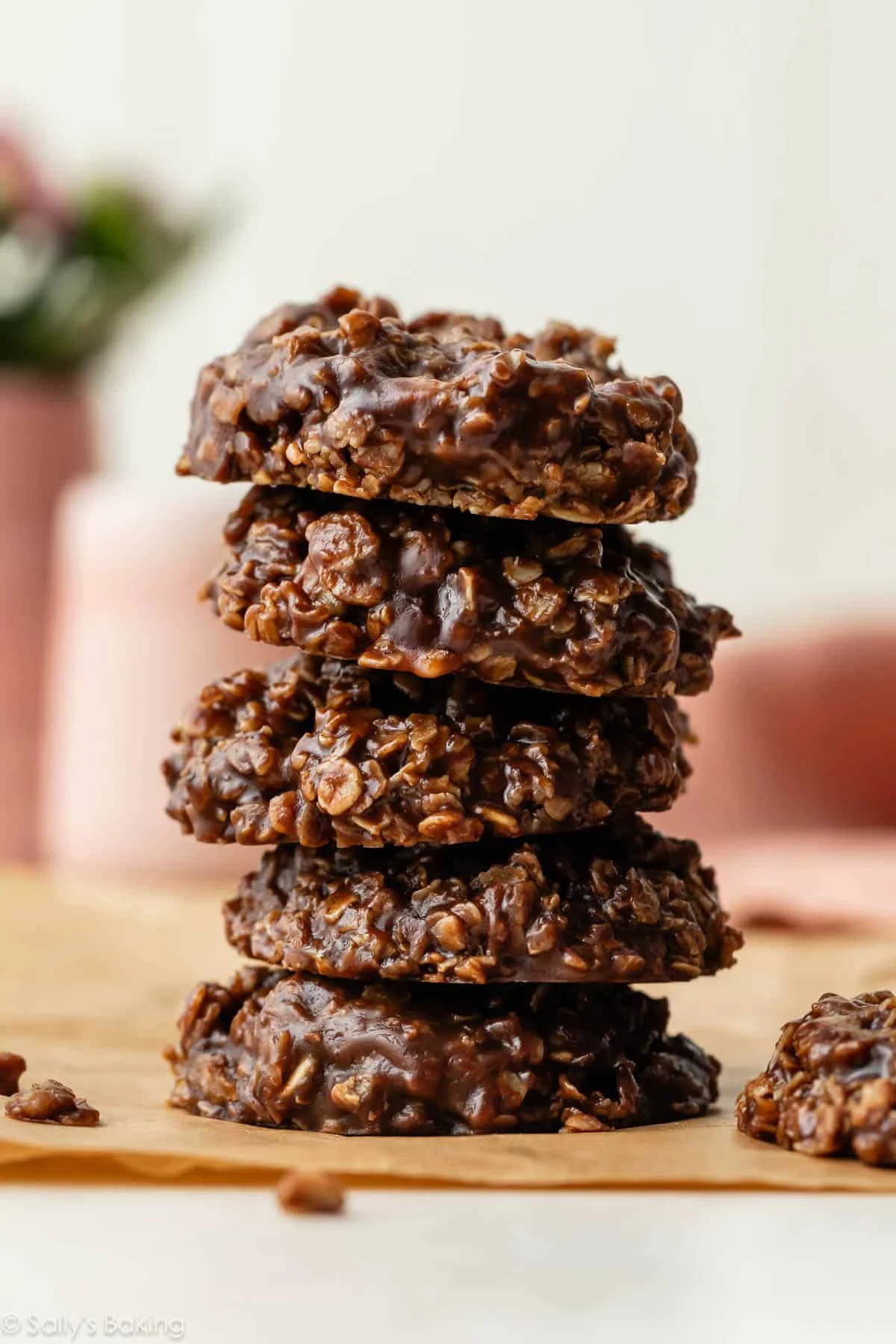

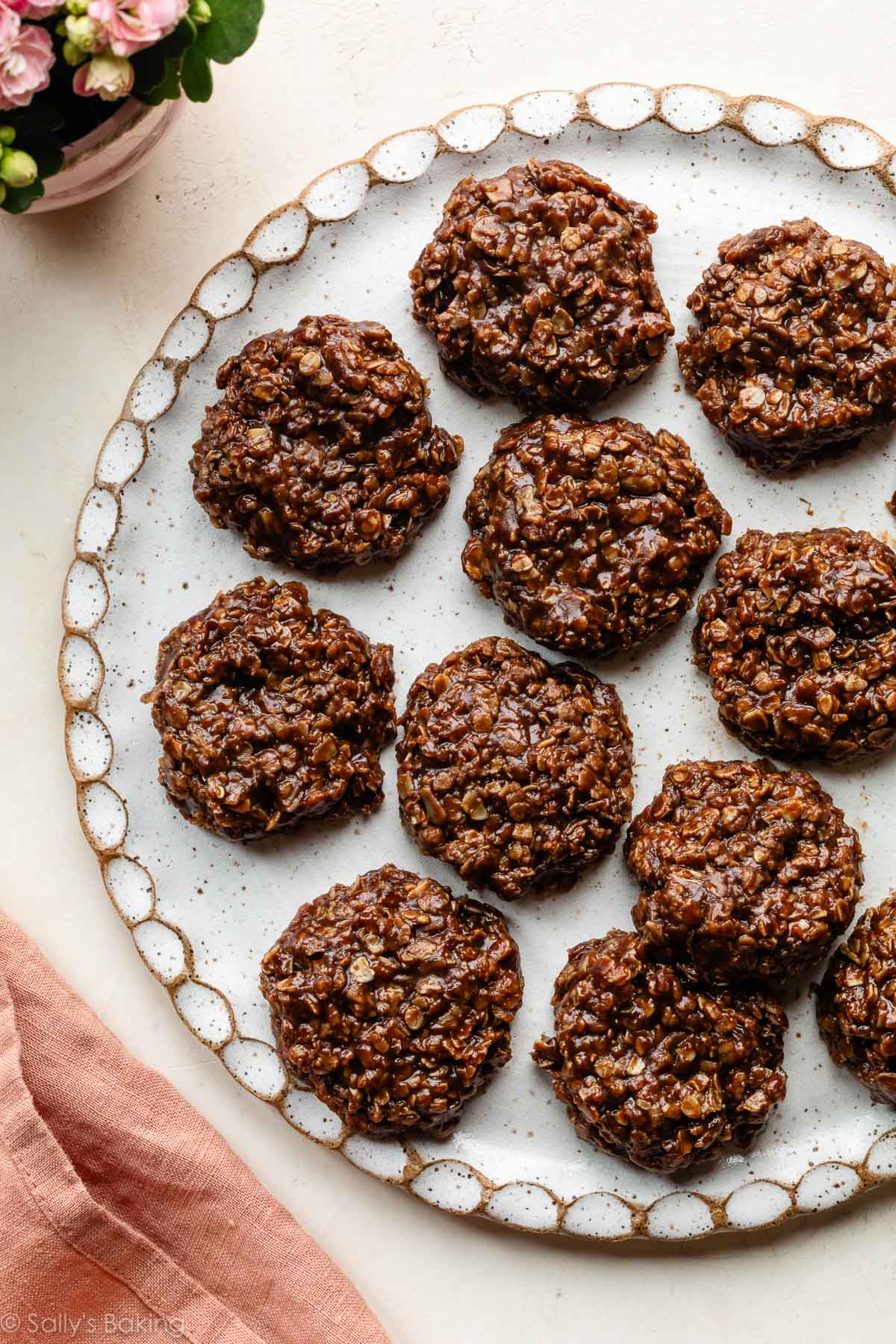
The enduring popularity of the chocolate peanut butter no-bake cookie, a culinary staple first widely disseminated in its current iteration in 2015 and subsequently refined in 2020, underscores a significant trend in contemporary home baking: the demand for accessible, high-quality desserts that bypass traditional oven-based preparation. This classic confection, comprising just eight core ingredients, offers a rapid solution for sweet cravings, setting in approximately 30 to 60 minutes after refrigeration, a stark contrast to the often lengthy processes associated with conventional baked goods. Its resurgence and consistent presence in popular culinary discourse highlight a broader shift towards efficiency and convenience in the kitchen, without compromising on flavor or the nostalgic comfort that such treats provide.
Historical Context and the Rise of No-Bake Confections
The concept of no-bake desserts is not a modern invention but rather a testament to culinary ingenuity spanning several decades. Historically, these recipes emerged from a need for simplicity and resourcefulness, particularly during periods when access to ovens was limited or when minimizing heat in the kitchen was desirable, such as during warmer months. Early versions of no-bake cookies, often relying on sugar, butter, and various binders like oats or cereals, gained traction in the mid-20th century, becoming household favorites due to their straightforward preparation and minimal equipment requirements. They represent a pragmatic approach to dessert making, appealing to busy families, novice cooks, and those seeking quick gratification. The current chocolate peanut butter iteration stands as a refined descendant of this tradition, blending time-honored techniques with widely beloved flavor profiles.
Anatomy of a Classic: Key Ingredients and Their Functional Roles
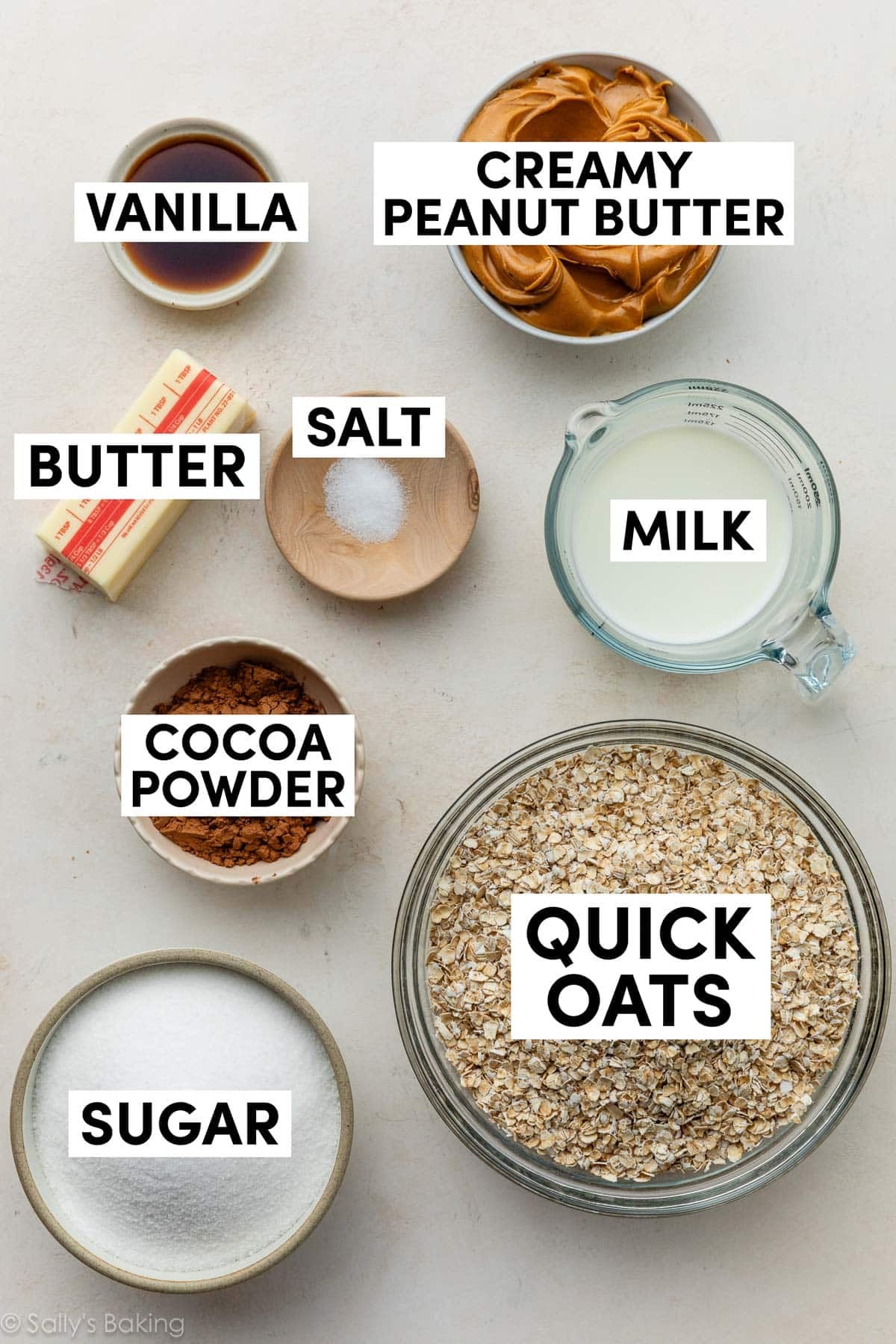
The success of these no-bake cookies hinges on a carefully balanced combination of readily available pantry staples, each contributing to the final texture and taste. The core ingredients typically include granulated sugar, milk, unsalted butter, unsweetened cocoa powder, creamy peanut butter, rolled oats, vanilla extract, and a pinch of salt.
- Sugar (Granulated): Beyond its primary role as a sweetener, sugar is crucial for the structural integrity of these cookies. When boiled with milk and butter, it forms a supersaturated solution. Upon cooling, this sugar crystallizes, binding the other ingredients together and providing the necessary firmness. Insufficient boiling time can lead to a mixture that fails to set, resulting in overly soft or runny cookies.
- Milk: Acts as the liquid medium for dissolving the sugar and emulsifying the fats. The water content in milk is critical for achieving the correct boiling point and subsequent sugar concentration required for setting.
- Unsalted Butter: Contributes richness, flavor, and a smooth mouthfeel. Its fat content also helps to lubricate the mixture and, upon cooling, solidifies to further aid in the cookie’s structure. The 2020 recipe update notably increased the butter quantity, a modification likely aimed at enhancing both flavor and textural consistency, yielding a richer and potentially more stable cookie.
- Unsweetened Cocoa Powder: Provides the characteristic chocolate flavor. Its fine particulate nature also contributes to the cookie’s body and absorption capacity. The quality of cocoa powder can significantly influence the depth of chocolate flavor.
- Creamy Peanut Butter: A cornerstone of the flavor profile, peanut butter also plays a vital role in texture. Its high fat and protein content contributes to the fudgy consistency and helps bind the oats. The type of peanut butter is important; smooth, processed varieties are generally recommended over natural, oilier types, as the latter can affect setting time and overall stability.
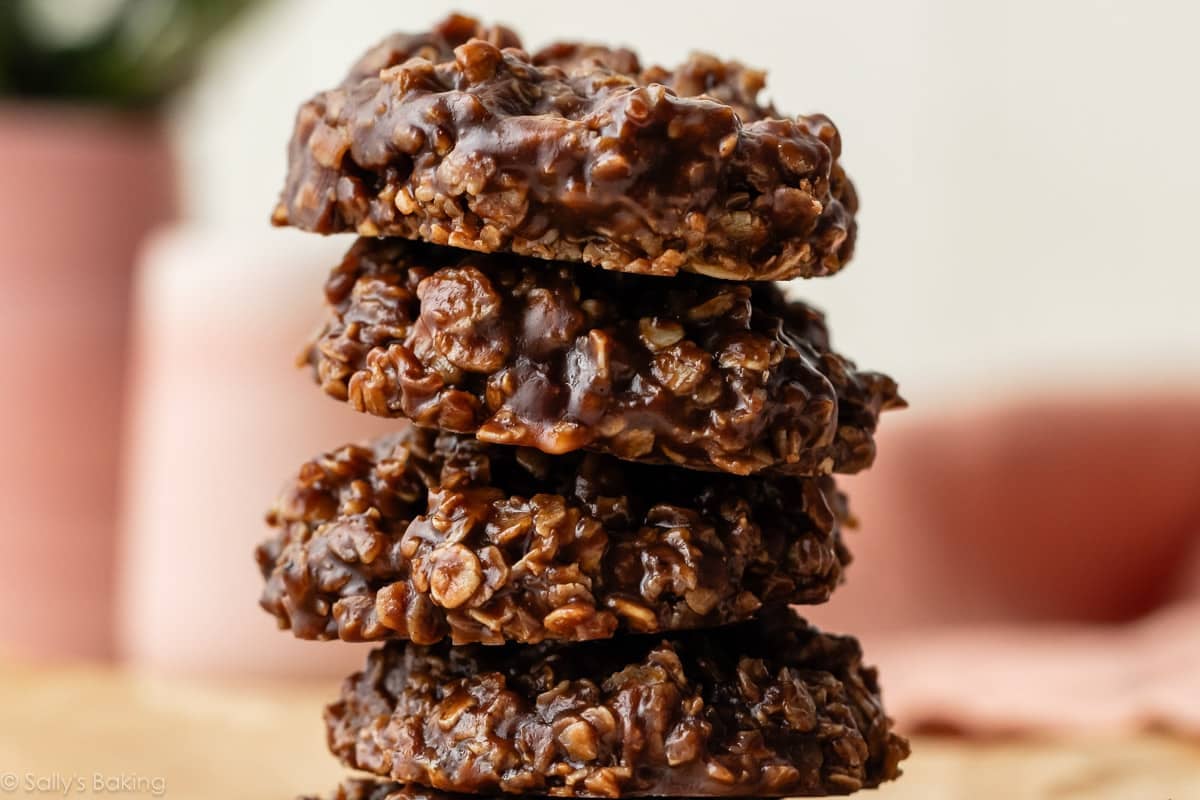
- Rolled Oats: The primary structural component and source of chewiness. As the hot sugar-butter-milk mixture is added, the oats absorb moisture, swelling and creating the bulk and chewy texture characteristic of these cookies. Quick oats can be used for a finer texture, but rolled oats typically offer a more substantial chew. For gluten-sensitive consumers, certified gluten-free rolled oats ensure the recipe remains accessible.
- Vanilla Extract: A flavor enhancer that complements both the chocolate and peanut butter notes, adding depth and aromatic complexity.
- Salt: Balances the sweetness and amplifies the other flavors, particularly the chocolate and peanut butter.
The Science of "No-Bake": Setting Without Heat
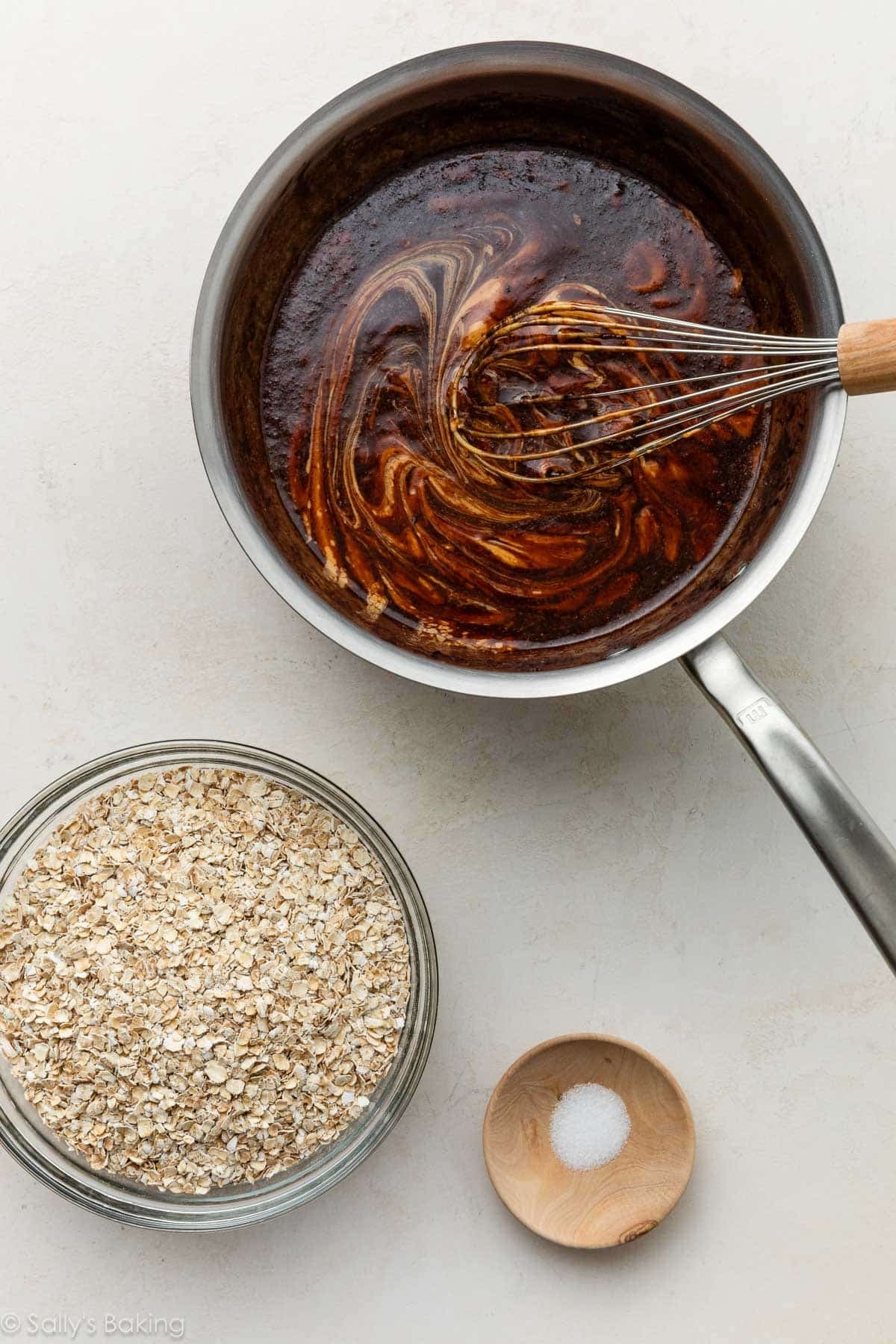
The fundamental principle behind no-bake cookies is the controlled crystallization of sugar and the solidification of fats, rather than protein coagulation or starch gelatinization which occurs in oven baking. The process begins on the stovetop, where butter, sugar, milk, and cocoa powder are whisked together and brought to a rolling boil.
The critical phase involves boiling the mixture for precisely one minute, or until it reaches a temperature of 225°F (107°C). This specific temperature is paramount. During this minute of boiling, the water content in the milk evaporates, concentrating the sugar solution. Reaching 225°F indicates that the sugar has dissolved fully and the solution has reached a supersaturated state. If the mixture is under-boiled, the sugar crystals will not properly form upon cooling, resulting in a soft, unsetting cookie. Conversely, over-boiling can lead to excessive water evaporation, resulting in a dry, crumbly cookie due to over-crystallization of sugar.
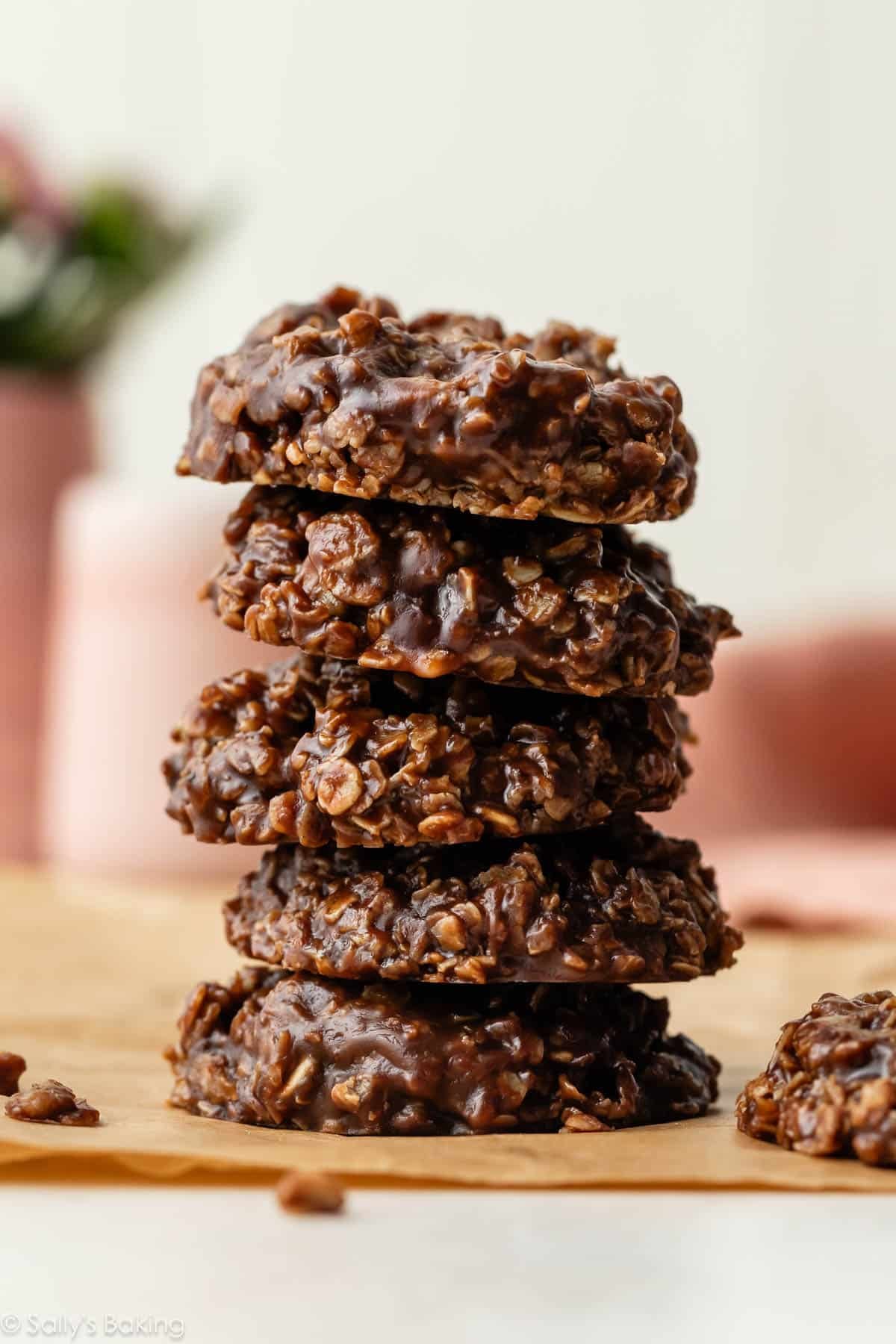
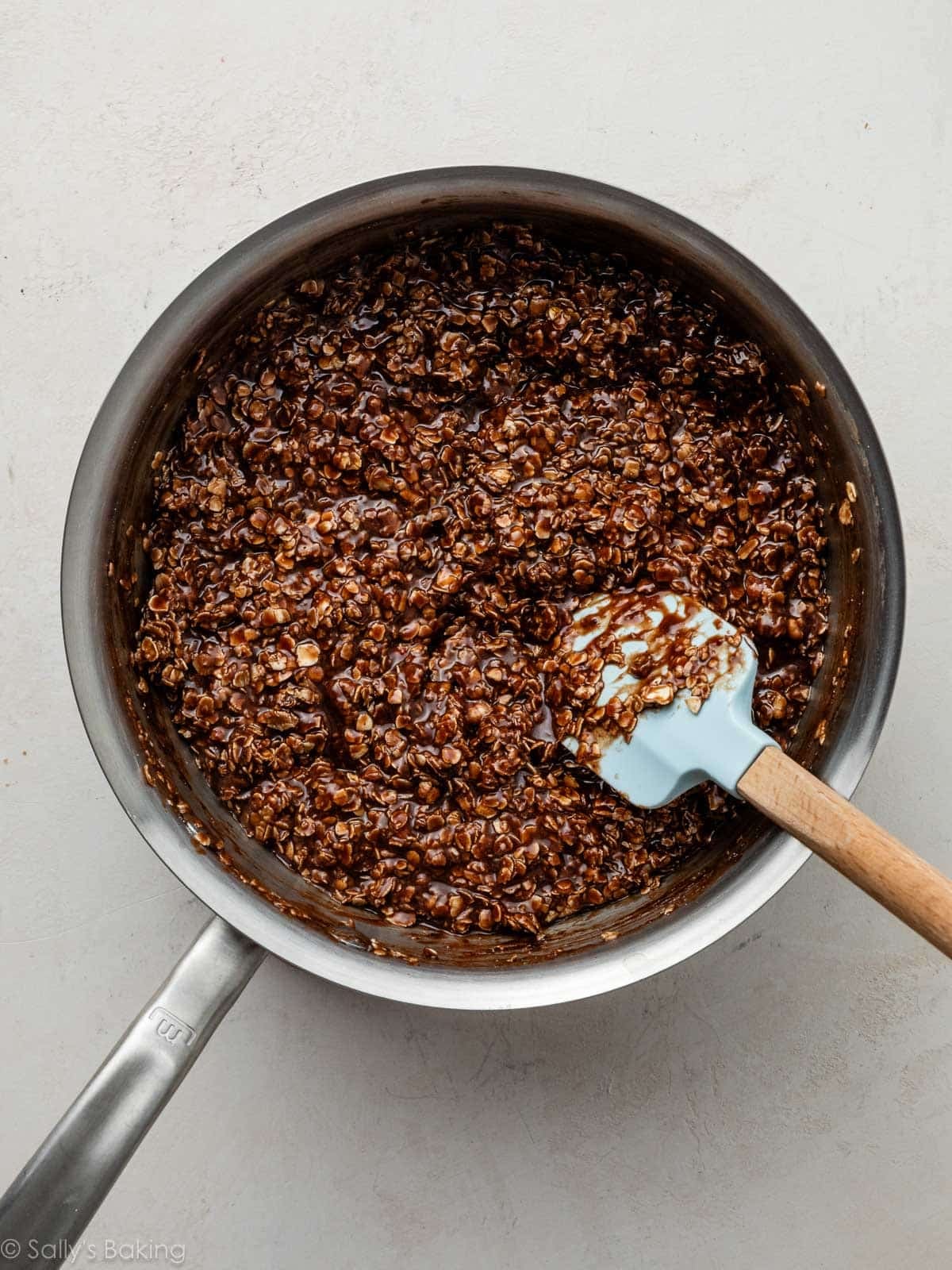
Once the desired temperature is reached, the mixture is immediately removed from heat. At this point, peanut butter and vanilla extract are stirred in, followed by the oats and salt. The residual heat from the sugar mixture gently warms the peanut butter, allowing it to incorporate smoothly without further cooking. A crucial cooling period of approximately 5-10 minutes follows before scooping. This allows the oats to absorb the hot liquid, preventing them from becoming too dry and ensuring the mixture is malleable enough for shaping. The final step involves refrigerating the formed cookies. The cool environment accelerates the solidification of the butter and the crystallization of the supersaturated sugar solution, quickly firming the cookies into their characteristic fudgy, chewy texture. This method exemplifies an efficient application of thermal dynamics and ingredient interactions to achieve a desired culinary outcome without external heat application.
Recipe Evolution and Refinement: A Timeline of Improvement
The specific recipe in focus, originally published in 2015, exemplifies a commitment to continuous improvement in online culinary content. The initial offering quickly garnered a following, becoming a "family-favorite" and a staple for many home bakers. In 2020, the recipe underwent a significant update, reflecting a common practice among digital content creators to enhance user experience and ensure optimal results.
Key aspects of the 2020 update included:
- New Photography: Visual appeal is paramount in online recipes, and updated, high-quality images can significantly improve engagement and user confidence.
- Enhanced Success Tips: Incorporating additional guidance and troubleshooting advice addresses common challenges faced by home bakers, leading to a higher success rate for users. This proactive approach minimizes frustration and maximizes satisfaction.
- Ingredient Adjustments: A subtle but impactful change was a slight increase in the amount of butter. This modification, while seemingly minor, likely contributes to a richer flavor profile, a more tender texture, and potentially improved stability in the final product. Such adjustments are often the result of extensive testing and feedback, aiming for consistently excellent results.
This iterative development process highlights the dynamic nature of online recipe platforms, where user feedback and continuous refinement contribute to the evolution of popular dishes, ensuring their lasting relevance and reliability.
Consumer Appeal and Demographic Reach
The broad appeal of these no-bake chocolate peanut butter cookies extends across various demographics, solidifying their status as a versatile dessert.
- Families and Children: The simplicity of preparation makes it an ideal activity for children, fostering early interest in cooking and providing a tangible, delicious reward. The combination of chocolate and peanut butter is universally appealing to younger palates.
- Time-Conscious Individuals: In an increasingly fast-paced world, recipes that offer quick gratification are highly valued. The minimal active cooking time and short refrigeration period make these cookies perfect for impromptu treats or last-minute dessert needs.
- Hot Weather Baking: The absence of oven use makes this recipe particularly attractive during warmer months, allowing individuals to prepare homemade sweets without heating up their living spaces.
- Dietary Adaptability: The inclusion of oats provides a base that can be easily adapted for gluten-free diets by simply using certified gluten-free oats. This flexibility expands its reach to individuals with specific dietary requirements, a growing segment of the culinary market.
- Nostalgia Factor: For many, these cookies evoke a sense of childhood nostalgia, recalling simpler times and home-cooked treats. This emotional connection contributes significantly to their enduring popularity.
Culinary industry analysts frequently observe that the comfort food segment continues to exhibit robust growth, driven by consumer desire for familiar flavors and accessible preparation methods. The chocolate peanut butter no-bake cookie perfectly embodies these trends.
Practical Advantages and Environmental Considerations
Beyond their delicious taste and ease of preparation, no-bake cookies offer several practical advantages and even subtle environmental benefits. The most obvious is energy saving. By eliminating the need for an oven, households can reduce their electricity or gas consumption, contributing to lower utility bills and a smaller carbon footprint, particularly when considering the cumulative effect across numerous households. This factor becomes increasingly relevant as energy costs rise and environmental consciousness grows.
Furthermore, the quick preparation time and lack of specialized equipment mean these cookies are highly accessible. They can be made in nearly any kitchen with basic stovetop capabilities, democratizing dessert making. The ability to prepare a satisfying treat without a fully equipped baking setup is a significant advantage for students, apartment dwellers, or those with limited kitchen space.
Addressing Common Challenges: Troubleshooting for Success
Despite their apparent simplicity, no-bake cookies can present common challenges, typically related to the precise execution of the stovetop phase. Insights from the culinary community and extensive recipe testing highlight key areas for troubleshooting:
- Cookies Not Setting (Too Soft/Runny): This is almost universally attributed to insufficient boiling of the sugar mixture. The sugar needs to fully dissolve and reach a specific concentration to crystallize properly upon cooling. Using an instant-read thermometer to ensure the mixture reaches 225°F (107°C) is highly recommended. If a thermometer is unavailable, strictly adhering to the one-minute boiling time after the mixture has reached a full, rolling boil is crucial. The quantity of ingredients also matters; slight over-measurement of liquid components or under-measurement of dry components can affect setting.
- Cookies Dry and Crumbly: Conversely, if the cookies turn out dry and crumbly, it typically indicates that the stovetop mixture was cooked for too long, leading to excessive water evaporation and over-crystallization of the sugar. Over-measuring oats or using natural peanut butter that is too thin and oily can also contribute to this issue by altering the overall moisture balance. Precise measurement, ideally with a kitchen scale for dry ingredients, and careful timing are essential.
- Using Natural Peanut Butter: While possible, natural peanut butter (especially the thinner, oilier varieties) can make the cookies more challenging to set and potentially extend refrigeration time. If used, ensure it is smooth and extremely well-stirred to integrate any separated oil. The added oiliness can interfere with the butter and sugar’s ability to solidify effectively.
These insights underscore that while no-bake recipes are simple, they still rely on specific chemical and physical processes that demand attention to detail for optimal results.
Future Outlook for No-Bake Desserts
The trajectory of no-bake desserts, exemplified by the enduring success of the chocolate peanut butter variety, suggests a continued upward trend in culinary preferences. As lifestyles become increasingly demanding, the appeal of quick, satisfying, and adaptable recipes will only grow. Innovations in ingredient sourcing, such as wider availability of gluten-free alternatives and plant-based milks, will further expand the versatility and reach of these recipes. The digital age, with its vast repositories of recipes and engaged communities of home bakers, ensures that such classic, yet continuously refined, confections will remain a cornerstone of home kitchens worldwide. The chocolate peanut butter no-bake cookie stands not merely as a recipe, but as a symbol of culinary evolution towards convenience, comfort, and broad appeal in the modern era.