
The preservation of seasonal produce through home canning remains a cornerstone of food security and culinary tradition, with the United States Department of Agriculture (USDA) providing the definitive safety protocols for processing tomatillos. As a staple of Mexican and Central American cuisines, the tomatillo (Physalis philadelphica) presents unique characteristics compared to its distant relative, the tomato, particularly regarding its preparation and inherent acidity. According to the USDA Complete Guide to Home Canning (Agriculture Information Bulletin No. 539), home canning whole tomatillos requires a precise sequence of acidification and thermal processing to ensure shelf stability and the prevention of foodborne illnesses such as botulism.
Botanical Context and Agricultural Importance
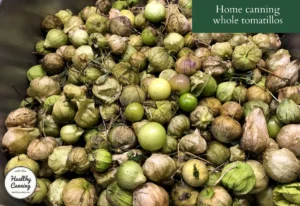
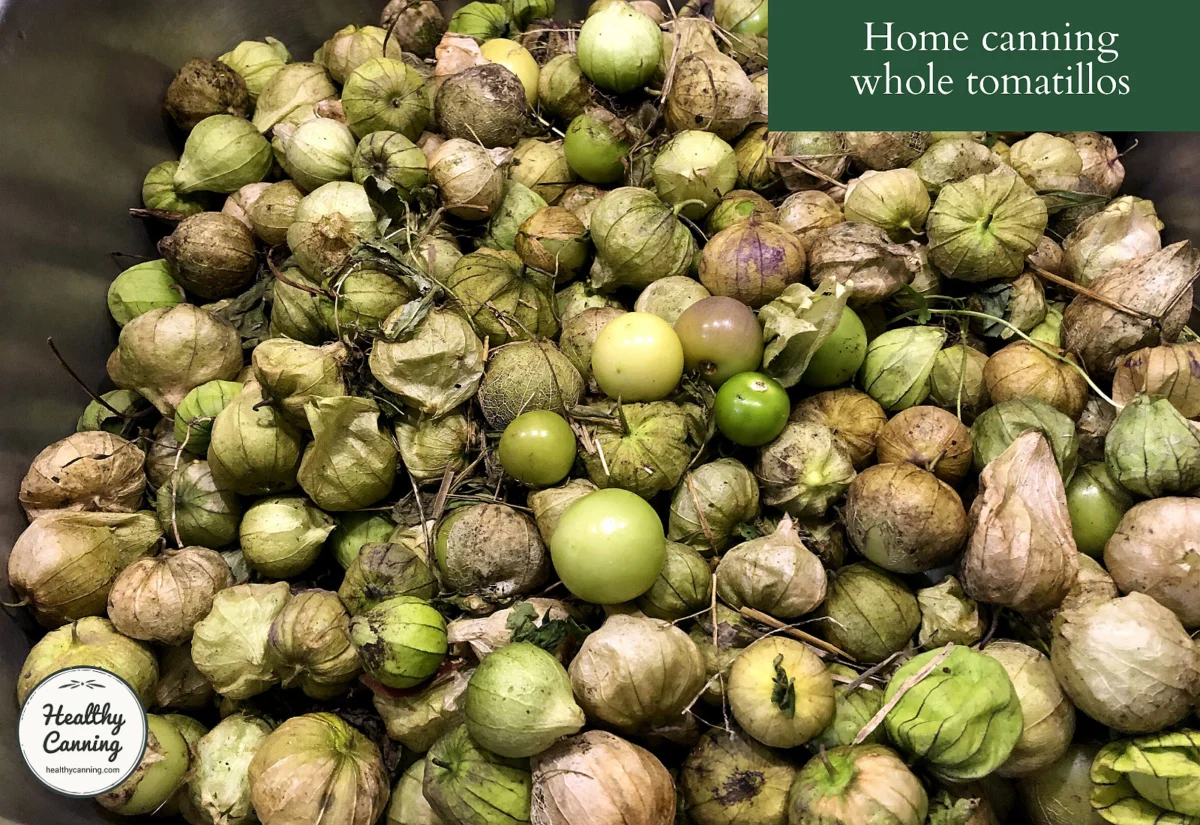
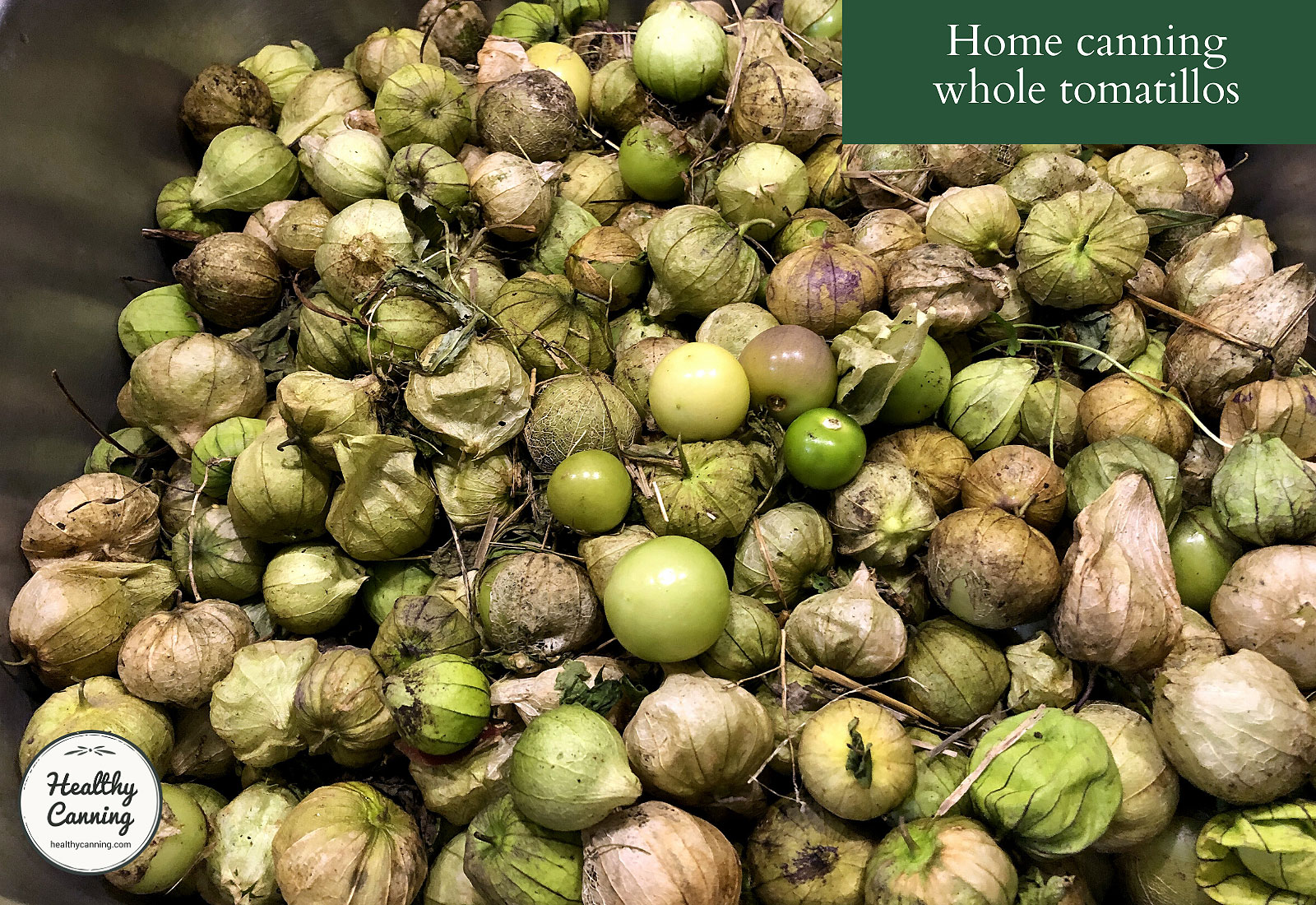
Commonly known as the Mexican husk tomato, the tomatillo is not a true tomato but a member of the nightshade family closely related to the Cape gooseberry. They are characterized by a papery outer calyx or husk, which must be removed before consumption or preservation. Unlike tomatoes, which often require blanching and peeling to remove tough skins before canning, tomatillos are processed with their skins intact, simplifying the preparation phase but necessitating thorough cleaning to remove the sticky resin (saponins) found under the husk.
Economically and agriculturally, the tomatillo has seen a surge in popularity in temperate home gardens across North America. Their high pectin content makes them ideal for salsas and jams, but canning them plain and whole offers the greatest versatility for year-round culinary applications. The USDA’s 2015 update to canning guidelines reinforced the necessity of standardized procedures to accommodate the varying pH levels found in different cultivars and stages of ripeness.

Chronology of the Preservation Process
The procedure for canning whole tomatillos follows a strict chronological framework designed to minimize microbial load and maximize vacuum seal integrity.
1. Selection and Preparation
The process begins with the selection of firm, disease-free fruit. The husks are removed, and the tomatillos are washed thoroughly. Because the surface of the fruit is naturally coated in a sticky substance, warm water is often more effective than cold for cleansing. Unlike the traditional tomato canning process, there is no requirement to core or peel the fruit, though they are typically simmered in boiling water for two minutes before being packed into jars to soften the tissue and release trapped air.
2. Acidification: The Primary Safety Barrier
The most critical step in the chronology is the addition of a concentrated acidifier. While tomatillos are generally acidic, with a mean pH of approximately 3.83, the USDA mandates the addition of bottled lemon juice, citric acid, or lime juice to every jar. This serves as a safety margin to ensure the equilibrium pH remains well below the 4.6 threshold required to inhibit the growth of Clostridium botulinum spores. For half-litre (pint) jars, one tablespoon of bottled lemon juice or 1/4 teaspoon of citric acid is required; for one-litre (quart) jars, the dosage doubles to two tablespoons of lemon juice or 1/2 teaspoon of citric acid.
3. Packing and Headspace Management
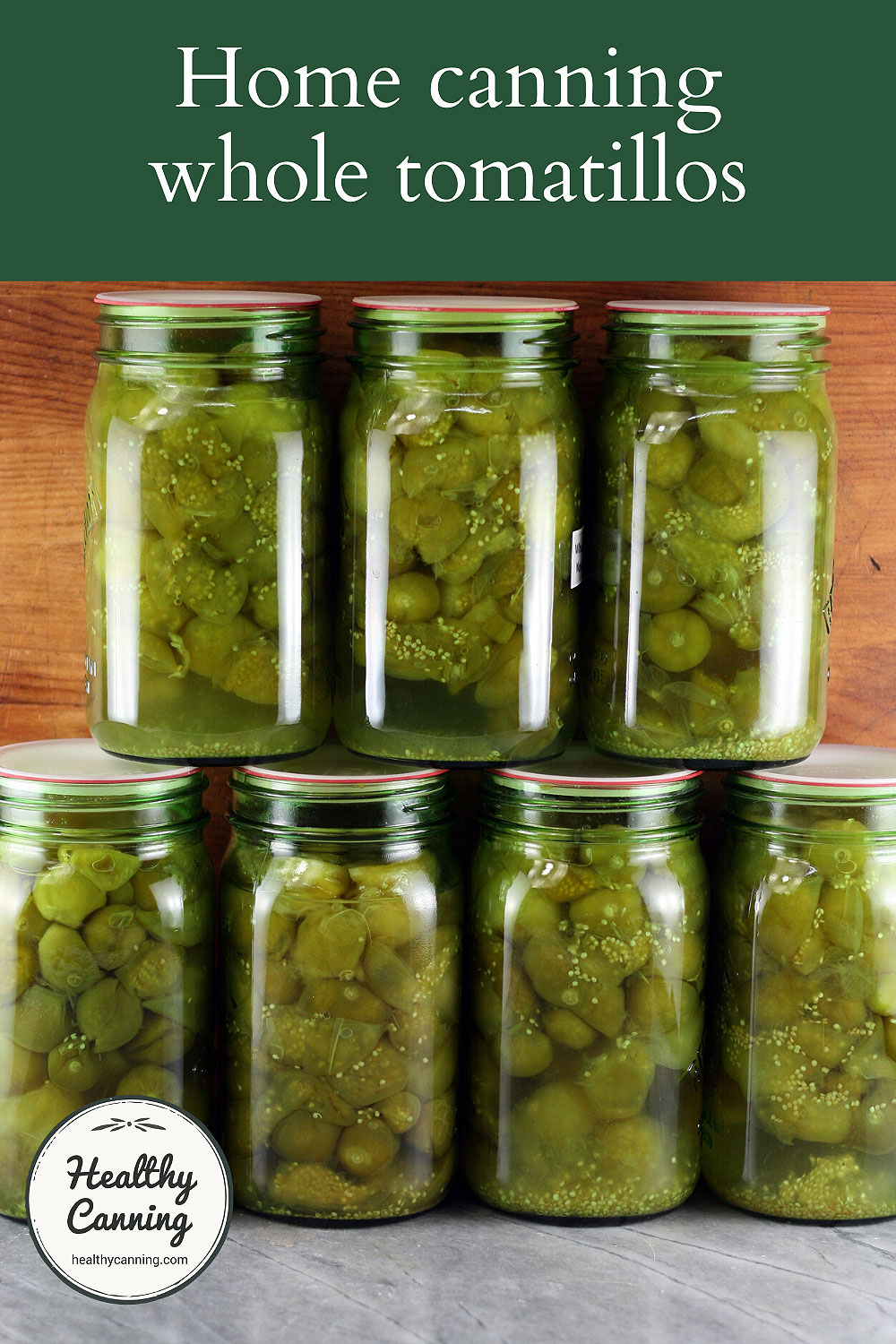
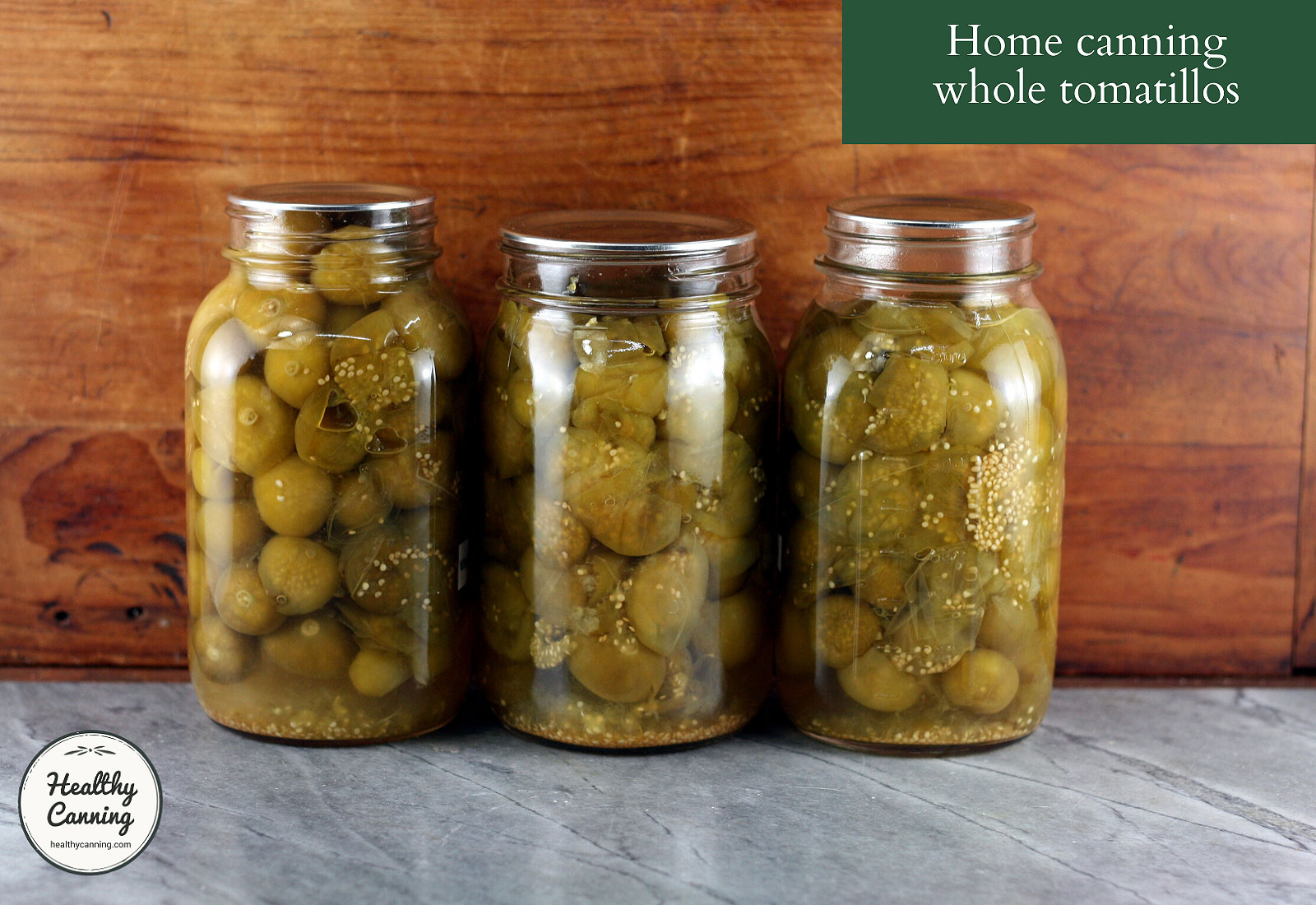
Tomatillos are packed into hot, sterilized jars, leaving exactly 2 cm (1/2 inch) of headspace. This space is vital for the expansion of food during the boiling process and for the eventual creation of a vacuum seal. Jars are then filled with boiling water, covering the fruit while maintaining the specified headspace.
4. Thermal Processing
The jars are processed using one of three approved methods: boiling water bath, atmospheric steam canning, or pressure canning. Each method is governed by specific time and pressure variables adjusted for altitude.
Technical Data and Processing Specifications
The efficacy of home canning relies on the intersection of temperature and time. Data provided by the National Center for Home Food Preservation (NCHFP) outlines the requirements for different equipment types.
Water Bath and Steam Canning Standards
For sea-level operations (0 to 300 meters), the processing times are as follows:
- Half-litre (US pint) jars: 40 minutes
- One-litre (US quart) jars: 45 minutes
Steam canning, a more water-efficient alternative, follows the same duration as water bath canning. However, users are cautioned that if altitude adjustments require a processing time exceeding 45 minutes, steam canning may not be viable due to the risk of the canner boiling dry.

Pressure Canning Variables
Pressure canning is often preferred by high-altitude residents or those seeking to reduce total processing time. The USDA provides weighted-gauge and dial-gauge specifications.
Weighted-Gauge Pressure Settings:
- 0–1,000 feet: 10 lbs of pressure for 10 minutes (or 5 lbs for 15 minutes).
- Above 1,000 feet: 15 lbs of pressure for 10 minutes (or 10 lbs for 15 minutes).
It is a common misconception that pressure canning eliminates the need for added acid. Experts emphasize that the pressure canning times for tomatillos were developed based on an acidified product; therefore, the lemon juice or citric acid remains mandatory regardless of the processing equipment used.
Quantities and Yield Analysis
Home preservers must plan for significant volume reduction during the canning process. On average, 1 kilogram of fresh tomatillos is required to yield one 1-litre jar (approximately 2 lbs per US quart). A full canner load of seven quarts typically requires roughly 14 to 16 pounds of fresh produce.
These approximations are essential for agricultural planning. For a household consuming one jar of salsa or tomatillo-based sauce per week, a garden must produce approximately 80 to 100 pounds of fruit to meet annual preservation goals.
Safety Standards and Official Responses
The USDA’s guidelines are the result of rigorous laboratory testing conducted to simulate "worst-case scenarios" in home kitchens. Food scientists at the NCHFP have noted that while tomatillos are naturally more acidic than many tomato varieties, the density of the whole fruit can slow heat penetration to the center of the jar. This necessitates the relatively long processing times (40–45 minutes) compared to other acidified vegetables.
Official responses from extension services emphasize the use of "bottled" lemon or lime juice over fresh-squeezed varieties. This is because bottled juices have a standardized, guaranteed acidity level, whereas fresh fruit can vary significantly in pH depending on the season and soil conditions.
The inclusion of salt in the recipe is categorized by the USDA as an optional seasoning. Salt contributes to the flavor and texture but does not act as a preservative in this specific high-acid canning process. Consequently, those monitoring sodium intake can safely omit it or use potassium-based salt substitutes without compromising the shelf stability of the product.
Culinary Applications and Expert Recommendations
Canned whole tomatillos are distinct from their fresh counterparts. The thermal processing effectively "cooks" the fruit, resulting in a softer texture and a slightly more mellow, tart flavor profile. Culinary experts, including Martha Rose Shulman of The New York Times, suggest that canned tomatillos are excellent substitutes in recipes where the fruit would traditionally be simmered or broiled.
In her analysis of the ingredient, Shulman notes that an 11-ounce can of tomatillos can generally substitute for one pound of fresh fruit. Because the canning process has already softened the fruit, the initial simmering steps in most salsa recipes can be bypassed, significantly reducing meal preparation time.
The Joy of Cooking further identifies canned tomatillos as a sophisticated condiment for grilled meats, poultry, and seafood. Their bright acidity cuts through the richness of fatty fish or charred meats, making them a versatile pantry staple beyond the traditional salsa verde.
Nutritional Profile and Health Implications
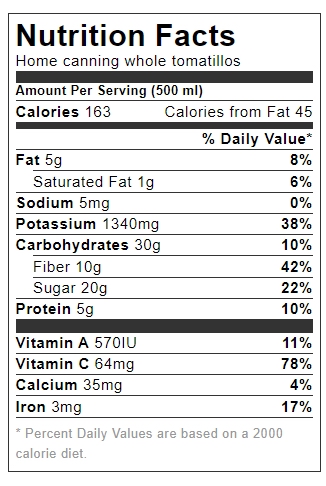
Canned tomatillos offer a dense concentration of micronutrients. A 500 ml (pint) serving contains approximately 163 calories and is notably high in Potassium (1340 mg) and Vitamin C (64 mg). They are also an excellent source of dietary fiber, providing 10 grams per pint, which aids in digestive health.
The presence of Vitamin A (570 IU) and various phytochemicals like withanolides—which have been studied for their anti-inflammatory properties—positions tomatillos as a health-conscious choice for home preservation. Because the product is canned in water with added acid, it remains low in fat and, if salt is omitted, virtually sodium-free.
Broader Impact on Food Sustainability
The revitalization of home canning procedures for tomatillos reflects a broader societal shift toward sustainable living and reduced food waste. By preserving whole tomatillos at the peak of their harvest, consumers reduce their reliance on long-distance supply chains and commercially processed goods that often contain stabilizers and high levels of sodium.
Furthermore, the ability to safely process tomatillos at home empowers urban and rural gardeners alike to manage agricultural gluts. As climate patterns shift and growing seasons become more unpredictable, the mastery of USDA-approved preservation techniques ensures that the nutritional and culinary value of the harvest is maintained throughout the winter months, fostering a more resilient and self-sufficient food culture.