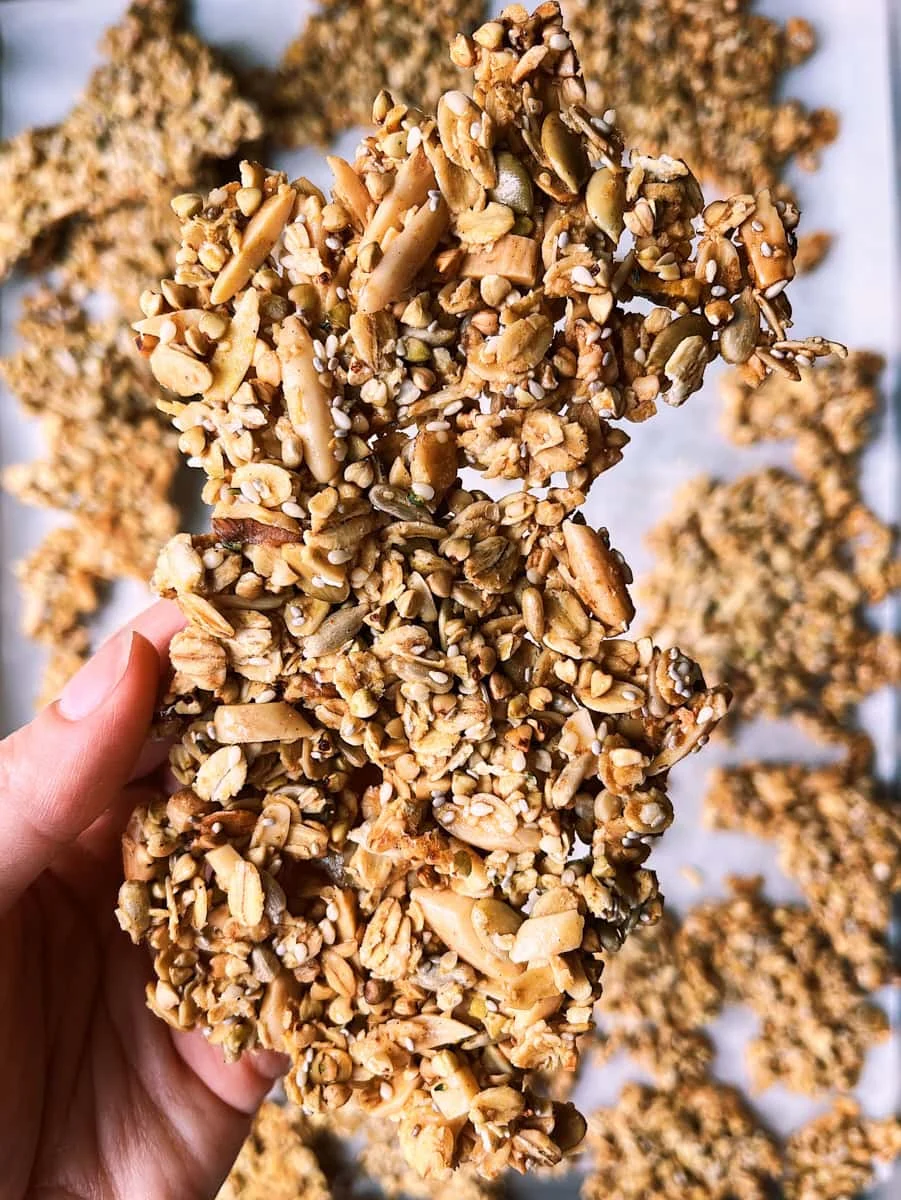

Sourdough discard granola is a testament to the ingenious versatility of sourdough, transforming humble grain, nut, and seed remnants into a craveable, crispy concoction. This innovative approach elevates the familiar breakfast staple by incorporating a key ingredient: sourdough starter discard. Far from being a mere binder, this fermented flour-and-water mixture imparts a subtle tang and a remarkable ability to create substantial, shatteringly crisp clusters, distinguishing it from conventionally sweetened granolas.
The magic of granola lies in its ability to transform disparate, often nearly empty, pantry staples into something greater than the sum of its parts. Typically a medley of grains, nuts, and seeds, granola achieves its addictive texture and flavor through the careful application of fat and sweetener during the baking process. The introduction of sourdough starter discard, a byproduct of maintaining a sourdough starter, offers a unique dimension to this equation. While its presence in baked goods like cakes, brownies, and crackers is more commonly recognized for its contribution to flavor and structure, its role in granola is equally impactful, if not more so.
The science behind this culinary innovation is rooted in the fermentative properties of sourdough. The lactic and acetic acids produced by the wild yeast and bacteria in the starter not only lend a characteristic tang but also contribute to the Maillard reaction during baking, deepening flavors and promoting browning. Furthermore, the viscous nature of the discard acts as a potent binding agent, often surpassing the efficacy of traditional binders like maple syrup or honey, and even egg whites, in creating those coveted large granola clusters.
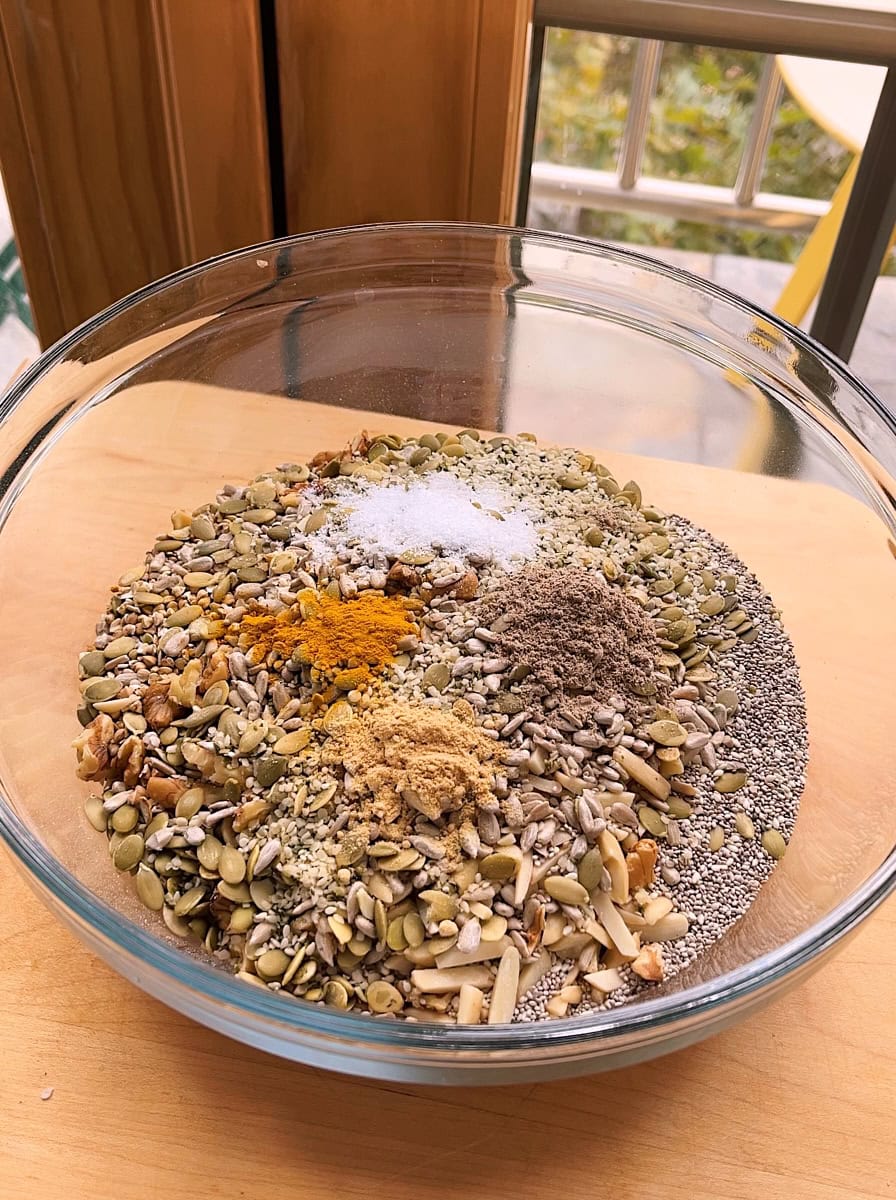
The Foundation: Oats and a Symphony of Crunch
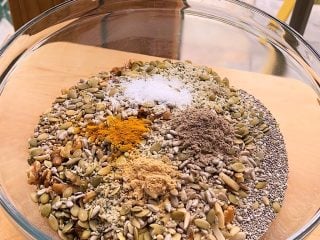
At its core, this sourdough discard granola recipe relies on rolled oats as the primary base, a ubiquitous ingredient found in most pantries. The recipe suggests a ratio of two parts oats to three parts other mix-ins, allowing for significant customization. The author champions a blend that includes buckwheat groats for an earthy crunch, alongside nuts, coconut, and seeds that contribute rich, buttery flavors and further textural complexity. Smaller seeds, such as hemp and sesame, are incorporated not only for their subtle flavor and texture but also for their aesthetic appeal. The inclusion of ground or whole flaxseed or chia seeds adds another layer of texture and enhances the binding properties of the mixture.
Sourdough Starter Discard: The Unsung Hero of Texture and Flavor
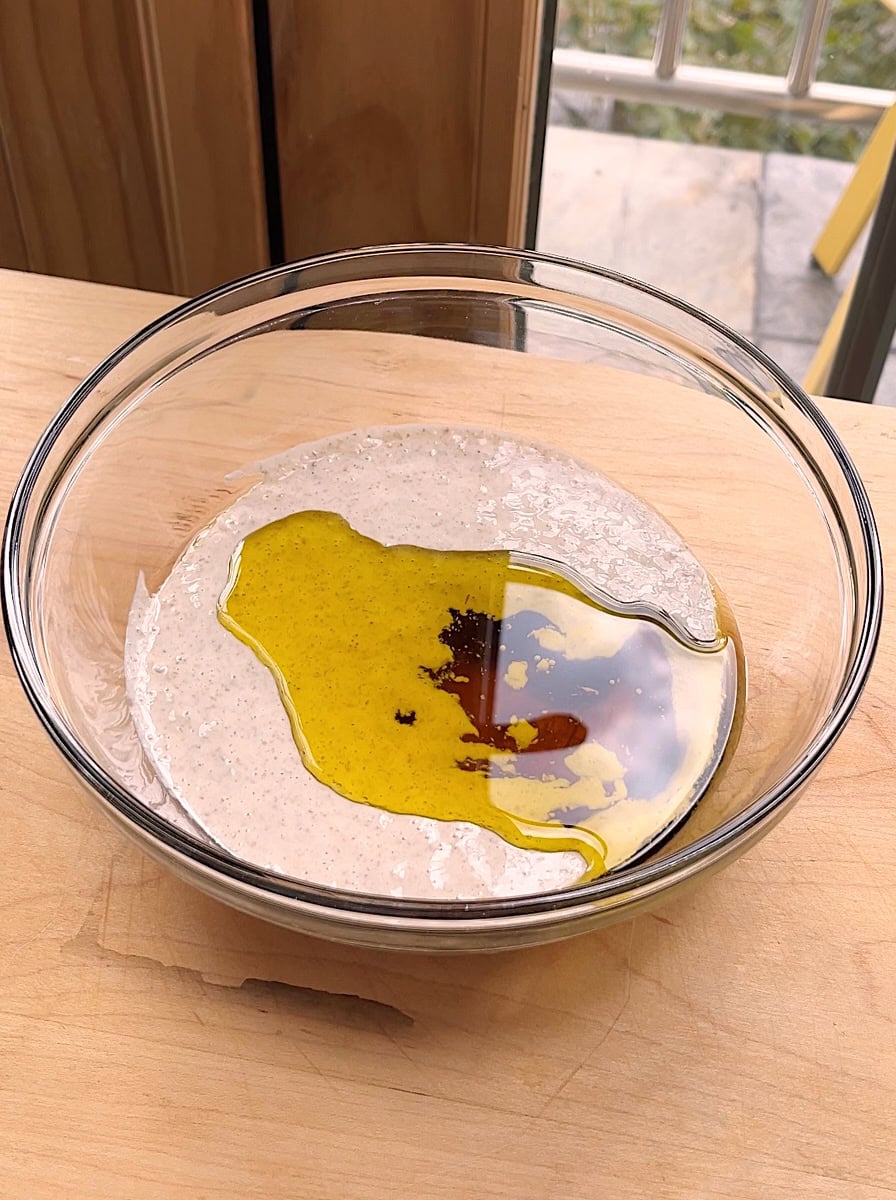
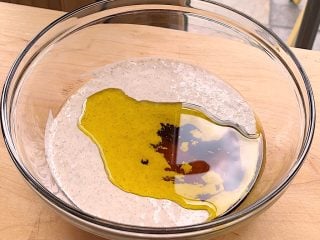
The true innovation of this granola lies in the strategic use of sourdough starter discard. While many granola recipes depend heavily on sticky sweeteners to bind ingredients, this recipe leverages the discard to achieve a similar, if not superior, clumping effect. The flour-and-water mixture, in conjunction with maple syrup, coats the dry ingredients, promoting cohesion. The recipe specifies approximately 110 grams (about ½ cup) of starter discard, a quantity that brings the mixture together sufficiently to form substantial clusters without creating a dough-like consistency. This precise amount is crucial, as it not only aids in clumping but also contributes to the granola’s signature crispness. Much like a well-baked sourdough cracker possesses a satisfying snap, this granola, once fully cooled, maintains its crispness for extended periods, a testament to the discard’s unique properties.
Sweetness and Richness: A Balanced Approach
The binding capabilities of the sourdough starter discard mean that this granola requires less sweetener than conventional recipes. A modest 156 grams (½ cup) of maple syrup provides a delicate sweetness, making the granola versatile enough for breakfast toppings on yogurt or as a component in a more indulgent midnight snack alongside chocolate chips.
The addition of oil is also critical for achieving a superior texture. A small amount of fat is essential to prevent the granola from becoming dry and floury, instead imparting a rich crispness. The author expresses a preference for olive oil or unrefined coconut oil due to their distinct flavors, which they believe enhance the granola. However, for those who prefer a more neutral taste, oils like avocado oil are recommended alternatives.
The Art of Clumping: Baking Without Stirring
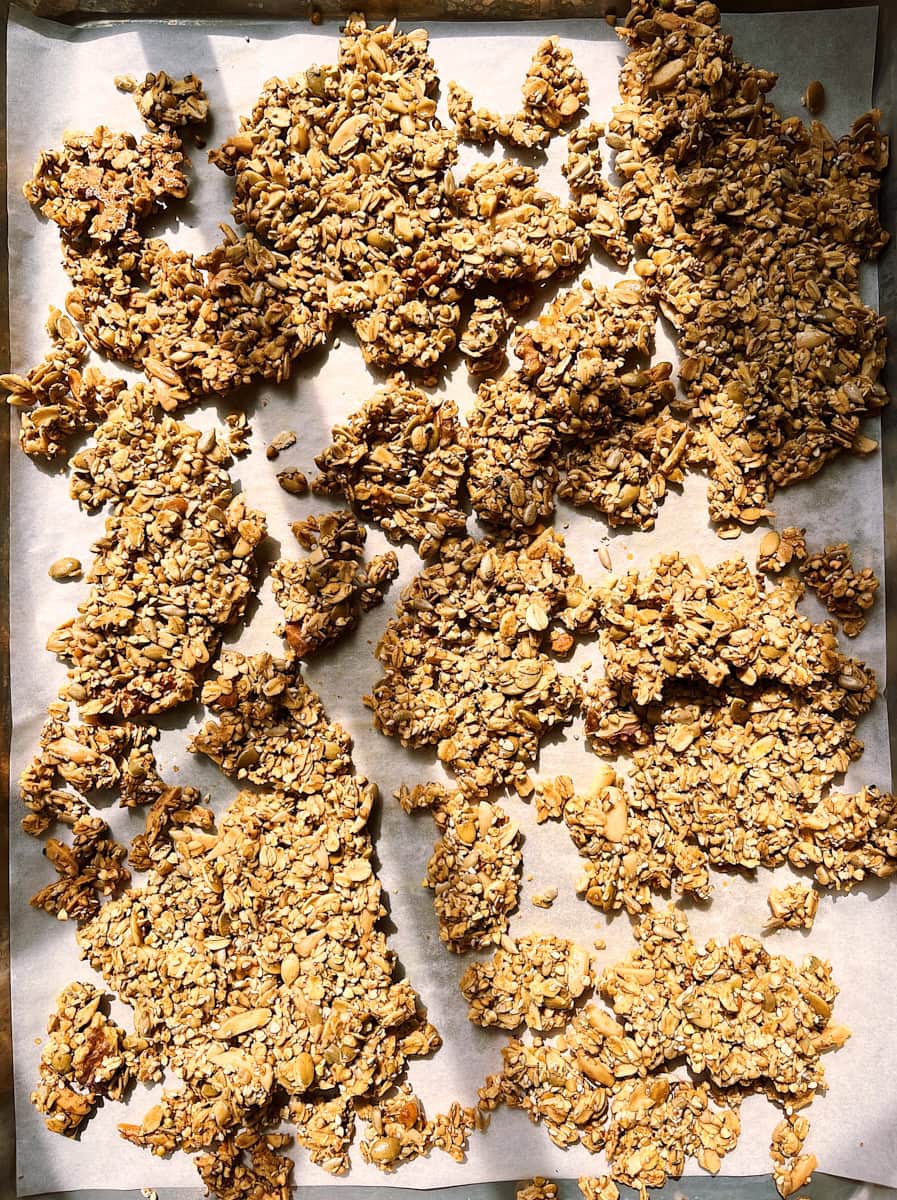
The pursuit of large, cohesive granola clusters is a hallmark of a superior homemade product. While the sourdough discard and seeds play a significant role, a crucial baking technique is the avoidance of stirring the granola during the baking process. Unlike many recipes that advocate for regular stirring to ensure even browning, this method capitalizes on the binding agents to create "bark-like" pieces. By spreading the mixture thinly across two baking sheets, the granola bakes evenly without the need for intervention. This allows the clusters to form and solidify, resulting in large, liftable pieces that can then be broken into more manageable portions for storage.
The Optionality of Dried Fruit
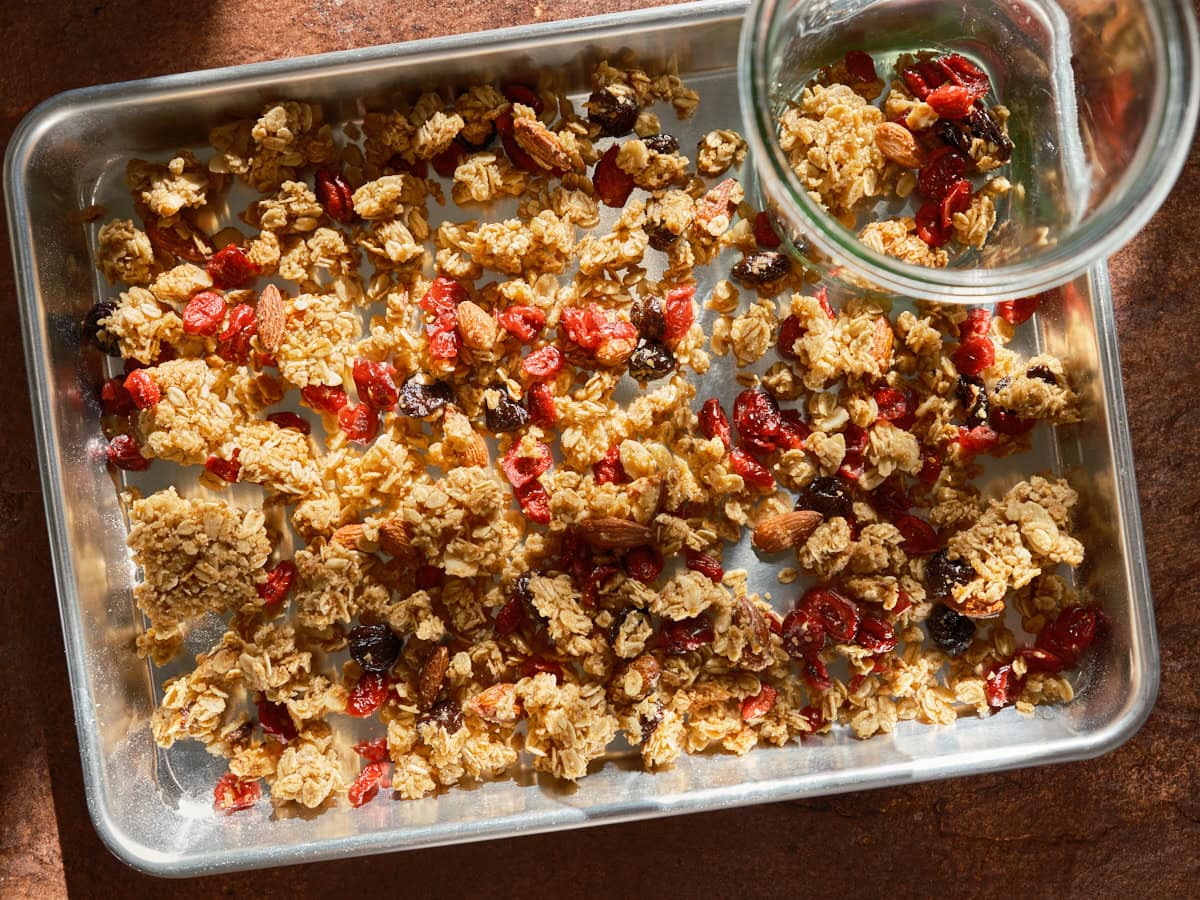
The inclusion of dried fruit in granola is a matter of personal preference, and this recipe acknowledges that divide. While the author personally abstains from dried fruit in their granola, they recognize its appeal to others. For those who enjoy the chewy sweetness of raisins, dried cranberries, or dried cherries, it is recommended to add them after the granola has been removed from the oven. Baking dried fruit can render it overly hard and unpleasantly chewy, a textural outcome that is best avoided.

Sourdough Discard Granola: Frequently Asked Questions
The development of this unique granola recipe has naturally led to a series of frequently asked questions, addressing common concerns and offering further customization options:
Can I use other nuts or seeds?
Absolutely. The recipe’s flexibility extends to a wide array of nuts and seeds. From hazelnuts and peanuts to Brazil nuts, virtually any variety can be incorporated with delicious results.
Can I substitute the sweetener?
Yes. Honey, with its distinct floral notes and intensified sweetness, can be used as a direct substitute for maple syrup. It may contribute to a slightly chewier texture and a deeper color, potentially requiring a slightly shorter baking time. Agave syrup offers a more neutral sweetness.
Can I use a different type of fat?
Neutral oils such as avocado, algae, sunflower, or canola oil are suitable replacements for olive or coconut oil. For an added flavor dimension, up to 2 tablespoons of a more intensely flavored oil, like toasted sesame or walnut oil, can be incorporated. While oils, being 100% fat, are optimal for achieving a crispy granola with an extended shelf life, it’s worth noting that certain oils might subtly alter the final flavor profile.
Can chocolate be added?
Indeed. For a decadently chocolatey granola, consider adding approximately 30 grams (about ¼ cup) of cocoa powder (natural or Dutch-processed) along with up to 170 grams (1 cup) of your preferred chocolate chips or chopped chocolate.
Are other forms of preserved fruit suitable?
Certainly. Roughly chopped dates, prunes, dried apricots, or dried mango can introduce a delightful chewy sweetness. Banana chips or dried mulberries offer a pleasant sweet crunch, while freeze-dried berries like blueberries, raspberries, or strawberries provide a soft, sweet counterpoint. Candied ginger, in chopped form, is also an exceptional addition, lending a spicy-sweet chewiness.
What if I have more sourdough starter discard than the recipe calls for?
The most straightforward solution is to double the recipe to create a larger batch of sourdough discard granola. Alternatively, explore other recipes specifically designed to utilize excess starter discard, ensuring no precious fermented goodness goes to waste.
What is the optimal storage method for granola?
For maximum crispness and longevity, storing granola in airtight containers, such as glass jars, and keeping them in the freezer is highly recommended. This method ensures that the granola remains crunchy and maintains its quality for an extended period, effectively preserving its texture and flavor.